
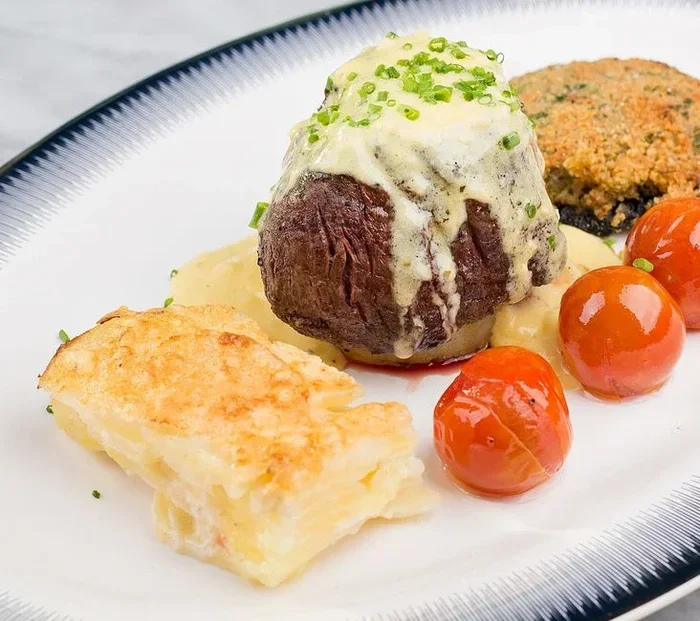
Finishing filet mignon in the oven is the secret to a perfectly cooked steak with a golden crust and juicy center. This method gives you full control over doneness and delivers restaurant-quality results at home. You will learn the best temperatures, timing, and techniques for oven-finishing this premium cut.
There is something truly special about a perfectly cooked filet mignon. It is tender, juicy, and melts in your mouth like nothing else. Many home cooks struggle to get that restaurant-quality finish. But here is the good news. Finishing filet mignon in the oven makes perfect results almost effortless.
The oven method gives you even heat distribution and a beautiful crust. You get control over doneness without constantly watching the pan. Whether you prefer medium-rare or medium, the oven helps you nail it every time. In this guide, we will walk you through everything you need to know about oven-finishing filet mignon. You will learn temperatures, timing, tips, and common mistakes to avoid.
This article covers the full process from searing to resting. We also share expert insights that will level up your steak game. By the end, you will feel confident cooking filet mignon in the oven like a pro. Let us get started.
Key Takeaways
- Oven-finishing filet mignon creates an even cook from edge to center with a beautiful sear.
- The ideal oven temperature for finishing steak is between 375°F and 425°F, depending on thickness.
- Always use a meat thermometer to hit your target doneness perfectly every time.
- Resting the steak after cooking keeps the juices locked in for a tender bite.
- Searing first on the stovetop and then moving to the oven is the best two-step method.
- Common mistakes like skipping the rest or using too high heat can ruin a great cut.
- Pairing your filet mignon with simple sides lets the meat shine.
📑 Table of Contents
Why Finish Filet Mignon in the Oven
The oven-finishing method is also called the reverse sear or two-step cook. It works by gently cooking the steak in the oven and then finishing it with a hot sear. This approach has several advantages over cooking steak entirely on the stovetop.
First, the oven heats the meat evenly. On a stovetop, the outside cooks faster than the inside. This often leads to a gray band of overcooked meat just below the crust. The oven avoids this problem completely. Heat surrounds the steak from all sides, giving you a uniform cook.
Second, oven-finishing gives you more control. You can set a precise temperature and check the internal heat without rushing. This is especially helpful for thicker cuts. A filet mignon that is two inches thick benefits greatly from this gentle approach.
Third, the oven method reduces stress. You do not need to stand over a hot pan flipping the steak every thirty seconds. Instead, you pop it in the oven and set a timer. When it comes out, a quick sear on each side gives you that gorgeous golden crust.
If you are curious about other oven meat techniques, our guide on how to braise ribs in oven explores another great way to cook meat low and slow in the oven.
How to Oven-Finish Filet Mignon Step by Step
Now let us get into the actual process. Follow these steps for the best results every time. Each step matters and contributes to the final outcome.
Step 1: Prep the Steak
Take your filet mignon out of the refrigerator about thirty minutes before cooking. Let it come to room temperature. Cold steak in a hot oven cooks unevenly. The outside overcooks before the center catches up. Room temperature steak cooks more uniformly and reduces the total oven time.
Pat the steak dry with paper towels. Moisture is the enemy of a good crust. Dry surfaces sear better and create that beautiful brown crust you want. Season generously with salt and pepper on both sides. You can also add garlic powder or your favorite steak seasoning blend.
Step 2: Preheat the Oven
Preheat your oven to 400°F. This temperature works well for most filet mignon thicknesses. If your steak is thinner than one inch, you might want to drop the heat to 375°F. Thicker steaks, over two and a half inches, can handle 425°F.
Place a rack in the center of the oven. This ensures hot air circulates evenly around the steak. Avoid placing the steak too close to the top or bottom heating elements. Even heat exposure is key to a consistent cook.
Step 3: Sear on the Stovetop
Heat a cast iron skillet over medium-high heat. Add a high smoke-point oil like avocado or grapeseed oil. Once the pan is hot and the oil shimmers, place the steak in the skillet.
Sear for about two minutes on each side. You want a deep golden-brown crust. Do not move the steak during searing. Let the Maillard reaction do its work. This chemical process creates all those complex, savory flavors we love on a grilled steak.
If you want to learn more about broiling meat in the oven, check out our article on how to broil a hamburger in oven for additional oven cooking techniques.
Step 4: Transfer to the Oven
After searing, move the skillet directly into the preheated oven. This is why a cast iron skillet is ideal. It goes from stovetop to oven without any transfers. Place the skillet on the center rack.
Cook the steak until it reaches about five degrees below your target temperature. This accounts for carryover cooking. The steak will continue to rise in temperature after you take it out.
Use a meat thermometer inserted into the thickest part of the steak. Do not touch the bone or the pan. For a perfect medium-rare filet mignon, pull the steak at 130°F. The final temperature will reach 135°F during resting.
Step 5: Rest the Steak
Remove the skillet from the oven and place it on a cutting board. Tent the steak loosely with aluminum foil. Let it rest for five to ten minutes. This step is non-negotiable. Resting allows the juices to redistribute throughout the meat.
If you cut into the steak immediately, all those juices run out onto the board. You end up with a dry, less flavorful filet. Patience here pays off big time. For tips on keeping cooked meat warm, our guide on how to keep ribs warm in oven has useful advice on resting and holding meat at the right temperature.
Step 6: Serve and Enjoy
After resting, slice against the grain if the steak is larger than individual portions. Serve immediately with your favorite sides. A drizzle of herb butter or a sprinkle of flaky salt elevates the dish even further.
Best Oven Temperature for Filet Mignon
Temperature is the most important factor when finishing filet mignon in the oven. Too high and you risk overcooking the edges. Too low and the steak takes forever and loses its moisture.
Here is a quick reference guide for oven temperatures based on steak thickness:
- Thin filet mignon (under 1 inch): Use 375°F. These cook quickly and need less time in the oven.
- Standard filet mignon (1 to 2 inches): Use 400°F. This is the sweet spot for most cuts.
- Thick filet mignon (over 2 inches): Use 425°F. The higher heat compensates for the extra thickness.
For more on oven temperatures and meat cooking times, you can explore our guide on how long to cook chicken wings in oven 400 which covers oven timing at common temperatures.
The internal temperature matters more than the oven temperature. Here are the target internal temperatures for different levels of doneness:
- Rare: 120°F pull temperature (125°F after resting)
- Medium-Rare: 125°F pull temperature (130°F after resting)
- Medium: 135°F pull temperature (140°F after resting)
- Medium-Well: 145°F pull temperature (150°F after resting)
- Well-Done: 155°F pull temperature (160°F after resting)
Most steak lovers prefer medium-rare. This is where filet mignon shines. The meat stays tender and juicy with a warm pink center. Overcooking filet mignon to well-done dries it out and wastes an expensive cut.
Common Mistakes to Avoid
Even experienced cooks make mistakes when finishing filet mignon in the oven. Here are the most common errors and how to avoid them.
Skipping the room temperature rest. Putting cold steak straight into the oven creates uneven cooking. The outside overcooks while the center stays cold. Take the steak out thirty minutes before cooking. This simple step makes a huge difference.
Using a wet steak. Moisture prevents a good sear. Always pat your filet mignon dry before seasoning. Excess moisture turns to steam and keeps the crust from forming. A dry surface equals a beautiful, caramelized crust.
Not using a meat thermometer. Guessing doneness leads to overcooked or undercooked steak. A digital instant-read thermometer takes the guesswork out completely. Invest in a good one. Your filet mignon will thank you.
Cutting too soon after cooking. Resting is essential. The juices need time to settle back into the meat. Cutting too early releases all that flavorful juice onto the cutting board instead of staying in the steak.
Using the wrong pan. Thin pans cause hot spots and uneven searing. A heavy cast iron skillet distributes heat evenly and holds temperature well. If you are looking for guidance on choosing the right cookware, our best pan to cook turkey in oven guide covers pan selection principles that apply to any oven-cooked meat.
Overcooking the sear. The stovetop sear should be quick. Two minutes per side is plenty. A long sear on the stovetop before the oven finishes the job can overcook the edges before the center reaches temperature.
Expert Tips for Perfect Filet Mignon
Here are some pro tips that separate good filet mignon from great filet mignon. These small details make a big impact on the final result.
Use compound butter. Make a simple garlic herb butter by mixing softened butter with minced garlic, fresh thyme, and a pinch of salt. Place a dollop on top of the rested steak. It melts over the meat and adds incredible richness.
Baste during searing. After placing the steak in the hot skillet, tilt the pan slightly and spoon the hot oil over the top. This speeds up the browning process and adds flavor. This technique is similar to how a perfect steak is finished in high-end restaurants.
Season generously. Filet mignon is a lean cut with less intramuscular fat than ribeye or strip steak. It needs good seasoning to shine. Salt at least forty minutes before cooking or right before. Salting too early draws out moisture; salting too late does not allow the salt to penetrate.
Let the oven preheat fully. A properly preheated oven ensures consistent cooking from the start. Wait until the oven reaches the target temperature before putting the steak in. Rushing this step leads to uneven results.
Choose quality meat. The oven method works best with good quality beef tenderloin. Look for USDA Prime or Choice grades. The better the starting ingredient, the better the final result. A well-marbled filet mignon stays juicier during oven cooking.
Pair with simple sides. Filet mignon is the star of the plate. Keep sides simple so they do not compete with the meat. Roasted asparagus, garlic mashed potatoes, or a fresh green salad all work wonderfully. The steak should be the hero of the meal.
Slice against the grain. Filet mignon is a tender cut but slicing against the grain makes it even more enjoyable. Look for the direction of the muscle fibers and cut perpendicular to them. This shortens the fibers and makes each bite more tender.
Frequently Asked Questions
Can you finish filet mignon in the oven without searing first?
Yes, you can skip the sear and cook the steak entirely in the oven. This is called the reverse sear method in its simplest form. However, you will miss out on the flavorful crust that searing creates. The oven-only method works but produces a more uniform, pale exterior. For the best results, always sear first.
How long should filet mignon rest after oven cooking?
Let the filet mignon rest for five to ten minutes after cooking. This allows the juices to redistribute throughout the meat. Tenting loosely with foil keeps the steak warm without trapping too much steam. Cutting too early releases those juices and dries out the steak.
What is the best internal temperature for medium-rare filet mignon?
Pull the filet mignon from the oven at 125°F to 130°F. The temperature will rise by about five degrees during resting. This brings the final internal temperature to 130°F to 135°F, which is the perfect medium-rare range. Use a reliable meat thermometer for accuracy.
Can you use a wire rack instead of a skillet for oven-finishing?
Yes, a wire rack set over a baking sheet works well for oven-finishing. It allows air to circulate around the steak for even cooking. However, you will miss the sear from the skillet. The two-step method of skillet searing followed by oven finishing produces the best crust and most even cook.
How thick should filet mignon be for oven-finishing?
A filet mignon that is one and a half to two inches thick works best for oven-finishing. Thinner steaks can overcook quickly, while very thick steaks require longer oven times. The ideal thickness gives you enough room to develop a crust without drying out the center.
Should you marinate filet mignon before oven-finishing?
Marinating is optional. Filet mignon is already tender and mild in flavor. A simple salt and pepper seasoning is often enough. If you do marinate, keep it brief, thirty minutes to one hour. Long marinades can change the texture of this delicate cut. A light seasoning lets the natural beef flavor shine through.
Conclusion
Finishing filet mignon in the oven is one of the best ways to cook this premium cut. The method gives you even cooking, a beautiful crust, and perfect doneness every single time. By following the steps in this guide, you can achieve restaurant-quality results in your own kitchen.
Remember to bring the steak to room temperature first, sear it in a hot cast iron skillet, and then finish it in the oven at the right temperature. Use a meat thermometer to check doneness and always let the steak rest before serving. These small steps make all the difference.
Avoid common mistakes like skipping the rest or overcooking the sear. Apply the expert tips we shared to elevate your filet mignon game. With practice, you will nail this technique every time.
Oven-finishing filet mignon is simple, reliable, and delivers outstanding results. Try it at your next dinner and taste the difference. Your steak will be tender, juicy, and full of flavor. Enjoy the process and savor every bite.



