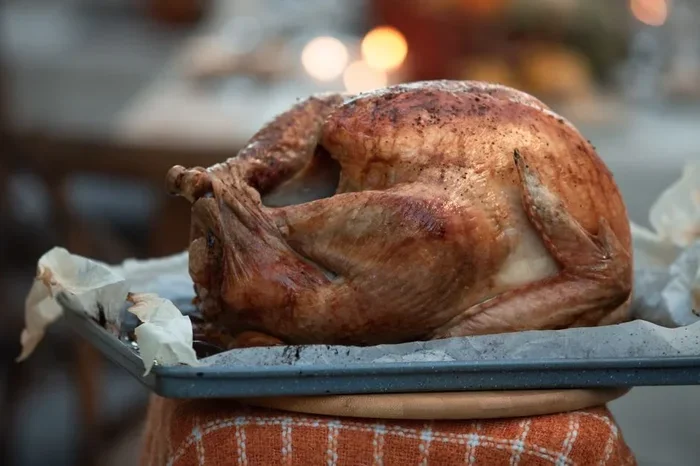
Turkey roasting times depend on weight, cut, and oven temperature. A whole turkey typically takes 3 to 4.5 hours at 325°F, while turkey breast roasts faster at 1.5 to 2 hours. Understanding turkey roasting times is the key to a moist, flavorful bird every single time.
There is nothing quite like a perfectly roasted turkey. Golden, crispy skin on the outside and juicy, tender meat on the inside. But achieving that dream result starts with one thing: turkey roasting times. Many home cooks wonder exactly how long their turkey needs to stay in the oven. The answer depends on several factors, and this guide breaks it all down for you.
Whether you are cooking for Thanksgiving, a holiday dinner, or a simple Sunday meal, knowing your turkey roasting times saves you stress and guesswork. You will learn how weight affects cooking time, what temperature to use, and how to avoid the mistakes that turn a beautiful bird into a dry disaster. Let us get into it.
Key Takeaways
- Weight Matters Most: Turkey roasting times are primarily driven by the bird’s weight, with roughly 13 to 15 minutes per pound at 325°F.
- Temperature Is Critical: Always roast at 325°F for even cooking, and pull the turkey when it hits 165°F internally.
- Resting Is Non-Negotiable: Letting your turkey rest for 20 to 30 minutes locks in juices and improves texture.
- Breast vs. Leg Differs: Turkey breast and leg have different roasting times and benefit from separate cooking approaches.
- Avoid Common Mistakes: Overcooking, skipping the rest, and not brining are the top errors home cooks make.
- Use a Meat Thermometer: Guessing leads to dry turkey. A reliable thermometer removes all the guesswork.
📑 Table of Contents
How Long Does It Take to Roast a Turkey
The most common question we hear is: “How long does a turkey take to cook?” The general rule of thumb is about 13 to 15 minutes per pound at 325°F. But that is just a starting point. Several variables can shift your turkey roasting times significantly.
Here is a quick breakdown based on bird size:
- 8 to 12 pounds: 2.5 to 3 hours
- 12 to 16 pounds: 3 to 3.5 hours
- 16 to 20 pounds: 3.5 to 4 hours
- 20 to 24 pounds: 4 to 4.5 hours
These estimates assume a standard oven temperature of 325°F and an unstuffed bird. Stuffed turkeys need extra time, usually about 15 to 30 minutes longer. Always use a meat thermometer to confirm doneness. The internal temperature at the thickest part of the thigh should reach 165°F.
Remember that turkey roasting times can vary based on your specific oven. Some ovens run hot, while others run cool. Knowing your oven’s true temperature can make a big difference in your results.
Why Weight Drives Turkey Roasting Times
The weight of your turkey is the single biggest factor in determining how long it needs to cook. A larger bird has more mass, which means heat takes longer to reach the center. Think of it like this: a small turkey breast cooks much faster than a whole bird because there is simply less meat for the heat to penetrate.
If you are buying a turkey, check the package weight carefully. The weight listed on the label includes the bones, so it is an accurate measure for calculating turkey roasting times. Do not worry about the exact minutes. Focus on the internal temperature, and you will be just fine.
Turkey Roasting Times by Weight and Cut
Not all turkey cuts are the same. Different parts of the bird cook at different speeds. Understanding this helps you plan your meal better and avoid overcooking.
Whole Turkey: As we covered above, a whole turkey takes the longest. Plan for about 13 to 15 minutes per pound at 325°F. The bone-in bird retains moisture better than a boneless one, which is worth considering.
Turkey Breast: A bone-in turkey breast typically roasts in about 1.5 to 2 hours for a 6 to 8 pound piece. Boneless turkey breast cooks even faster, around 1 to 1.5 hours. Because breast meat is lean, it can dry out quickly. Keep a close eye on your turkey roasting times when cooking breast-only cuts.
Turkey Legs and Thighs: These darker, fattier cuts are more forgiving. They can handle longer cooking times without drying out. Bone-in legs and thighs usually need about 1 to 1.5 hours at 325°F. The higher fat content keeps them moist and flavorful.
Turkey Wings and Drumsticks: These smaller pieces cook fast, usually 45 minutes to 1 hour. They make great appetizers or side dishes for a larger meal.
For the best results, consider using a best pan to cook turkey in oven that fits your bird properly. The right pan promotes even heat circulation and prevents soggy bottoms.
Comparing Whole Turkey vs. Breast-Only Roasting
Choosing between a whole turkey and a breast-only roast comes down to your priorities. A whole bird offers the classic presentation and more flavor from the dark meat. A breast-only roast is faster and easier to portion, but it requires more careful monitoring.
Here is a simple comparison:
- Whole Turkey: More flavorful, traditional presentation, longer cook time, needs a larger oven.
- Breast Only: Faster cook time, easier to serve, less forgiving of overcooking, great for smaller gatherings.
No matter which cut you choose, understanding turkey roasting times for each option ensures you serve a delicious meal every time.
The Perfect Turkey Roasting Temperature
Temperature control is the backbone of great turkey roasting. The standard recommendation from most chefs and food safety experts is 325°F. This moderate heat allows the turkey to cook evenly all the way through without burning the outside before the inside is done.
Some recipes call for starting at a higher temperature, like 425°F, for the first 20 to 30 minutes to crisp up the skin. Then you reduce the heat to 325°F for the remainder of the cook. This technique works well and can shorten your overall turkey roasting times slightly while still delivering great results.
Why 325°F Is the Gold Standard
At 325°F, heat circulates evenly around the bird. This slow, steady approach gives the turkey time to cook through without drying out. Higher temperatures can cause the outer layers to overcook before the center reaches the safe 165°F mark.
Lower temperatures, like 275°F, are also an option. They produce incredibly tender meat but require significantly more time. If you have the patience, a low-and-slow approach yields outstanding results.
Always preheat your oven before placing the turkey inside. A cold oven throws off your turkey roasting times and can lead to uneven cooking. Give your oven at least 15 to 20 minutes to reach the target temperature.
Using a Meat Thermometer for Perfect Doneness
This cannot be stressed enough: invest in a good meat thermometer. It is the single most important tool for roasting turkey. Insert the probe into the thickest part of the thigh, making sure it does not touch the bone. The reading should show 165°F for safe consumption.
Some cooks prefer to pull the turkey at 160°F and let carryover cooking bring it up to 165°F during the resting period. This technique prevents overcooking and keeps the meat juicy. Either way, a thermometer removes all the guesswork from your turkey roasting times.
Tips for Juicy, Perfect Turkey Every Time
Roasting a juicy turkey is about more than just timing. Several techniques can elevate your bird from good to unforgettable. Here are the tips that make the biggest difference.
Brine Before Roasting
Brining is the process of soaking your turkey in a saltwater solution for 12 to 24 hours before cooking. This step infuses the meat with moisture and seasoning. The result is a turkey that stays juicy even if you accidentally cook it a few minutes too long.
A basic brine uses 1 cup of kosher salt per gallon of water. Add aromatics like garlic, bay leaves, and peppercorns for extra flavor. After brining, rinse the turkey thoroughly and pat it completely dry before roasting.
Dry Brine as a Time-Saving Alternative
If you do not have 24 hours to brine, try a dry brine. Simply rub the turkey generously with kosher salt and let it sit uncovered in the refrigerator for 12 to 16 hours. The salt draws out moisture, which then gets reabsorbed into the meat. This method seasons deeply and improves texture without the hassle of a wet brine.
Do Not Skip the Resting Period
Once your turkey comes out of the oven, resist the urge to cut into it immediately. Let it rest for at least 20 to 30 minutes. During this time, the juices redistribute throughout the meat. Cutting too early causes those juices to run out onto the cutting board instead of staying in the bird.
While your turkey rests, you can use the time to make a gravy from the pan drippings. If you need to keep the turkey warm during this resting window, check out our guide on how to keep a turkey warm in the oven for simple, effective methods.
Use a Roasting Rack
A roasting rack lifts the turkey off the bottom of the pan, allowing hot air to circulate underneath. This promotes even browning and prevents the bottom from getting soggy. If you do not have a dedicated rack, you can use vegetables like onions and carrots as a natural stand.
For the best setup, consider using a round roasting rack for Dutch oven if you prefer cooking in a Dutch oven. It fits perfectly and delivers excellent results.
Baste for Better Flavor and Texture
Basting involves spooning the hot pan juices over the turkey every 30 to 45 minutes. This adds flavor and helps the skin brown evenly. It also keeps the surface moist, which contributes to that beautiful, crispy finish everyone loves.
However, basting is optional. If you want to minimize oven door openings and keep the heat steady, skip the basting. Your turkey will still turn out great.
Common Turkey Roasting Mistakes to Avoid
Even experienced cooks make mistakes when roasting turkey. Knowing what to avoid can save you from a dry, disappointing bird. Here are the most common errors and how to fix them.
Starting with a Cold Turkey
Never place a frozen or ice-cold turkey directly into the oven. It will cook unevenly, with the outside overcooking while the center stays raw. Always let your turkey sit at room temperature for about 30 minutes before roasting. This small step improves your turkey roasting times accuracy and ensures more even cooking.
Overcooking the Bird
This is the number one mistake people make. They cook the turkey until it is well-done, thinking more time equals more safety. In reality, overcooking dries out the meat completely. Use your thermometer and pull the turkey the moment it hits 165°F in the thickest part of the thigh.
Ignoring Carryover Cooking
Carryover cooking means the turkey’s internal temperature continues to rise after you take it out of the oven. This can add 5 to 10 degrees to your final reading. Factor this into your turkey roasting times by pulling the bird a few degrees early and letting the rest do the work.
Using the Wrong Pan Size
A pan that is too small causes the turkey to sit in its own juices, leading to soggy skin. A pan that is too large lets the bird spread out and cook unevenly. Choose a roasting pan that fits your turkey snugly with a couple of inches of space around the edges.
Skipping the Thermometer
Relying on pop-up timers or cooking by time alone is a recipe for disappointment. Those timers are often inaccurate and do not account for variations in oven temperature or turkey size. A digital meat thermometer is a small investment that pays off enormously.
Turkey Roasting Times for Different Occasions
The way you approach turkey roasting times can shift depending on the occasion. A Thanksgiving turkey needs to look and taste its best for a crowd. A weeknight turkey dinner calls for faster, simpler methods. Here is how to adjust your approach.
Thanksgiving and Holiday Turkeys
For special occasions, you want your turkey to be the star of the table. Plan ahead and allow plenty of time. A 14-pound bird needs roughly 3.5 to 4 hours at 325°F, plus resting time. Start early in the day so the turkey is ready when your guests arrive.
Consider brining the night before for extra juiciness. And do not forget to let the turkey rest after roasting. A well-rested turkey is easier to carve and tastes better than one served straight from the oven.
Weeknight Turkey Dinners
Not every turkey meal needs to be a production. For a quick weeknight dinner, a turkey breast roast is your best friend. It cooks in 1 to 2 hours and serves a family of four easily. Season it simply with olive oil, salt, pepper, and fresh herbs.
If you are short on time, a smaller turkey breast or even turkey cutlets can be roasted in under an hour. The key is not to overcook these leaner cuts. Watch the internal temperature closely and pull the meat as soon as it reaches 165°F.
Cooking Turkey for Meal Prep
Roasting a turkey ahead of time is a great strategy for busy families. Cook the turkey on Sunday, slice it up, and store it in the fridge for easy meals throughout the week. Reheated turkey can dry out, so use it in soups, sandwiches, casseroles, or salads where moisture is not a concern.
When reheating, add a splash of broth to keep the meat moist. Cover the slices with foil and warm them at 325°F until they reach 165°F internally. This approach keeps your meal prep turkey tasting fresh and flavorful.
Leftover Turkey Ideas
Leftover turkey is a gift. It makes incredible sandwiches, hearty soups, and comforting casseroles. Turkey pot pie, turkey tacos, and turkey fried rice are all fantastic ways to use up extra meat. The possibilities are truly endless, and your family will thank you for the variety.
Conclusion
Mastering turkey roasting times is the foundation of a great roasted turkey. From understanding how weight affects cooking time to knowing the right temperature and resting period, every detail matters. The tips and guidelines in this article give you everything you need to roast a turkey that is juicy, flavorful, and perfectly cooked every single time.
Remember to use a meat thermometer, let your turkey rest, and avoid the common mistakes that lead to dry meat. Whether you are cooking for a holiday feast or a simple family dinner, your confidence in the kitchen will grow with each roast. Start with these guidelines, trust your instincts, and enjoy the process. A beautiful, golden turkey is well within your reach.
Frequently Asked Questions
How long does it take to roast a 12-pound turkey?
A 12-pound turkey typically takes about 3 to 3.5 hours at 325°F when unstuffed. This estimate assumes standard oven conditions and a fully thawed bird. Always confirm doneness with a meat thermometer reading 165°F in the thickest part of the thigh.
What is the best temperature to roast a turkey?
The best temperature for roasting a turkey is 325°F. This moderate heat allows the bird to cook evenly throughout without drying out the outer layers. Some cooks start at 425°F for the first 20 to 30 minutes to crisp the skin, then reduce to 325°F for the rest of the cook.
Should I cover my turkey with foil while roasting?
Covering turkey with foil is optional. Foil can help prevent the breast from drying out if you are worried about overcooking. However, leaving the turkey uncovered promotes crispier skin and better browning. Many experienced cooks skip the foil entirely and rely on proper timing instead.
How do I know when my turkey is done without a thermometer?
The most reliable method without a thermometer is to check the juices. Insert a fork or skewer into the thickest part of the thigh. If the juices run clear and not pink, the turkey is likely done. However, a meat thermometer is still the safest and most accurate way to confirm doneness at 165°F internally.
Can I roast a turkey at a higher temperature to save time?
Yes, you can roast at a higher temperature like 375°F or 400°F, which will reduce your turkey roasting times. Higher heat speeds up cooking but requires more careful monitoring to prevent the outside from burning before the inside is done. A starting blast of high heat followed by a reduction to 325°F is a popular compromise.
How long should I let my turkey rest after roasting?
Let your turkey rest for at least 20 to 30 minutes after removing it from the oven. During this time, the juices redistribute throughout the meat, making it juicier and easier to carve. Tent the turkey loosely with foil to keep it warm without trapping too much steam, which can soften the crispy skin.