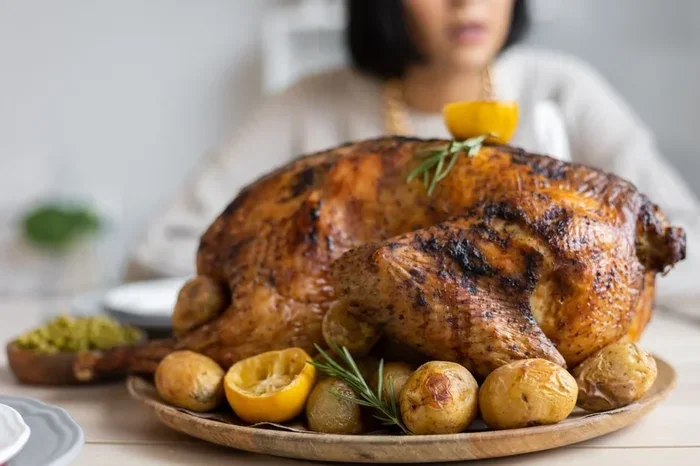
Cooking time for turkey per pound is typically 13-15 minutes per pound at 325°F for a whole turkey. Understanding the right time and temperature ensures your turkey stays moist and tender. Whether you are roasting a small breast or a large whole bird, this guide covers everything you need to know for perfect results.
Roasting a turkey can feel intimidating, especially if you have never done it before. The biggest question most cooks ask is simple: how long does it really take to cook turkey per pound? The answer depends on a few factors, but once you understand the basics, you will feel confident in the kitchen every time.
Whether you are preparing a holiday meal or a weekend family dinner, knowing the right cooking time for turkey per pound makes all the difference. A perfectly roasted turkey should be golden on the outside and juicy on the inside. This guide walks you through everything step by step so you never have to guess again.
Key Takeaways
- Standard Cooking Time: Plan for 13-15 minutes per pound at 325°F for a whole roast turkey.
- Internal Temperature Matters: Always check that the thickest part reaches 165°F for safe eating.
- Turkey Breast vs. Thigh: Breasts cook faster than thighs, so adjust your timing accordingly.
- Resting Is Essential: Let your turkey rest for 20-30 minutes after cooking for juicier meat.
- Size Affects Time: Larger turkeys take longer per pound but benefit from lower temperatures.
- Stuffed Turkeys Need Extra Time: Add about 15-30 minutes when cooking a stuffed bird.
- Use a Meat Thermometer: This is the single most reliable way to know your turkey is done.
📑 Table of Contents
- Why Cooking Time Per Pound Matters
- Turkey Cooking Time by Weight
- The Best Oven Temperature for Turkey
- Turkey Breast vs. Whole Turkey Cooking Time
- How to Tell When Your Turkey Is Done
- Tips for a Juicy and Flavorful Turkey
- Common Mistakes to Avoid
- Expert Insights on Turkey Cooking
- Quick Reference: Turkey Cooking Time Chart
- Final Thoughts on Cooking Turkey Per Pound
Why Cooking Time Per Pound Matters
Every turkey is different. The weight, shape, and whether it is stuffed all change how long it needs in the oven. Cooking by the pound gives you a reliable starting point. It helps you plan your meal and avoid serving dry or undercooked meat.
Think of it this way. A small turkey breast and a large whole bird need very different approaches. A whole turkey cooks more slowly because the heat has to reach the center. A smaller cut like a breast cooks much faster. Understanding this difference is the first step to great results.
Basic Rule of Thumb
The general guideline is 13 to 15 minutes per pound at 325°F for a whole roast turkey. This works for most standard-sized birds. But this is just a starting point. Always use a meat thermometer to confirm doneness.
Turkey Cooking Time by Weight
Different turkey sizes require different cooking approaches. Here is a practical breakdown to help you plan your meal.
Small Turkeys (8-12 Pounds)
Smaller birds cook faster and are great for smaller gatherings. An 8-pound turkey typically needs about 3 to 3.5 hours at 325°F. These birds are easier to handle and less likely to dry out if you keep an eye on them.
Medium Turkeys (12-16 Pounds)
This is the most common size for family dinners. A 12-pound bird usually takes around 4 hours, while a 16-pound turkey may need 4.5 to 5 hours. The key is maintaining a steady oven temperature and avoiding opening the door too often.
Large Turkeys (16-20 Pounds)
Bigger turkeys need more time and lower temperatures to cook evenly. A 20-pound bird could take 5 to 6 hours. The outer meat can dry out before the center is done if the temperature is too high. This is why many experts recommend starting at a higher temperature and then reducing it.
The Best Oven Temperature for Turkey
Temperature plays a huge role in your results. Most recipes call for 325°F as the standard. This temperature cooks the turkey evenly without burning the outside. But some cooks prefer a two-stage approach for the best turkey roast.
Two-Stage Roasting Method
Start your oven at 425°F for the first 30 minutes. This creates a nice golden crust. Then reduce the temperature to 325°F and continue cooking. This method gives you a crispy skin and a moist interior. It is a favorite among home cooks who want restaurant-quality results.
Why Low and Slow Works
Cooking at a lower temperature for a longer time keeps the meat tender. High heat can cause the outer layers to dry out before the inside is fully cooked. A steady 325°F gives the heat time to penetrate evenly through the bird. This is especially important for larger turkeys.
When choosing your cooking vessel, a sturdy roasting pan or non-stick pot can make cleanup easier and help distribute heat evenly around the bird.
Turkey Breast vs. Whole Turkey Cooking Time
Not all turkey cuts cook the same way. Understanding the difference between a whole bird and individual cuts saves you from overcooking or undercooking.
Whole Turkey
A whole turkey per pound calculation works well here. Plan for 13-15 minutes per pound at 325°F. The bone-in version takes slightly longer than a boneless one. Always insert the thermometer into the thickest part of the thigh without touching the bone.
Turkey Breast
A bone-in turkey breast cooks faster than a whole bird. A 6-pound breast typically needs about 2 to 2.5 hours. Boneless breasts cook even quicker, often around 1.5 to 2 hours. The breast meat dries out more easily, so keep a close watch on it.
Turkey Thighs and Drumsticks
Dark meat is more forgiving than white meat. Thighs and drumsticks can handle a slightly higher temperature and longer cooking time. Plan for about 35-40 minutes per pound for bone-in thighs. The extra fat in dark meat keeps these cuts moist and flavorful.
How to Tell When Your Turkey Is Done
Timing is a guide, not a guarantee. The only way to know your cooking turkey is truly done is by checking the internal temperature. This is the most important step in the entire process.
Using a Meat Thermometer
Insert a meat thermometer into the thickest part of the thigh. The thickest part of the breast is another key spot to check. The temperature should read 165°F in both locations. If it has not reached that yet, keep cooking and check again every 15 minutes.
Visual and Touch Tests
The juices should run clear when you pierce the thickest part. The skin should be deep golden brown. When you press the thigh, it should feel firm but spring back slightly. These signs complement the thermometer but should never replace it.
Resting Your Turkey After Cooking
Once your turkey reaches 165°F, take it out of the oven. Let it rest for 20 to 30 minutes before carving. During this time, the juices redistribute throughout the meat. This resting period makes a big difference in how moist and tender each slice turns out. Skipping this step is one of the most common mistakes home cooks make.
While your turkey rests, you can use the time to prepare sides or set the table. A well-rested turkey is far easier to carve and much more enjoyable to eat.
Tips for a Juicy and Flavorful Turkey
Cooking time is only one part of the equation. How you prepare and season your turkey matters just as much. These practical tips help you achieve the best possible results.
Brine Your Turkey Overnight
Brining adds moisture and flavor deep into the meat. A simple brine of salt, sugar, and water works wonders. Submerge the turkey in the brine for 12 to 24 hours before cooking. This step is especially helpful for leaner breast meat that tends to dry out.
Do Not Overstuff the Cavity
If you are stuffing your turkey, pack the cavity loosely. Tight packing slows down heat penetration and increases cooking time unevenly. The stuffing should reach 165°F as well, so make sure it is fully cooked before serving.
Use Kitchen Safety Gear
Handling a large, hot turkey can be tricky. Protect your hands and forearms with heat-resistant arm sleeves when moving the roasting pan in and out of the oven. Safety in the kitchen should always come first.
Let the Turkey Come to Room Temperature
Take the turkey out of the refrigerator about 1 hour before cooking. A room-temperature bird cooks more evenly than a cold one. This simple step can shave off some cooking time and improve the final result.
Baste Every 45 Minutes
Basting keeps the surface moist and promotes even browning. Use the pan juices and spoon them over the turkey every 45 minutes or so. This small effort adds up to a beautifully glazed and flavorful bird.
Common Mistakes to Avoid
Even experienced cooks make errors when roasting turkey. Knowing what to avoid saves time, money, and a lot of frustration.
- Skipping the thermometer: Relying on time alone often leads to dry or undercooked turkey.
- Cooking at too high a temperature: This burns the outside before the inside is done.
- Not letting the turkey rest: Cutting too soon releases all the juices and dries out the meat.
- Overcooking the breast: White meat dries out faster than dark meat. Pull the turkey when the breast reaches 160°F and let carryover cooking bring it to 165°F.
- Opening the oven door too often: Each time you open the door, the temperature drops and cooking time increases.
When setting up your kitchen workspace, make sure your counters are protected. A quality set of heat-resistant mats keeps your surfaces safe from hot pans and spills during the busy holiday cooking rush.
Expert Insights on Turkey Cooking
Professional chefs and cooking experts agree on a few key principles that elevate turkey from good to great. These insights come from years of experience and testing.
Start with a dry bird. Pat the turkey completely dry with paper towels before seasoning. Dry skin crisps up better in the oven. This one simple step makes a noticeable difference in your final result.
Butter under the skin. Gently loosen the skin over the breast and rub softened butter directly onto the meat. This adds incredible flavor and moisture. It is a technique used by chefs in fine dining kitchens.
Use a wire rack. Elevating the turkey on a rack inside the roasting pan allows hot air to circulate underneath. This promotes even cooking and crispier skin on all sides. It is a small change that delivers big results.
For those who love experimenting in the kitchen, having the right tools makes a difference. A reliable cookware set ensures even heat distribution whether you are roasting, braising, or preparing side dishes alongside your turkey.
Quick Reference: Turkey Cooking Time Chart
Here is a quick reference chart to keep handy when planning your next meal:
- 8-12 lb turkey: 13-15 minutes per pound, about 3-3.5 hours total
- 12-16 lb turkey: 13-15 minutes per pound, about 4-5 hours total
- 16-20 lb turkey: 13-15 minutes per pound, about 5-6 hours total
- Turkey breast (6 lb): About 2-2.5 hours at 325°F
- Turkey thighs (2 lb each): About 1.5 hours at 375°F
Remember that these times are estimates. Always rely on your meat thermometer for the most accurate results. Every oven is slightly different, and every turkey is unique.
Final Thoughts on Cooking Turkey Per Pound
Cooking the perfect turkey is easier than you think once you understand the basics. The key is knowing your cooking time for turkey per pound, keeping the oven at the right temperature, and always using a meat thermometer. These three things alone will transform your turkey from ordinary to outstanding.
Take your time in the kitchen. Do not rush the process. A great turkey rewards patience and attention to detail. Whether you are cooking for a holiday gathering or a quiet family dinner, these tips will help you serve a meal everyone remembers.
Prepare ahead, follow the guidelines in this guide, and enjoy the confidence that comes with knowing exactly how long to cook your turkey. Your next roast will be the best one yet.
Frequently Asked Questions
How long does it take to cook a 12-pound turkey?
A 12-pound turkey typically takes about 4 to 4.5 hours at 325°F. This is based on the standard 13-15 minutes per pound guideline. Always verify doneness with a meat thermometer to be safe.
What is the best temperature to cook a turkey?
325°F is the recommended temperature for roasting a whole turkey. Some cooks start at 425°F for 30 minutes and then reduce to 325°F for even browning and moisture retention. The internal temperature should reach 165°F in the thickest parts.
Does stuffing a turkey increase cooking time?
Yes, stuffing adds about 15 to 30 minutes to the total cooking time. The stuffing must also reach 165°F for food safety. Pack the cavity loosely to allow heat to circulate properly.
How long should you let a turkey rest after cooking?
Let your turkey rest for 20 to 30 minutes after removing it from the oven. This allows the juices to redistribute, making the meat much juicier and easier to carve. Tent the turkey loosely with foil during resting.
Can you cook turkey at a higher temperature to save time?
You can, but it increases the risk of drying out the meat. Higher temperatures cook the outside faster while the inside may still be undercooked. Stick to 325°F for the most reliable and evenly cooked results.
How do you know if a turkey is fully cooked without a thermometer?
The juices should run clear when you pierce the thickest part of the thigh. The meat should feel firm when pressed. However, a meat thermometer is the only truly reliable method. Always aim for 165°F in the thickest part of both the breast and thigh.