
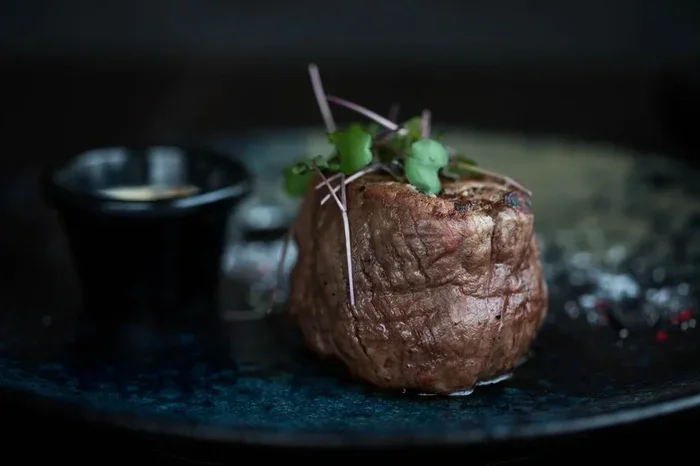
Cooking filet mignon in oven is simpler than you think and delivers restaurant-quality results at home. This guide walks you through every step, from seasoning and searing to nailing the perfect internal temperature. You will learn how to get a tender, juicy filet mignon with a beautiful crust using just your oven and a skillet.
Key Takeaways
- Oven temperature matters: Cooking filet mignon in oven at the right heat ensures a perfect sear and even cook.
- Rest your steak: Letting the meat rest after cooking keeps the juices locked in for maximum tenderness.
- Use a meat thermometer: This is the single best tool for hitting the exact doneness you want every time.
- Cast iron is king: A cast iron skillet gives the best sear before transferring to the oven.
- Season simply: Salt, pepper, and garlic butter are all you need for a standout filet mignon.
- Timing varies by thickness: Thicker cuts need lower heat and longer cook times for even results.
📑 Table of Contents
- Why Cooking Filet Mignon in Oven Works So Well
- Choosing the Right Filet Mignon
- Tools and Equipment You Will Need
- How to Cook Filet Mignon in Oven Step by Step
- Internal Temperatures and Doneness Levels
- Adding Flavor: Butter and Herb Finishes
- Common Mistakes to Avoid
- Serving Suggestions and Side Dishes
- How to Store and Reheat Leftover Steak
- Final Thoughts
Why Cooking Filet Mignon in Oven Works So Well
Filet mignon is one of the most prized cuts of beef. It comes from the smaller end of the tenderloin. This means it is naturally tender and lean. When you cook filet mignon in oven, you get consistent heat all around the meat. That leads to an even cook from edge to center.
Many people think steak belongs only on the stovetop. But using your oven gives you more control. You can sear the outside on the stove. Then finish it gently in the oven. This method is called the pan-sear and oven finish technique. It works beautifully for thick-cut steaks.
The oven method also frees up your stovetop. You can cook sides while the steak finishes. Whether you are feeding a crowd or just treating yourself, this approach is easy and forgiving. Even beginner cooks can nail it.
Choosing the Right Filet Mignon
Not all filet mignon steaks are created equal. Here is what to look for when you pick yours up at the store or butcher.
Thickness Matters
Go for steaks that are at least 1.5 inches thick. Thinner cuts can overcook quickly in the oven. A thicker cut gives you more room for error. It also lets you build a great crust without burning the inside.
Color and Marbling
Look for a deep red color. There should be thin white streaks of fat running through the meat. This is called marbling. More marbling means more flavor and juiciness. A beef tenderloin recipe with good marbling will always outperform a lean, dull-looking cut.
Bring It to Room Temperature
Take your steak out of the fridge 30 to 45 minutes before cooking. This lets it come closer to room temperature. Cold meat cooks unevenly. A warm starting point means a more tender juicy steak from edge to center.
Tools and Equipment You Will Need
You do not need a lot of fancy gear to cook filet mignon in oven well. Here are the essentials:
- Cast iron skillet: This is the best pan for searing steak. It holds heat beautifully and creates an even crust.
- Meat thermometer: This is non-negotiable. It takes the guesswork out of checking doneness.
- Oven-safe skillet: If you do not have cast iron, make sure your skillet is safe for oven use.
- Tongs: You need these for flipping the steak without piercing it.
- Aluminum foil: This helps you rest the steak and keep it warm.
You might also want oven-safe cookware if your skillet is not naturally oven-safe. Check the handle and base materials before you put it in a hot oven. Using the wrong pan can damage your cookware or even cause safety issues.
How to Cook Filet Mignon in Oven Step by Step
Now let us get into the actual cooking process. Follow these steps and you will have a stunning steak every single time.
Step 1: Season the Steak
Keep it simple. Pat the steak dry with paper towels. This helps the crust form better. Then season generously with coarse salt and freshly ground black pepper. Press the seasoning into both sides with your hands. You can also add a pinch of garlic powder or smoked paprika for extra flavor.
Step 2: Preheat the Oven
Set your oven to 400°F (200°C). Let it fully preheat before the steak goes in. A hot oven ensures the steak starts cooking the moment it enters. This is key for getting a perfect oven-baked steak with a pink center.
Step 3: Sear on the Stovetop
Place your cast iron skillet over high heat. Add a thin layer of oil with a high smoke point. Olive oil works, but avocado oil or vegetable oil is even better. Once the oil is shimmering and just starting to smoke, lay the steak in the pan. Do not move it. Let it sear for about 2 to 3 minutes per side. You want a deep golden-brown crust.
Step 4: Finish in the Oven
Transfer the skillet directly into the preheated oven. Cook for about 8 to 12 minutes depending on thickness. This is where the oven temperature for steak really matters. At 400°F, the heat circulates evenly and cooks the steak gently. Use your meat thermometer to check the internal temperature.
Step 5: Rest the Steak
Remove the steak from the oven and place it on a cutting board. Cover it loosely with foil. Let it rest for at least 5 to 8 minutes. This step is crucial. The juices inside the steak redistribute as it cools slightly. Cutting too early means those juices run out onto the board instead of staying in the meat.
Think of it like this: the steak is a sponge full of juice. When it is hot, the juices are pushed to the center. Resting lets them spread back out evenly. The result is a much more juicy, flavorful bite every time.
Internal Temperatures and Doneness Levels
Knowing your target temperature is the secret to perfect doneness every time. Here is a quick reference guide:
- Rare: 120°F to 125°F — very red and cool in the center
- Medium Rare: 130°F to 135°F — warm red center, the most popular choice
- Medium: 140°F to 145°F — pink center with a hint of warmth
- Medium Well: 150°F to 155°F — slight pink, mostly gray-brown
- Well Done: 160°F and above — fully cooked through
Most people prefer their filet mignon at medium rare. This is where the steak is the most tender and juicy. The heat from the oven gently brings the steak up to temperature without drying it out. Always pull the steak a few degrees early. The temperature will rise another 5 degrees during resting. This is called carryover cooking, and it makes a big difference.
Adding Flavor: Butter and Herb Finishes
A plain filet mignon is already delicious. But a simple finishing touch can take it to the next level. Try this classic filet mignon with butter method:
- After searing the steak, add a tablespoon of butter to the hot skillet.
- Toss in a few sprigs of fresh thyme and a crushed garlic clove.
- As the butter foams and turns nutty, spoon it over the steak while it finishes in the oven.
- This adds richness and aroma that pairs beautifully with the mild flavor of filet mignon.
This technique is similar to how braised ribs in oven build flavor through fat and aromatics. The butter baste keeps the surface moist while the oven does the gentle work of bringing the steak to perfect doneness.
Common Mistakes to Avoid
Even experienced cooks make mistakes with oven steak. Here are the ones to watch out for:
- Skipping the sear: The oven alone cannot create a crust. Always sear first on the stovetop for the best flavor and texture.
- Cooking from cold: A fridge-cold steak cooks unevenly. Always let it warm up first.
- Overcooking: Filet mignon is lean. It dries out fast if you leave it too long. Use a thermometer and pull it early.
- Cutting too soon: Resting is not optional. Skipping this step ruins the juiciness.
- Using the wrong oil: Butter burns at high heat. Use an oil with a high smoke point for searing.
One mistake that surprises people is not preheating the skillet. A cold pan means the steak steams instead of sears. Always heat the pan until it is ripping hot before the steak goes in. This is the same principle used when you reheat crab legs in oven or cook sausage in oven at 400 — high heat at the start creates the best results.
Serving Suggestions and Side Dishes
Filet mignon is rich and elegant. It pairs well with simple sides that let the steak shine. Here are some ideas:
- Crispy roasted potatoes: Toss baby potatoes with olive oil, salt, and rosemary. Roast them in the oven while the steak rests.
- Garlic butter green beans: Sauté fresh green beans in butter with minced garlic. Quick and delicious.
- Creamy mashed potatoes: A classic pairing that adds comfort to every bite.
- Simple salad: A light arugula salad with lemon vinaigrette cuts through the richness of the steak.
For a complete meal, you can also heat up casseroles in oven or warm up a side dish while your steak rests. The oven is doing double duty, which makes dinner prep easier and more efficient.
How to Store and Reheat Leftover Steak
Filet mignon does not make leftovers often, but sometimes it happens. Here is how to handle it properly:
Store cooked steak in an airtight container in the fridge for up to 3 days. To reheat, place it in a low oven at 250°F for about 10 minutes. This gentle approach keeps the steak from drying out. You can also use an air fryer oven for quick reheating. Just keep the temperature low and check it often.
The goal is to warm the steak without cooking it further. Nobody wants rubbery leftover steak. A low and slow approach is always the way to go.
Final Thoughts
Cooking filet mignon in oven is one of the most rewarding things you can do in the kitchen. It is straightforward, forgiving, and produces incredible results. The combination of a hot stovetop sear and gentle oven finish creates a steak that is crispy on the outside and perfectly pink on the inside.
Remember to bring your steak to room temperature first. Sear it hard in a cast iron skillet. Finish it in a preheated 400°F oven. Use a meat thermometer to hit your target doneness. And always let it rest before cutting. Follow these steps and you will serve a restaurant-quality tender juicy steak right at home.
Once you master this method, you will never go back to ordering steak at a restaurant. The oven method is reliable, simple, and consistently delivers. Give it a try this week and taste the difference for yourself.
Frequently Asked Questions
What temperature should I cook filet mignon in the oven?
Preheat your oven to 400°F (200°C). This temperature works well for most filet mignon steaks, especially those that are 1.5 to 2 inches thick. It provides enough heat to finish cooking evenly without drying out the meat. Always use a meat thermometer to check for your desired doneness.
How long should I cook filet mignon in the oven?
For a 1.5-inch thick steak cooked at 400°F, plan on about 8 to 12 minutes in the oven after searing. Thicker cuts may need a few extra minutes. The best guide is always the internal temperature, not the clock time. Pull the steak when it is a few degrees below your target since carryover cooking will raise the temperature during resting.
Do I need to sear filet mignon before putting it in the oven?
Yes, searing is highly recommended. A hot cast iron skillet creates a flavorful crust through the Maillard reaction. This browning adds depth and complexity that the oven alone cannot achieve. The sear also locks in juices, giving you a more tender juicy steak result.
Can I use a regular baking sheet instead of a cast iron skillet?
You can, but results will not be the same. Cast iron retains and distributes heat much better than a regular baking sheet. This means a superior sear and more even cooking. If you do not have cast iron, use the heaviest oven-safe skillet you have available. Avoid thin pans that lose heat when the cold steak hits the surface.
How do I know when my filet mignon is done?
The most reliable method is using an instant-read meat thermometer inserted into the thickest part of the steak. Check the temperature after removing the steak from the oven, as the temperature will continue to rise during resting. Aim for 130°F to 135°F for medium rare, which is the sweet spot for most filet mignon lovers.
Can I cook frozen filet mignon in the oven?
It is best to thaw the steak first for even cooking and the best texture. If you must cook from frozen, lower the oven temperature to 350°F and increase the cooking time significantly. The steak will cook unevenly otherwise, with a well-done exterior and a raw center. Planning ahead and thawing overnight in the fridge is always the better choice.



