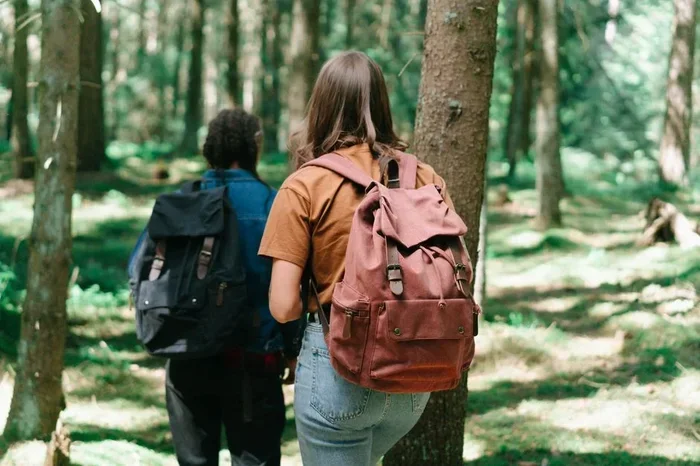
Choosing the right backpack starts with knowing your trip type, pack size, and comfort needs. Whether you are hitting the trails or traveling the world, the perfect pack balances capacity, weight, and fit. This guide walks you through every key factor so you can pick with confidence.
Every great adventure starts with the right gear. And at the top of that gear list sits your backpack. Whether you are planning a weekend day hike or a week-long camping trip, picking the right pack can make or break your experience. A poorly fitted backpack will ruin your shoulders and back by mile two. But the right one feels like a second skin, letting you move freely and enjoy the journey.
So how do you choose a backpack that actually works for you? This guide breaks it all down in simple terms. We cover size, features, fit, and budget so you can shop with confidence. No jargon, no fluff, just practical advice you can use today.
Key Takeaways
- Match pack size to your trip: day hikes need 20-35 liters while multi-day trips require 50-70 liters.
- Prioritize fit and comfort: torso length and hip belt placement matter more than brand name.
- Material and weather resistance protect your gear: look for durable, water-resistant fabrics.
- Compartment layout affects organization: multiple pockets help you access essentials quickly.
- Try before you buy: always load test a backpack with weight before committing.
- Budget wisely: great backpacks exist at every price point with the right research.
📑 Table of Contents
Why Choosing the Right Backpack Matters
A backpack is more than a bag. It is your mobile home on the trail. It carries your food, water, shelter, and everything else you need. When your pack fits well, you forget it is even there. When it does not, every step becomes a reminder.
The wrong backpack causes blisters, sore shoulders, and bad posture. Over time, this can lead to real injuries. The right backpack distributes weight properly across your hips and shoulders. It keeps you balanced and comfortable, even on steep terrain. That is why taking the time to choose wisely matters so much.
Determine Your Trip Type and Pack Size
Before you look at any packs, ask yourself one question. What kind of trip are you planning? Your answer determines everything else.
Day Hikes and Short Outings
For trips under 12 hours, you need a daypack. These range from 20 to 35 liters. They carry water, snacks, a first aid kit, and a rain layer. Look for lightweight options with breathable back panels. You do not want a heavy pack weighing you down on a short trail.
Weekend and Overnight Trips
For one to three nights, aim for 35 to 50 liters. This size fits a sleeping bag, tent, cooking stove, and extra clothing. Backpack size in this range gives you room without excess bulk. Many hikers love packs in the 40-liter range for weekend adventures.
Multi-Day and Thru-Hikes
Trips lasting four or more days need serious capacity. Look at 50 to 70 liters for extended backpacking trips. These packs carry food for several days, cooking gear, and extra layers. They also feature better suspension systems for heavy loads. If you plan a long thru-hike, invest in a quality hiking backpack with adjustable torso length.
Travel and Urban Use
Not all adventures happen on trails. Travel backpacks typically run 40 to 65 liters. They feature laptop sleeves, lockable zippers, and sleek designs. These packs work great for city trips and international travel. Choose one that balances capacity with mobility.
Understand Backpack Features and Construction
Once you know your size, it is time to dig into features. Not all packs are built the same way. Here is what to look for.
Frame Type
Backpacks come with three main frame types. Internal frame packs sit close to your back and offer great stability. They work well for hiking and uneven terrain. External frame packs are older designs with a visible metal frame. They excel at carrying very heavy loads but feel bulky. Frame backpack designs with flexible rods offer a middle ground. They provide structure without the rigid feel.
Material and Durability
Look for packs made from ripstop nylon or Cordura. These fabrics resist tears and abrasions. Backpack material quality directly affects how long your pack lasts. Heavier fabrics tend to be more durable but add weight. Find the right balance for your needs. For wet climates, choose packs with coated or laminated fabrics.
Compartment Layout
How your pack is organized matters a lot. Top-loading packs open from the top like a barrel. They work well for camping but are harder to access mid-hike. Panel-loading packs open like a suitcase, giving you full access. Backpack compartments should include a main section, a front pocket, and side pockets for water bottles. Some packs also have a dedicated sleeping bag compartment at the bottom.
Ventilation and Comfort
A sweaty back is miserable on long hikes. Look for packs with ventilation back panel systems. These create space between your back and the pack fabric. Mesh channels let air flow through and keep you cool. Padded shoulder straps and a cushioned hip belt add comfort during long days on the trail.
Weather Protection
Rain happens when you least expect it. A waterproof backpack or at least a water-resistant one protects your gear. Some packs come with built-in rain covers. Others use coated fabrics that shed light moisture. For serious wet conditions, line your pack with a waterproof stuff sack.
Focus on Fit and Adjustability
Size alone does not make a backpack comfortable. Fit is everything. A perfectly sized pack that does not fit your body will still cause pain. Here is how to get the right fit.
Torso Length
Measure your torso length from the base of your neck to the top of your hip bones. This measurement determines which pack size works for you. Most brands offer packs in small, medium, and large torso lengths. A pack that is too long will dig into your shoulders. One that is too short will not transfer weight to your hips properly.
Hip Belt Positioning
The hip belt carries up to 80 percent of your pack weight. It should sit on your hip bones, not your waist. Adjust the belt so it wraps snugly around your hips. When loaded with weight, you should feel the pressure on your hips, not your shoulders. This is the single most important fit factor in any pack.
Shoulder Straps and Load Lifters
Shoulder straps should wrap comfortably over your shoulders without gapping. Load lifter straps angle the pack closer to your body. They help transfer weight from your shoulders to your hips. Adjust these straps until the pack feels balanced and stable.
Load Distribution
Proper load distribution keeps you stable on uneven ground. Heavy items should sit close to your back and between your shoulder blades. Lightweight gear goes toward the bottom and away from your body. This keeps your center of gravity balanced and reduces fatigue.
Set a Realistic Budget
Backpacks range from budget-friendly options under $50 to premium models over $300. You do not need to spend a fortune, but you also should not cheap out entirely.
For casual day hikes, a $50 to $80 pack works great. Weekend backpackers should budget $100 to $200 for solid quality. Serious hikers and thru-hikers benefit from spending $200 or more on a hiking backpack with advanced suspension and durable materials.
Remember that a good pack lasts for years. Think of it as an investment in your comfort and safety. Read reviews, compare options, and do not rush the decision.
Practical Tips for Choosing and Testing
Shopping for a backpack is not like buying a t-shirt. You need to test it properly. Here are some tips that make a real difference.
- Load test every pack: Fill it with weight before buying. Walk around the store for at least 10 minutes.
- Try packs on in person: Online shopping is convenient, but fit is personal. Visit a store when possible.
- Bring your own gear: Pack your actual sleeping bag, tent, and stove when testing. Your gear has specific dimensions.
- Walk on an incline: Use the store’s stairs or ramp. This tests how the pack handles slopes.
- Check the return policy: Buy from retailers with generous return policies. This gives you a safety net.
One thing many people overlook is meal planning on the trail. If you are heading out for a multi-day trip, you need a pack that can handle your cooking gear. For example, if you plan to brew coffee at camp, a stove top percolator takes up space, so factor that into your pack size. Similarly, think about how you will prepare meals outdoors. If you are marinating or tenderizing meat at camp, techniques like tenderizing meat naturally require extra tools and space in your pack.
Organization also matters more than people think. When you pack efficiently, you find what you need without unpacking everything. Think about how you would pack a knife set for camping. Just like you would carefully pack a knife block to protect the blades and save space, you should organize your backpack with purpose. Use stuff sacks, compression straps, and designated pockets to keep everything in its place.
Finally, do not forget about outdoor cooking prep. Greasing a pan without excess oil saves weight and mess. Techniques like greasing a pan without oil or butter are great for lightweight camping. The less you carry, the more comfortable your hike will be.
Common Mistakes to Avoid
Even experienced hikers make backpack mistakes. Here are the ones to watch out for.
- Buying too large: A bigger pack does not mean better. Excess space means extra weight and poor organization.
- Ignoring torso length: Pack size and torso length are different. Always match both to your body.
- Overpacking: Every extra pound adds up fast. Pack only what you need and leave the rest behind.
- Skipping the hip belt: Shoulder straps alone cannot handle heavy loads. Always use and adjust the hip belt.
- Choosing style over function: A pretty pack is useless if it does not fit well or carry weight comfortably.
Expert Insights on Backpack Selection
Experienced backpackers agree on a few key principles. First, comfort trumps features every time. A pack with fewer features but a perfect fit beats a loaded-down pack that does not fit your body. Second, break in your new pack before a big trip. Wear it on several short walks to identify pressure points. Third, repack and reorganize after every trip. Learn what worked and what did not. Over time, you will develop a packing system that feels natural and efficient.
Seasoned hikers also recommend thinking about your entire outdoor gear system as one unit. Your backpack, tent, sleeping bag, and cooking equipment all work together. When each piece complements the others, your overall load feels lighter and more manageable.
Final Thoughts
Choosing the right backpack does not have to be overwhelming. Start with your trip type and pack size. Then focus on fit, features, and budget. Take the time to load test and adjust before you hit the trail. A well-chosen backpack transforms your adventure from stressful to unforgettable.
The best pack is the one that fits your body, carries your gear, and matches your adventure style. Use this guide as your starting point. Trust your instincts, try on multiple options, and you will find the perfect match. Happy trails and safe travels on your next adventure.
Frequently Asked Questions
What size backpack do I need for a day hike?
A daypack between 20 and 35 liters is ideal for most day hikes. This size holds water, snacks, a first aid kit, and extra layers. Choose a lightweight pack with good ventilation for maximum comfort.
How do I measure my torso length for a backpack?
Have someone measure from the base of your neck (C7 vertebra) to the top of your hip bones. This measurement determines your torso size, which is more important than your overall height. Most outdoor stores can help you measure accurately.
Can I use a travel backpack for hiking?
You can, but travel packs are not optimized for trail use. They often lack proper hip belts, ventilation, and load distribution systems. For serious hiking, choose a pack designed specifically for the trail.
How much should I spend on a backpack?
Budget $50 to $80 for day packs and $100 to $200 for weekend hiking packs. Multi-day and thru-hike packs range from $200 to $400. Spending more gets you better materials and suspension, but solid options exist at every price point.
What is the difference between internal and external frame packs?
Internal frame packs sit close to your back and offer better stability for uneven terrain. External frame packs have a visible metal frame and excel at carrying very heavy loads. Most modern hikers prefer internal frame packs for their comfort and versatility.
How do I keep my backpack dry in the rain?
Choose a water-resistant pack or use a built-in rain cover. You can also line your pack with a waterproof stuff sack. Pack sensitive gear in dry bags for extra protection during wet conditions.
=== CONCLUSION ===
Finding the right backpack is a journey in itself. But with the right knowledge, you can make the process simple and fun. Focus on fit, choose the right pack size for your trip, and invest in quality features that match your adventure style. A great backpack supports you for years and makes every outing more enjoyable.
Now you have the tools and confidence to choose the perfect pack. Get out there, explore new trails, and let your backpack carry you through every adventure. The right pack makes all the difference.