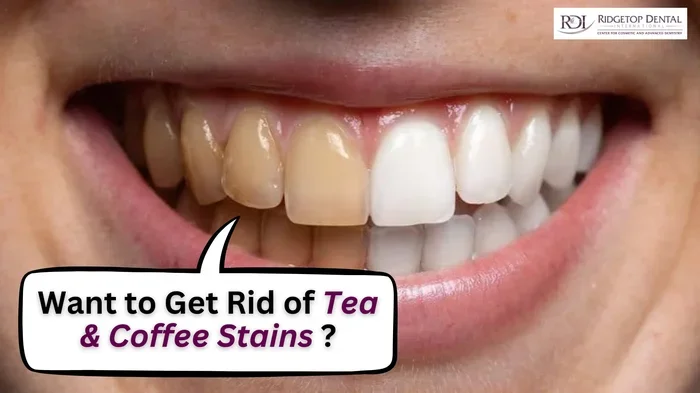
Drinking your favorite morning brew does not have to ruin your smile. Learning how to keep coffee from staining teeth is easier than you think. Small daily habits like rinsing with water, using a straw, and brushing at the right time can make a big difference. You can protect your enamel and keep your smile bright without giving up your daily cup.
Coffee brings comfort, energy, and a little quiet moment to busy mornings. It also brings dark pigments that love to cling to tooth enamel. If you have ever noticed a yellowish tint after months of daily sipping, you are not alone. The good news is that you do not need to quit your favorite drink to protect your smile. With a few simple habits, you can enjoy every cup while keeping your teeth looking clean and bright.
Many people worry that coffee will permanently dull their smile. That fear is understandable, but the reality is much more manageable. Surface stains build up slowly, and surface stains can be slowed down or washed away with the right routine. In this guide, you will learn practical ways to reduce discoloration, protect enamel, and keep your daily coffee ritual guilt-free.
Key Takeaways
- Rinse with water: Swishing water right after drinking coffee washes away tannins before they settle on enamel.
- Use a straw: Sipping through a reusable straw reduces direct contact between dark liquid and front teeth.
- Wait to brush: Waiting thirty minutes after coffee prevents enamel abrasion while acids are still soft.
- Choose lighter roasts: Lighter blends contain fewer dark pigments that cling to tooth surfaces.
- Add dairy or plant milk: Milk proteins bind to staining compounds and reduce how much sticks to teeth.
- Keep up with cleanings: Regular professional cleanings remove surface stains that home care misses.
- Stay consistent: Simple daily habits work better than occasional intense whitening routines.
📑 Table of Contents
- Why Coffee Stains Teeth in the First Place
- Simple Daily Habits That Make a Big Difference
- Choosing and Preparing Coffee to Reduce Stains
- Smart Sipping and Timing Strategies
- Supporting Your Teeth With Good Oral Care
- When Stains Go Deeper and What to Do
- Quick Tips for Coffee Lovers Who Want a Brighter Smile
- Common Mistakes That Make Staining Worse
- Expert Insights for Long-Term Smile Care
- Final Thoughts on How to Keep Coffee from Staining Teeth
Why Coffee Stains Teeth in the First Place
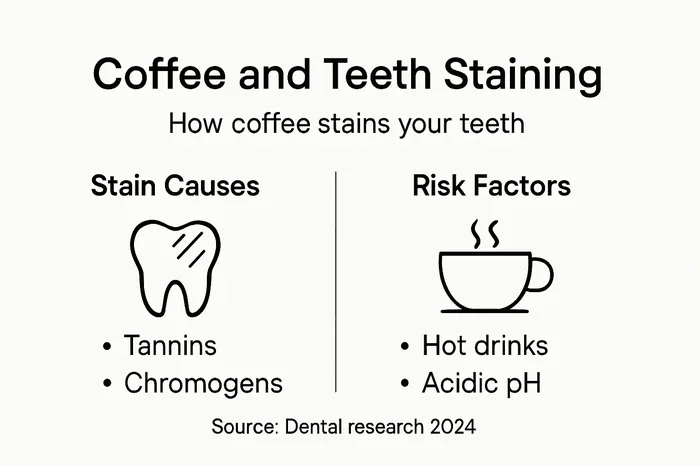
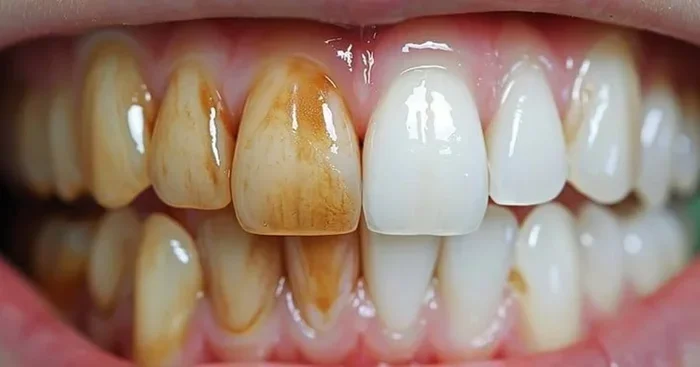
Coffee contains natural compounds called tannins. These compounds give coffee its rich color and slightly bitter taste. They also love to stick to the outer layer of your teeth. When tannins settle on enamel, they create the yellowish or brownish look that many coffee drinkers notice over time.
Acidity plays a role too. Coffee is mildly acidic, and acid temporarily softens enamel. When enamel is softer, staining compounds attach more easily. This is why frequent sipping throughout the day can cause more buildup than drinking a cup quickly. The longer the liquid stays in contact with your teeth, the more time pigments have to settle.
Temperature also matters. Hot coffee can make enamel slightly more porous for a short time. That does not mean your teeth are damaged, but it does mean that stains may cling a bit faster right after a hot sip. This is one reason quick rinsing and smart sipping habits make such a noticeable difference.
The Role of Tannins and Pigments
Tannins are plant-based compounds found in tea, wine, and coffee. They bind well to surfaces, which is why they leave behind color. Dark roast coffee usually contains more visible pigments than lighter roasts. The deeper the color of the brew, the more likely it is to leave a mark on enamel.
It helps to think of stains like dust on a shelf. Dust builds up slowly, and regular wiping keeps it under control. Your teeth work the same way. Daily rinsing, good brushing, and smart drinking habits keep pigment buildup low. You do not need perfection. You just need consistency.
How Enamel and Acidity Interact
Enamel is the hard outer shell of your tooth. It is strong, but it is not indestructible. Acidic drinks can soften it briefly. When enamel is softened, it becomes easier for pigments to latch on. This is why people who sip coffee slowly over several hours often see more staining than people who drink it in one sitting.
Saliva helps protect enamel by washing away acids and food particles. If your mouth feels dry, stains may build up faster. That is why hydration matters. Drinking water alongside coffee supports saliva flow and helps your mouth stay balanced.
Common Drinking Habits That Increase Staining
A few everyday habits can make staining worse without you realizing it. These include:
- Sipping coffee slowly for hours
- Holding the liquid in your mouth before swallowing
- Adding sugary syrups that cling to teeth
- Drinking coffee right before bed without rinsing
- Skipping water between cups
These habits are easy to adjust. Small changes can reduce how much pigment stays on your teeth each day.
Simple Daily Habits That Make a Big Difference
You do not need a complicated routine to protect your smile. Most effective habits are quick, easy, and fit naturally into your day. The goal is to reduce contact time, wash away pigments, and support enamel health.
Visual guide about Coffee cups teeth staining
Image source: csuxjmfbwmkxiegfpljm.supabase.co
One of the easiest habits is drinking water after coffee. A quick swish or a full glass of water helps clear tannins from the mouth. If you drink coffee at work or while driving, keep a water bottle nearby. This tiny habit can reduce buildup over time.
Another helpful habit is using a straw. A straw directs the liquid past your front teeth and toward the back of the mouth. That means fewer stains on the teeth people see when you smile. Reusable straws are easy to carry and simple to clean.
Rinsing With Water After Every Cup
Water is one of the best tools for stain prevention. It does not taste like anything, it is always available, and it works quickly. After finishing your coffee, take a moment to swish water around your mouth. This loosens pigments before they settle.
If you want a stronger effect, drink a full glass of water after your cup. This helps wash the mouth more thoroughly and supports saliva production. Saliva is your mouth’s natural cleaning system, so keeping it flowing is a smart move.
Using a Straw to Reduce Front Tooth Stains
A straw may feel odd for hot coffee at first, but it is very effective. It reduces the amount of liquid that touches the front teeth. That is especially useful if you care most about the appearance of your smile.
If you use a straw, place it toward the back of your mouth. This keeps the coffee away from the visible teeth as much as possible. Also, choose a straw that is easy to clean so you can use it daily without hassle.
Waiting Before You Brush
Brushing right after coffee may feel like the right move, but timing matters. Coffee is acidic, and acid softens enamel for a short period. Brushing immediately can wear enamel down while it is in a softer state. A short wait is safer and gentler.
Try waiting about thirty minutes before brushing. In the meantime, rinse with water. This gives enamel time to reharden while still clearing away staining compounds. The result is a cleaner smile with less risk of abrasion.
Choosing and Preparing Coffee to Reduce Stains
Not all coffee affects teeth in the same way. Brew strength, roast level, and additives all change how much staining you may see. If you want to reduce discoloration, you can adjust what you drink and how you prepare it.
Visual guide about Coffee cups teeth staining
Image source: walkinfamilydental.ca
Lighter roasts usually contain fewer dark pigments than very dark roasts. That does not mean you must switch to a pale brew forever. It simply means that if staining is a major concern, roast level is worth considering. Many people find a medium roast offers a good balance of flavor and stain control.
Brew method also matters. Stronger, more concentrated coffee often leaves more pigment behind. If you love espresso, you do not have to give it up. Just be extra consistent with rinsing and water intake after drinking it.
Lighter Roasts and Brew Strength
Dark coffee tends to look more intense on teeth because it contains more visible color compounds. Lighter roasts can still stain, but often less noticeably. If you enjoy a bold cup, you can keep it and simply add better rinsing habits to your routine.
Brew strength is another factor. A very strong cup contains more dissolved solids, which means more pigment in every sip. If you brew at home, try adjusting the coffee-to-water ratio slightly. A milder brew can taste smoother and may leave fewer marks on enamel.
Adding Milk or Plant-Based Alternatives
Milk can help reduce staining for an interesting reason. The proteins in milk can bind to tannins and reduce how much attaches to teeth. This does not erase staining completely, but it can lower the effect. Dairy milk works well for many people, and some plant-based milks can offer a similar benefit.
If you prefer black coffee, that is fine too. You can still protect your teeth with rinsing, straw use, and good oral care. The key is to choose a routine that fits your taste and your lifestyle.
Watching Out for Sugary Additives
Syrups, sweet creams, and flavored additives can make coffee taste amazing, but they can also leave a sticky layer on teeth. Sticky residues can trap pigments and make stains more likely. If you enjoy sweet coffee, try to rinse afterward or brush later in the day.
A few simple swaps can help:
- Use less syrup and more natural sweetness
- Choose simpler creamers with fewer sticky additives
- Rinse after flavored drinks
- Drink water between sweetened cups
Smart Sipping and Timing Strategies
How you drink coffee can matter just as much as what you drink. Timing, pace, and pairing all influence how much staining occurs. If you adjust your routine a little, you can keep your coffee habit and still protect your smile.
Visual guide about Coffee cups teeth staining
Image source: sunnydaydental.com
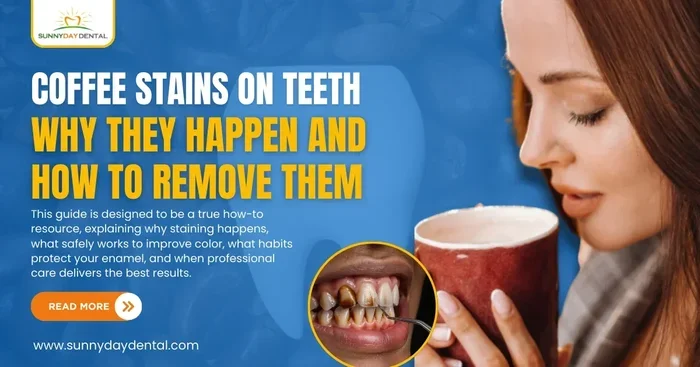
One helpful strategy is to drink coffee in defined sittings instead of grazing on it all day. Constant sipping keeps your teeth in contact with pigments for longer periods. Finishing your cup within a reasonable window reduces that contact time.
Another useful strategy is pairing coffee with water. Take a sip of water between coffee sips, or drink water before and after your cup. This keeps your mouth cleaner and supports saliva flow.
Drinking Water Alongside Coffee
Water is a simple companion to coffee, and it works well. It helps dilute the effect of acids, supports saliva, and washes away loose pigments. If you drink coffee at your desk, keep a glass of water nearby and take occasional sips.
This habit is especially helpful if you tend to drink coffee slowly. The water does not ruin the coffee experience. It simply gives your mouth a reset between sips.
Avoiding Long Sipping Sessions
Long sipping sessions are one of the biggest contributors to staining. When coffee stays in the mouth for a long time, pigments have more chances to settle. If you enjoy lingering over a warm mug, try to finish it within a set time and then switch to water.
You can still enjoy the ritual. Just keep the coffee portion shorter and follow it with a rinse or a glass of water. That small change can reduce visible buildup over time.
Timing Your Coffee Around Oral Care
Timing matters when it comes to brushing and coffee. If you drink coffee first thing in the morning, rinse with water and wait before brushing. If you drink coffee after a meal, you may already be planning to brush later. Either way, avoid brushing immediately after acidic drinks.
You can also plan coffee around your routine. For example, drink your cup, rinse, and then go about your morning before brushing. This makes enamel protection part of your natural flow instead of an extra chore.
Supporting Your Teeth With Good Oral Care
Daily coffee habits work best when they are paired with solid oral care. Brushing, flossing, and regular cleanings all help keep stains under control. The goal is not to scrub harder. The goal is to clean well and consistently.
A soft-bristled toothbrush is usually the best choice for everyday use. It cleans effectively without being harsh on enamel. Gentle brushing removes surface buildup while protecting the tooth surface.
Flossing matters too. Stains can build up between teeth as well as on the fronts. Flossing helps remove particles and keeps the spaces between teeth cleaner. This supports both health and appearance.
Brushing, Flossing, and Enamel Protection
Good brushing technique makes a difference. Use gentle circles, cover all tooth surfaces, and do not rush. Two minutes is a solid standard for most people. This keeps plaque and surface stains from building up too much.
Enamel protection is also about what you do between brushing. Rinsing with water, limiting constant sipping, and staying hydrated all help. Healthy enamel resists staining better than dry, softened enamel.
Whitening Toothpaste and Gentle Options
Whitening toothpaste can help with surface stains, but it should be used thoughtfully. Some formulas are more abrasive than others. If you use one, choose a gentle option and follow the directions. The aim is to lift stains, not scratch enamel.
If you want a brighter smile, consistency usually beats intensity. A mild whitening toothpaste used regularly can be more effective and safer than aggressive products used too often. Pair it with good rinsing habits for the best results.
Professional Cleanings and When to Consider Them
Even with great home habits, some stains still build up over time. Professional cleanings can remove surface discoloration that brushing alone may miss. They also support gum health and keep your teeth feeling fresh.
If you notice stubborn staining, a cleaning can make a visible difference. You do not need to wait for a major problem. Regular visits are a smart way to stay ahead of buildup and keep your smile looking clean.
When Stains Go Deeper and What to Do
Most coffee stains are surface stains, which means they sit on the outer layer of the tooth. Those are the easiest to manage with rinsing, brushing, and cleanings. Sometimes, though, discoloration can feel more persistent or may involve deeper layers of the tooth.
If stains do not improve with good home care, it may be time to look at other factors. Tooth color can be affected by age, enamel thickness, past dental work, and certain medications. Coffee may be part of the picture, but it is not always the whole story.
Surface Stains vs. Deeper Discoloration
Surface stains usually respond well to cleaning and better daily habits. Deeper discoloration can be more stubborn because it is not just sitting on the outside of the tooth. In those cases, whitening products or professional treatments may be discussed with a dentist.
It helps to know the difference so you do not overdo home remedies. If your teeth are healthy but simply look dull from coffee, routine care and cleanings often help a lot. If the color change seems internal, a professional opinion is the safest next step.
Safe Whitening Approaches to Discuss With a Dentist
If you want a whiter smile, the safest path is to ask a dentist what fits your teeth best. Some people do well with gentle at-home products, while others benefit more from in-office options. The right choice depends on enamel health, sensitivity, and the type of staining involved.
A dentist can also tell you whether your staining is mostly cosmetic or tied to something else. That guidance can save time and prevent frustration. It is always better to choose a plan that protects enamel while improving appearance.
When to Seek Professional Advice
Consider a dental visit if you notice:
- Stains that do not fade with good home care
- Sensitivity after whitening products
- Uneven color changes on certain teeth
- Discoloration after dental work
- Concerns about enamel health
A professional can help you separate coffee staining from other possible causes and recommend a plan that feels right for you.
Quick Tips for Coffee Lovers Who Want a Brighter Smile
If you want a simple checklist you can use every day, this is it. These tips are easy to remember and easy to repeat. The best routine is one you can actually keep doing.
- Rinse with water after coffee
- Use a straw when possible
- Wait thirty minutes before brushing
- Drink coffee in set sittings instead of all day
- Pair coffee with water
- Keep up with brushing and flossing
- Schedule regular cleanings
- Choose lighter roasts if staining worries you
- Watch sticky sweeteners and flavored syrups
- Stay hydrated for better saliva flow
These small actions work together. None of them is magical on its own, but together they create strong protection for your smile.
Common Mistakes That Make Staining Worse
Even well-meaning routines can backfire if they are too harsh or poorly timed. Avoiding a few common mistakes can help you protect enamel while still enjoying coffee.
One common mistake is brushing immediately after coffee. Another is sipping coffee constantly for hours. Some people also forget to rinse, or they rely on aggressive whitening products that feel harsh on enamel. These habits can make staining more likely or make teeth more sensitive.
- Brushing right after acidic coffee
- Sipping slowly for long periods
- Skipping water entirely
- Using very abrasive whitening products too often
- Ignoring regular cleanings
- Holding coffee in the mouth before swallowing
If you notice any of these in your routine, it is easy to adjust. Small changes often give the best results.
Expert Insights for Long-Term Smile Care
Dental professionals often emphasize consistency over intensity. A gentle routine repeated daily usually performs better than occasional extreme measures. That is especially true for coffee staining, which builds up gradually.
Experts also highlight saliva and hydration. A moist mouth is better at clearing acids and particles. Drinking water, breathing through your nose, and avoiding constant dry mouth can all support a cleaner smile.
Another expert-friendly tip is to keep your routine realistic. If your plan is too complicated, you may skip it. If it is simple, you are more likely to stick with it. That is why rinsing, straw use, and timed brushing work so well for many people.
Final Thoughts on How to Keep Coffee from Staining Teeth
You do not have to choose between your morning coffee and a bright smile. Learning how to keep coffee from staining teeth is really about building a few smart habits that reduce pigment contact and support enamel health. Rinse with water, use a straw when you can, wait before brushing, and keep your oral care routine steady.
Coffee can stay part of your day. With a little timing, a little water, and a little consistency, you can enjoy every cup and still feel confident about your smile. The best approach is simple, gentle, and easy to repeat. That is the real secret to keeping coffee stains under control.
Frequently Asked Questions
Does drinking coffee through a straw really help prevent stains?
Yes, using a straw can reduce how much coffee touches your front teeth. That lowers direct contact with dark pigments and may help keep your smile brighter over time.
Should I brush my teeth right after drinking coffee?
It is usually better to wait about thirty minutes before brushing. Coffee is mildly acidic, and waiting gives enamel time to reharden while a water rinse clears away loose pigments.
Do lighter roasts stain teeth less than dark roasts?
Lighter roasts often contain fewer dark pigments, so they may stain a bit less. Dark roasts usually look more intense on teeth, but good rinsing habits can help either way.
Can milk in coffee reduce tooth staining?
Milk may help a little because its proteins can bind to staining compounds. It does not stop stains completely, but it can reduce how much pigment clings to teeth.
How often should I get a professional cleaning if I drink coffee daily?
Many people benefit from regular cleanings as recommended by their dentist, often every six months. Cleanings help remove surface stains that home care may not fully reach.
Is whitening toothpaste safe for coffee stains?
Gentle whitening toothpaste can help with surface stains, but it should be used carefully. Choose a mild formula and avoid overusing abrasive products so you protect enamel while brightening your smile.