
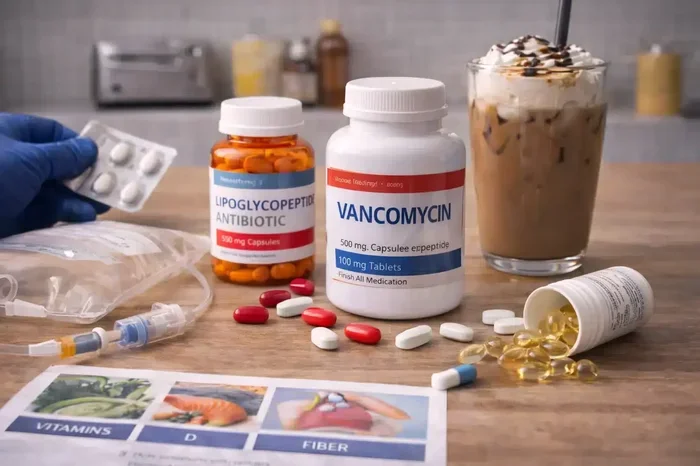
Can I drink coffee before taking antibiotics? The short answer is usually yes, but timing and medication type matter. Caffeine may interact with certain drugs, causing jitteriness or reduced effectiveness. Always check with your doctor or pharmacist for personalized advice.
You wake up feeling sick. Your throat hurts. Your head pounds. The doctor just handed you a prescription bottle. Now you stare at your favorite coffee mug and wonder: can I drink coffee before taking antibiotics? It is a common question. Many people rely on their morning brew to feel human again. But when you are fighting an infection, your body works differently. Let us break this down in plain language. You will learn what happens when caffeine meets medication. You will also get simple tips to stay comfortable while you heal.
Antibiotics are powerful tools. They kill bacteria or stop them from growing. Your body needs energy to recover. Coffee gives a quick boost. It wakes up your brain. It sharpens your focus. But caffeine also changes how your liver processes certain drugs. Some antibiotics slow down caffeine breakdown. This means the buzz lasts longer. You might feel restless. You might get a racing heart. Other antibiotics cause stomach irritation. Coffee can add to that problem. The good news is that most people do not face serious issues. A small cup usually stays safe. The key is knowing your specific medicine and listening to your body.
This guide walks you through the science without the confusing jargon. We will cover how antibiotics work. We will look at caffeine interactions. We will share practical timing tips. You will also find answers to common worries. By the end, you will feel confident about your morning routine. You will know when to pour that cup and when to wait. Let us dive in.
Key Takeaways
- Moderation is key: Most people can enjoy one cup of coffee while on antibiotics without issues.
- Check your medication: Some antibiotics, like ciprofloxacin, can slow caffeine breakdown and cause side effects.
- Timing matters: Spacing coffee and pills by a few hours may reduce stomach upset or absorption issues.
- Watch for symptoms: Increased heart rate, insomnia, or nausea could signal a caffeine-drug interaction.
- Hydration helps: Drinking water alongside coffee supports your body during infection recovery.
- Consult professionals: Your pharmacist or doctor knows your specific medication and health history best.
- Listen to your body: If coffee makes you feel worse, switch to decaf or herbal tea temporarily.
📑 Table of Contents
How Antibiotics Work in Your Body
Antibiotics target bacteria. They do not fight viruses. That is an important first step. When you take a pill, it travels through your stomach. It enters your bloodstream. From there, it reaches the infection site. Your liver helps process the medicine. Your kidneys flush out the leftovers. This whole journey takes time. Different drugs move at different speeds. Some work fast. Some need days to clear an infection.
The Role of Your Liver and Enzymes
Your liver uses special proteins to break down chemicals. These proteins are called enzymes. They handle everything from food to medicine. Caffeine uses some of the same enzymes as certain antibiotics. When both compete for the same path, things can slow down. This is not dangerous for most people. It just changes how you feel. You might notice extra energy. You might feel wired. Understanding this helps you plan your day.
Why Timing Matters
Timing affects absorption. Your stomach lining changes after a meal. Coffee is acidic. It can shift how fast a pill dissolves. Some medicines work best on an empty stomach. Others need food to prevent nausea. Your prescription label usually gives clear instructions. Follow those directions first. Then think about your coffee habit. A gap of one to two hours often keeps things smooth.
Can I Drink Coffee Before Taking Antibiotics: The Short Answer
Most healthy adults can drink coffee while on antibiotics. One cup in the morning is usually fine. The real question is about your specific drug. Some antibiotics interact with caffeine. Others do not. Your dosage matters too. Higher doses increase the chance of side effects. Your overall health matters as well. If you have heart issues or anxiety, you may want to cut back.
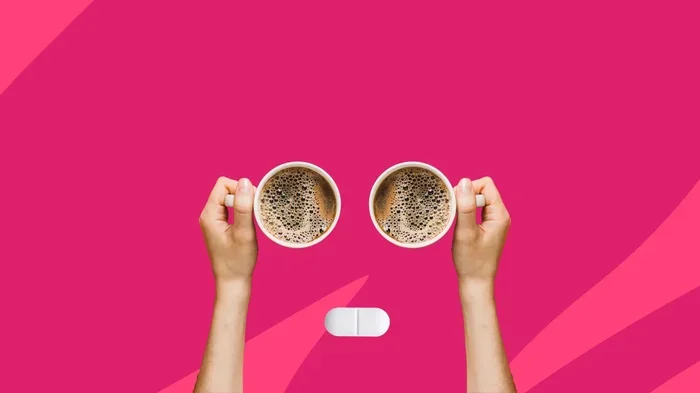
Visual guide about Coffee and antibiotics pills
Image source: singlecare.com
When Coffee Is Usually Safe
Many common antibiotics have little to no caffeine interaction. Penicillins and cephalosporins are good examples. They work through different pathways. You can often enjoy your brew without worry. Just keep portions reasonable. A large mug with extra shots may push your caffeine intake too high. Stick to a standard serving. Watch how you feel after drinking it.
When to Be Careful
Some drugs need more attention. Fluoroquinolones are a well-known group. They can slow caffeine clearance. This means one cup might feel like two. You could get jitters. You could struggle to sleep. Other medicines may irritate your stomach. Coffee can add to that discomfort. If your prescription warns about caffeine, take it seriously. Ask your pharmacist for a quick check.
Understanding Caffeine and Antibiotic Interactions
Caffeine is a stimulant. It blocks sleep signals in your brain. It also raises your heart rate slightly. Antibiotics can change how long caffeine stays in your system. This is called metabolism. When metabolism slows, caffeine builds up. The result is a stronger effect. You might feel anxious. You might get headaches. You might wake up at night. These effects vary from person to person.
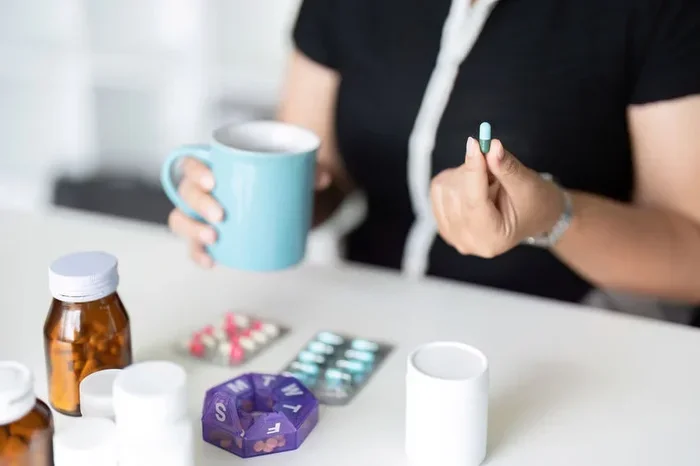
Visual guide about Coffee and antibiotics pills
Image source: renuerx.com
Common Signs of a Caffeine-Drug Interaction
Your body gives clues. Pay attention to them. Here are signs that coffee may be clashing with your medication:
- Racing heartbeat: Your pulse feels fast or irregular after a cup.
- Extra jitters: Your hands shake or you feel restless.
- Trouble sleeping: You lie awake longer than usual.
- Upset stomach: Coffee adds to nausea or heartburn.
- Headaches: You get a pounding head after combining the two.
If you notice these signs, cut back. Try half a cup. Try decaf. Try waiting longer between coffee and your pill. Small changes often fix the problem.
Medications That May Need Extra Attention
Not all antibiotics are the same. Some are more likely to interact. Your doctor chooses a drug based on your infection. They also consider your health history. If you already drink a lot of coffee, tell them. They may adjust your dose or suggest a different medicine. Open communication keeps you safe. It also helps you avoid unnecessary discomfort.
Best Practices for Coffee and Medication Timing
Good habits make recovery easier. You do not need to quit coffee forever. You just need a smart routine. Here are simple steps that work for many people.
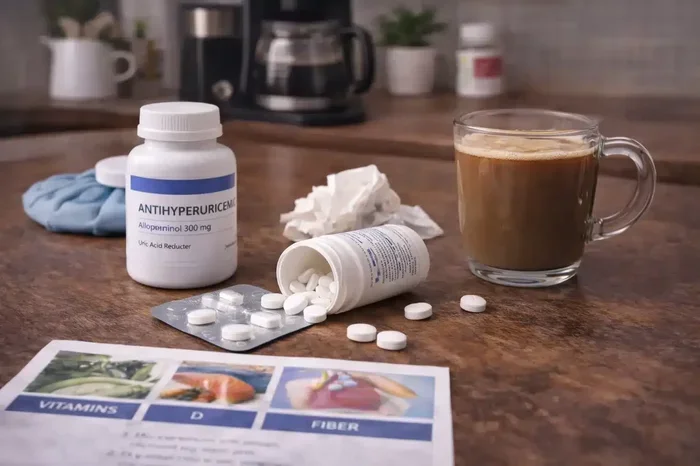
Visual guide about Coffee and antibiotics pills
Image source: onehundredcoffee.b-cdn.net
Space Them Out
Give your body time to handle each thing. A gap of one to two hours works well for most people. Take your antibiotic with water, as directed. Wait a bit. Then enjoy your coffee. This reduces stomach overlap. It also helps you notice how each one affects you.
Keep Portions Moderate
Big coffee drinks pack a lot of caffeine. A standard cup is around 80 to 100 milligrams. That is usually manageable. A large latte with double shots can push you higher. During illness, your tolerance may drop. Stick to a normal size. You can always have a second small cup later if you feel fine.
Watch Your Stomach
Antibiotics can upset your stomach. Coffee can do the same. If you feel nauseous, try these tips:
- Drink coffee after a light snack, not on an empty stomach.
- Choose a lower-acid brew if possible.
- Sip slowly instead of gulping.
- Switch to warm water or herbal tea on tough days.
Your goal is comfort. Recovery goes better when your stomach feels calm.
Stay Hydrated
Infections drain your energy. Fever and coughing dry you out. Coffee is a mild diuretic. It makes you pee more. That is not a problem for most people. But water matters more when you are sick. Balance your coffee with extra glasses of water. This supports your kidneys and helps your body process medicine.
Expert Insights and Common Mistakes to Avoid
Health professionals see this question often. Their advice is usually simple. Do not guess. Check your label. Ask questions. Here are insights that can save you trouble.
Expert Insight: Tell Your Care Team About Your Habits
Your pharmacist knows drug details. Your doctor knows your health picture. Share your coffee routine. Mention energy drinks too. Some drinks have even more caffeine than coffee. Your care team can spot risks quickly. They may suggest a different antibiotic. They may also reassure you that your current plan is fine. Either way, you get clarity.
Common Mistake: Ignoring Label Warnings
Prescription labels exist for a reason. They highlight food and drink cautions. Some say avoid caffeine. Some say take with food. Some say avoid dairy near the dose. Read the label before you start. Keep it visible. Set a phone reminder if needed. This small step prevents many problems.
Common Mistake: Pushing Through Side Effects
Feeling a little off is normal when you are sick. But strong reactions are not something to ignore. If coffee makes your heart race or your stomach cramp, stop. Do not try to tough it out. Your body is telling you something. Switch to a gentler drink for a few days. You can return to coffee later.
Common Mistake: Mixing Too Many Stimulants
Coffee is not the only source of caffeine. Tea, soda, chocolate, and energy drinks add up. During antibiotic treatment, keep your total caffeine low. This gives your body a better chance to handle the medicine. It also helps you sleep. Sleep is a huge part of healing. Protect it.
Key Takeaways for a Smooth Recovery
You want to feel better fast. Smart coffee habits help. Keep these points in mind as you follow your treatment plan.
- Check your specific antibiotic: Some interact with caffeine, others do not.
- Start small: One normal cup is a safe starting point for most people.
- Space your doses: A short gap between coffee and pills often helps.
- Listen to your body: Jitters, sleep trouble, or stomach pain are signals to cut back.
- Stay hydrated: Water supports your recovery and helps your body process medicine.
- Ask a professional: Pharmacists and doctors can give advice tailored to you.
- Protect your sleep: Rest is powerful medicine. Keep caffeine early in the day.
Conclusion
So, can I drink coffee before taking antibiotics? In many cases, yes. A moderate cup in the morning is usually fine. The important part is your specific medication and how your body reacts. Some antibiotics slow caffeine breakdown. That can make you feel more wired than usual. Other medicines may upset your stomach, and coffee can add to that. Simple habits make a big difference. Space out your coffee and pills. Keep portions reasonable. Drink water. Pay attention to warning signs. And always ask your pharmacist or doctor if you are unsure.
Recovery works best when you support your body. That means rest, fluids, and smart choices. Coffee can still be part of your day. Just treat it as a helpful habit, not a challenge to your medicine. With a little care, you can enjoy your brew and follow your treatment with confidence. Here is to feeling better soon.
Frequently Asked Questions
Can I drink coffee right before taking my antibiotic pill?
Yes, in many cases you can, but it is often better to space them out by an hour or two. This helps reduce stomach irritation and keeps absorption smoother. Always follow the instructions on your prescription label first.
Does coffee make antibiotics less effective?
Coffee does not usually stop antibiotics from working. The bigger concern is caffeine interaction, which can make you feel jittery or affect sleep. Some antibiotics may slow caffeine breakdown, so you might feel the effects of coffee more strongly.
Which antibiotics interact with caffeine?
Fluoroquinolones are the most common example. They can slow how your body clears caffeine. This may lead to nervousness, rapid heartbeat, or trouble sleeping. Your pharmacist can tell you if your specific medication has this effect.
Is decaf coffee safer while I am on antibiotics?
Decaf can be a good option if caffeine bothers you. It gives you the warm ritual of coffee with much less stimulant effect. If stomach upset is your main issue, decaf may still be acidic, so pay attention to how you feel.
Can I have coffee if my antibiotic upsets my stomach?
You may want to be careful. Both coffee and some antibiotics can irritate your stomach. Try taking your medicine with water as directed, then have coffee after a small snack. If nausea continues, switch to water or a gentle herbal tea for a while.
Should I stop drinking coffee completely during treatment?
Not always. Most people do not need to quit coffee entirely. Moderation is usually enough. If you notice side effects like jitters, insomnia, or stomach pain, cut back or pause for a few days. Your comfort and sleep matter a lot when you are healing.



