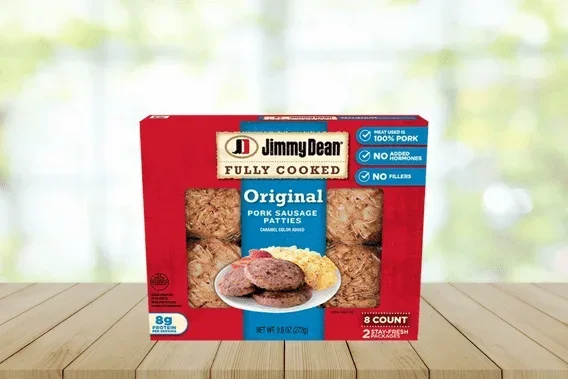
Cooking Jimmy Dean sausage in an air fryer is quick, easy, and delivers perfectly browned links with minimal cleanup. You just need a few minutes, the right temperature, and a simple flip halfway through for great results. This guide walks you through timing, prep, safety checks, and tasty serving ideas so you can enjoy a fast, satisfying breakfast any day.
If you want a fast breakfast that tastes great and leaves almost no mess, your air fryer is a smart choice. How to cook Jimmy Dean sausage in air fryer setups is one of those simple kitchen wins that saves time without sacrificing flavor. The hot, circulating air browns the casing nicely and keeps the inside juicy when you follow a few easy steps. Best of all, you do not need a skillet, a lot of oil, or a long cleanup.
In this guide, you will learn the best temperature, the right timing, and the small tricks that make a big difference. You will also see how to handle different sausage types, how to check for doneness safely, and how to serve the links once they come out hot and ready. Let us get straight into the details so your next batch turns out perfect.
Key Takeaways
- Quick cooking time: Most Jimmy Dean sausage links cook in 6 to 10 minutes at 375°F to 400°F, depending on thickness and quantity.
- Preheat for better browning: A short preheat helps the casing crisp evenly and reduces total cook time.
- Single layer matters: Arrange links in one layer with space between them so hot air can circulate and cook each piece evenly.
- Flip once for even color: Turning the sausages halfway through gives a balanced golden finish on all sides.
- Check internal temperature: Cook pork sausage to at least 160°F and turkey sausage to 165°F for safe, juicy results.
- Add flavor with minimal effort: A light brush of oil, a sprinkle of black pepper, or a touch of garlic powder can boost taste without extra mess.
- Serve smart: Pair cooked links with eggs, toast, roasted potatoes, or quick veggies for a balanced, satisfying meal.
📑 Table of Contents
- Why the Air Fryer Works So Well for Jimmy Dean Sausage
- How to Cook Jimmy Dean Sausage in Air Fryer: Step by Step
- Timing Guide for Fresh, Thawed, and Frozen Links
- The Best Temperature and Tricks for Golden Results
- Checking Doneness and Food Safety
- Serving Ideas and Simple Variations
- Common Mistakes and How to Fix Them
- Expert Insights for Better Breakfast Sausage
- Final Thoughts on How to Cook Jimmy Dean Sausage in Air Fryer
Why the Air Fryer Works So Well for Jimmy Dean Sausage
The air fryer is basically a compact convection oven. It moves hot air around the food, which helps the outside brown while the inside cooks through. That is a great match for pre-made sausage links because they already have flavor and fat built in. You just need to heat them evenly and give the casing a little crisp.
A skillet can work well too, but it often needs more oil and more watching. The air fryer reduces splatter and keeps the process simple. You can cook a small batch for one or two people, or a fuller tray for family mornings. Either way, the result is consistent when you keep the links in a single layer and flip them once.
Fast, even heating
Hot air reaches every side of the sausage, so you do not have to rotate each link by hand. That means less fuss and more even color. The result is a browned exterior with a tender center, which is exactly what most people want from a breakfast sausage.
Less mess, easier cleanup
Since you are not frying in a pool of oil, the basket or tray stays cleaner. A quick wash or wipe is usually enough after you finish cooking. That makes this method friendly for busy mornings, small kitchens, and anyone who wants a simple routine.
How to Cook Jimmy Dean Sausage in Air Fryer: Step by Step
This is the core method. It works for the classic pork links and the turkey versions too, with only small timing changes. The goal is simple: brown the outside, cook the center fully, and keep the texture juicy.
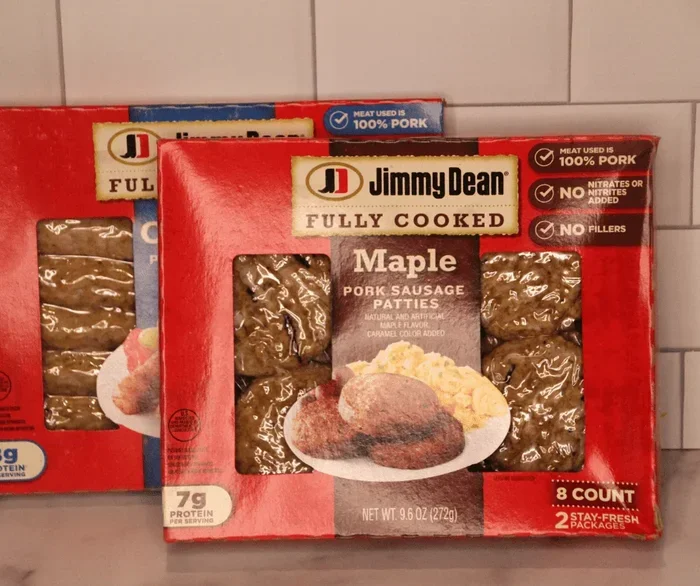
Visual guide about Jimmy Dean sausage air fryer
Image source: forktospoon.com
Prep the sausage
Take the links out of the package and pat them dry if they look damp. Dry surfaces brown better. If the links are frozen, you can cook them from frozen, but they will need extra time and a slightly lower temperature at first so the outside does not darken too fast. For fresh or thawed links, a light spritz of oil is optional. It can help the casing crisp, but it is not required.
Set the temperature and time
For most Jimmy Dean sausage links, 375°F to 400°F works well. Start around 375°F if you want a gentler brown and a juicier center. Use 400°F if you like a deeper color and a bit more snap on the casing. For fresh or thawed links, plan on roughly 6 to 10 minutes total. For frozen links, expect a longer window and check them near the end.
Arrange and cook
Place the links in the basket or on the tray in a single layer. Leave a little space between each piece so the air can move freely. If you stack them, the centers may stay underdone while the outsides overbrown. Once they are arranged, slide the basket in and cook for the first half of the estimated time.
Flip and finish
At the midpoint, pull the basket out and turn each link over. This one simple step helps the color develop evenly. Then return the basket and finish cooking. Near the end, start checking for doneness. The casing should look firm and evenly browned, and the center should be hot all the way through.
Timing Guide for Fresh, Thawed, and Frozen Links
Timing depends on the starting state of the sausage and the size of the batch. The numbers below are reliable starting points. Always confirm with a temperature check when possible, because air fryers can vary.
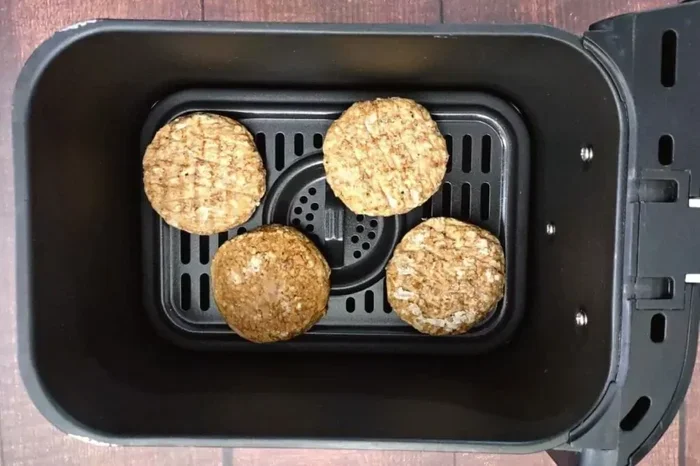
Visual guide about Jimmy Dean sausage air fryer
Image source: dinnersdonequick.com
Fresh or thawed links
At 375°F, fresh or thawed Jimmy Dean sausage links usually take about 6 to 8 minutes. At 400°F, they can be ready in about 5 to 7 minutes. If you like a firmer bite and deeper color, lean toward the higher end of that range. If you prefer a softer center, pull them a minute early and let carryover cooking finish the job.
Frozen links
Frozen links need more time because the center has to thaw and then cook. A good approach is to start at 360°F to 375°F for the first few minutes, then finish at a slightly higher heat if you want more browning. Total time often lands around 10 to 14 minutes, depending on thickness and how many you cook at once. Check them early and adjust as needed.
Small vs. large batches
A few links cook faster than a crowded tray. When the basket is full, air flow drops a bit and the cook time can stretch. If you are making a bigger batch, keep the links in a single layer and consider working in two rounds. That keeps the results more even and helps every link get the heat it needs.
The Best Temperature and Tricks for Golden Results
Temperature choice changes the texture more than anything else. A moderate heat gives you a steady cook and a balanced finish. A higher heat gives you a quicker cook and a darker crust. Either can be right, depending on your taste.
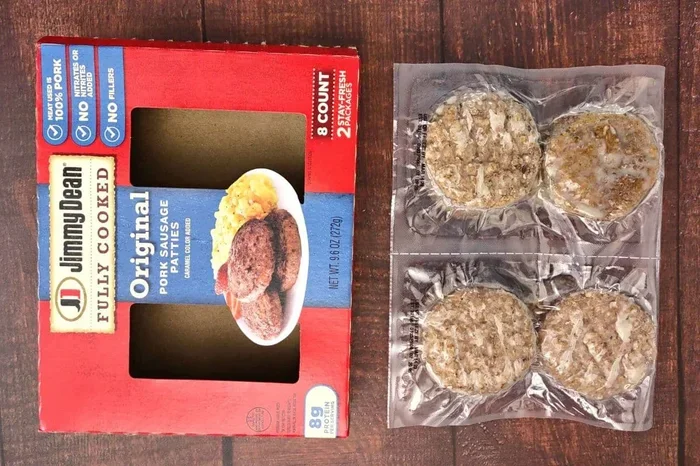
Visual guide about Jimmy Dean sausage air fryer
Image source: dinnersdonequick.com
Why 375°F is a safe starting point
At 375°F, the sausage browns steadily without rushing the center. This is a strong choice if you want a juicy bite and a casing that is crisp but not tough. It also gives you a little more room for error if your links are thick or if you are cooking from frozen.
When 400°F makes sense
If you want a deeper color and a bit more snap, 400°F is a good option. Just keep an eye on the links during the last couple of minutes so the outside does not over-darken before the center is fully done. A quick flip halfway through helps a lot here.
Quick tips for better browning
- Keep the links dry: Moisture on the surface slows browning, so a quick pat with a paper towel helps.
- Use a light oil spritz: A tiny bit of oil can improve color, especially on turkey sausage, which has less fat.
- Do not overcrowd: Air needs room to move. A single layer gives the most even results.
- Flip once: A single turn at the midpoint is usually enough for a balanced finish.
- Watch the last few minutes: Small time changes at the end can make a big difference in color and texture.
Checking Doneness and Food Safety
Safe doneness matters with any sausage. The easiest way to know the links are ready is to check the internal temperature. Visual cues help too, but a quick temperature check removes the guesswork.
Target temperatures
For pork sausage, aim for an internal temperature of at least 160°F. For turkey sausage, aim for at least 165°F. If you do not have a thermometer, cut into the thickest link and look for a center that is no longer pink and feels hot throughout. The casing should be firm, and the juices should run clear rather than cloudy.
Signs the sausage is done
The links should look evenly browned and feel firm to the touch. If the outside looks done but the center still seems soft or cool, give them another minute or two. Air fryers can brown the exterior quickly, so it is worth checking early and often near the finish.
Avoiding dry sausage
Overcooking can dry out the texture, especially with turkey links. To keep things juicy, do not push the time much beyond what is needed. Once the target temperature is reached, take them out right away. Letting them rest for a minute or two also helps the juices settle.
Serving Ideas and Simple Variations
Once the links are hot and browned, you can serve them in lots of easy ways. They work well as a standalone breakfast item, but they also fit nicely into bigger plates and quick meals.
Classic breakfast plate
Pair the sausage with eggs, toast, and a side of fruit for a simple morning meal. If you want something heartier, add roasted potatoes or hash browns. The sausage brings savory flavor that matches well with mild sides.
Quick lunch or snack
A cooked link can go into a wrap, a sandwich, or a grain bowl. Try it with cheese, lettuce, tomato, and a little mustard for a fast handheld meal. You can also slice the links and toss them into pasta, rice, or a quick vegetable sauté for extra flavor.
Light flavor boosts
Jimmy Dean sausage already has seasoning, so you usually do not need much extra. Still, a few small touches can help:
- A light brush of oil before cooking for better color
- A pinch of black pepper or smoked paprika for a subtle kick
- A quick chop and mix into scrambled eggs for a savory breakfast
- A slice on top of a baked potato or loaded sweet potato
Common Mistakes and How to Fix Them
Even a simple method can go sideways if a few small things are missed. Here are the most common issues and easy ways to handle them.
Crowding the basket
If the links are piled on top of each other, the hot air cannot reach every side evenly. The fix is simple: cook in a single layer with a little space between each piece. If you need more room, run two batches instead of one crowded one.
Cooking from frozen without adjusting
Frozen links need more time, and they can brown too fast on the outside if the heat is too high at the start. Lower the temperature slightly for the first few minutes, then finish at your preferred heat. Check early so you can adjust before the casing gets too dark.
Skipping the flip
You can get results without flipping, but a single turn at the midpoint gives a more even color. It only takes a moment and makes the finish more consistent, especially at higher temperatures.
Overcooking
Sausage can dry out if it stays in too long. Start checking near the lower end of the time range. Once the internal temperature is right and the casing looks done, pull the basket and let the links rest briefly.
Expert Insights for Better Breakfast Sausage
A few small habits can make this method even more reliable. Think of them as quick upgrades that do not add much time or effort.
Use a thermometer when you can
A quick temperature check takes the guesswork out of doneness. It is especially helpful if you are cooking a new batch size, a different variety, or links straight from frozen. The goal is simple: safe, juicy, and ready.
Match the method to the variety
Pork and turkey links behave a little differently. Turkey sausage has less fat, so it can benefit from a tiny bit of oil and a careful eye on the last minute of cooking. Pork links usually brown easily and stay juicy with the standard method.
Keep the basket clean between batches
A quick wipe between rounds helps prevent burnt bits from sticking to the next batch. It also keeps the flavor clean and the cleanup easier. If you are cooking a larger amount, this small step saves trouble later.
Let the links rest briefly
A short rest after cooking gives the juices a chance to settle. That helps the texture stay pleasant when you bite in. It is a small pause, but it can make the final result feel more polished.
Final Thoughts on How to Cook Jimmy Dean Sausage in Air Fryer
How to cook Jimmy Dean sausage in air fryer setups is a straightforward process that delivers great results with very little effort. The key is simple: use a single layer, pick a good temperature, flip once, and check for doneness before the links overcook. Whether you start with fresh, thawed, or frozen links, you can adjust the time and heat to get a browned, juicy finish.
Once you get the timing down, this becomes one of those easy meals you can repeat without much thought. Add eggs, toast, potatoes, or a quick wrap, and you have a satisfying plate in minutes. With a little practice, you will know exactly how your air fryer handles these links and how to get the exact texture you like.
Frequently Asked Questions
How long does it take to cook Jimmy Dean sausage in an air fryer?
Fresh or thawed links usually take about 6 to 10 minutes at 375°F to 400°F, depending on thickness and batch size. Frozen links need longer, often around 10 to 14 minutes, with a slight temperature adjustment at the start.
Do I need to preheat the air fryer before cooking sausage?
Preheating is not required, but it helps the links brown more evenly and can reduce total cook time. A short preheat is especially useful if you want a crisp casing and a juicy center.
Can I cook frozen Jimmy Dean sausage in the air fryer?
Yes, you can cook frozen links directly in the air fryer. Just allow extra time, start at a slightly lower temperature for the first few minutes, and check doneness near the end so the outside does not over-brown.
Should I flip the sausage links while cooking?
Flipping once at the midpoint is a good habit because it helps the color develop evenly on all sides. It only takes a moment and usually gives a better-looking finish.
How do I know when the sausage is fully cooked?
The safest check is an internal temperature of at least 160°F for pork sausage and 165°F for turkey sausage. You can also look for a firm casing, a center that is no longer pink, and juices that run clear.
Can I cook other Jimmy Dean varieties in the air fryer?
Yes, most varieties work well, including pork and turkey links. The main difference is fat content, so turkey links may benefit from a light oil spritz and a careful check near the end to keep them juicy.