Does black coffee break a fast autophagy? For most people, plain black coffee does not interrupt your fasting window. It may even support autophagy by lowering insulin and activating cellular cleanup pathways. Still, timing, additives, and personal sensitivity matter a lot. This guide breaks down the science, shares practical rules, and helps you decide if your cup fits your fast.
Fasting has become a popular way to support metabolism, focus, and cellular renewal. Many people start with a simple question: can I still enjoy my morning cup? The short answer is usually yes, as long as you keep it plain. But the full picture is a bit more interesting, because your cup can interact with your body in helpful ways when you understand how it works.
In this guide, we will walk through what happens when you drink plain coffee during a fast. We will look at the basics of fasting, the meaning of autophagy, and how caffeine and plant compounds may influence your cells. You will also get clear rules, common pitfalls, and practical tips you can use right away.
Key Takeaways
- Black coffee is generally fasting-safe: Plain coffee with no sugar, milk, or cream usually keeps you in a fasted state.
- Autophagy may get a boost: Caffeine and polyphenols can support cellular cleanup, especially during longer fasts.
- Keep it plain and moderate: Avoid sweeteners, creamers, and heavy servings that may trigger digestion or insulin.
- Watch your body, not just the clock: Jitters, stomach upset, or sleep issues mean you should adjust your intake.
- Hydration still matters: Coffee is mildly diuretic, so pair it with water for a smoother fast.
- Longer fasts change the rules: As fasting extends, even small calories can matter more, so keep coffee truly black.
- Consistency beats perfection: A simple routine you can maintain will serve your health more than a perfect but stressful plan.
📑 Table of Contents
What Happens When You Fast
When you stop eating for a stretch of time, your body shifts from using food energy to using stored energy. This switch is a big part of why fasting feels so good to many people. Your insulin levels drop, your body starts tapping into fat stores, and your cells begin to clean up old parts. That cleanup process is one of the main reasons people fast in the first place.
The first few hours are often the easiest. Your body is still running on the last meal you ate. After that, things change. You may feel a little hungry, but many people also feel sharper and lighter. This is where simple habits, like a cup of black coffee, can fit in nicely if you keep it clean and moderate.
Why Insulin Matters So Much
Insulin is a hormone that tells your body to store energy. When you eat, insulin rises. When you fast, insulin falls. Lower insulin helps your body access stored fat and supports cellular repair. That is why many people focus on keeping insulin low during a fast. Plain coffee usually has very little effect on insulin, especially when you avoid sugar and milk.
Fasting Stages in Plain Language
Fasting is not one single state. It changes over time. Here is a simple way to think about it:
- Early fast: Your body finishes digesting your last meal. Energy and mood may feel steady.
- Fat-burning shift: Insulin drops more. Your body starts using stored fat for fuel.
- danger deeper repair window: Cellular cleanup processes become more active. Many people notice better focus and less hunger.
These stages are general, not rigid. Your experience depends on your body, your last meal, your activity, and your sleep. The main idea is that fasting creates a different internal environment, and small choices can either support that environment or interrupt it.
Does Black Coffee Break A Fast Autophagy
This is the heart of the question. For most people, plain black coffee does not break a fast in a meaningful way. It has almost no calories, and it does not spike insulin the way food does. That means your body can usually stay in a fasted state while you sip a simple cup.

Visual guide about black coffee fasting concept
Image source: images.indianexpress.com
The word autophagy describes a cellular cleanup process. Your cells recycle damaged parts and use them for energy or repair. This process is linked to fasting, exercise, and certain plant compounds. Coffee contains polyphenols and caffeine, both of which may support this cleanup pathway in different ways. So not only is plain coffee usually fine, it may also be a friendly part of your fasting routine.
What Autophagy Really Means
Autophagy is your body’s way of taking out the trash and reusing useful materials. Think of it like a seasonal cleanout in your home. Old or worn-out cell parts get broken down, and the useful pieces get recycled. This process helps cells stay efficient and may support healthy aging over time.
Fasting is one of the strongest triggers for autophagy. When food is scarce, your cells shift into maintenance mode. Exercise can also encourage this process. Some plant compounds may add a small nudge as well. That is why people often ask whether coffee helps, hurts, or does nothing at all.
How Coffee Interacts With Cellular Cleanup
Coffee is more than caffeine. It also contains antioxidants and polyphenols that can influence inflammation and oxidative stress. Lower oxidative stress can create a friendlier environment for cellular repair. Caffeine may also affect metabolism and alertness, which can make fasting feel easier for some people.
The key word here is may. The science is still growing, and human results can vary. Still, the overall picture is encouraging for plain black coffee. If you keep your cup free of sugar, milk, cream, and flavored syrups, you are far more likely to stay in a fasting-friendly state.
The Coffee Plus Fasting Connection
Many fasters use coffee as a comfort ritual. It gives warmth, flavor, and a sense of routine. That matters more than people sometimes admit. Fasting is not only about chemistry. It is also about behavior, mood, and consistency. A simple cup can make a long morning feel manageable.

Visual guide about black coffee fasting concept
Image source: preventivemedicinedaily.com
At the same time, coffee is not neutral for everyone. It can stimulate digestion, increase heart rate, or affect sleep if you drink too much or too late. If you are sensitive, even a small cup might make you feel jumpy or hungry. That is why personal tuning matters. What works beautifully for one person may feel rough for another.
Why People Reach For Coffee While Fasting
There are a few common reasons people keep coffee in their fasting routine:
- Ritual: A morning cup feels familiar and calming.
- Focus: Caffeine can support alertness during a fasted work session.
- Appetite support: Some people feel less hungry after a cup, at least for a while.
- Taste and comfort: Warm flavor can make an empty stomach feel less stark.
These reasons are practical and valid. The goal is not to remove every comfort. The goal is to keep your comfort from turning into a hidden meal.
When Coffee Can Feel Disruptive
Even when coffee is technically fasting-friendly, your experience can still be uneven. Here are a few situations where it may feel less smooth:
- Empty stomach sensitivity: Some people get acidity or discomfort when they drink coffee before eating.
- Stress overload: If you are already tense or sleep-deprived, extra caffeine can feel harsh.
- Hidden cravings: For some people, coffee triggers a desire for something sweet.
- Sleep disruption: Late coffee can interfere with rest, and poor sleep can make fasting harder.
If any of these sound familiar, you do not need to quit coffee forever. You may just need a smaller cup, a later cutoff, or a gentler brewing style.
What Can Actually Break Your Fast
A fast can be interrupted by more than calories. The main idea is to avoid anything that strongly wakes up digestion or pushes your body out of a fasted state. Food is the obvious one. But some drinks and additives can also count, especially if they trigger insulin or digestion.
Visual guide about black coffee fasting concept
Image source: fitnessvolt.com
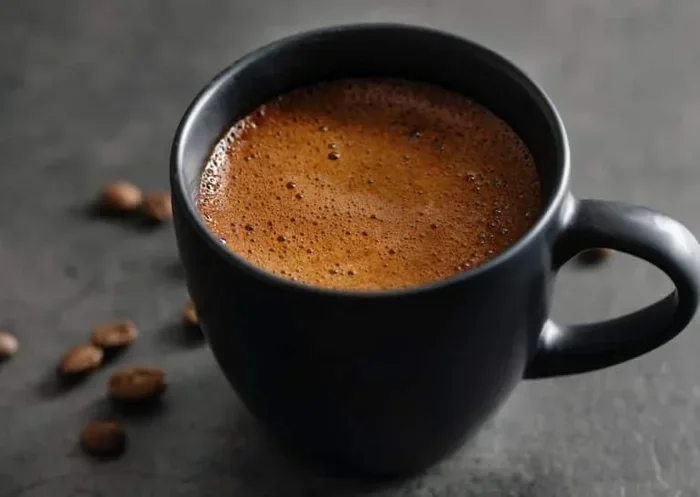
The safest approach is to keep your fasting window simple. Water is the most neutral choice. Plain black coffee is usually next in line. Tea is often similar, as long as it is unsweetened and free of milk. Once you add cream, sugar, honey, or flavored syrups, you move closer to a feeding state.
Calories, Insulin, and Digestion
Not every calorie affects the body in the same way, but the general rule is simple: if you consume enough energy or trigger enough insulin, your fast may be less effective. A splash of milk may not feel like much, but it still brings calories and some protein or sugar. That can be enough to matter for people aiming for a strict fast.
Digestion also matters. When your body starts breaking down food, it shifts away from the restful, repair-focused state that fasting encourages. That is why many people prefer to keep their fast very clean. It reduces guesswork and makes the window easier to trust.
Common Fast-Breakers to Watch For
Here are some common items that can interrupt a fast more than people expect:
- Sugar and syrups: These can raise insulin and bring in clear calories.
- Milk and cream: Even small amounts add energy and can trigger digestion.
- Plant milk: It may feel light, but it still contains calories and nutrients.
- Juice and soda: These are usually too sugary for a clean fast.
- Bone broth: This can be helpful in some plans, but it is not a zero-calorie drink.
- Supplements with food-like ingredients: Some powders or gummies contain calories or sweeteners.
If your goal is a strict fast, the safest drink list is short: water, plain black coffee, and plain tea. If your goal is a lighter fast, you may have more flexibility. The right choice depends on your purpose.
How To Drink Coffee The Right Way During A Fast
If you want coffee in your fasting routine, the best approach is simple and repeatable. Keep it black. Keep it modest. Keep it early enough that it does not disturb sleep. That trio covers most people very well.
Here is a practical way to think about it. Your coffee should support your fast, not become the main event. If you find yourself thinking about your cup all morning, it may be worth simplifying. If a small cup helps you stay steady and focused, that is a strong sign it is working for you.
Best Coffee Choices For Fasting
Not all coffee is equal when you are trying to stay fasted. The safest options are the simplest ones:
- Black drip coffee: Easy, familiar, and usually very low in calories.
- Black espresso: Small, strong, and simple when served without milk or syrup.
- Plain cold brew: Smooth and often less acidic, as long as it stays unsweetened.
- Simple black tea or green tea: A good alternative if coffee feels too strong.
Avoid flavored beans with added oils or sweeteners if you want to be strict. Also watch out for coffee shop drinks that sound black but come with hidden ingredients. When in doubt, ask or read the label.
Timing, Amount, and Additives To Avoid
A few simple rules can make coffee much easier to live with during a fast:
- Keep portions modest: One cup or a small espresso is often enough.
- Go early: Morning or early afternoon usually works better than late day.
- Skip sweeteners: Sugar, honey, agave, and most zero-calorie sweeteners can still stir cravings or digestion.
- Skip dairy and plant milks: They add calories and can shift you out of a clean fast.
- Watch acidity: If your stomach feels upset, try a smoother brew or a smaller serving.
- Protect sleep: Cut off caffeine early enough to rest well tonight.
These are not strict laws for everyone. They are practical guards that help most people stay comfortable and consistent.
Expert Insights: A Balanced Way To Think About It
A sensible fasting plan is usually better than an overly strict one. If black coffee helps you stick with your routine, that is a real benefit. Consistency matters a lot. A plan you can maintain often beats a perfect plan you abandon after two days.
At the same time, fasting is not a test of toughness. If coffee makes you feel anxious, nauseated, or unable to sleep, it may be worth changing the dose or timing. Some people do better with tea. Some do better with a shorter fast. Some do better with a small adjustment to their eating window. The best plan is the one that fits your body and your life.
Common Mistakes and Quick Tips
People often make fasting harder than it needs to be by overcomplicating the small choices. Coffee is a good example. It can be a helpful part of your routine, but only if you treat it with a little care. Here are some common mistakes and simple fixes.
Common Mistakes
- Adding hidden ingredients: Creamers, syrups, and milk can quietly break the fast.
- Drinking too much: Large amounts of caffeine can cause jitters, stress, or sleep loss.
- Ignoring stomach comfort: If coffee burns or upsets you, a smaller cup or smoother brew may help.
- Using coffee to mask poor sleep: Better rest usually helps fasting more than more caffeine.
- Assuming every fast has the same rules: A light fast and a strict fast are not identical.
Quick Tips
- Start simple: Plain black coffee is the easiest way to stay safe.
- Test your response: Notice hunger, focus, mood, and sleep after a cup.
- Pair with water: Hydration helps reduce headaches and dryness.
- Keep a steady routine: Same time, same size, same style.
- Adjust for sensitivity: Less caffeine, earlier cutoff, or tea can make a big difference.
Frequently Asked Questions
Can I drink black coffee during intermittent fasting?
Yes, for most people plain black coffee fits well into intermittent fasting. It has very few calories and usually does not trigger a major insulin response. Just keep it free of sugar, milk, and flavored additives.
Does coffee stop autophagy from happening?
Plain black coffee is not likely to stop autophagy in a meaningful way. In fact, caffeine and coffee polyphenols may support cellular cleanup in some contexts. The biggest interrupters are usually food, calories, and strong insulin triggers.
Is espresso better than drip coffee for fasting?
Not necessarily. Both can work if they are plain and unsweetened. Espresso is smaller, so some people find it easier to keep moderate. Drip coffee is gentler for others. The best choice is the one you can keep simple and comfortable.
What if coffee makes my stomach hurt while fasting?
Try a smaller cup, a smoother brew, or a later start after some water. You can also switch to tea for a while. If discomfort keeps happening, pay attention to your body and adjust your routine.
Can I use zero-calorie sweeteners in my fasted coffee?
Some people do, but it is not the safest choice for everyone. Sweeteners can still affect cravings, gut comfort, or insulin response in sensitive people. If you want the cleanest fast, it is better to skip them.
Does coffee count as water intake during a fast?
Partially, yes, but water is still the best baseline. Coffee can contribute to fluid intake, yet it may also increase urination for some people. A good habit is to drink water alongside your coffee, especially during longer fasts.