
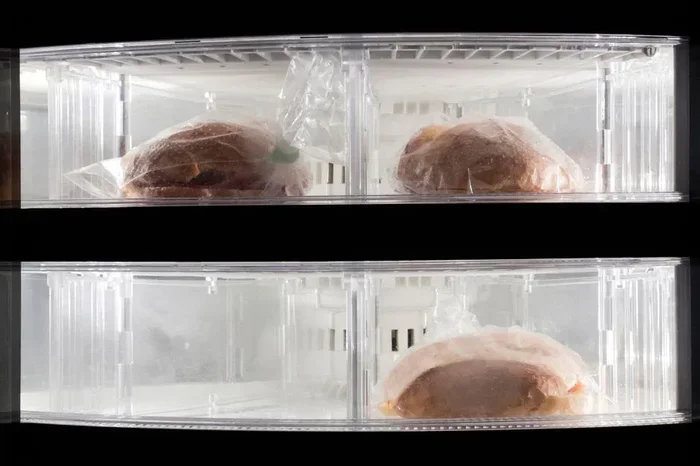
Freezer burn ruins food by drying it out and causing tough, discolored patches. You can easily prevent freezer burn with the right containers, wrapping techniques, and freezer organization. These simple storage tips will help you keep food fresh, save money, and reduce waste in your kitchen.
Freezer burn is one of the most common kitchen problems people face. You pull out a pack of meat or a container of leftovers, and the surface is dry, leathery, and discolored. It looks unappetizing, and you might wonder if the food is still safe to eat. The good news is that freezer burn does not make food unsafe. It just affects the texture and flavor. More importantly, you can take simple steps to stop it from happening in the first place.
Learning how to prevent freezer burn is easier than most people think. With a few smart storage habits, you can keep your food tasting fresh for months. Whether you are freezing meat, vegetables, or homemade meals, the right approach makes all the difference. This guide walks you through every proven method to protect your food from freezer burn and get the most out of your freezer.
Freezer burn happens when air reaches the surface of your food. The moisture in the food evaporates into the freezer air, leaving behind dry, oxidized patches. These patches can look white, gray, or brown. They feel tough and chewy. While freezer burn is not dangerous, it definitely ruins the eating experience. The good thing is that prevention is simple and costs almost nothing.
Key Takeaways
- Use airtight containers and freezer bags: Proper sealing keeps air away from food and prevents moisture loss.
- Wrap food tightly with plastic wrap or foil: Double-layered wrapping adds a strong barrier against freezer burn.
- Label and date everything: Tracking storage times helps you use food before quality drops.
- Keep your freezer at 0°F or below: Consistent cold temperatures slow down the damage that causes freezer burn.
- Organize your freezer regularly: A tidy freezer lets you see what you have and use older items first.
- Portion food before freezing: Smaller portions freeze faster and reduce the time food spends in the temperature danger zone.
- Vacuum sealing is a game changer: Removing air from packaging dramatically extends food freshness.
📑 Table of Contents
- What Is Freezer Burn and Why Does It Happen
- How to Prevent Freezer Burn When Storing Meat
- Best Containers and Wrapping Methods
- Freezer Organization Tips to Reduce Freezer Burn
- How Long Can You Store Food Without Freezer Burn
- Quick Fixes for Food Already Affected by Freezer Burn
- Expert Tips for Long-Term Freezer Success
- Conclusion
What Is Freezer Burn and Why Does It Happen
Understanding the science behind freezer burn helps you prevent it. When food sits in the freezer, the cold air draws moisture out of the surface. This process is called sublimation. Ice crystals form on the food, and the surface becomes dehydrated. Over time, this dehydration damages the cell structure of the food. The result is a tough, dry, and often flavorless piece of food.
The Role of Air Exposure
Air is the number one enemy of frozen food. When food is not wrapped properly, the cold dry air in the freezer pulls moisture straight out of the surface. This is why you often see ice crystals forming on meat or bread that has been in the freezer too long. The more air that touches the food, the faster freezer burn develops.
Temperature Fluctuations
Another big cause of freezer burn is temperature changes. If your freezer temperature keeps going up and down, it speeds up the dehydration process. Every time the freezer door opens, warm air rushes in. This warm air causes more frost and ice buildup on your food. Over time, this leads to more freezer burn. Keeping your freezer at a steady 0°F or below helps a lot.
Storage Time Matters
Even with perfect wrapping, food will eventually develop freezer burn if stored too long. Different foods have different freezer lives. Meat can last several months, while cooked meals may only last a few weeks. Knowing how long to keep each item in the freezer is key to avoiding freezer burn.
How to Prevent Freezer Burn When Storing Meat
Meat is one of the most common items people freeze, and it is also one of the most vulnerable to freezer burn. Proper meat storage starts before you even put it in the freezer. How you prepare and wrap the meat makes a huge difference in how long it stays fresh.
Choose the Right Freezer Packaging
Never use regular plastic bags for freezing meat. They are not thick enough to block air. Instead, use heavy-duty freezer bags designed for long-term storage. These bags are thicker and help reduce air exposure. Before sealing, squeeze out as much air as you can. Press the bag flat with your hands or use a straw to suck out extra air.
For extra protection, wrap the meat in plastic wrap first. Then place it inside the freezer bag. This double layer creates a strong barrier against air. It is one of the simplest and most effective ways to prevent freezer burn on meat.
Portion Meat Before Freezing
Freezing meat in large blocks is a mistake many people make. Big chunks take longer to freeze and thaw, which increases the chance of freezer burn. Instead, divide meat into meal-sized portions. This way, you only thaw what you need. Smaller portions also freeze faster, which helps preserve the quality and texture.
When storing beef in the freezer, make sure to use the right packaging method. Properly wrapped beef can last six to twelve months without developing freezer burn. This saves you money and reduces food waste.
Use Vacuum Sealing for Best Results
A vacuum sealer is one of the best tools you can buy for freezer storage. It removes all the air from the bag before sealing. Without air, freezer burn cannot form. If you freeze a lot of meat or cook in batches, a vacuum sealer is worth the investment. You can also vacuum seal tomatoes and other produce using the same method for long-lasting freshness.
Best Containers and Wrapping Methods
The container you choose plays a big role in preventing freezer burn. Not all containers are created equal. Some are designed specifically for freezer use, while others will let air in and speed up spoilage.
Freezer-Safe Containers
Look for containers that are labeled freezer-safe. These containers are made from thick plastic or glass that can handle cold temperatures without cracking. Glass containers with airtight lids work great. Just make sure you leave some room at the top because liquids expand when they freeze.
Avoid using regular plastic containers or yogurt cups for freezing. They are too thin and do not seal well. Air can easily get in, which leads to freezer burn. If you must reuse these containers, wrap the food inside with plastic wrap first.
Wrapping Techniques That Work
Wrapping food properly is an art that pays off. Start with a layer of plastic wrap pressed directly onto the surface of the food. This creates a tight seal that blocks air. Then wrap a layer of aluminum foil around the plastic wrap. The foil adds extra protection and helps block light, which can degrade food quality over time.
For items like squash or other vegetables, you can place them in freezer bags after wrapping. Squeeze out the air, seal the bag, and label it with the date. This method works well for many different types of produce and leftovers.
The Parchment Paper Trick
This is a simple trick that many home cooks swear by. Place a sheet of parchment paper between individual pieces of food before freezing. This prevents the pieces from sticking together and makes it easy to remove just what you need. It also reduces the amount of air trapped between items, which helps prevent freezer burn.
Freezer Organization Tips to Reduce Freezer Burn
A cluttered freezer is a breeding ground for freezer burn. When you cannot see what is inside, food gets pushed to the back and forgotten. It sits there for months, slowly developing freezer burn. A well-organized freezer helps you use food faster and keep everything in top condition.
Use the First In, First Out Method
Label every item with the date you froze it. Place newer items behind older ones so you always use the oldest food first. This simple habit prevents food from sitting in the freezer too long and developing freezer burn.
Keep an Inventory List
Tape a small notepad to the inside of your freezer door. Write down what you freeze and when. This helps you keep track of what you have without opening the door and letting cold air escape. You can also jot down meal ideas for items that need to be used soon.
Maintain Consistent Freezer Temperature
Set your freezer to 0°F or below and keep it there. Avoid opening the door too often or leaving it open for long periods. If your freezer is often left open, consider adding a thermometer to monitor the temperature. A steady temperature is one of the easiest ways to extend the life of your frozen food.
Proper freezer organization also means keeping items away from the door. The door is the warmest part of the freezer because it opens and closes often. Store your most sensitive items toward the back where the temperature stays more consistent.
How Long Can You Store Food Without Freezer Burn
Every food has a different freezer life. Knowing these time limits helps you plan your meals and use food before freezer burn sets in. Here is a general guide for common items.
| Food Item | Freezer Life (Best Quality) | Freezer Life (Safe but Lower Quality) |
|---|---|---|
| Raw Beef | 6-12 months | Up to 2 years |
| Chicken | 9 months | Up to 1 year |
| Cooked Meals | 2-3 months | Up to 6 months |
| Vegetables | 8-12 months | Up to 18 months |
| Bread | 3-6 months | Up to 6 months |
| Fruits | 6-12 months | Up to 18 months |
These time frames are just guidelines. Your food may last longer or shorter depending on how well it is wrapped and how stable your freezer temperature is. The key is to use food within the recommended window for the best taste and texture.
For items like chickpeas or dry goods, freezing can extend their shelf life significantly. Just make sure they are in airtight containers to prevent moisture and air from getting in. Store chickpeas in freezer bags with the air removed, and they will stay fresh for over a year.
Quick Fixes for Food Already Affected by Freezer Burn
Even with the best storage, sometimes freezer burn still happens. If you find freezer burn on your food, do not throw it away just yet. You can often save the food by trimming away the affected parts. Freezer burn only impacts the surface, so the inside of the food is usually still perfectly fine.
Trim and Cook As Usual
Use a sharp knife to cut away the dry, discolored areas. The rest of the food should taste just fine. This works especially well with meat and vegetables. After trimming, cook the food as you normally would. The cooking process can help restore some moisture and flavor.
Add Extra Seasoning or Sauce
Freezer burn can dull the flavor of food. Adding extra herbs, spices, or sauces during cooking can help mask the taste. Marinades and braising liquids are especially effective at rehydrating food that has been affected by freezer burn. This trick works wonders with tougher cuts of meat that have been sitting in the freezer for a while.
Prevent Future Freezer Burn
Once you have dealt with freezer burn on an item, take a moment to improve your storage methods. Maybe you need better containers or thicker bags. Small changes in how you store food can make a big difference over time. The goal is to build habits that keep freezer burn from coming back.
Expert Tips for Long-Term Freezer Success
Here are some bonus tips from experienced home cooks and food storage experts. These small habits can significantly improve your results.
- Freeze food quickly: Spread food out in a single layer on a baking sheet before transferring to containers. Quick freezing creates smaller ice crystals, which preserves texture and reduces freezer burn.
- Leave headspace in containers: Liquids expand when frozen. Leave about one inch of space at the top of containers to prevent cracking and leaks.
- Use a marker to label everything: Write the food name and date on every bag and container. This takes two seconds and saves you from mystery freezer items later.
- Do not overload your freezer: A packed freezer blocks air circulation. This leads to uneven temperatures and more freezer burn. Leave some space between items for air to flow.
- Clean your freezer regularly: Frost buildup can cause temperature fluctuations. Defrost your freezer when ice builds up more than a quarter inch thick.
These expert tips might seem small, but they add up over time. Together, they create a system that keeps your food fresh and your freezer running efficiently. The more consistent you are with these habits, the less freezer burn you will deal with.
Conclusion
Preventing freezer burn is all about how you store, wrap, and organize your food. The methods in this guide are simple, affordable, and easy to implement starting today. Use freezer bags or airtight containers, wrap food tightly, label everything with dates, and keep your freezer at a steady temperature. These steps will protect your food and save you money by reducing waste.
Freezer burn does not have to be a constant frustration in your kitchen. With the right storage habits, you can keep food fresh for months and enjoy better meals every time you open the freezer. Start with one or two tips from this guide and build from there. Your freezer and your wallet will thank you.
Frequently Asked Questions
Can you eat food that has freezer burn?
Yes, freezer burn does not make food unsafe to eat. It only affects the texture and flavor of the surface. You can simply trim away the dry, discolored areas and enjoy the rest of the food as normal. The inside of the food remains safe and nutritious.
How do you remove freezer burn from meat?
Use a sharp knife to cut away the affected areas. Freezer burn only impacts the outer layer of meat, so the rest is perfectly fine. After trimming, cook the meat as usual. Adding marinades or sauces can help restore some moisture and flavor to the trimmed meat.
What is the best container to prevent freezer burn?
Freezer-safe glass containers with airtight lids and heavy-duty freezer bags are the best options. Vacuum-sealed bags work even better because they remove all the air. The key is to make sure no air can reach the food surface during storage.
Does freezer burn happen faster in certain freezers?
Yes, freezers that are frequently opened or have inconsistent temperatures tend to cause more freezer burn. Frost-free freezers can also dry out food faster because they circulate air more aggressively. Keeping your freezer full and organized helps maintain a more stable temperature.
Can you freeze food without freezer bags?
Yes, you can use freezer-safe containers, heavy-duty aluminum foil, or even wrap food tightly in plastic wrap followed by a second layer of protection. The most important thing is to minimize air contact with the food surface. Double wrapping is a great alternative to freezer bags.
How long does it take for freezer burn to develop?
Freezer burn can start forming within a few weeks if food is not wrapped properly. Most foods begin showing signs of freezer burn after two to three months of improper storage. However, with airtight wrapping and proper freezer organization, you can extend the quality window to several months or even over a year.
=== INTERNAL LINKS ===
For more specific storage guidance, check out these helpful resources:



