Keeping bread fresh without plastic is easier than you think. You can use cloth bags, bread boxes, and even your freezer to extend shelf life naturally. This guide covers the best methods to prevent mold, reduce staling, and enjoy soft bread for days.
There is nothing worse than slicing into a beautiful loaf of bread only to find it has gone stale or moldy overnight. Whether you bake homemade bread at home or buy fresh loaves from the bakery, keeping bread at its best is a daily challenge. Most people reach for plastic bags or wrap, but those options are bad for the environment and can actually trap too much moisture.
The good news is that you have plenty of plastic-free alternatives that work surprisingly well. From simple kitchen tricks to smart storage containers, you can keep your bread tasting fresh for days. In this guide, we will walk you through the best ways to keep bread fresh without using any plastic at all.
These methods are easy, affordable, and work for all types of bread. Whether you love a crusty sourdough or a soft sandwich loaf, you will find a solution that fits your kitchen. Let us dive in and explore how to make your bread last longer the natural way.
Key Takeaways
- Use a bread box or cloth bag: These breathable options keep air moving and prevent mold without plastic wrap.
- Freeze bread for long-term storage: Freezing is the single best way to keep bread fresh for weeks without plastic.
- Avoid the fridge for most breads: Refrigeration actually speeds up staling and makes bread go hard faster.
- Revive stale bread easily: You can bring stale loaves back to life with a few simple kitchen tricks.
- Choose the right storage for each bread type: Different breads need different approaches for maximum freshness.
- Natural wraps work great: Beeswax wraps and linen cloths are eco-friendly alternatives that keep bread fresh.
📑 Table of Contents
- Why Bread Goes Stale and Moldy
- The Best Plastic-Free Ways to Store Bread
- How to Keep Bread Fresh in the Freezer
- Common Mistakes That Make Bread Go Bad Faster
- How to Revive Stale Bread
- Different Breads Need Different Storage Methods
- Eco-Friendly Storage Products Worth Trying
- Final Thoughts on Keeping Bread Fresh Without Plastic
Why Bread Goes Stale and Moldy
Understanding why bread goes bad is the first step to preventing it. Staling and mold are two different problems, but both ruin your loaf faster than you would like.
The Science Behind Staling
When bread cools after baking, the starch molecules inside start to crystallize. This process is called retrogradation, and it is what makes bread feel hard and dry. Staling happens fastest at room temperature and slows down significantly in the freezer. That is why a bread box works so well, it keeps the bread at a stable temperature without speeding up this process.
How Mold Forms on Bread
Mold grows when moisture and warmth combine in the right way. Plastic bags trap humidity against the bread, creating the perfect breeding ground for mold spores. Without plastic, you need a storage method that allows just enough airflow to keep moisture balanced. A breathable cloth bag or a wooden bread box does this job perfectly.
The Best Plastic-Free Ways to Store Bread
There are many ways to store bread without reaching for a plastic bag. Each method has its own benefits, and the right choice depends on how quickly you eat your bread and what type of loaf you have.
Use a Bread Box
A bread box is one of the oldest and most effective ways to store bread. It provides a closed space that blocks light and excess air while still allowing just enough circulation to prevent moisture buildup. Wooden bread boxes look beautiful on any countertop and work well for most loaf sizes.
Here is what to look for in a good bread box:
- Ventilation holes: These allow airflow and prevent trapped moisture.
- Enough space: The bread should fit comfortably without being squeezed.
- Material: Wood, ceramic, or stainless steel all work great.
- Lid fit: A snug lid keeps dust out but still allows air to move.
Wrap Bread in a Cloth Bag
Linen and cotton bread bags are a fantastic plastic-free option. They are breathable, washable, and come in many sizes. You can find them at most kitchen stores or even make your own from an old cotton shirt. These bags work especially well for crusty artisan loaves and sourdough bread.
To use a cloth bag, simply place the loaf inside and fold the top over. Do not seal it tightly. A loose fold lets air circulate while keeping dust and pests away. For longer storage, you can place the bag inside a pantry or cupboard.
Try a Beeswax Wrap
Beeswax wraps are a popular eco-friendly alternative to plastic wrap. They mold around bread loaves and create a gentle seal that keeps air out while allowing the bread to breathe. These wraps are reusable, washable, and compostable at the end of their life.
Wrap your bread loosely in the beeswax wrap and store it on the counter. Replace the wrap every 6 to 12 months for the best results. They work wonderfully for half-loaves and sandwich-sized pieces.
Store Bread in a Tea Towel
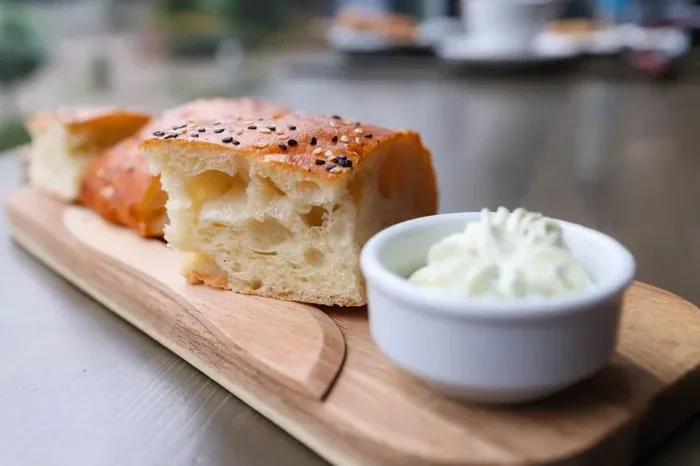
This old-fashioned method is surprisingly effective. Wrap your bread loaf in a clean, dry tea towel and place it on a cutting board or in a bread basket. The towel absorbs excess moisture while keeping the crust from drying out too fast. This method is perfect for crusty breads that you plan to eat within two or three days.
How to Keep Bread Fresh in the Freezer
The freezer is your best friend when it comes to long-term bread storage. Properly frozen bread can last for months without losing its texture or flavor. The key is to prepare the bread correctly before freezing it.
Step-by-Step Freezing Method
Follow these simple steps to freeze bread without plastic:
- Let the bread cool completely: Never freeze warm bread. It will create condensation and lead to ice crystals.
- Wrap in parchment paper: This creates a light barrier against freezer burn.
- Place in a reusable cloth bag or container: A beeswax wrap or linen bag works perfectly here.
- Label with the date: Most breads stay fresh in the freezer for up to three months.
- Thaw at room temperature: Remove from the freezer and let it sit for 1 to 2 hours before serving.
How to Reheat Frozen Bread
Reheating frozen bread brings back that fresh-from-the-oven feel. Place the loaf in a preheated oven at 350°F for 5 to 10 minutes. For individual slices, a toaster or toaster oven works great. If you want to crisp bread in oven after thawing, a quick trip in a 375°F oven for 3 to 4 minutes will restore the crust beautifully.
Many bakers prefer to slice bread before freezing it. This way, you can take out just what you need without thawing the entire loaf. It is a simple habit that saves time and reduces waste.
Common Mistakes That Make Bread Go Bad Faster
Even with the best storage methods, certain habits can shorten your bread’s life. Avoid these common mistakes to get the most out of every loaf.
Storing Bread in the Refrigerator
This is the number one mistake people make. The refrigerator speeds up staling because the cold temperatures cause starch molecules to crystallize faster. Your bread will feel hard and dry within hours in the fridge. Always store bread at room temperature or in the freezer instead.
Using Tight Plastic Containers
While not plastic wrap, tight-sealing plastic containers can trap moisture the same way. If you must use a container, choose one with small ventilation holes or leave the lid slightly open. A breathable container lets gases escape and prevents the soggy, moldy bread problem.
Cutting All the Way Through
Every time you cut through the crust, you create an opening for air and moisture to enter. If you only need a few slices, tear them off instead of using a knife. This keeps the remaining loaf intact and fresh for longer.
Ignoring the Cut Side
If you have already sliced into a loaf, store it with the cut side down on a cutting board or wrapped in a cloth. The cut side is the most vulnerable to drying out and mold growth. Facing it down creates a natural seal that slows moisture loss.
How to Revive Stale Bread
Even with the best storage, bread will eventually go stale. The good news is that you can bring it back to life with a few simple methods. These tricks work for most types of bread and require nothing more than your oven or a microwave.
The Oven Method
Spritz the stale loaf lightly with water and wrap it in aluminum foil. Place it in a preheated oven at 300°F for 10 to 15 minutes. The steam inside the foil softens the crumb while the heat refreshes the crust. This method works wonders for crusty artisan loaves and sandwich bread alike.
The Microwave Method
For a quick fix, wrap the bread in a damp paper towel and microwave it for 10 to 15 seconds. The steam from the towel softens the bread without cooking it too much. This method is best for slices rather than whole loaves.
Turn Stale Bread into Something New
If the bread is too stale to revive, do not throw it away. Stale bread makes excellent croutons, bread pudding, and breadcrumbs. Simply cube it, toss it with olive oil and herbs, and bake it at 375°F for 10 minutes for homemade croutons. You can also blend it into fine crumbs and store bread crumbs in a glass jar for later use.
Another great option is to use stale bread for French toast or bread soup. Many traditional recipes were built around day-old bread. There is no waste when you get creative with your kitchen.
Different Breads Need Different Storage Methods
Not all bread is the same, and your storage method should match the type of loaf you have. A soft sandwich loaf needs different care than a crusty baguette or a dense rye bread.
Soft Sandwich Bread
Soft bread dries out quickly and is prone to mold. Store it in a bread box or cloth bag at room temperature. If you will not finish it within three days, slice it and freeze it. When ready to eat, toast the slices directly from frozen for the best texture.
Crusty Artisan and Sourdough Loaves
Crusty breads need airflow to stay crispy. Store them in a paper bag or a linen cloth on the counter. Never store crusty bread in an airtight container, as trapped moisture will make the crust soggy. If the crust softens, a quick reheat in the oven will bring it back to life.
Rolls and Buns
Smaller breads like rolls and buns dry out very fast. Store them in a cloth bag or wrap them together in a tea towel. They are also great candidates for freezing. Freeze them in a single layer on a baking sheet, then transfer them to a reusable bag once frozen solid.
Specialty Breads
Breads with added ingredients like nuts, seeds, or dried fruit tend to stay fresh longer because those ingredients help retain moisture. You can store them using the same methods as regular bread. For long-term storage, freezing works best for all specialty loaves.
Eco-Friendly Storage Products Worth Trying
If you want to invest in a few tools that make plastic-free bread storage easier, here are some products worth considering.
- Linen bread bags: Breathable, washable, and available in many sizes. They are the most popular plastic-free alternative.
- Wooden bread boxes: Classic and effective. A good bread box lasts for years and looks great on the counter.
- Beeswax wraps: Reusable and compostable. They work well for half-loaves and individual servings.
- Ceramic bread crocks: These vintage-style containers provide excellent moisture control and ventilation.
- Reusable silicone bags: A more durable option that seals well but still allows some airflow when left slightly open.
Each of these options replaces single-use plastic and helps reduce kitchen waste. Start with one or two and see which method fits your routine best. Once you find what works, it becomes second nature.
Final Thoughts on Keeping Bread Fresh Without Plastic
Keeping bread fresh without plastic is simple, affordable, and better for the environment. A bread box, cloth bag, or freezer storage can extend your bread’s life by days or even weeks. The key is to match your storage method to the type of bread you have and how quickly you eat it.
Avoid the refrigerator, which speeds up staling, and always let bread cool before storing it. When bread does go stale, remember that you have options beyond throwing it away. Revive it in the oven, turn it into croutons, or freeze it for later use.
With these tips, you will waste less bread and enjoy every slice at its best. Start with one or two methods today and notice the difference in how long your loaves stay fresh. Your bread, your wallet, and the planet will thank you.
For more tips on bread storage and freshness, check out our guides on how to crisp bread in oven, how to store pita bread, and how to rise bread in oven for additional kitchen wisdom.
Frequently Asked Questions
Can I store bread without any container at all?
Yes, you can place bread on a clean cutting board with a clean cloth draped over it. This allows airflow while keeping dust away. Just make sure the cloth is dry, as moisture will encourage mold growth.
How long does bread stay fresh without plastic?
Most breads stay fresh for 2 to 4 days at room temperature when stored properly in a bread box or cloth bag. Freezing extends that to 2 to 3 months without any loss in quality.
Is it better to store bread whole or sliced?
Storing bread whole keeps it fresher longer because the cut side is exposed to air. Slice only what you need and store the rest intact. This simple habit can add a day or two to your bread’s freshness.
Can I use a paper bag to store bread?
Yes, paper bags are a great plastic-free option. They absorb excess moisture while allowing air to circulate. Paper bags work especially well for crusty breads like baguettes and artisan loaves.
What is the best way to keep bread from getting moldy?
The best way is to store bread in a breathable container like a bread box or cloth bag. Keep bread at room temperature, not in the fridge, and avoid sealing it in anything airtight. Mold needs moisture, so keeping airflow steady is key.
Can I freeze bread without wrapping it?
It is not recommended. Always wrap bread in parchment paper or a cloth bag before freezing. This prevents freezer burn and keeps the bread from absorbing odors from other foods in your freezer.