Cornish hens recipes in oven are the perfect solution for a quick and elegant weeknight dinner. These small whole chickens roast beautifully, making them ideal for busy families who want something special without the fuss. With the right cornish hen oven temperature and a few simple ingredients, you can serve a restaurant-quality meal in under an hour. This guide covers everything from prep to plating so you can cook oven roasted Cornish hens like a pro.
Cornish hens recipes in oven have become one of the most popular dinner options for home cooks. These small birds look impressive on the plate but are surprisingly easy to prepare. Whether you are cooking for two or feeding a small family, Cornish hens deliver big flavor with very little effort.
If you have been searching for a dinner idea that feels special but does not require hours in the kitchen, you are in the right place. This guide walks you through everything you need to know about making oven roasted Cornish hens that your whole family will love. From seasoning tips to cooking times, you will find practical advice that works every single time.
What makes Cornish hens so appealing is their size. Unlike a full-sized chicken that can take over an hour to cook, a Cornish hen cooks quickly and evenly. This means less time waiting and more time enjoying your meal. Let us dive into the details and explore the best ways to prepare these little birds in your oven.
Key Takeaways
- Easy Weeknight Meals: Cornish hens recipes in oven are simple, fast, and require minimal prep.
- Perfect for Small Groups: One whole Cornish hen per person makes portion control effortless.
- Versatile Seasoning Options: You can use herbs, garlic, citrus, or butter to customize flavors.
- Consistent Results: Knowing the right Cornish hen cooking time and temperature ensures juicy meat every time.
- Great Side Pairings: Roasted vegetables, mashed potatoes, and salads complement Cornish hens perfectly.
- Beginner-Friendly: Even first-time cooks can achieve excellent results with these straightforward methods.
- Meal Prep Friendly: Cornish hens can be prepped ahead and roasted on demand for busy schedules.
📑 Table of Contents
Why Cornish Hens Make Perfect Weeknight Dinners
What Makes Cornish Hens So Special
A Cornish hen is actually a young chicken, typically under five weeks old. They weigh between one and two pounds, which makes them the perfect individual serving size. Because they are small, they cook much faster than a full chicken.
Many people think Cornish hens are only for fancy dinners or holiday meals. That is not true at all. You can whip up a delicious Cornish hen recipe on any Tuesday night with ingredients you probably already have in your pantry. The tender meat and crispy skin make every bite feel indulgent.
Another great thing about Cornish hens is their versatility. You can roast them, bake them, or even grill them. But the oven method remains the most popular because it is hands-off and produces consistently great results. You just season the bird, pop it in the oven, and let it do its thing.
How Many Cornish Hens Per Person
The general rule is simple. Plan for one whole Cornish hen per person. Since each bird weighs about one to two pounds, this gives everyone a generous serving. If you are serving a large side dish or salad, one bird per person still works perfectly.
For a family of four, you would buy four Cornish hens. This makes shopping and portion planning very easy. You do not have to worry about carving or dividing a large bird. Each person gets their own individual roasted Cornish hen, which also makes the meal feel more special and restaurant-like.
How to Prep Cornish Hens for the Oven
Thawing and Cleaning Your Cornish Hens
Before you start cooking, proper preparation matters a lot. If your Cornish hens are frozen, plan ahead. The safest way to thaw them is to place them in the refrigerator the night before. This gives them enough time to thaw evenly without entering the danger zone for bacteria.
Once thawed, remove the packaging and pat the birds dry with paper towels. This step is important because dry skin helps achieve that crispy exterior everyone loves. Remove any giblets from the cavity and discard them or save them for gravy if you like.
Rinse the hens inside and out under cold water. Then pat them dry again. Some cooks like to leave the skin on for maximum crispiness, while others prefer to remove it. Leaving the skin on adds flavor and helps keep the meat moist during cooking.
Seasoning and Stuffing Ideas
Seasoning a Cornish hen is where the fun begins. A simple blend of olive oil, salt, pepper, garlic powder, and dried herbs works beautifully. You can also use fresh herbs like rosemary, thyme, or sage for an extra layer of flavor.
For a herb roasted Cornish hen, try mixing softened butter with minced garlic, lemon zest, and chopped fresh parsley. Gently loosen the skin and spread the butter mixture directly onto the meat. This technique keeps the bird incredibly juicy and adds a rich, savory flavor that pairs well with any side dish.
Stuffed Cornish hens are another fantastic option. You can fill the cavity with lemon slices, fresh herbs, or even a small amount of cooked rice and vegetables. The stuffing infuses the meat with flavor as it cooks. Just make sure not to overstuff, or the bird may not cook evenly.
Best Cornish Hens Recipes in Oven
Classic Herb Roasted Cornish Hens
This is the go-to recipe for most home cooks. Start by preheating your oven to 425 degrees Fahrenheit. While the oven heats, pat your Cornish hens dry and rub them with olive oil. Season generously with salt, pepper, garlic powder, onion powder, and dried thyme.
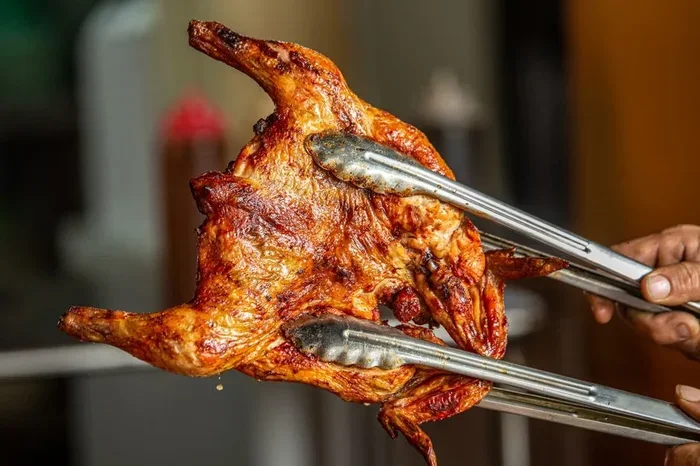
Place the hens breast-side up in a baking dish or on a wire rack set inside a roasting pan. Roast for about 45 to 55 minutes, or until the internal temperature reaches 165 degrees Fahrenheit. The skin should be golden brown and crispy. Let the hens rest for five to ten minutes before serving.
This recipe is foolproof and requires very little prep time. It is the ideal easy Cornish hens option for busy weeknights. You can serve it with roasted potatoes, green beans, or a simple mixed salad for a complete meal.
Garlic Butter Cornish Hens
For a richer flavor, garlic butter Cornish hens are hard to beat. Mix softened butter with minced garlic, a squeeze of lemon juice, chopped parsley, and a pinch of salt. Loosen the skin over the breast and thighs, then spread the garlic butter directly onto the meat beneath the skin.
Rub the outside of the hens with the remaining butter mixture. Roast at 400 degrees Fahrenheit for about 50 minutes. The butter helps keep the meat tender and adds a luxurious richness to every bite. This method produces a beautiful golden color and an aroma that will fill your entire kitchen.
If you want extra crispy skin, switch the oven to broil for the last two to three minutes. Watch it closely so it does not burn. The result is a crispy, flavorful exterior with juicy, tender meat inside. This is one of the most popular cornish hen recipe ideas for dinner parties.
Stuffed Cornish Hens with Citrus
Stuffed Cornish hens make for an elegant dinner that still feels approachable. Cut oranges and lemons into thin slices. Place a few slices inside each bird along with fresh rosemary and thyme sprigs.
Rub the outside with olive oil and season with salt, pepper, and paprika. Roast at 375 degrees Fahrenheit for about 55 to 65 minutes. The citrus slices steam inside the cavity and infuse the meat with a bright, fresh flavor. The acidity from the citrus also helps tenderize the meat naturally.
This recipe works beautifully as a centerpiece for a small gathering. Serve alongside couscous, roasted root vegetables, or a grain salad. The combination of flavors is vibrant and satisfying without being heavy.
Cornish Hen Cooking Time and Temperature
Recommended Oven Temperatures
The best Cornish hen oven temperature depends on the recipe you are using. Most recipes call for temperatures between 375 and 425 degrees Fahrenheit. A higher temperature like 425 degrees gives you crispier skin in less time, while 375 degrees produces more even cooking throughout.
For a standard whole Cornish hen, 400 degrees Fahrenheit is a great middle ground. It cooks the bird evenly while still allowing the skin to crisp up nicely. If you are cooking multiple hens at once, you may need to add a few extra minutes to the cooking time to account for the extra mass in the oven.
Always use a meat thermometer to check doneness. Insert it into the thickest part of the thigh, making sure it does not touch the bone. The internal temperature should read 165 degrees Fahrenheit for safe consumption.
How Long to Cook Cornish Hens
Cooking time varies based on the size of the bird and the oven temperature. At 400 degrees Fahrenheit, a one-and-a-half-pound Cornish hen typically takes about 45 to 55 minutes. Larger birds closer to two pounds may need closer to 60 minutes.
Here is a quick reference guide:
- 1 to 1.5 pounds at 400F: 40 to 50 minutes
- 1.5 to 2 pounds at 400F: 50 to 60 minutes
- 1 to 1.5 pounds at 375F: 50 to 60 minutes
- 1.5 to 2 pounds at 375F: 60 to 70 minutes
These times are approximate. Always rely on your meat thermometer for the most accurate results. Let the bird rest for at least five minutes after removing it from the oven. This allows the juices to redistribute, which keeps the meat moist and flavorful.
Serving and Pairing Cornish Hens
Best Side Dishes for Cornish Hens
Cornish hens pair well with a wide variety of side dishes. Roasted vegetables like carrots, Brussels sprouts, and sweet potatoes are classic choices. Their natural sweetness complements the savory flavor of the roasted bird perfectly.
For a lighter option, serve Cornish hens with a fresh green salad or steamed green beans. A lemon vinaigrette adds a bright note that balances the richness of the roasted meat. Mashed potatoes and gravy are another comforting pairing that makes the meal feel complete and hearty.
If you are looking for something different, try serving Cornish hens with a grain pilaf or wild rice. These sides absorb the juices from the bird and add a nutty, satisfying texture to the plate. The possibilities are truly endless when it comes to Cornish hen sides.
How to Keep Cornish Hens Warm
If you are cooking for a larger group and need to keep the hens warm while finishing other dishes, there are a few simple tricks. Cover the roasted hens loosely with aluminum foil and place them in a warm spot in the kitchen. The foil traps the heat without steaming the skin and making it soggy.
Another option is to place the hens in a low oven set to 200 degrees Fahrenheit. This keeps them warm without overcooking them. If you are worried about drying out the meat, you can also tent the hens with foil and place a damp cloth underneath for extra moisture retention.
For more detailed guidance on keeping poultry warm in the oven, check out our guide on how to keep ribs warm in the oven. The same principles apply to Cornish hens and other small roasted meats.
Common Mistakes to Avoid
Overcooking the Meat
The most common mistake people make with Cornish hens is overcooking them. Because these birds are small, they can go from perfectly done to dry and tough in just a few minutes. Always set a timer and check the internal temperature frequently as the bird approaches the end of the cooking time.
Remember that the temperature will continue to rise a few degrees after you remove the hen from the oven. This is called carryover cooking. Pull the bird out when the thermometer reads about 160 degrees Fahrenheit. By the time you carve and serve it, the temperature will have risen to the safe 165 degrees.
Skipping the Resting Period
Letting the Cornish hen rest after cooking is just as important as the cooking itself. When you cut into a hot bird immediately, the juices run out onto the cutting board instead of staying in the meat. This leaves you with dry, less flavorful results.
Give your roasted Cornish hens at least five to ten minutes of resting time before carving. Tent them loosely with foil during this time. The juices will redistribute throughout the meat, giving you a much more succulent and flavorful result every time.
Not Drying the Skin Before Cooking
Moisture is the enemy of crispy skin. If you skip the step of patting the Cornish hens dry before seasoning and roasting, you will end up with pale, soft skin instead of that beautiful golden crunch. Take the extra minute to dry the bird thoroughly with paper towels before applying any oil or seasoning.
For even crispier results, you can leave the uncovered birds in the refrigerator overnight. This dries the surface of the skin further, which leads to a more dramatic crisp when they hit the hot oven. It is a small step that makes a big difference.
Expert Tips for Perfect Cornish Hens Every Time
Want to take your Cornish hens to the next level? Here are a few expert tips that make a noticeable difference. First, brine your Cornish hens for a few hours before cooking. A simple brine of water, salt, sugar, and bay leaves adds flavor and helps the meat retain moisture during roasting.
Second, let the hens come to room temperature before putting them in the oven. Take them out of the refrigerator about 20 to 30 minutes before cooking. This ensures more even cooking throughout the bird. Cold centers and overcooked edges are a thing of the past.
Third, baste the hens halfway through cooking. Use the pan juices or a simple mixture of melted butter and herbs. This adds flavor and helps the skin brown evenly. For more oven cooking inspiration, you might enjoy our article on how to dehydrate vegetables in the oven or learn more about oven techniques in our how to dry basil in the oven guide.
Finally, do not be afraid to experiment with flavors. Cornish hens are a blank canvas that takes on whatever seasonings you choose. Try different spice blends, marinades, and stuffings to find your personal favorite. Cooking should be fun, and these little birds are the perfect canvas for creativity.
Conclusion
Cornish hens recipes in oven offer a wonderful way to enjoy a delicious, restaurant-quality meal without the stress of a complicated dinner. These small birds cook quickly, pair with almost any side dish, and look beautiful on the plate. Whether you choose a classic herb roast, a garlic butter version, or a citrus-stuffed creation, you will find that Cornish hens are incredibly forgiving and hard to mess up.
The key to success lies in proper preparation, the right oven temperature, and paying attention to cooking times. With the tips and recipes shared in this guide, you have everything you need to make oven roasted Cornish hens a regular part of your weeknight rotation. They are simple enough for beginners and impressive enough for guests.
So the next time you are wondering what to make for dinner, skip the takeout menu and reach for a Cornish hen. Your taste buds will thank you. Happy cooking!
Frequently Asked Questions
Can you cook frozen Cornish hens in the oven?
Yes, you can cook frozen Cornish hens in the oven, but you will need to add extra cooking time. It is best to thaw them in the refrigerator overnight for more even cooking. If cooking from frozen, add about 15 to 20 minutes to the normal cooking time and use a meat thermometer to ensure they reach 165 degrees Fahrenheit inside.
What temperature should Cornish hens be cooked to?
The internal temperature of a cooked Cornish hen should reach 165 degrees Fahrenheit in the thickest part of the thigh. This is the safe temperature recommended by food safety guidelines. Always use a meat thermometer to check, and remember that the temperature will continue to rise slightly after removing the bird from the oven due to carryover cooking.
How do you know when Cornish hens are done?
The best way to tell is by using a meat thermometer. Insert it into the thickest part of the thigh without touching the bone. When it reads 165 degrees Fahrenheit, the hens are done. You can also check by piercing the thigh and seeing if the juices run clear rather than pink.
Can you stuff Cornish hens before roasting?
Yes, you can stuff Cornish hens before roasting. Popular stuffing options include citrus slices, fresh herbs, garlic cloves, and even a small amount of cooked rice or bread stuffing. Just be careful not to overstuff the cavity, as this can prevent the bird from cooking evenly. Keep the stuffing loose so heat can circulate properly inside the bird.
What sides go best with oven roasted Cornish hens?
Cornish hens pair well with roasted vegetables like carrots, potatoes, and Brussels sprouts. Mashed potatoes, steamed green beans, and fresh salads also make excellent sides. For a lighter meal, try serving them with couscous, quinoa, or a grain pilaf. The mild flavor of Cornish hen meat complements both savory and bright, fresh side dishes.
How long do cooked Cornish hens last in the fridge?
Cooked Cornish hens can be stored in the refrigerator for up to three to four days. Make sure they cool to room temperature within two hours of cooking, then store them in an airtight container. Reheat leftovers in the oven at 350 degrees Fahrenheit until warmed through to maintain the best texture and flavor.