
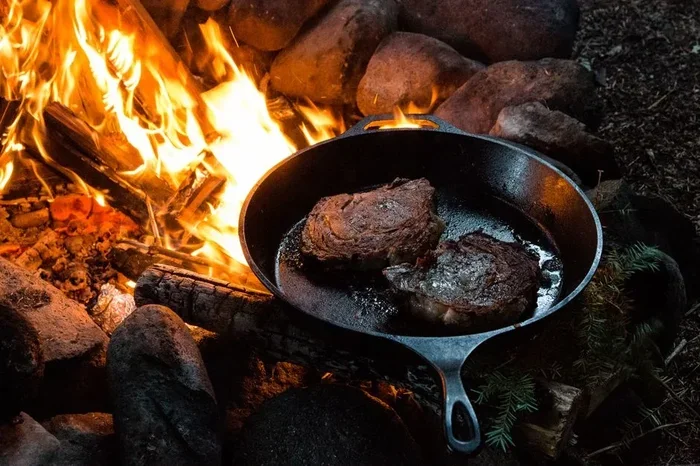
Cooking filet mignon stove to oven is the best way to achieve a restaurant-quality steak at home. This method combines a hot sear on the stovetop with a gentle finish in the oven, giving you a perfectly pink, tender center with a golden crust. You will learn the exact temperatures, timing, and seasoning tricks that make this technique foolproof for any skill level.
There is something deeply satisfying about cooking a great steak at home. The sizzle of beef hitting a hot pan, the rich aroma filling your kitchen, and the moment you slice into a perfectly pink center — it all feels like a reward. If you have ever wondered how to get that restaurant-quality result with filet mignon stove to oven, you are in the right place.
This guide walks you through every step of the process. From choosing the right cut to pulling it off the heat at the perfect moment, you will find everything you need. The stove-to-oven method is simple, reliable, and incredibly forgiving. Whether you are a beginner or a seasoned home cook, this approach will change the way you cook steak forever.
The beauty of combining a stovetop sear with an oven finish is that you get the best of both worlds. The pan gives you a deep, caramelized crust. The oven gently cooks the inside without burning the outside. It is a technique used by chefs in fine dining kitchens, and now you can do it at home with confidence.
Key Takeaways
- Stove-to-oven cooking ensures even doneness from edge to center.
- Searing first locks in juices and builds a flavorful crust.
- Using a meat thermometer is the single most important tool for perfect steak.
- Resting the steak after cooking keeps it juicy and tender.
- Cast iron skillets are the best pan for this method.
- Butter basting adds richness and a restaurant-quality finish.
- Thickness matters — aim for at least 1.5 inches for best results.
📑 Table of Contents
Why Cook Filet Mignon Stove to Oven?
The stove-to-oven method is not just a fancy technique. It is a practical, proven way to cook steak evenly. When you only use the stovetop, the outside can burn before the inside reaches your desired doneness. When you only use the oven, you miss out on that beautiful crust. Combining both methods solves both problems.
Here is why this approach works so well for beef tenderloin and filet mignon specifically:
- Even cooking: The oven heat surrounds the steak, cooking it uniformly from all sides.
- Better crust: A hot cast iron pan creates a Maillard reaction that adds deep flavor.
- Juicy results: The quick sear seals in juices, and the gentle oven finish keeps them locked inside.
- Easy to control: You can adjust the oven temperature to match your preferred level of doneness.
- Works for any thickness: Whether your steak is thin or thick, this method adapts easily.
This method is also similar to reverse sear techniques, but faster. You do not need to wait for a low-and-slow cook. The stovetop sear comes first, and the oven finishes the job in minutes. It is one of the fastest ways to get a perfect steak on the table.
The Science Behind the Sear
When you place a steak in a screaming-hot pan, something magical happens. The proteins and sugars on the surface react with the heat, creating hundreds of new flavor compounds. This is called the Maillard reaction, and it is what gives steak its deep brown color and complex taste. The sear does not just look good — it tastes incredible.
Many people think the sear locks in juices. That is actually a myth. But what the sear does do is create a barrier that slows moisture loss during the oven phase. So while it does not trap juices, it does help your steak stay moist during the gentle cooking that follows.
Choosing the Right Filet Mignon
Not all filet mignon steaks are created equal. The cut you choose makes a big difference in the final result. You want a steak that is at least 1.5 inches thick. Thinner steaks can overcook quickly in the oven, while thicker ones give you more control.
Look for these qualities when buying:
- Bright red color: Fresh beef should have a vibrant red hue, not brown or gray.
- Good marbling: Thin streaks of fat throughout the meat add flavor and juiciness.
- Consistent thickness: A uniform steak cooks more evenly from edge to center.
- Minimal liquid in the package: Excess liquid can mean the meat has been sitting too long.
If you can, buy from a trusted butcher or a reputable grocery store. The difference in quality between a well-sourced filet mignon and a generic one is noticeable. You might also consider dry aging if available, as it concentrates the beef flavor and creates a more tender texture.
How to Prep Your Steak
Proper preparation is the foundation of a great steak. Start by removing the filet mignon from the refrigerator about 30 to 45 minutes before cooking. Letting it come to room temperature helps it cook more evenly. A cold steak going into a hot pan can result in uneven doneness, with a cold center and an overcooked exterior.
Next, pat the steak dry with paper towels. Moisture on the surface creates steam instead of a sear, and you want a dry surface for maximum browning. This is the same principle used when how to make beef stew meat tender on the stove — drying the surface matters for proper browning.
Season generously with salt and freshly ground black pepper. You can also add garlic powder, onion powder, or your favorite steak seasoning. Keep it simple — the quality of the beef should shine through. Some cooks like to add a light coating of oil to the steak itself, while others prefer to oil the pan. Both methods work, but oiling the pan gives you more control over the amount of fat.
Essential Tools and Equipment
You do not need a lot of equipment to cook filet mignon stove to oven. But having the right tools makes the process smoother and more consistent. Here is what you will need:
- Cast iron skillet: This is the gold standard for stovetop searing. Cast iron holds heat incredibly well and distributes it evenly.
- Meat thermometer: This is non-negotiable. It takes the guesswork out of cooking and tells you exactly when your steak is done.
- Tongs: Use long-handled tongs to flip the steak without piercing it. Piercing releases juices and dries out the meat.
- Oven mitts: The skillet will be extremely hot when you transfer it to the oven. Protect your hands.
- A clean plate: For resting the steak after cooking. A warm plate helps keep the steak at a good temperature during rest.
If you do not have a cast iron skillet, a stainless steel pan works too. Avoid non-stick pans for searing, as they do not get hot enough to create a proper crust. The pan should be heavy and able to hold heat without dropping in temperature when the steak hits the surface.
Keeping your equipment in good shape matters as well. A well-maintained pan performs better, and sharp tools make a difference. For instance, learning how to properly maintain your gear, like how to sharpen a filet knife, makes slicing the finished steak much cleaner and more enjoyable.
Step-by-Step Cooking Instructions
Now for the part you have been waiting for — the actual cooking process. Follow these steps closely, and you will be rewarded with a stunning filet mignon every single time.
Step 1: Preheat the Oven
Set your oven to 400°F (200°C). Preheating is important because you want the oven to be at the right temperature the moment the steak goes in. A hot oven cooks the steak quickly and evenly, which is the whole point of this method.
Step 2: Heat the Skillet
Place your cast iron skillet on the stove over medium-high heat. Let it get ripping hot — we are talking about 2 to 3 minutes of preheating. You will know the pan is ready when a drop of water sizzles and evaporates instantly. This high heat is essential for a good sear.
Add a high-smoke-point oil like avocado oil or grapeseed oil to the pan. Wait about 30 seconds for the oil to heat up. You do not want the oil to smoke, so if it starts to smoke, pull the pan off the heat for a moment.
Step 3: Sear the Steak
Carefully place the filet mignon in the hot pan. It should sizzle loudly the moment it touches the surface. If it does not sizzle, the pan is not hot enough. Let the steak cook undisturbed for about 2 to 3 minutes. You want a deep brown crust on the bottom before you flip it.
Use tongs to flip the steak. Sear the other side for another 2 to 3 minutes. If your steak is thick, you can also sear the edges by tilting the pan and using tongs to hold it in place. This creates an even crust all around.
Step 4: Add Aromatics (Optional but Recommended)
After both sides are seared, add a tablespoon of butter, a few crushed garlic cloves, and fresh thyme or rosemary to the pan. Tilt the skillet slightly and use a spoon to baste the steak with the melted butter. This technique, called butter basting, adds incredible flavor and a rich, golden finish.
Continue basting for about 30 seconds to 1 minute. The aromatics will infuse the butter, and the butter will brown slightly, adding nutty, complex flavors to the steak.
Step 5: Transfer to the Oven
Now the real magic happens. Move the entire skillet to the preheated oven. The oven finish gently cooks the inside of the steak to your desired doneness without overcooking the crust you just built.
Here is a general timing guide based on steak thickness and desired doneness:
- Rare: About 5 to 6 minutes at 400°F for a 1.5-inch steak
- Medium Rare: About 6 to 8 minutes at 400°F for a 1.5-inch steak
- Medium: About 8 to 10 minutes at 400°F for a 1.5-inch steak
- Medium Well: About 10 to 12 minutes at 400°F for a 1.5-inch steak
These times are approximate. The only way to know for sure is with a meat thermometer. Insert it into the thickest part of the steak, away from the bone or any fat. Here are the internal temperatures you are aiming for:
- 120°F: Rare
- 130°F: Medium Rare
- 140°F: Medium
- 150°F: Medium Well
- 160°F: Well Done
Remember that the temperature will rise about 5 degrees after you remove the steak from the oven. This is called carryover cooking, and it is why many experts recommend pulling the steak a few degrees early.
Step 6: Rest the Steak
This step is just as important as the cooking itself. Transfer the steak to a warm plate and let it rest for at least 5 to 10 minutes. During resting, the juices inside the steak redistribute and settle. If you cut into it too soon, those juices will run out onto the plate, leaving you with a drier steak.
Resting also allows the internal temperature to equalize, so every bite is perfectly consistent. Some cooks tent the steak loosely with aluminum foil during resting, but this is optional. If you are in a hurry, even 5 minutes of rest makes a noticeable difference.
Common Mistakes to Avoid
Even experienced cooks make mistakes when preparing filet mignon stove to oven. Here are the most common ones and how to avoid them:
- Starting with a cold steak: A cold center leads to uneven cooking. Always bring the steak to room temperature first.
- Skipping the dry pat: Surface moisture prevents a good sear. Dry the steak thoroughly before seasoning.
- Overcrowding the pan: Cook one steak at a time if possible. Multiple steaks lower the pan temperature and create steam instead of a sear.
- Not using a thermometer: Guessing doneness leads to overcooked or undercooked steak every time.
- Cutting too early: Skipping the rest period means losing valuable juices.
- Using the wrong oil: Olive oil has a low smoke point and can burn at high heat. Stick with avocado oil or another high-smoke-point option.
Another mistake people make is getting frustrated when the first attempt is not perfect. Cooking is a skill that improves with practice. Even if your first steak is not flawless, you will learn something valuable for the next one. Think of it like learning how to fix tough corned beef on the stove — every attempt teaches you something new about heat control and timing.
Serving Suggestions and Pairings
A perfectly cooked filet mignon deserves equally great accompaniments. Here are some ideas to complete the meal:
- Roasted vegetables: Asparagus, broccoli, or roasted carrots complement the richness of the steak.
- Garlic mashed potatoes: A classic pairing that soaks up the pan juices beautifully.
- Crispy bread: A warm, crusty loaf is perfect for mopping up the remaining butter and juices from the skillet.
- Simple green salad: A light salad with a bright vinaigrette cuts through the richness of the beef.
- Red wine sauce: A quick pan sauce made with red wine, shallots, and butter elevates the dish to restaurant quality.
The beauty of this method is that while the steak cooks in the oven, you have time to prepare sides. Use those few minutes to whip up a quick sauce or toss a salad together. By the time the steak has rested, everything is ready to plate.
Expert Tips for the Perfect Filet Mignon
Here are some pro tips that separate a good steak from a great one:
- Let the pan do the work: Do not move the steak around while it sears. Let the heat do its job and resist the urge to peek too early.
- Use compound butter: Mix softened butter with herbs like rosemary, thyme, and minced garlic. Drop a pat on the steak after resting for an extra layer of richness.
- Season generously: Do not be shy with the salt. It brings out the natural flavor of the beef and helps create a better crust.
- Preheat the oven fully: A fully preheated oven ensures consistent cooking. Use an oven thermometer if yours runs hot or cold.
- Experiment with wood-fired finishing: If you have access to a wood-fired setup, finishing the steak over wood adds a smoky dimension that pairs beautifully with the buttery texture of filet mignon.
The more you cook using this method, the more intuitive it becomes. You will start to recognize the sound of a proper sear, the smell of a perfectly heated pan, and the feel of a steak that is ready to rest. It becomes second nature over time.
Conclusion
Cooking filet mignon stove to oven is one of the most rewarding things you can do in the kitchen. It is a technique that delivers consistent, restaurant-quality results with minimal effort. The combination of a hot sear and a gentle oven finish creates a steak that is golden on the outside and perfectly pink on the inside.
Remember to choose a good cut, prep it properly, use a cast iron skillet, and always rely on a meat thermometer. Let the steak rest before serving, and pair it with your favorite sides for a complete meal. With practice, this method will become your go-to way to cook steak at home.
Whether you are cooking for a special occasion or treating yourself to a weeknight dinner, this technique will never let you down. Grab a filet mignon, preheat your oven, and get ready to make the best steak of your life.
Frequently Asked Questions
What is the best oven temperature for filet mignon stove to oven?
400°F (200°C) is the ideal temperature for finishing filet mignon in the oven. It cooks the steak evenly without burning the crust you built on the stovetop. If your oven tends to run hot, use an oven thermometer to verify the actual temperature inside.
How long should I sear filet mignon on the stove before moving it to the oven?
Sear each side for about 2 to 3 minutes over medium-high heat. You want a deep golden-brown crust before transferring to the oven. The exact time depends on your stove’s heat output and the thickness of the steak.
Do I need to oil the steak or the pan when cooking filet mignon stove to oven?
It is better to oil the pan rather than the steak. This gives you more control over the amount of oil and prevents the steak from becoming greasy. Use a high-smoke-point oil like avocado oil or grapeseed oil for the best results.
Can I use a different type of pan instead of cast iron?
Yes, stainless steel pans work well too. Avoid non-stick pans because they do not get hot enough to create a proper sear. The key is using a heavy pan that retains heat well throughout the cooking process.
How do I know when my filet mignon is done without cutting into it?
Use an instant-read meat thermometer inserted into the thickest part of the steak. Pull it at 120°F for rare, 130°F for medium rare, and 140°F for medium. Remember the temperature will rise about 5 degrees during resting.
Can I prepare filet mignon stove to oven in advance for a dinner party?
Absolutely. You can sear the steak ahead of time and store it in the refrigerator. When ready to serve, finish it in the oven at 400°F for a few minutes. This approach lets you focus on your guests while still delivering a perfectly cooked steak.



