
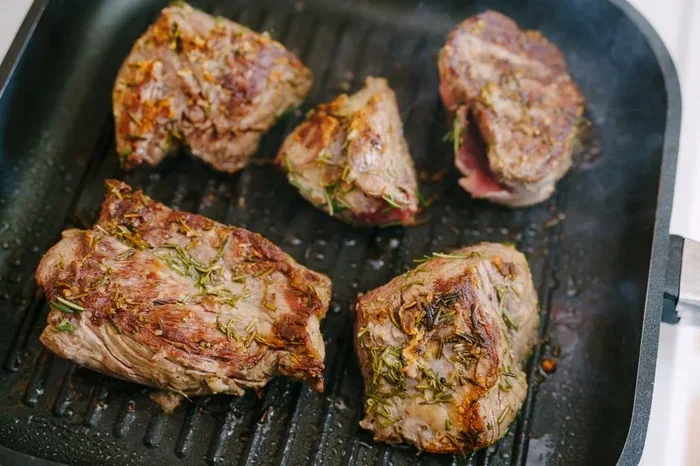
Master the filet mignon recipe perfect every time in cast iron skillet with our foolproof method. You will learn how to sear, season, and rest this premium cut for a juicy, restaurant-quality steak at home. This guide covers everything from selecting the best beef tenderloin to nailing the perfect internal temperature every single time.
There is something truly special about a perfectly cooked filet mignon. It is tender, juicy, and elegant all at once. Many home cooks think this premium cut is hard to nail. The truth is, once you know the right technique, it becomes simple.
A cast iron skillet is the best tool for the job. It retains heat beautifully and gives you that gorgeous, caramelized crust. In this guide, we will walk you through every step of the filet mignon recipe perfect every time in cast iron skillet. You will never settle for a dry, overcooked steak again.
Whether you are cooking for a special date night or treating yourself to a weekend dinner, this method works every time. Let us get into it.
Key Takeaways
- Use a quality cast iron skillet: It holds heat evenly and creates a stunning crust on your filet.
- Bring the steak to room temperature: This ensures even cooking from edge to center.
- Season simply but effectively: Salt, pepper, and garlic are all you need for a perfect filet.
- Use a meat thermometer: This is the single best way to achieve your desired steak doneness.
- Rest the steak before slicing: Resting keeps all those juicy juices locked inside the meat.
- Finish with compound butter: A steak butter adds richness and deep flavor instantly.
- Practice the sear and rest method: High heat searing followed by proper resting guarantees perfection.
📑 Table of Contents
Why Cast Iron Is the Best Pan for Filet Mignon
Not all pans are created equal when it comes to cooking steak. Cast iron stands in a league of its own. Here is why it is the go-to choice for searing a beautiful filet.
Superior Heat Retention
Cast iron holds heat incredibly well. When you place a cold steak on a hot skillet, the temperature barely drops. This means you get a consistent, even sear across the entire surface. Other pans simply cannot compete with this level of thermal stability.
If you have ever wondered why your steak steams instead of sears, the pan might be to blame. Thin pans lose heat the moment cold food hits them. A heavy cast iron skillet solves this problem completely.
The Maillard Reaction
That beautiful brown crust on a steak? That is the Maillard reaction at work. It happens when the surface of the meat reaches high temperatures and reacts with amino acids and sugars. Cast iron delivers the sustained high heat needed to trigger this reaction perfectly.
The result is a steak with incredible flavor and texture. The crust adds a satisfying crunch that contrasts beautifully with the tender interior. This is what separates a great home-cooked steak from an ordinary one.
Versatility in the Kitchen
A cast iron skillet does not just sear steak. You can use it on the stovetop, transfer it to the oven, or even take it straight to the table. This versatility makes it an essential piece of cast iron cooking equipment. If you are still deciding on cookware, check out our guide on cast iron or iron cookware which is best to understand the differences.
Choosing the Right Filet Mignon
Not all filet mignon cuts are the same. Selecting the right piece of beef tenderloin makes a huge difference in your final result. Here is what to look for.
Thickness Matters
Go for filets that are at least 1.5 inches thick. Thinner cuts overcook easily and lack that juicy center. A thicker steak gives you more room for error and allows for a better sear without burning the outside.
When shopping, look for cuts with a consistent diameter. Uneven thickness means uneven cooking. One end might be perfect while the other is overdone.
Marbling and Color
Good marbling means small streaks of fat running through the meat. This fat melts during cooking and keeps the filet moist and flavorful. Avoid cuts that look dull or gray. A bright, cherry-red color indicates freshness.
You do not need a lot of fat on a filet mignon. This cut is naturally lean compared to ribeye or strip steak. But a little marbling goes a long way in adding richness.
Buy Quality Beef
Whenever possible, buy from a trusted butcher or a reputable meat supplier. Grass-fed and grain-fed beef both work well. The key is freshness and quality. A premium cut of beef tenderloin will always outperform a cheaper alternative.
Preparing Your Filet Mignon
Preparation is where most people go wrong. They skip steps that make a real difference. Follow these prep tips and your steak will thank you.
Bring the Steak to Room Temperature
Take your filets out of the fridge 30 to 45 minutes before cooking. This lets the meat reach room temperature. Cold steak in a hot pan cooks unevenly. The outside burns while the inside stays raw.
Pat the steaks dry with paper towels before seasoning. Moisture on the surface creates steam instead of a sear. Dry meat browns beautifully and develops that perfect crust.
Seasoning the Perfect Filet
Keep it simple. Generous kosher salt and freshly cracked black pepper are all you need. Season both sides and all edges. Do this at least 40 minutes before cooking, or right before you sear.
Some cooks like to add garlic powder or a touch of smoked paprika. That is fine. But the magic of a great filet mignon comes from the quality of the beef itself. Do not overcomplicate it.
Preheat the Skillet
Place your cast iron skillet on the stove over medium-high heat. Let it get ripping hot. This usually takes about 3 to 5 minutes. You can test the heat by flicking a few drops of water onto the surface. If they sizzle and evaporate instantly, you are ready.
Add a high smoke-point oil like avocado oil or grapeseed oil. Swirl it around to coat the pan evenly. The oil should shimmer but not smoke.
Cooking the Filet Mignon to Perfection
This is the moment of truth. The actual cooking process is straightforward but requires attention and timing. Here is exactly how to do it.
Searing the Steak
Gently place the filet in the hot skillet. You should hear a loud, satisfying sizzle. If you do not, the pan is not hot enough. Let the steak cook undisturbed for 2 to 3 minutes. Resist the urge to move it around.
After the first side develops a deep brown crust, flip it using tongs. Sear the other side for another 2 to 3 minutes. Then, tilt the skillet slightly and use a spoon to baste the steak with the hot oil and rendered fat. This adds incredible flavor and helps cook the edges evenly.
Checking for Doneness
The only reliable way to know if your steak is done is with a meat thermometer. Insert it into the thickest part of the filet, horizontally. Here are the internal temperatures for different levels of doneness:
- Rare: 120°F to 125°F
- Medium Rare: 130°F to 135°F
- Medium: 140°F to 145°F
- Medium Well: 150°F to 155°F
- Well Done: 160°F and above
Most people prefer medium rare for filet mignon. It gives you a warm, pink center with maximum juiciness. Remember that the temperature will rise a few degrees while the steak rests.
The Oven Finish (Optional)
For thicker filets, you can finish cooking in the oven after searing. Transfer the skillet to a preheated oven at 400°F. Cook for 4 to 6 minutes, depending on thickness. This method ensures even cooking from edge to center without over-searing the outside.
This sear and rest method is a favorite among chefs. It gives you control and consistency every single time.
Resting and Finishing Your Steak
Resting is not optional. It is essential. Cutting into a hot steak immediately sends all those delicious juices running onto the plate. Nobody wants that.
Why Resting Matters
When you cook a steak, the heat pushes the juices toward the center. Resting allows those juices to redistribute throughout the meat. The result is a uniformly juicy, tender filet in every single bite.
Let your steak rest for at least 5 to 8 minutes. Tent it loosely with aluminum foil. Do not wrap it tightly, as that traps steam and can make the crust soggy.
Adding Steak Butter
Here is a pro tip that takes your filet to the next level. While the steak rests, make a quick compound steak butter. Mix softened butter with minced garlic, fresh herbs like thyme and rosemary, and a pinch of flaky sea salt.
Place a generous dollop of this herb butter on top of the rested steak. It will melt slowly, soaking into the meat and adding richness and aroma. This simple addition transforms a great steak into an unforgettable one.
Common Mistakes to Avoid
Even experienced cooks make errors when preparing filet mignon. Here are the most common mistakes and how to avoid them.
Starting with a Cold Steak
Cooking a cold steak straight from the fridge leads to uneven cooking. The outside overcooks while the inside remains underdone. Always bring your filet to room temperature first. This small step makes a massive difference in the final result.
Not Drying the Surface
Moisture is the enemy of a good sear. Wet steak surfaces steam instead of brown. Always pat your filets thoroughly dry with paper towels before seasoning and placing them in the pan.
Overcrowding the Pan
Cook one or two filets at a time. Overcrowding drops the skillet temperature and creates steam. You want each steak to have full contact with the hot surface for the best crust possible.
Skipping the Thermometer
guessing when a steak is done is a recipe for disappointment. A meat thermometer removes all guesswork. It is inexpensive and takes the stress out of cooking steak perfectly every time.
Storing and Reheating Leftover Filet
If you somehow have leftover filet mignon, store it properly to preserve its quality. Place the cooked steak in an airtight container and refrigerate within two hours. It will keep for up to three days in the fridge.
To reheat, use a low oven temperature around 250°F. This gentle heat warms the steak without drying it out. You can also reheat in a cast iron skillet on low heat with a lid on. The goal is to warm it evenly without cooking it further.
For more kitchen tips and tricks, explore our article on how to store food in mylar bags for long-term preservation, or check out our guide on best cast iron griddle for induction cooktop if you are looking for more versatile cooking tools.
Final Thoughts
The filet mignon recipe perfect every time in cast iron skillet is simpler than most people think. It all comes down to quality ingredients, proper preparation, and patient cooking. Start with a good cut of beef tenderloin, season it well, and use high heat to build a beautiful crust.
Let the steak rest before you cut into it. Finish it with a compound butter for an extra layer of flavor. These steps turn an ordinary dinner into something truly memorable.
Once you master this method, you will never go back to dry, overcooked steak. You will have the confidence to cook a perfect filet mignon every single time. So grab your cast iron skillet, pick up a quality cut of beef, and get cooking. Your perfect steak is waiting.
Frequently Asked Questions
What is the best cut of beef for filet mignon in a cast iron skillet?
Look for beef tenderloin cuts that are at least 1.5 inches thick with good marbling. A center-cut filet works best because of its uniform shape. Fresh, high-quality beef tenderloin will always give you the best results when searing in cast iron.
How long should I rest my filet mignon after cooking?
Rest your steak for at least 5 to 8 minutes after cooking. This allows the juices to redistribute throughout the meat. Tent it loosely with foil to keep it warm without making the crust soggy.
Can I use a different pan instead of cast iron for filet mignon?
A cast iron skillet is ideal, but a heavy stainless steel pan can work too. Avoid non-stick pans for steak because they cannot handle the high heat needed for a proper sear. If you are deciding on cookware, check out our guide on cast iron or iron cookware which is best for more details.
What temperature should my filet mignon be when done?
For medium rare, aim for an internal temperature of 130°F to 135°F. Use a meat thermometer for accuracy. The temperature will rise a few degrees as the steak rests, so pull it off the heat a few degrees below your target.
How do I prevent my filet mignon from sticking to the cast iron skillet?
Make sure the skillet is hot enough before adding the steak. Pat the meat dry and use a high smoke-point oil like avocado oil. When the pan is properly heated, the steak will release easily once a good crust forms.
What is the best steak butter to use on filet mignon?
A simple compound butter made with softened butter, minced garlic, fresh herbs, and flaky salt works wonders. Place it on top of the rested steak and let it melt slowly. This adds richness and deep flavor that complements the tender filet perfectly.



