Cast iron and iron cookware are both beloved in kitchens worldwide, but they serve different purposes. Cast iron, with its thick walls and exceptional heat retention, excels at searing, baking, and slow-cooking. Meanwhile, pure iron cookware—though rare—is lighter and more reactive but harder to maintain. For most home cooks, cast iron offers unmatched versatility and longevity.
When you step into any well-equipped kitchen, chances are you’ll spot a trusty cast iron skillet or dutch oven sitting proudly on the stovetop or hanging neatly on a rack. These heavy-duty pieces have earned their place not just through tradition, but through performance. But if you’ve ever wondered whether “cast iron” and “iron cookware” mean the same thing—or what sets them apart—you’re not alone.
In this deep dive, we’ll explore everything from how these materials behave on the stove to their health implications, maintenance routines, and ideal use cases. By the end, you’ll know exactly which kind of iron cookware fits your cooking style, lifestyle, and kitchen goals.
So let’s get started—because choosing between cast iron and iron cookware isn’t just about metal types; it’s about finding the right tool for every recipe.
Key Takeaways
- Cast iron is a type of iron cookware that’s been cast into shape, while true “iron” cookware refers to wrought or forged iron, which is less common today.
- Cast iron retains heat better than stainless steel or aluminum due to its mass, making it ideal for consistent, even cooking.
- Iron cookware can leach small amounts of iron into food, offering a nutritional benefit—especially helpful for those with iron deficiency.
- Maintenance differs significantly: cast iron needs seasoning (oil coating), while bare iron requires careful drying and oiling to prevent rust.
- Weight varies: cast iron pans are heavy and stable, whereas pure iron skillets are lighter but may wobble on burners.
- Heat distribution is superior in cast iron, especially in well-seasoned surfaces, reducing hot spots during cooking.
- Both types can last generations with proper care, but cast iron is more widely available and beginner-friendly.
📑 Table of Contents
- What Is Cast Iron Cookware?
- Understanding True Iron vs. Cast Iron
- How Does Cast Iron Perform Compared to Other Materials?
- Pros and Cons of Cast Iron Cookware
- Is Iron Cookware Good for Your Health?
- Cost Comparison: Cast Iron vs. Alternatives
- Which Type of Cookware Is Right for You?
- Final Thoughts: Why Cast Iron Still Reigns Supreme
What Is Cast Iron Cookware?
Cast iron cookware has been around since ancient times, dating back over 6,000 years to Mesopotamia. It’s made by melting pig iron and pouring it into molds—hence the term “cast.” The result? A dense, solid piece of cookware known for its incredible durability and heat retention.
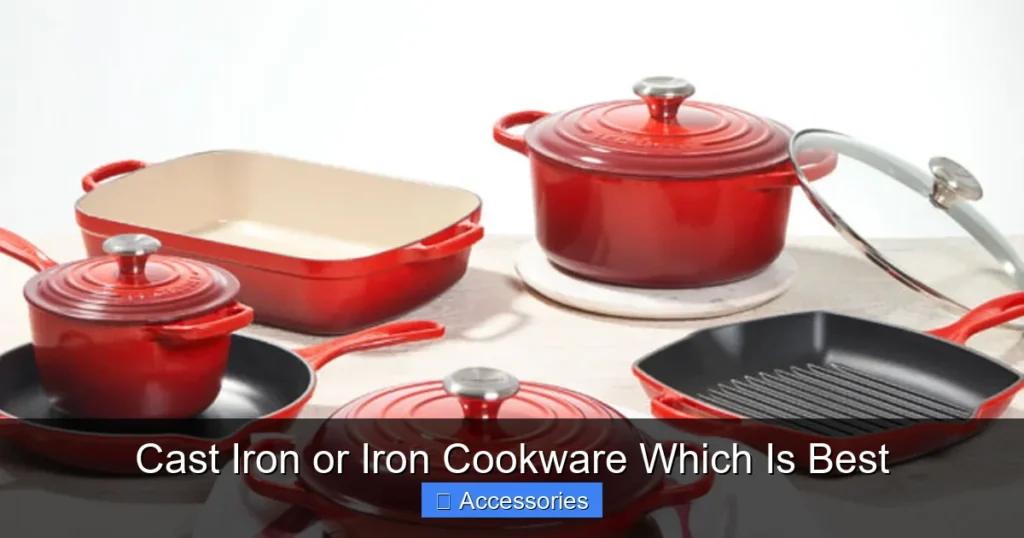
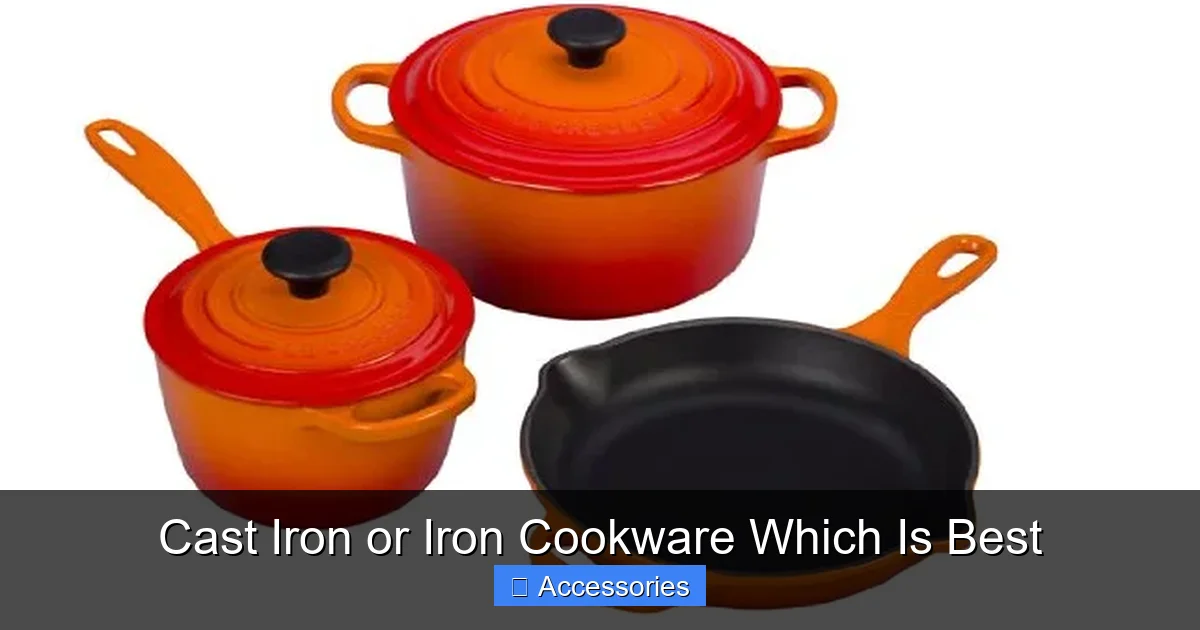
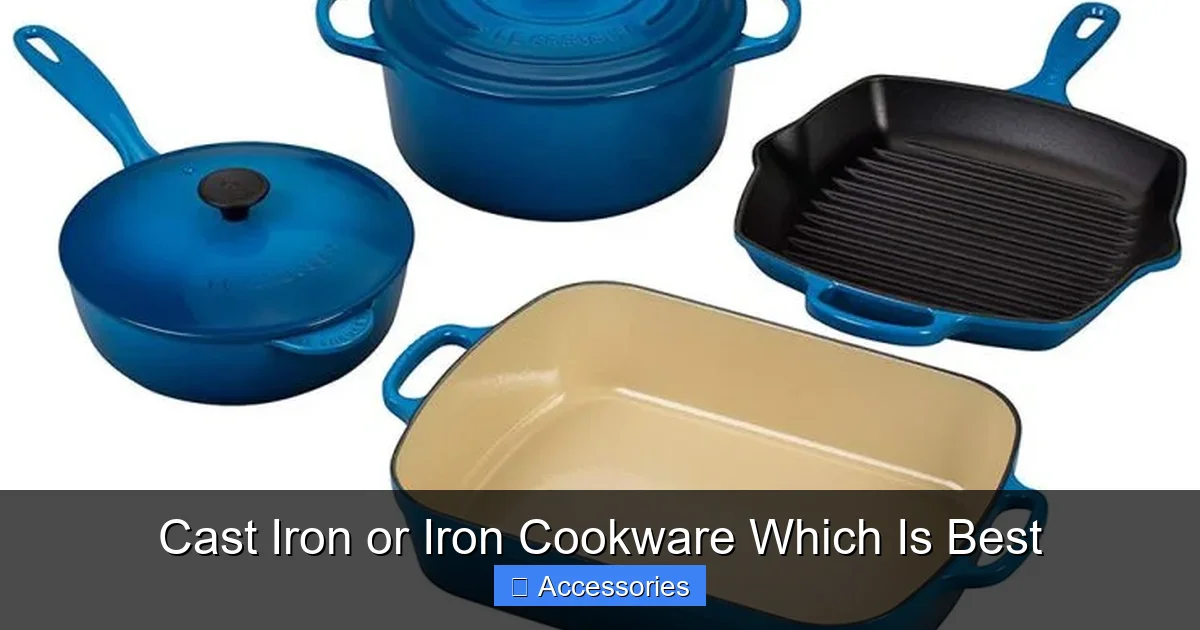
Modern cast iron comes in two main forms: traditional cast iron and enameled cast iron. Traditional versions are bare metal and require regular seasoning—a process where polymerized oil builds up a natural nonstick surface. Enameled cast iron, like Le Creuset or Staub, features a vitreous glass coating that eliminates the need for seasoning but adds weight and cost.
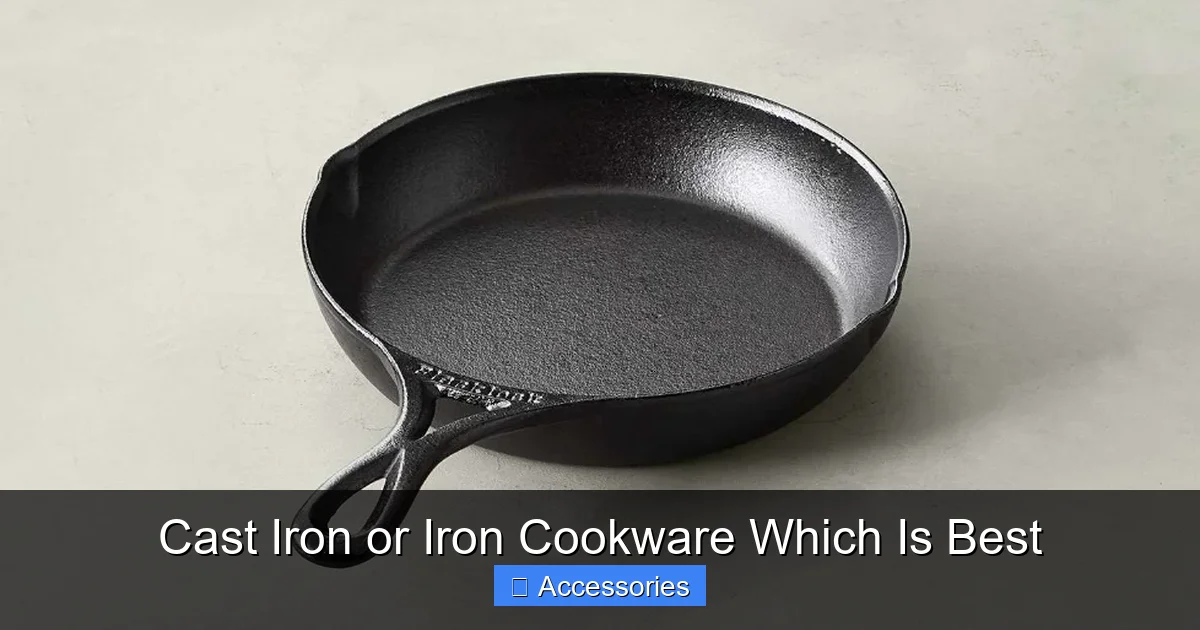
One of the biggest advantages of cast iron is its ability to stay hot. Because of its mass, once heated, it releases heat slowly and evenly. This makes it perfect for searing steaks, baking cornbread, or simmering chili all day long without scorching.
Plus, when properly seasoned, the surface becomes naturally nonstick—no chemical coatings required. And yes, you do get a little extra iron in your meals, which can be beneficial for people looking to boost their intake naturally.
The Evolution of Iron Cooking
From ancient fire pits to modern induction-ready skillets, iron cookware has evolved alongside human civilization. Early civilizations used hollowed-out logs or clay vessels lined with iron, but true cast iron emerged in China around 500 BC. From there, it spread across Europe and eventually America, where pioneers relied heavily on cast iron for survival.
Today, brands like Lodge, Griswold, and Wagner continue the legacy—crafting pieces that can last for centuries if cared for properly. Many collectors still seek vintage models for their unique patinas and historical value.
Understanding True Iron vs. Cast Iron
Visual guide about Cast Iron or Iron Cookware Which Is Best
Image source: thefatpad.com
Now here’s where things get tricky: “iron cookware” is a broad category. Technically, **cast iron is a form of iron**, but not all iron cookware is cast. In fact, true wrought iron or forged iron—sometimes called “pig iron” or “pure iron”—was used historically before casting became widespread.
Wrought iron is malleable and easier to shape by hand, but it oxidizes quickly and wasn’t practical for mass-produced cookware. Today, most so-called “iron” cookware sold in stores is actually cast iron. So when someone says “iron skillet,” they almost always mean cast iron.
That said, some specialty manufacturers do produce thin, lightweight iron pans using techniques like hammered steel or forged iron sheets. These are rarer and often marketed as alternatives to cast iron—but they lack the thermal mass and durability of true cast iron.
For everyday cooking, unless specified otherwise, “iron cookware” = cast iron. That said, understanding the distinction helps clarify expectations about weight, care, and performance.
Common Misconceptions About Iron Cookware
Many beginners assume that all iron pans are identical—but that’s far from true. Some people believe iron cookware causes heavy metal poisoning, but studies show that only trace amounts of iron leach into food during normal cooking. In fact, this can be a plus for dietary needs!
Others worry about rust, thinking all iron will corrode instantly. But with basic care—like drying thoroughly and applying a light coat of oil—rust is easily avoidable. And let’s be honest: a little rust doesn’t ruin your meal—it just means you skipped a step in cleaning.
How Does Cast Iron Perform Compared to Other Materials?
Visual guide about Cast Iron or Iron Cookware Which Is Best
Image source: athome-solutions.com
To truly appreciate cast iron, you need to compare it to other popular cookware materials: stainless steel, aluminum, copper, and ceramic.
Stainless steel is lightweight and dishwasher-safe, but it doesn’t retain heat well and often has hot spots unless layered with copper or aluminum cores. Aluminum heats fast but conducts unevenly and can react with acidic foods. Copper is prized for precision but expensive and reactive too.
Cast iron sits somewhere in the middle—heavy, slow to heat up, but stays hot longer than anything else. It’s also naturally non-reactive, meaning it won’t alter flavors like aluminum or copper might.
For example, when frying eggs, a well-seasoned cast iron skillet gives you that golden crust without sticking, while stainless steel often requires butter or oil hacks. And when baking sourdough bread, nothing beats cast iron’s even heat distribution for achieving a crisp, chewy crust.
Real-World Cooking Scenarios
Imagine you’re hosting a dinner party. You sear a ribeye steak in a cast iron skillet, then transfer it to a preheated oven to finish cooking. Thanks to the pan’s retained heat, the steak develops a perfect crust while staying juicy inside. Later, you use the same pan to make scrambled eggs—thanks to the seasoned surface, no sticking occurs, and cleanup is simple.
Compare that to a stainless steel pan: you’d likely need constant attention, added fats, and possibly a splatter guard. With cast iron, it’s hands-off efficiency.
Another scenario: making homemade pizza. Place a cast iron pizza pan in the oven while it preheats. When ready, slide your dough and toppings onto it. The bottom gets beautifully charred because the pan holds steady heat—something glass or ceramic trays struggle with.
Pros and Cons of Cast Iron Cookware
Visual guide about Cast Iron or Iron Cookware Which Is Best
Image source: onlycookware.com
Every material has strengths and weaknesses. Let’s break down what makes cast iron shine—and where it falls short.
On the plus side, cast iron is virtually indestructible. Drop it, bang it against the counter, even leave it in the sink overnight—it won’t crack or warp. That durability means it can be passed down through families for generations.
It also seasons itself over time. Each use adds another layer of protection, improving the nonstick quality. And since it’s inert, it won’t impart strange tastes to your food.
But cast iron isn’t perfect. It’s extremely heavy—a 12-inch skillet can weigh over 10 pounds. That makes lifting and handling tricky, especially for kids or older adults.
Seasoning takes time and effort. If neglected, the surface can become sticky or develop rust. And because it’s porous, it can absorb odors and flavors from previous meals unless properly maintained.
Finally, cast iron doesn’t work on all stovetops. While it works great on gas, electric, and induction (with flat-bottomed models), it’s not suitable for radiant coil ranges unless you use a diffuser.
Tips for Maintaining Your Cast Iron
Keep your cast iron in top shape with these simple steps:
– After washing, dry immediately and completely.
– Apply a thin layer of oil (vegetable, flaxseed, or avocado) while warm.
– Store in a dry place—never stack heavy items on top.
– Avoid soap when possible; a scrub brush or sponge usually suffices.
– Re-season monthly if cooking acidic foods like tomatoes frequently.
With this routine, your cast iron will stay smooth, rust-free, and ready for decades.
Is Iron Cookware Good for Your Health?
This is a hot topic—literally and figuratively. Iron is an essential mineral, and our bodies absorb it more efficiently from food than supplements. So does using iron cookware help?
Yes—but only slightly. Trace amounts of iron leach into food during cooking, especially when simmering acidic dishes like spaghetti sauce or chili. For someone with anemia or low iron levels, this could offer minor support.
However, it’s not a substitute for eating iron-rich foods like red meat, lentils, spinach, or fortified cereals. Think of cast iron as a bonus, not a primary source.
Also worth noting: unlike lead or cadmium found in some ceramics or glazes, iron is safe and even beneficial in moderation. Just don’t overdo it—too much supplemental iron can cause nausea or digestive issues.
Who Should Consider Iron Cookware?
If you’re vegetarian, vegan, or simply looking to increase iron intake without pills, adding a cast iron pan to your kitchen makes sense. It’s especially helpful for cooking beans, grains, and tomato-based sauces—all of which can benefit from tiny iron contributions.
Athletes, pregnant women, and people recovering from illness may also find value in this natural approach.
Cost Comparison: Cast Iron vs. Alternatives
Let’s talk money. Entry-level cast iron skillets start around $20–$30 (think Lodge). High-end enameled cast iron dutch ovens can cost hundreds.
Compare that to nonstick pans ($15–$100), stainless steel sets ($50–$300+), or copper-core professional-grade cookware ($200+).
While cast iron has a higher upfront cost compared to cheap nonstick options, its lifespan outweighs initial savings. A single cast iron skillet can replace multiple nonstick pans that degrade within a few years.
Plus, you never need to replace the surface—just re-season it. Nonstick coatings wear off after 1–2 years of frequent use, requiring disposal and replacement.
Long-Term Value of Cast Iron
Invest in one quality cast iron piece, and you’re set for life. No more buying new skillets every year. No toxic fumes from scratched nonstick surfaces. Just reliable, healthy cooking.
And if you ever want to upgrade, resale values are decent—vintage Griswolds fetch thousands online!
Which Type of Cookware Is Right for You?
So how do you decide? Start by asking yourself:
– Do I cook large meals or just breakfast?
– Am I comfortable lifting heavy pots?
– How much time can I spend on maintenance?
– Do I prefer easy cleanup or embrace traditional methods?
If you love deep-frying, baking cornbread, or making pancakes in bulk, cast iron is your best friend. It handles high heat and delivers consistent results.
On the other hand, if you want something lighter for stir-fries or delicate sauces, consider pairing cast iron with a stainless steel or carbon steel pan.
Most home kitchens benefit from having both types—plus a good nonstick for eggs and fish.
Building a Balanced Cookware Collection
A smart starter set includes:
– One 10- or 12-inch cast iron skillet (for searing, frying, baking)
– One stainless steel saucepan (for soups and sauces)
– One carbon steel wok (for Asian-style stir-fries)
This combo covers 80% of daily cooking needs without overwhelming your budget or storage space.
As you gain experience, you might add an enameled cast iron Dutch oven for braising or a vintage griddle pan for campfire cooking.
Final Thoughts: Why Cast Iron Still Reigns Supreme
After centuries of evolution, cast iron remains one of the most versatile and reliable cookware choices available. Its unmatched heat retention, durability, and natural nonstick properties make it ideal for everything from backyard barbecues to weekday dinners.
While true “iron” cookware outside of cast iron is rare today, understanding the difference helps clarify expectations. For practicality, availability, and performance, cast iron stands head and shoulders above the rest.
Whether you’re a seasoned chef or a curious beginner, investing in quality cast iron opens doors to richer flavors, healthier meals, and a deeper connection to cooking traditions.
So next time you reach for that trusty skillet, remember: you’re not just using metal—you’re using history, science, and skill, all in one heavy, beautiful piece of cookware.
—
Frequently Asked Questions
Is cast iron better than stainless steel?
It depends on your needs. Cast iron excels at heat retention and natural nonstick properties, making it ideal for searing and baking. Stainless steel is lighter and easier to clean but often requires more fat and monitoring. For many home cooks, cast iron offers superior performance for specific tasks.
Can you cook acidic foods in cast iron?
Yes, but prolonged exposure to highly acidic foods (like tomatoes or citrus) can wear down the seasoning over time. To preserve your pan, re-season it after heavy acidic use, and avoid leaving acidic leftovers soaking in the pan overnight.
Do you need to season cast iron?
Absolutely. Seasoning creates a protective, nonstick layer through polymerization of oil. New pans come pre-seasoned, but ongoing maintenance ensures longevity and performance. Skip this step, and your cast iron may rust or stick.
Is iron cookware safe for induction stoves?
Traditional cast iron works on induction if it has a flat, smooth base. Magnetic tests confirm compatibility—if a magnet sticks firmly, it’s induction-ready. Always ensure the surface is level to distribute heat evenly.
How do you remove rust from cast iron?
Scrub off rust with coarse salt and a damp cloth or steel wool. Rinse, dry thoroughly, and re-season immediately. Prevention is easier: always dry and oil your pan after washing to avoid moisture buildup.
Why is cast iron so heavy?
Cast iron contains carbon and other alloys that make it dense and solid. This mass allows it to retain and evenly distribute heat—a key reason it outperforms lighter metals like aluminum or copper in many cooking scenarios.