Yes, stainless steel cookware can be used on induction cooktops—but only if it has a magnetic base. Induction cooking relies on magnetic fields to heat your pots and pans directly, so not all stainless steel is created equal. Look for tri-ply or clad construction with an iron or steel core for best performance. With the right tools, you’ll get fast, even heating and energy-efficient cooking that rivals traditional methods.
Key Takeaways
- Magnetic Base Required: Only stainless steel cookware with a magnetic layer (usually iron or steel) works on induction cooktops.
- Tri-Ply or Clad Construction Preferred: Multi-layered stainless steel pans offer better heat distribution than single-layer versions.
- Check the Bottom Markings: Many manufacturers label their induction-compatible cookware clearly—look for symbols like “induction ready.”
- Flat Bottoms Are Essential: Uneven bases create air gaps and reduce efficiency; always use flat, smooth-bottomed pans.
- Energy Efficient and Fast: Induction transfers up to 85% of energy to food, making it quicker and more efficient than gas or electric.
- Safe and Easy Cleanup: Since the cooktop stays cool, spills won’t burn, and cleaning is simple with just soap and water.
📑 Table of Contents
- Can Stainless Steel Cookware Be Used on Induction Cooktops?
- How Induction Cooking Actually Works
- Identifying Induction-Compatible Stainless Steel Pans
- Benefits of Using Stainless Steel on Induction
- Common Mistakes to Avoid
- Top Brands Known for Induction-Friendly Stainless Steel Cookware
- Tips for Maximizing Performance
- Conclusion: Yes, You Can Use Stainless Steel on Induction—With the Right Pan
Can Stainless Steel Cookware Be Used on Induction Cooktops?
If you’re upgrading to an induction cooktop or wondering whether your favorite stainless steel pans will work with this modern cooking technology, you’re in the right place. Induction cooking has taken kitchens by storm thanks to its speed, precision, and energy efficiency. But one of the most common questions we hear? “Can I still use my stainless steel cookware?”
The short answer: It depends. Not all stainless steel cookware is designed for induction use—even though the material looks the same across brands. The key lies in the internal structure of the pan and whether it contains a magnetic component. Let’s break down everything you need to know about using stainless steel cookware safely and effectively on induction surfaces.
How Induction Cooking Actually Works
Before diving into which stainless steel pans are compatible, let’s talk about how induction stoves operate. Unlike gas or radiant electric burners that heat from above or below, induction cooktops generate heat directly inside your cookware through electromagnetic fields.
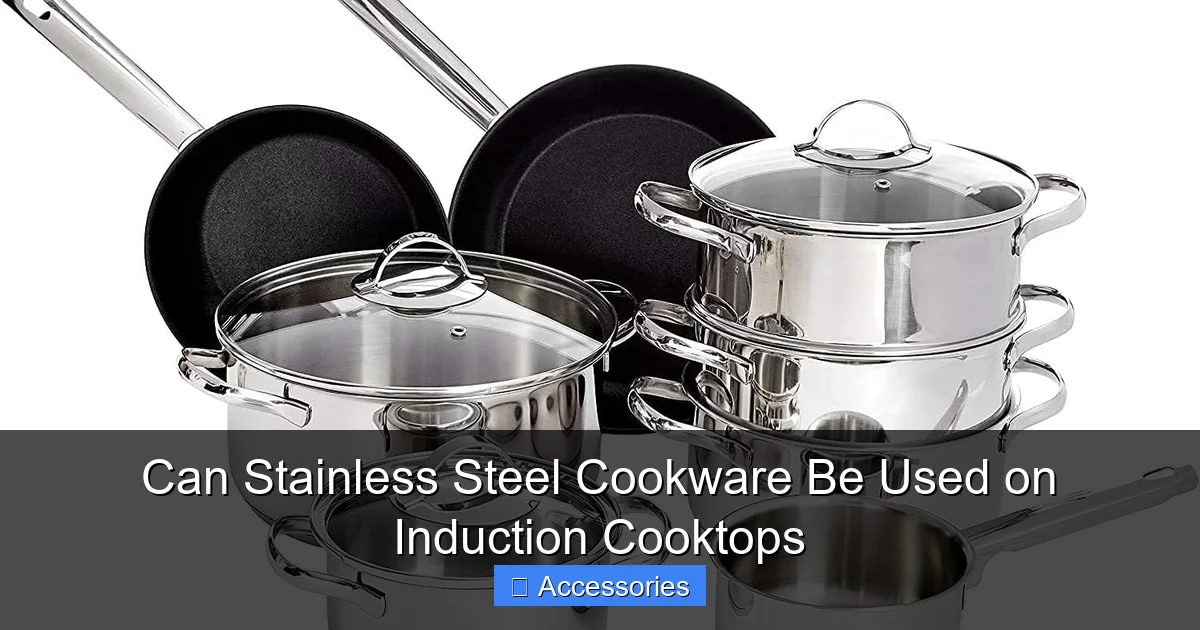
Visual guide about Can Stainless Steel Cookware Be Used on Induction Cooktops
Image source: m.media-amazon.com
The Science Behind Magnetic Fields
Induction uses a copper coil beneath the glass surface. When electricity passes through this coil, it creates a rapidly alternating magnetic field. This field only affects materials that are ferromagnetic—meaning they can be magnetized or attracted to a magnet. Iron, nickel, and certain steels fall into this category.
When the magnetic field interacts with the metal in your pot or pan, it causes molecules to vibrate intensely, generating heat right where you need it—no wasted energy heating the air or the stove itself. That’s why induction is so much faster and more efficient than other methods.
What Makes Cookware Compatible?
For stainless steel to work on induction, it must contain at least one ferromagnetic layer—typically a core of cold-rolled steel or iron sandwiched between layers of stainless steel. This is often called tri-ply or clad construction. The outer layers provide durability and resistance to corrosion, while the inner magnetic layer ensures compatibility.
Pure austenitic stainless steel (like 18/0 or 18/10 grade without added magnetic elements) won’t work because it lacks ferromagnetism. So even if your pan says “stainless steel,” check the bottom before assuming it’s induction-safe.
Identifying Induction-Compatible Stainless Steel Pans
You don’t need a chemistry degree to figure out if your stainless steel cookware is induction-ready. There are several practical ways to test and verify compatibility.
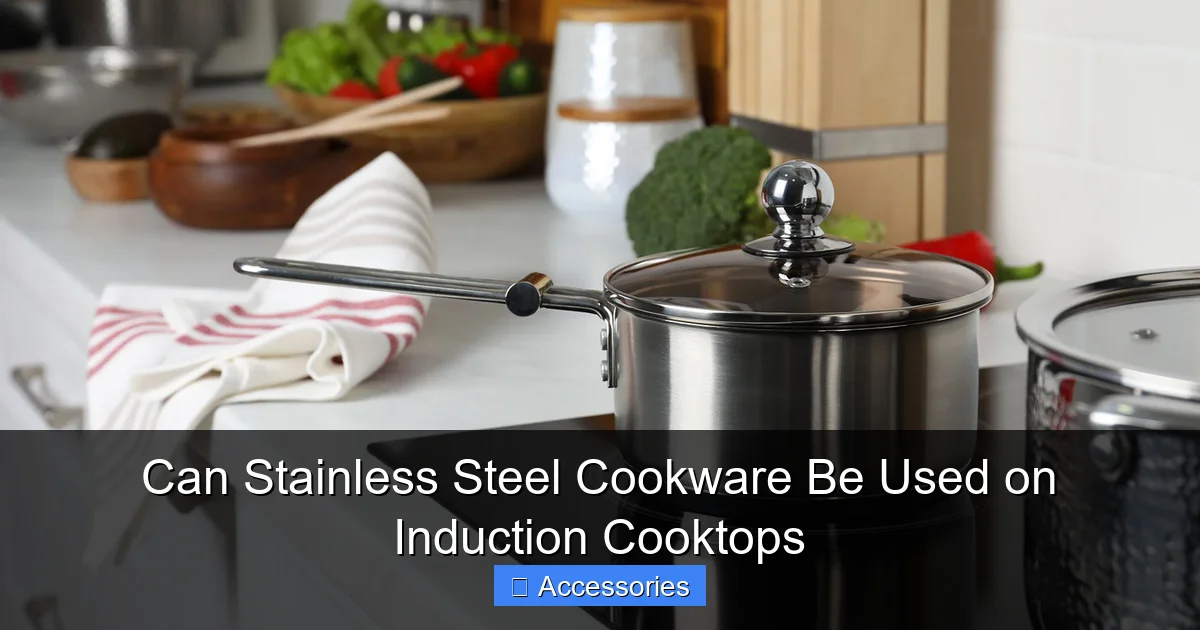
Visual guide about Can Stainless Steel Cookware Be Used on Induction Cooktops
Image source: cdn.mos.cms.futurecdn.net
Use a Magnet Test
The simplest method? Grab a strong magnet. If it sticks firmly to the underside of your pan, there’s a good chance it’s induction-compatible. However, some high-end pans may have a thin non-stick coating over a magnetic core—so the magnet might not stick perfectly. In those cases, look for manufacturer labels.
Check Manufacturer Labels
Reputable brands usually mark their induction-friendly cookware clearly. Look for logos such as:
- An induction symbol (often looks like a zigzag line or wavy pattern)
- A small “IH” (Induction Heating)
- Phrases like “for use on induction cooktops”
If you’re unsure, visit the brand’s website or contact customer service—most will confirm compatibility based on model number.
Look for Tri-Ply or Clad Construction
Stainless steel cookware with multi-layer construction is far more likely to be induction-friendly. These designs typically feature three layers: stainless steel outer shells surrounding a central aluminum or steel core. The core serves two purposes—it conducts heat evenly and provides the necessary magnetic properties.
Compare that to single-layer stainless steel pans, which rely solely on surface-level alloys and rarely contain enough magnetic material to trigger an induction burner.
Benefits of Using Stainless Steel on Induction
Even if you already know your pan works on induction, understanding the advantages helps explain why so many home cooks prefer this combination.
Visual guide about Can Stainless Steel Cookware Be Used on Induction Cooktops
Image source: alloinnoware.com
Superior Heat Distribution
One of the biggest complaints about stainless steel is hot spots—areas that overheat while others stay cool. But when paired with induction, especially in tri-ply or clad designs, heat spreads uniformly across the entire cooking surface. This means fewer scorched sauces and perfectly seared steaks every time.
Energy Efficiency
Induction cooktops convert roughly 84–90% of energy into usable heat. Traditional gas stoves waste about 40%, and electric coils around 70%. That translates to faster boiling times, less power consumption, and lower utility bills—especially important during winter months when heating costs rise.
Easy Cleaning and Maintenance
Since the cooktop remains cool during operation, spilled liquids don’t burn onto the surface. After cooking, wipe down with warm soapy water—no scrubbing required. Plus, stainless steel resists staining and corrosion, keeping your kitchen looking polished longer.
Versatile Cooking Options
Stainless steel excels at tasks that demand precise temperature control, like reducing sauces, melting chocolate, or creating caramel. Combined with induction’s responsive dials, you gain instant feedback and fine-tuned adjustments—perfect for professional-style results at home.
Common Mistakes to Avoid
Even experienced cooks sometimes run into issues when switching to induction. Here are a few pitfalls to watch out for:
Using Thin or Warped Bases
Uneven bottoms cause inefficient contact with the induction surface, leading to uneven heating or complete failure to ignite. Always inspect your pans for warping—especially older ones—and replace any that aren’t perfectly flat.
Relying Solely on Magnet Tests
While magnets help, they’re not foolproof. Some pans combine non-magnetic stainless steel with magnetic backing, so the magnet might slide off. When in doubt, consult the manual or reach out to the manufacturer.
Ignoring Handle Safety
Unlike gas or electric stoves, induction doesn’t radiate heat upward, so handles stay cooler. Still, heavy cast iron or poorly balanced pans can become unstable. Opt for models with ergonomic, oven-safe handles that won’t slip during use.
Top Brands Known for Induction-Friendly Stainless Steel Cookware
Not all stainless steel is created equal, and some brands specialize in designing cookware specifically for induction environments. Here are a few trusted names worth considering:
- Cuisinart Multiclad Pro: Features tri-ply construction with an aluminum core and stainless steel exterior—ideal for even heating and induction compatibility.
- T-fal Signature Stainless Steel: Offers affordable, reliable options with clear induction markings and durable build quality.
- All-Clad D3 Stainless Steel: A premium choice favored by chefs worldwide, featuring bonded layers of stainless steel and aluminum for superior performance.
- Calphalon Premier Stainless Steel: Combines stainless steel with an aluminum core, offering excellent heat conductivity and easy maintenance.
When shopping, prioritize brands that explicitly state induction readiness and offer lifetime warranties—this signals confidence in their product’s design.
Tips for Maximizing Performance
Want to get the most out of your stainless steel cookware on induction? Follow these expert recommendations:
Preheat Properly
Always preheat your pan before adding oil or food. Induction responds instantly, so medium-high heat usually suffices for browning meats or frying eggs.
Use Appropriate Cookware Sizes
Match your pan size to the burner diameter. Too-small pans waste energy; too-large ones reduce control. Most induction units recommend using pans that cover at least 70% of the coil area.
Maintain Flat Surfaces
Dents or scratches on the bottom compromise magnetic contact. Store pans carefully and avoid stacking heavy items on top of them.
Clean Regularly
Residue buildup can interfere with heat transfer. Use mild detergent and a soft sponge—avoid abrasive cleaners that strip away protective coatings.
Conclusion: Yes, You Can Use Stainless Steel on Induction—With the Right Pan
In summary, stainless steel cookware absolutely can be used on induction cooktops—but only if it contains a magnetic core. Single-layer stainless steel without ferrous content won’t work, while tri-ply or clad designs with steel or iron interiors are fully compatible. By checking for manufacturer labels, performing a basic magnet test, and choosing reputable brands, you’ll ensure safe, efficient, and delicious meals every time.
Induction technology continues to evolve, making it easier than ever to enjoy the benefits of fast, precise cooking without sacrificing versatility. Whether you’re simmering a delicate sauce or whipping up a stir-fry, the right stainless steel pan paired with an induction burner delivers consistent results with minimal effort.
So go ahead—upgrade your kitchen arsenal today. Your future self (and your energy bill) will thank you!
Frequently Asked Questions
Is all stainless steel cookware compatible with induction cooktops?
No, only stainless steel cookware containing a magnetic layer—such as iron or steel—works on induction. Single-layer austenitic stainless steel lacks the necessary ferromagnetism and won’t function.
How can I tell if my stainless steel pan works on induction?
Try sticking a magnet to the pan’s base. If it holds firmly, there’s a good chance it’s induction-compatible. Also, check for manufacturer labels indicating “induction ready” or similar symbols.
Do I need special stainless steel cookware for induction cooking?
Not necessarily, but tri-ply or clad stainless steel pans with an aluminum or steel core are ideal because they offer both magnetic compatibility and even heat distribution.
Can I use cast iron cookware on induction cooktops?
Yes! Cast iron is naturally magnetic and highly effective on induction stoves. It retains heat well and works great for searing, baking, and slow cooking.
Will stainless steel cookware work on all types of induction burners?
Most modern induction cooktops accept any ferromagnetic cookware, including properly constructed stainless steel pans. However, older or specialized models may have unique requirements—always check your user manual first.
Are there safety concerns when using stainless steel on induction?
Induction cooktops stay cool to the touch during operation, reducing burn risks compared to gas or electric stoves. Just ensure your pans are stable and handles remain secure during use.