Over time, nonstick cookware loses its coating, leading to food sticking and potential health concerns. Removing old or damaged nonstick layers can restore functionality or prepare pans for repurposing. This guide walks you through safe, effective techniques using common household items. You’ll learn when removal is necessary, how to avoid toxic fumes, and how to dispose of materials responsibly. Whether you’re salvaging a pan or upgrading your kitchen, these practical steps ensure safety and success every time.
Key Takeaways
- Safety first: Always work in a well-ventilated area and wear protective gear when removing nonstick coatings, as overheating PTFE can release harmful fumes.
- Identify the type: Most nonstick coatings are made with PTFE (Teflon®) or ceramic; knowing your material helps choose the right removal method.
- Gentle scraping works: For light damage, use a plastic scraper or fine steel wool to avoid scratching the base metal underneath.
- Abrasive methods for heavy buildup: For stubborn residue, baking soda paste or vinegar-soaked cloths can help loosen without damaging the substrate.
- Heat application caution: Never exceed 500°F (260°C), as this can break down the nonstick layer and emit dangerous chemicals.
- Proper disposal: Do not burn or incinerate coated pans—check local regulations for hazardous waste disposal of PTFE-based materials.
- Consider replacement: If the pan is severely pitted or flaking, it’s safer and more cost-effective to replace it than attempt full removal.
Cooking is one of life’s simple pleasures—whether you’re flipping pancakes at breakfast, searing steaks for dinner, or simmering sauces on weekends. But when your favorite nonstick pan starts sticking, peeling, or shedding black flakes into your food, it’s more than just an inconvenience. It could signal that the nonstick coating has degraded, possibly due to overheating, metal utensils, or normal wear and tear over time. At this point, many wonder: can you remove nonstick coating from cookware? The short answer is yes—but doing so safely requires knowledge, patience, and the right tools.
Nonstick coatings are typically made from polytetrafluoroethylene (PTFE), commonly known by the brand name Teflon®, though some modern alternatives use ceramic or other composite materials. These coatings were invented to make cooking easier and cleanup faster. However, once they begin to deteriorate, they can pose both functional and health-related risks. Understanding how to properly remove nonstick coating isn’t just about salvaging your pan—it’s about protecting your health and making informed decisions in the kitchen.
In this comprehensive guide, we’ll walk you through everything you need to know about removing nonstick coating from cookware. From identifying signs of damage to choosing the safest removal technique, you’ll gain confidence in handling this common kitchen challenge. Plus, we’ll share pro tips on maintenance, recycling options, and even creative ways to reuse old pans after stripping them clean. Let’s get started!
Key Takeaways
- Understanding How To Remove Nonstick Coating From Cookware: Provides essential knowledge
📑 Table of Contents
- Understanding Nonstick Coatings and Why They Fail
- When Should You Remove Nonstick Coating?
- Preparing for Safe Removal
- Step-by-Step Guide to Removing Nonstick Coating
- Post-Removal Care and Maintenance
- Creative Reuse Ideas for Stripped Cookware
- Environmental and Health Considerations
- Conclusion: Making Informed Choices
Understanding Nonstick Coatings and Why They Fail
Before diving into removal methods, it’s important to understand what nonstick coatings are and why they eventually fail. Most affordable and mid-range nonstick pans use a PTFE-based layer bonded to aluminum or stainless steel bases. This polymer creates a slick surface that prevents food from sticking—but only under proper conditions.
When nonstick cookware fails, it usually falls into one of three categories: physical wear, thermal degradation, or chemical breakdown. Physical wear occurs when metal utensils scratch the surface repeatedly, creating micro-abrasions where food particles embed. Thermal degradation happens when the pan is heated beyond its rated temperature (typically above 500°F/260°C), causing the PTFE to decompose and release toxic gases like perfluorooctanoic acid (PFOA) and carbon monoxide. Chemical breakdown may result from acidic foods reacting with weakened areas of the coating.
Signs that your nonstick pan needs attention include:
– Food sticking despite proper oiling
– Visible peeling or bubbling of the coating
– Black or gray residue after cooking
– Unusual smells during heating
– Uneven cooking surfaces
If you notice any of these symptoms, it’s time to consider whether removing the nonstick layer is appropriate—or if replacement is the smarter choice.
When Should You Remove Nonstick Coating?
Visual guide about How to Remove Nonstick Coating from Cookware
Image source: easykitchenguide.com
Not every damaged nonstick pan requires complete coating removal. In fact, minor surface flaws can often be repaired or managed without stripping the entire layer. Here’s when removal makes sense:
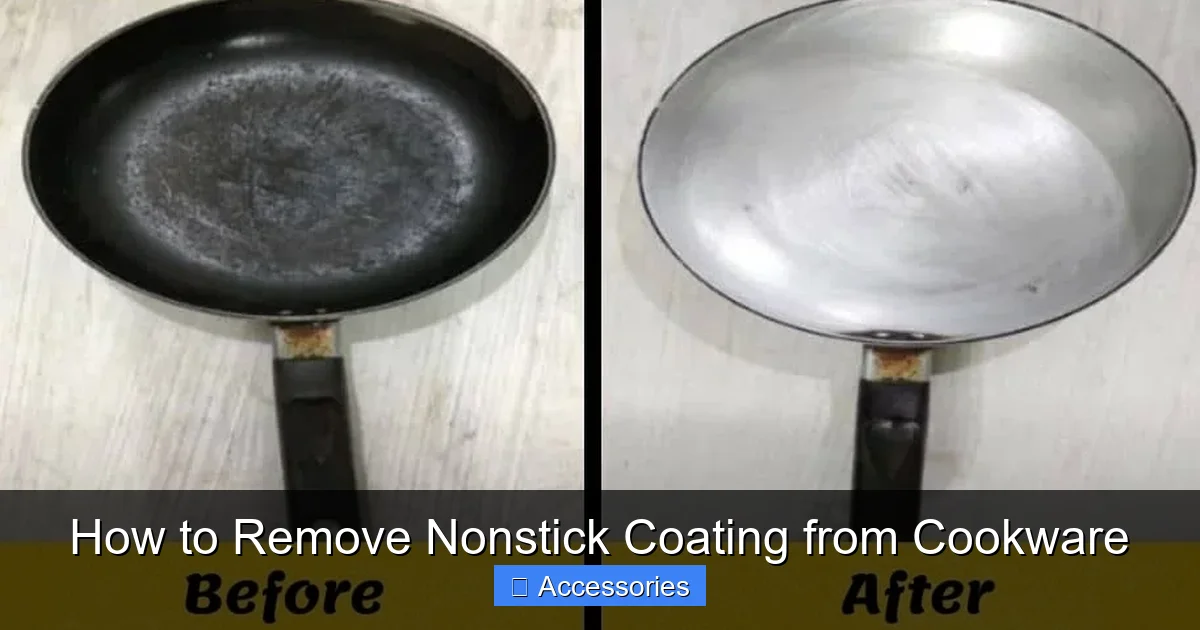
Severe Damage: If large chunks of the coating have flaked off or the surface is deeply pitted, removing the remaining layer allows you to assess the integrity of the underlying metal. A compromised base can warp or corrode, making the pan unsafe regardless of the coating status.
Health Concerns: Flaking or peeling coatings increase the risk of ingesting microscopic particles. While studies show low toxicity from intact PTFE, ingesting broken pieces—especially in hot food—isn’t ideal. Removing loose fragments reduces exposure.
Repurposing the Pan: Once stripped bare, many nonstick pans become excellent candidates for DIY projects like planters, garden markers, or outdoor storage containers. Just ensure the metal is still structurally sound.
Environmental Responsibility: Instead of sending damaged pans to landfills, removing coatings enables better recycling or repurposing of the core material.
On the other hand, if your pan shows only superficial scratches or hasn’t exceeded its heat limit, you might opt for gentle cleaning instead. Refer to our article on How To Clean A Meat Tenderizer for insights into routine care principles applicable to all cookware.
Preparing for Safe Removal
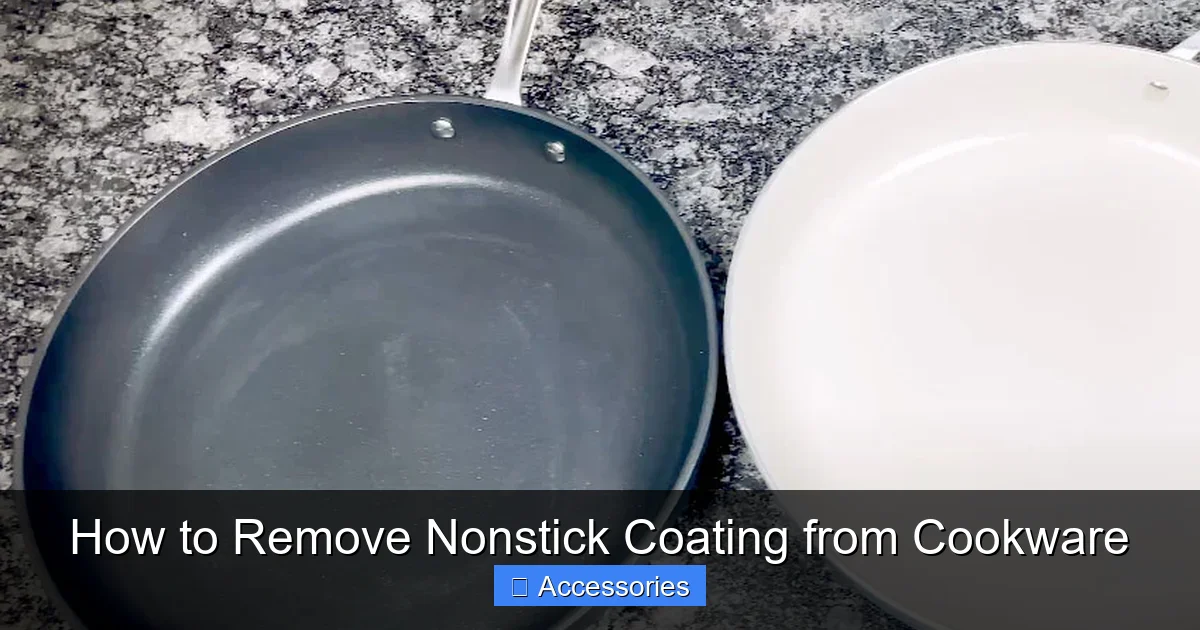
Visual guide about How to Remove Nonstick Coating from Cookware
Image source: homekitchtech.com
Safety should always come first when working with potentially hazardous materials. Before beginning the removal process, gather these essentials:
– Rubber gloves (nitrile or latex)
– Safety goggles
– Respirator mask (N95 or higher)
– Well-ventilated workspace (garage, backyard, or open window)
– Plastic drop cloth or tarp
– Soft-bristle brush (nylon or natural fiber)
– Mild detergent
– White vinegar
– Baking soda
– Plastic scraper or credit card
– Fine-grit sandpaper (220+ grit)
Avoid using metal tools like steel wool or knives unless absolutely necessary—they risk gouging the base metal. Also, never attempt removal near open flames or high-heat sources unless directed by a specific method (and even then, monitor closely).
Once your workspace is ready, disassemble the pan if possible. Handle handles separately to prevent accidental contact with hot surfaces. Place the pan on a stable surface covered with newspaper or cardboard to catch debris.
Now comes the critical decision: which removal technique aligns best with your pan’s condition and goals? Let’s explore several proven approaches.
Step-by-Step Guide to Removing Nonstick Coating
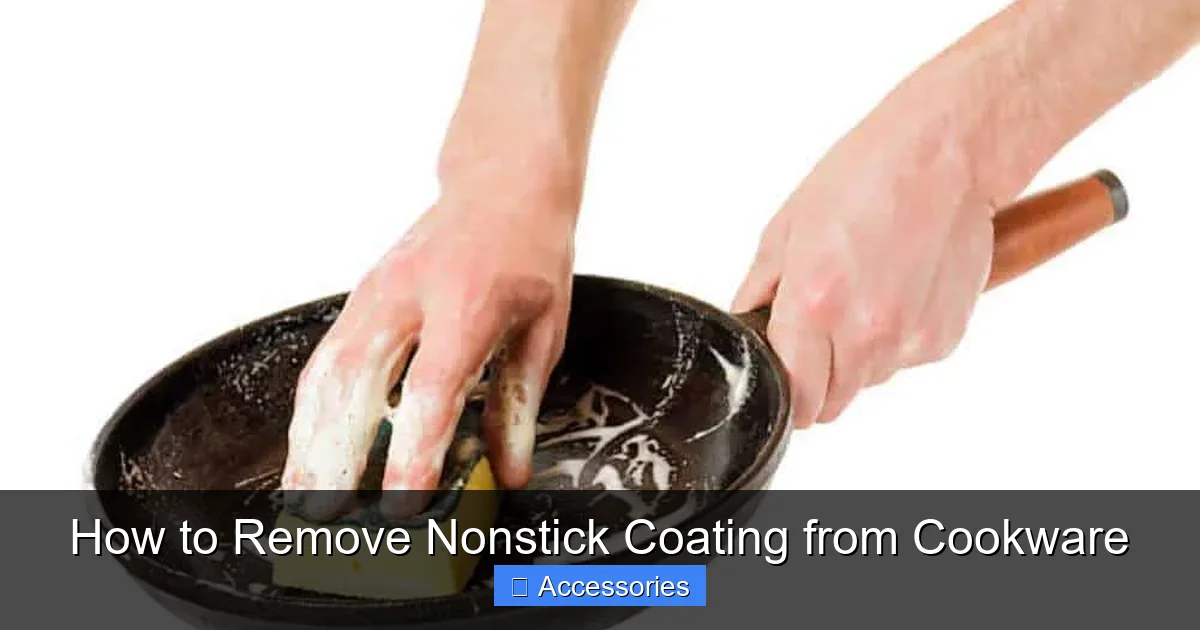
Visual guide about How to Remove Nonstick Coating from Cookware
Image source: homemotivate.com
The method you choose depends on how extensive the damage is and whether you want to preserve the pan’s shape. Below are five effective strategies, ranked from gentlest to most aggressive.
1. Mechanical Scraping with Plastic Tools
For light to moderate wear, start here. Use a plastic spatula, credit card, or specialized nonstick scraper to gently lift loose coating fragments. Work in small sections, applying steady pressure without digging into the base. If resistance builds, stop immediately—you may be hitting bare metal.
This approach preserves the pan’s dimensions and is ideal for pans with intact edges and flat bottoms. After scraping, wipe away residue with a damp cloth soaked in warm, soapy water. Rinse thoroughly and dry completely before reuse.
2. Baking Soda Paste Abrasion
Create a thick paste by mixing equal parts baking soda and water. Apply it to affected areas using a soft sponge or cloth. Let sit for 10–15 minutes to soften stubborn spots, then scrub gently in circular motions. Avoid excessive friction, which could thin the metal.
Baking soda acts as a mild abrasive while neutralizing odors left by burnt residues. Once finished, rinse well and polish with a microfiber towel to restore shine. This method works especially well on curved surfaces like saucepans or griddles.
3. Vinegar Soak for Loosening
Fill the pan with white vinegar and bring to a simmer over low heat for 20–30 minutes. The acetic acid helps dissolve mineral deposits and weakens adhesive bonds between the coating and metal. Allow the pan to cool completely before attempting to peel off softened layers.
Caution: Prolonged heat exposure increases PTFE breakdown risk. Keep temperatures below 180°F (82°C). After soaking, scrape off loosened bits with a wooden spoon handle or plastic tool. Neutralize residual acidity by rinsing with baking soda solution before final cleaning.
4. Controlled Heat Application
This technique targets heavily degraded coatings but demands extreme caution. Preheat your oven to 400°F (204°C)—never hotter. Place the empty pan inside and bake for 1 hour. The heat causes trapped air within the coating to expand, creating internal stress that fractures the bond with the metal.
After cooling slightly, use gloves to carefully lift warped sections. Repeat if needed until most coating lifts away. Note: This method won’t remove every trace and may leave behind sticky residues requiring additional treatment.
5. Sanding Down to Bare Metal
As a last resort for pans with widespread damage, sanding provides thorough results. Wrap fine-grit sandpaper around a dowel or sanding block for even pressure. Work slowly across the entire surface, checking frequently to avoid thinning the base beyond repair.
Always sand in one direction to prevent cross-hatching marks. Once smooth, wipe clean with mineral spirits to remove dust. This leaves a matte, non-reactive finish—perfect for new coatings or repurposing.
Regardless of method, inspect the base after removal. If it’s dented, warped, or excessively thin, replacement is advisable.
Post-Removal Care and Maintenance
Once the nonstick layer is gone, your pan behaves differently. Without the slick surface, oils play a bigger role in preventing sticking. Here’s how to adapt:
– Season the pan lightly with flaxseed or avocado oil before first use.
– Use silicone or wood utensils exclusively to avoid marring the bare metal.
– Avoid preheating empty pans—this causes hotspots and accelerates wear.
– Clean with non-abrasive sponges; harsh scrubs can dull the surface.
Regular maintenance extends usability significantly. For inspiration on kitchen upkeep beyond cookware, see our guide on How To Clean A Meat Grinder, which emphasizes gentle yet effective cleaning philosophies.
Creative Reuse Ideas for Stripped Cookware
Don’t let perfectly good metal go to waste! Many stripped pans find new life in unexpected places:
– Convert skillets into hanging plant pots with drainage holes drilled near the rim.
– Transform saucepans into outdoor birdbaths using waterproof sealant.
– Repurpose griddle tops as serving trays or trivets.
– Use oven-safe lids as mini pizza stones or cookie cutters.
Just ensure structural integrity remains intact and sharp edges are sanded smooth. Always label reused items clearly to avoid confusion later.
Environmental and Health Considerations
PTFE-based coatings contain fluoropolymers linked to environmental and health debates. While modern manufacturing avoids PFOA (now banned in most countries), trace residues may persist. Burning nonstick pans releases toxic fumes including hydrogen fluoride and carbonyl compounds—hence why landfill disposal or incineration is discouraged.
Instead, consider donating usable pans to schools, shelters, or community kitchens. When recycling isn’t feasible, strip coatings manually and recycle the metal base through scrap yards. Some municipalities accept coated pans in special e-waste streams—check local guidelines.
If you’re concerned about long-term exposure, replacing aging nonstick cookware with alternatives like cast iron, stainless steel, or enameled carbon steel offers peace of mind. Learn more about healthy cooking surfaces in our related post on How To Cook Frozen Asparagus In An Air Fryer, where we discuss optimal heat distribution and safety practices.
Conclusion: Making Informed Choices
Removing nonstick coating from cookware is a manageable task when approached methodically and safely. Whether you’re repairing a cherished pan or preparing it for creative reuse, understanding the science behind coating failure empowers you to act confidently. Remember: prevention beats repair. Always follow manufacturer instructions regarding maximum temperatures and recommended utensils to extend coating lifespan.
When damage becomes severe, weigh the effort against replacement costs. Sometimes, investing in high-quality, PFOA-free nonstick or transitioning to durable alternatives yields better long-term value. Above all, prioritize ventilation, protective gear, and responsible disposal to safeguard yourself and the environment.
With these strategies in hand, you’re equipped to tackle any nonstick challenge head-on. Happy cooking—and happy stripping!
Frequently Asked Questions
Can I remove nonstick coating myself?
Yes, you can safely remove nonstick coating using mechanical scraping, mild abrasives like baking soda, or controlled heat—always prioritizing ventilation and protective gear to avoid inhaling harmful fumes.
Is it safe to burn off nonstick coating?
No, burning nonstick pans releases toxic gases such as hydrogen fluoride and carbon monoxide. Always remove coatings gently and dispose of materials according to local hazardous waste guidelines.
What happens if I overheat a nonstick pan?
Overheating above 500°F (260°C) causes PTFE decomposition, releasing potentially dangerous fumes and weakening the coating. Immediate removal of damaged areas is advised to prevent further degradation.
Will removing the coating ruin my pan?
Not necessarily. If the base metal remains intact and undamaged, stripping the coating restores functionality. However, deep scratches or warping may compromise structural integrity, making replacement wiser.
How do I tell if my nonstick pan is beyond repair?
Look for large flakes, deep pits, persistent sticking despite proper seasoning, or visible metal corrosion. If multiple issues coexist, replacement is often more economical and safer than extensive repair efforts.
Are there eco-friendly ways to dispose of old nonstick cookware?
Yes. Strip coatings manually, recycle the metal base through scrap yards, or donate pans still in good condition. Check with local recycling centers for specific acceptance policies on coated cookware.