
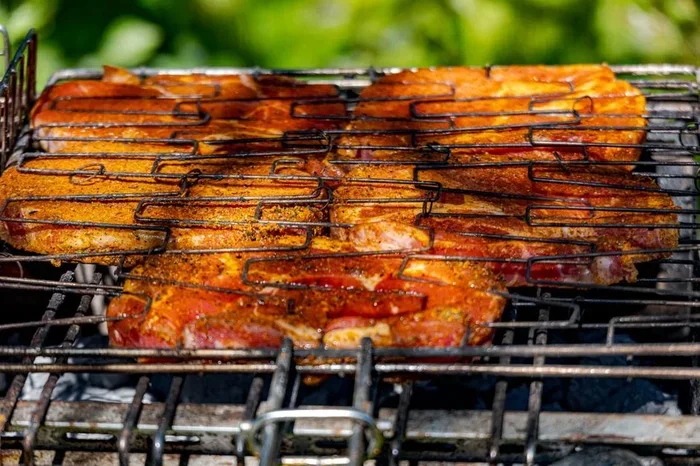
A basic brine for smoking pork is the easiest way to transform ordinary pork into incredibly juicy, flavor-packed meat that falls apart with a single bite. Whether you are smoking pork chops, pork shoulder, or pork loin, a proper brine infuses deep flavor and locks in moisture throughout the smoking process. In this guide, you will learn how to brine pork like a pro, step by step.
Key Takeaways
- Brining adds moisture and flavor: A basic brine for smoking pork keeps your meat juicy and deeply seasoned from edge to edge.
- Wet brine vs. dry brine: Both methods work well, but wet brines are easier for beginners and deliver even flavor distribution.
- Salt is the star ingredient: Kosher salt or sea salt does the heavy lifting in any pork brine recipe.
- Brine time matters: Most pork cuts need 12 to 24 hours in the brine for the best results without over-salting.
- Pat dry before smoking: Removing surface moisture helps smoke adhere better and creates a gorgeous bark.
- Avoid common mistakes: Using table salt, skipping the rinse, or brining too long can ruin your results.
- Pair brining with great tools: Quality smoking equipment makes a big difference in your final outcome.
📑 Table of Contents
What Is a Basic Brine for Smoking Pork
A basic brine for smoking pork is a salt-based solution that you soak your meat in before it hits the smoker. It is simple in concept but powerful in practice. The brine penetrates the muscle fibers of the pork, adding moisture, seasoning, and depth of flavor that plain dry rubs simply cannot match.
Think of it this way. Smoking pork is already a slow, flavorful cooking method. But without a brine, the meat can dry out during those long hours near heat. A pork brine recipe acts like insurance. It protects your investment of time and fuel by keeping the meat succulent from the first bite to the last.
There are two main types of brines: wet brine and dry brine. Wet brines involve submerging the pork in a liquid mixture of water, salt, sugar, and spices. Dry brines use salt and seasonings rubbed directly onto the surface. Both have their place, but wet brines are the go-to for most home pitmasters because they are forgiving and easy to manage.
You can use a brine with almost any cut. Smoked pork chops, pork shoulder, pork loin, and even bone in pork chop recipes for flavorful meals all benefit from a good soak before smoking.
How Brining Works at the Molecular Level
Here is a quick science lesson, but do not worry. It is simple. When salt enters the meat, it dissolves some of the proteins. This creates space for water to be absorbed and held inside the muscle fibers. The result is meat that retains more liquid during cooking. The smoking process becomes far more forgiving when your pork has that extra moisture locked inside.
Sugar and other aromatics in the brine do not penetrate as deeply. They mostly flavor the outer layers. But that is perfectly fine. By the time you are done smoking, the surface flavor and the deep moisture work together beautifully.
Why Brining Is the Secret to Perfect Smoked Pork
If you have ever bitten into a smoked pork chop that felt dry or bland, the missing step was almost always brining. Smoking cooks food slowly over indirect heat. That is great for building a smoky crust. But it also pulls moisture out of the meat over time. A basic brine for smoking pork fights back against that moisture loss.
Here is why brining deserves a permanent spot in your smoking routine:
- Juiciness: Brined pork stays moist even after long cook times at high temperatures.
- Even seasoning: Salt and spices distribute more evenly than a surface rub alone.
- Tender texture: The protein structure relaxes, making the meat easier to slice and chew.
- Better bark: Moisture on the surface helps smoke particles stick, creating a deeper, richer crust.
- Forgiveness: Brined pork is harder to overcook. That extra moisture buys you a buffer if you lose track of time.
Whether you are smoking a few bone in pork chops or a full pork shoulder, brining levels up the result every single time. It is the difference between good smoked pork and unforgettable smoked pork. If you enjoy exploring different pork preparations, you might also love center cut pork chop recipes for weeknights that pair beautifully with a pre-brined and smoked finish.
Wet Brine vs. Dry Brine: Which Is Better for Smoking
Both methods get the job done. But they differ in effort, flavor depth, and convenience.
- Wet brine: Easier to prepare. Submerge the pork, refrigerate, and wait. Great for beginners. Delivers consistent moisture across the entire cut.
- Dry brine: Requires less fridge space. Rubbed directly on the surface. Creates a more concentrated outer seasoning. Better for thinner cuts like pork chops.
For most people smoking pork at home, a wet brine is the best starting point. It is hands-off and delivers excellent results. Once you gain confidence, you can experiment with dry brines for a more intense surface flavor.
Essential Ingredients for Your Basic Brine
A great pork brine recipe starts with a few key ingredients. You do not need anything exotic. In fact, the best brines use simple pantry staples that you probably already have on hand.
The Foundation: Water and Salt
Water and salt are the backbone of every wet brine. The salt does the heavy lifting. It dissolves into the water, penetrates the meat, and restructures the proteins to hold onto moisture.
For a standard brine, use about 1 cup of kosher salt per gallon of water. You can also use sea salt, but avoid regular table salt. Table salt contains iodine and anti-caking agents that can leave a metallic taste on your pork. Stick with kosher salt or sea salt for the cleanest flavor.
Sweetness: Sugar and Alternatives
Sugar is optional but highly recommended. About 1/2 cup of brown sugar per gallon balances the saltiness and promotes caramelization during smoking. You can substitute honey, maple syrup, or even apple juice if you want a different flavor profile. Each one adds a subtle sweetness that complements the smoky notes.
Aromatics and Spices
This is where you can get creative. A basic brine for smoking pork can include any of the following:
- Garlic: Whole cloves or minced garlic add a savory depth.
- Black pepper: Coarsely ground pepper gives a gentle kick.
- Bay leaves: Two or three leaves add an earthy undertone.
- Cumin: A teaspoon works wonders with pork.
- Paprika: Smoked paprika reinforces the smoky flavor even before the pork hits the smoker.
- Cayenne: A pinch for heat. Adjust to your preference.
- Fresh herbs: Thyme, rosemary, and sage pair beautifully with pork.
Acids for Tenderizing
Adding a small amount of acid helps break down proteins and tenderize the meat. Apple cider vinegar is the most popular choice. Use about 1/4 cup per gallon. Avoid using too much acid. It can make the surface texture mushy if the brine time is too long.
Step-by-Step Basic Brine Recipe for Smoking Pork
Now that you understand what goes into a brine, let us walk through the actual process. This basic brine for smoking pork is foolproof and works with virtually any pork cut.
Ingredients
- 1 gallon of water
- 1 cup kosher salt
- 1/2 cup brown sugar
- 1/4 cup apple cider vinegar
- 4 cloves garlic, smashed
- 1 tablespoon black peppercorns
- 2 bay leaves
- 1 teaspoon smoked paprika
Instructions
- Dissolve the salt and sugar: Heat about 2 cups of the water until warm. Add the kosher salt and brown sugar. Stir until fully dissolved. Do not boil. Just warm the water enough to dissolve the solids.
- Combine remaining ingredients: In a large container or brining bag, add the remaining water, apple cider vinegar, garlic, peppercorns, bay leaves, and smoked paprika.
- Mix the brine: Pour the salt-sugar mixture into the container and stir well. Make sure everything is evenly distributed.
- Add the pork: Submerge your pork completely. Use a plate or zip-top bag to keep the meat under the surface if it floats.
- Refrigerate: Place the container in the refrigerator for 12 to 24 hours. Thinner cuts like pork chops need less time. Larger cuts like pork shoulder benefit from the full 24 hours.
- Rinse and pat dry: After brining, remove the pork and rinse it under cold water. Pat it completely dry with paper towels. This step is critical for good smoke adhesion.
- Apply your rub and smoke: Add your favorite dry rub or simply a bit of black pepper and proceed to the smoker.
Quick Tips for Brining Success
Keep these pointers in mind as you brine:
- Always use a non-reactive container. Glass, ceramic, or food-grade plastic works best. Never use metal bowls.
- Make sure the pork is fully submerged. Exposed areas will not brine evenly.
- Taste the brine before adding the meat. It should taste noticeably salty. If it tastes right to you, it is probably perfect for the pork.
- If you are short on time, you can use a dry brine method. Rub salt and seasonings directly onto the pork and refrigerate uncovered for 4 to 6 hours.
Tips for Smoking Pork After Brining
Brining sets the stage. Smoking delivers the final performance. Here is how to get the best results once your pork comes out of the brine.
Pat Dry and Rest
After rinsing, pat the pork bone dry. Let it sit uncovered in the refrigerator for 1 to 2 hours. This dries the surface and helps the smokehouse flavors cling better. A dry surface also develops a darker, crunchier bark that every pitmaster loves.
Choose the Right Wood
Pork loves fruit woods and hickory. Apple wood gives a mild, sweet smoke. Cherry adds a rich, reddish hue to the bark. Hickory delivers a stronger, more traditional smoky flavor. For a balanced approach, mix hickory with apple or cherry.
Maintain Low and Slow Temperatures
Keep your smoker between 225°F and 250°F for most pork cuts. This range allows the fat to render slowly and the smoke to penetrate deeply. Pushing the temperature too high will cook the outside before the inside is done.
Once the internal temperature reaches around 145°F for chops and pork loin, or 195°F to 205°F for shoulder, pull the pork off the heat. Let it rest wrapped in butcher paper or foil for at least 30 minutes before slicing.
Equipment That Makes a Difference
Having reliable smoking gear matters. If you are looking to upgrade, a best pellet smoker attachment for any grill can transform your current setup. These attachments offer precise temperature control, which is especially helpful when smoking brined pork. Consistent heat means even cooking and better results every time.
Common Mistakes to Avoid When Brining Pork
Even experienced cooks make brining mistakes. Here are the most common ones to watch out for.
Using Table Salt
As mentioned earlier, table salt contains additives that affect flavor. Always reach for kosher salt or sea salt. The difference is noticeable in the final bite.
Brining Too Long
More is not always better. Brining pork for more than 24 hours can make the meat mushy and overly salty. For most cuts, 12 to 24 hours is the sweet spot. Pork chops can be brined for as little as 4 hours if you are in a rush.
Skipping the Rinse
Some people skip rinsing the brine off the pork. This is a mistake. Excess salt on the surface will concentrate during smoking and create an unpleasantly salty crust. Always rinse and pat dry before seasoning and smoking.
Ignoring Temperature Safety
Always brine in the refrigerator. Never leave pork sitting in brine on the counter. Bacteria thrive at room temperature, and you do not want to deal with foodborne illness. Keep your brine container at or below 40°F at all times.
Overcomplicating the Brine
You do not need 20 spices in your brine. A simple mixture of salt, sugar, water, garlic, and pepper produces outstanding results. Let the smoking process add complexity. The brine just needs to do its one job: deliver moisture and seasoning.
Forgetting to Adjust Seasonings After Brining
Since the brine already adds salt, reduce or skip additional salt in your dry rub. This prevents the final product from tasting too salty. A light hand with salt on the surface is all you need after a proper brine.
Conclusion
A basic brine for smoking pork is truly the secret to perfect meat. It is simple, inexpensive, and delivers results that will impress everyone at your table. By following the steps in this guide, you will produce smoked pork that is juicy, deeply seasoned, and full of flavor from the first bite to the last.
Remember the key points: use kosher salt, brine for 12 to 24 hours, rinse and pat dry before smoking, and keep your smoker at a consistent low temperature. Avoid the common mistakes and let the pork speak for itself. With the right preparation and a little patience, your smoked pork will become the best on the block.
Start with the basic brine recipe in this guide. Once you see the difference it makes, you will never smoke pork without brining again. Happy smoking!
Frequently Asked Questions
How long can I keep pork in a basic brine for smoking?
Most pork cuts do best with 12 to 24 hours in the brine. Thinner cuts like pork chops need only 4 to 8 hours, while larger cuts like pork shoulder can handle the full 24 hours. Do not exceed 48 hours, or the meat can become mushy and overly salty.
Can I reuse my brine solution?
You can reuse brine once, but only if you boiled it first to kill any bacteria. Discard the brine if it has been sitting with raw pork for more than 24 hours. For safety and best flavor, it is always better to make a fresh batch each time you smoke pork.
Do I need to rinse the pork after brining before smoking?
Yes, always rinse the pork under cold water after removing it from the brine. Then pat it completely dry with paper towels. Rinsing removes excess salt from the surface, and drying helps smoke particles adhere better for a richer bark.
What is the difference between a wet brine and a dry brine for smoking pork?
A wet brine submerges the pork in a saltwater solution with added spices and sugar. It is easy and delivers even moisture throughout the meat. A dry brine involves rubbing salt and seasonings directly onto the surface. Dry brines work best for thinner cuts and create a more concentrated outer flavor layer.
Can I brine and then use a rub at the same time?
Yes, but reduce or eliminate salt from the rub since the brine already adds seasoning. Apply your rub after rinsing and drying the pork. This way you get deep brine flavor on the inside and a flavorful crust on the outside without over-salting.
What cuts of pork work best with a basic brine for smoking?
Almost every cut benefits from brining. Pork chops, pork loin, pork shoulder, and pork belly all respond beautifully. Bone in cuts especially appreciate the moisture retention since they tend to dry out faster. You can also explore various preparations like bone in pork chop recipes for flavorful meals that shine even more after brining and smoking.



