
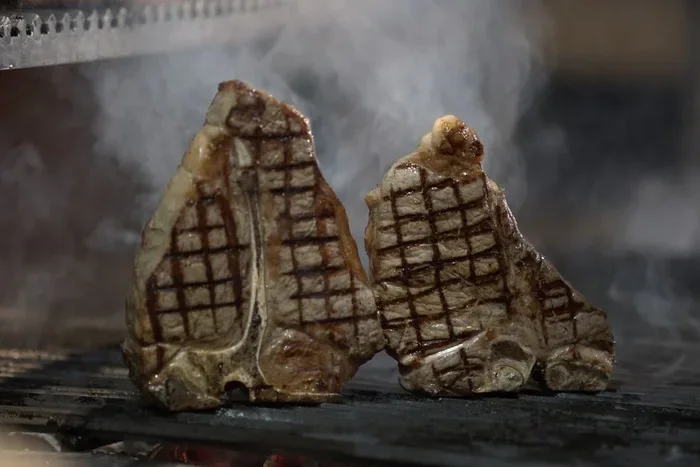
A perfectly pan seared t bone steak is one of the most satisfying meals you can make at home. This guide walks you through every step, from choosing the right cut and pan to nailing the perfect crust and doneness. You will learn simple techniques that turn a basic steak into a show-stopping dinner with minimal effort.
Key Takeaways
- Choose a thick cut: A t bone steak at least 1.5 inches thick gives you the best sear and juicy interior.
- Use a cast iron skillet: It holds heat beautifully and creates an amazing crust on your steak.
- Bring steak to room temperature: This ensures even cooking from edge to center.
- Rest your steak: Letting it rest for 5 to 8 minutes keeps all those juicy steak juices inside.
- Use a meat thermometer: This is the easiest way to hit your perfect doneness every single time.
- Baste for extra flavor: Spooning hot butter and garlic over the steak adds incredible depth.
📑 Table of Contents
- Why Pan Seared T Bone Steak Is the Best Way to Cook Steak
- Choosing the Right Pan for Searing Steak
- How to Prepare Your T Bone Steak for Pan Searing
- The Step-by-Step Pan Searing Process
- Why Resting Steak Matters and How to Do It Right
- Serving Your Pan Seared T Bone Steak
- Expert Tips for the Perfect Pan Seared T Bone Steak
Why Pan Seared T Bone Steak Is the Best Way to Cook Steak
There is something magical about a pan seared t bone steak. The sizzle when it hits the hot pan. The rich aroma that fills your kitchen. The perfect crust on the outside and the juicy, tender meat on the inside. It is a meal that feels fancy but is surprisingly easy to make.
Unlike grilling, pan searing gives you full control over the heat. You can adjust the temperature instantly. You can baste the steak with butter and garlic right in the pan. And you do not need any special equipment. Just a good pan, a quality steak, and a few simple steps.
The t bone steak is special because it has two types of meat in one cut. On one side is the tender filet mignon. On the other side is the flavorful strip steak. The T shaped bone runs through the middle, keeping both sections distinct and juicy. This makes it one of the most popular cuts for steak lovers.
When you learn how to cook steak in a pan, you unlock a skill that will serve you for life. Whether you are cooking for a date night or a family dinner, a pan seared t bone steak always impresses. Let us dive into how to do it right.
What Makes T Bone Steak Special
The t bone cut comes from the short loin section of the cow. It includes two premium steaks in one. The smaller side is the tenderloin, which is incredibly soft and lean. The larger side is the New York strip, which has more beefy flavor and a bit of chew.
Because you get two different textures in one steak, the t bone offers a unique eating experience. You can enjoy the best of both worlds in every bite. This is why many steak enthusiasts consider it their go-to cut. A well cooked t bone steak is truly hard to beat.
Choosing the Right Pan for Searing Steak
The pan you use matters more than most people realize. A good pan holds heat evenly and creates a beautiful sear. A bad pan leads to uneven cooking and a disappointing crust. Let us look at what to look for.
Cast iron skillets are the gold standard for searing steak. They retain heat incredibly well, which means the pan stays hot when the cold steak hits it. This is essential for getting a thick, flavorful crust. If you have a cast iron skillet, use it.
Stainless steel pans also work great for pan frying steak. They heat up quickly and give you good control over the temperature. Just make sure your pan is truly nonstick or well seasoned if you want easy release. A sticky steak is frustrating and can ruin the presentation.
If you have a glass cooktop, you might want to check out a best non stick pan for glass cooktop that can handle high heat. Not all nonstick pans are created equal, and some cannot handle the heat needed for searing.
Cast Iron vs Stainless Steel for Searing
Both pans have their strengths. Cast iron holds more heat and gives a thicker crust. Stainless steel heats up faster and gives you more control. Either one works well for a pan seared t bone steak. The key is to make sure the pan is hot before the steak goes in.
Avoid using nonstick pans for searing steak. The high heat can damage the coating, and nonstick pans do not get hot enough to create a proper sear. You want a pan that can handle at least 450 to 500 degrees Fahrenheit for the best results.
How to Prepare Your T Bone Steak for Pan Searing
Preparation is where most home cooks go wrong. They skip steps and wonder why the steak does not turn out right. Taking a few extra minutes before cooking makes a huge difference.
Seasoning Your Steak
Keep it simple. Good quality salt and freshly ground black pepper are all you need for a great steak. Take the steak out of the fridge about 30 to 45 minutes before cooking. This lets the steak seasoning work into the meat and brings the steak closer to room temperature.
Some people like to add garlic powder or paprika to their seasoning blend. That is fine. But do not overcomplicate it. The meat itself is the star. A heavy dose of salt on both sides about 40 minutes before cooking helps draw out moisture, which then gets reabsorbed. This creates a drier surface that sears beautifully.
When you are ready to cook, pat the steak dry with a paper towel. A dry surface is essential for getting a good steak crust. Any moisture on the surface will steam instead of sear, and that is the enemy of a perfect crust.
Bringing Steak to Room Temperature
This is one of the most important steps in cooking steak. A cold steak straight from the fridge will cook unevenly. The outside will be overdone while the center is still cold. By letting the steak sit at room temperature for about 30 minutes, you get much more even cooking.
This simple step separates good steak from great steak. It takes almost no effort but makes a noticeable difference in the final result. Your pan fried steak will thank you for it.
How to Grease Your Pan the Right Way
When it comes to adding fat to the pan, less is more. You do not need a lot of oil for searing steak. A light coat of high smoke point oil like avocado oil or grapeseed oil works perfectly. These oils can handle the high heat without burning.
Avoid using olive oil for searing. It has a lower smoke point and can burn at the temperatures needed for a good sear. Butter is great for basting but not for the initial oil in the pan because it burns quickly. Save the butter for the basting step later.
The Step-by-Step Pan Searing Process
Now comes the fun part. The actual cooking. Follow these steps closely and you will get restaurant-quality results at home every time.
Heating the Pan
Place your cast iron skillet or stainless steel pan on the stove over medium-high heat. Let it get hot for about 2 to 3 minutes. You want the pan really hot. A simple test is to flick a few drops of water into the pan. If they sizzle and evaporate immediately, the pan is ready.
Once the pan is hot, add a thin layer of oil. Let the oil heat up for about 30 seconds until it just starts to shimmer. Do not let the oil smoke. Smoking oil means it is past its smoke point and will taste bitter.
Searing the Steak
Gently place the steak in the pan. It should sizzle loudly right away. If it does not sizzle, your pan is not hot enough. Let the steak cook undisturbed for about 3 to 4 minutes on the first side. Do not move it. Let the heat do its work and form that beautiful brown crust.
Flip the steak and cook for another 3 to 4 minutes on the second side. For a thicker steak, you can also sear the fat edge for about 1 minute. This renders the fat cap and adds incredible flavor. The total searing time will depend on the thickness of your steak and how done you like it.
Basting for Extra Flavor
After you flip the steak, add a tablespoon of butter, a few crushed garlic cloves, and a sprig of fresh thyme to the pan. As the butter melts and turns brown, tilt the pan slightly. Use a spoon to scoop up the hot, fragrant butter and pour it over the steak repeatedly.
This technique is called basting, and it adds incredible richness and flavor to your steak. The garlic and herbs infuse the butter, which then soaks into the steak crust. It is a simple trick that makes a big difference. This is what separates a good steak from an unforgettable one.
Checking Steak Doneness
The most reliable way to check if your steak is done is with a kitchen thermometer. Insert it into the thickest part of the steak, away from the bone. Here are the temperature targets for different levels of doneness:
- Rare: 120 to 125 degrees Fahrenheit
- Medium Rare: 130 to 135 degrees Fahrenheit
- Medium: 140 to 145 degrees Fahrenheit
- Medium Well: 150 to 155 degrees Fahrenheit
- Well Done: 160 degrees Fahrenheit and above
For a medium rare t bone steak, pull the steak off the heat at about 125 to 130 degrees Fahrenheit. The temperature will rise a few degrees as the steak rests. This carryover cooking is important to account for.
Why Resting Steak Matters and How to Do It Right
Resting your steak after cooking is not optional. It is essential. When the steak comes off the heat, the juices inside are under pressure. If you cut into it right away, all those juices run out onto the cutting board. You end up with a dry steak.
Let the steak rest on a warm plate for at least 5 to 8 minutes. This gives the juices time to redistribute throughout the meat. When you finally cut in, every bite will be juicy and full of flavor. The steak resting time might seem like a small detail, but it makes a huge impact.
While the steak rests, you can use this time to make a quick pan sauce. Just add a splash of beef broth or red wine to the hot pan, scrape up any browned bits, and let it reduce for a minute or two. Pour it over the sliced steak and you have an instant restaurant-quality meal.
Common Mistakes to Avoid When Cooking T Bone Steak
Even experienced cooks make mistakes with steak. Here are a few to watch out for.
Not letting the steak come to room temperature. This leads to uneven cooking and a cold center. Always take the steak out at least 30 minutes before cooking.
Using a pan that is not hot enough. A lukewarm pan will steam the steak instead of searing it. Get that pan screaming hot before adding the steak.
Moving the steak too much. Let it sit undisturbed while it sears. If you keep flipping it, you will not get a proper crust.
Skipping the rest. Cutting into a steak right away releases all the juices. Be patient and let it rest.
Overcooking the steak. Use a thermometer. Guessing leads to dry, overdone meat every time.
Using the wrong oil. Olive oil and butter burn at searing temperatures. Stick with high smoke point oils like avocado or grapeseed oil.
How to Clean Your Pan After Cooking Steak
After you enjoy your beautiful pan seared t bone steak, you will likely have some browned bits stuck to the pan. These are actually flavor gold, but they need to be cleaned properly. Let the pan cool slightly, then add warm water and a small amount of dish soap. Use a stiff brush or sponge to scrub away any stuck-on bits.
If you are dealing with stubborn burnt residue, check out our guide on how to remove burnt sugar from pan for tips that work well on baked-on steak bits too. For cast iron pans, avoid using soap if possible and just scrub with salt and a paper towel. This keeps the seasoning intact for your next steak night.
Serving Your Pan Seared T Bone Steak
Now that your steak is perfectly cooked and rested, it is time to serve it. Slice against the grain for the most tender bite. This means cutting perpendicular to the muscle fibers, which shortens them and makes each piece easier to chew.
Serve your pan seared t bone steak with simple sides that complement the rich flavor. Roasted vegetables, garlic mashed potatoes, or a fresh green salad all work beautifully. The steak is the star of the show, so keep the sides simple and let the meat shine.
For an extra special touch, drizzle the pan sauce over the sliced steak. The combination of the brown butter, garlic, and thyme creates a sauce that is incredibly rich and savory. Your family or guests will think you spent hours in the kitchen.
Leftover steak makes amazing sandwiches the next day. Slice it thin, warm it up in a hot pan for 30 seconds, and serve on a crusty roll with some arugula and horseradish cream. Do not let any of that beautiful steak go to waste.
Expert Tips for the Perfect Pan Seared T Bone Steak
Here are a few bonus tips from experienced cooks that will take your steak game to the next level.
- Dry brine overnight: Salt the steak and leave it uncovered in the fridge overnight. This dries the surface even more and seasons deeply for an incredible crust.
- Use a meat fork to hold the steak steady: This prevents you from pressing down on the steak and losing juices.
- Add fresh herbs at the end: A sprinkle of fresh chopped parsley or chives right before serving adds color and freshness.
- Let the pan recover between steaks: If cooking multiple steaks, let the pan reheat for a minute before adding the next one.
- Experiment with compound butter: A dollop of garlic herb butter melting over the hot steak adds richness and flavor.
Mastering the pan seared t bone steak is one of the most rewarding cooking skills you can develop. It is a technique that works every single time when you follow the basics. Get the pan hot, season simply, sear without moving, and rest before cutting. That is the formula for a perfect steak.
Once you nail this method, you will never go back to ordering steak at a restaurant. You will have everything you need to cook a restaurant-quality pan seared t bone steak right in your own kitchen. So grab a good cut of meat, heat up your pan, and get ready for an unforgettable meal.
Frequently Asked Questions
How long should I sear a t bone steak on each side?
For a 1.5-inch thick steak, sear for about 3 to 4 minutes on each side over medium-high heat. Adjust the time based on the thickness of your steak and your preferred level of doneness. A kitchen thermometer is the most reliable way to check if the steak is done.
Do I need to marinate a t bone steak before pan searing?
No, marinating is not necessary for a good t bone steak. The marbling and natural flavor of the cut are enough. A simple seasoning of salt and pepper is all you need. Marinating can actually mask the natural beef flavor that makes this cut special.
Can I use a regular frying pan instead of cast iron for searing steak?
Yes, you can use a regular frying pan if it is stainless steel and can handle high heat. Avoid nonstick pans for searing because they do not get hot enough. A heavy-bottomed stainless steel pan works well for a pan fried steak if preheated properly.
What is the best oil for searing steak in a pan?
Avocado oil and grapeseed oil are the best choices because they have high smoke points. These oils can handle the extreme heat needed for searing without burning or smoking. Avoid olive oil and butter for the initial sear, though butter is excellent for basting.
Why is my steak sticking to the pan when I sear it?
Steak usually sticks because the pan is not hot enough or the steak surface is wet. Make sure the pan is properly preheated and pat the steak completely dry before adding it. Once a proper crust forms, the steak will release naturally from the pan.
How do I know when my t bone steak is medium rare?
A medium rare steak should reach an internal temperature of 130 to 135 degrees Fahrenheit when measured with a meat thermometer. The center should be warm and red with a pink ring around the outside. After resting, the temperature will rise slightly to about 135 to 140 degrees.
=== CONCLUSION ===
Cooking a pan seared t bone steak at home is easier than you think. With the right pan, simple seasoning, and a few key techniques, you can create a steak that rivals any restaurant. The secret is in the details: a hot pan, a dry surface, patient searing, and a proper rest.
Follow the steps in this guide and you will consistently produce juicy, flavorful steak with a beautiful golden crust. Practice makes perfect, and every steak you cook will teach you something new. So grab your cast iron skillet, pick out a great cut of t bone, and get cooking. Your perfect steak is just one pan sear away.



