A quarter cup equals two fluid ounces for liquids and the weight in dry ounces varies by ingredient. Understanding this quarter cup measurement helps you follow recipes with confidence and avoid costly kitchen mistakes. Whether you are baking or cooking, knowing the cup to ounces conversion saves time and improves measurement accuracy every single time.
Have you ever been in the middle of cooking and suddenly realized you only have a quarter cup measure but the recipe calls for ounces? Maybe you are trying to measure coffee in a coffee maker and want to get the ratio just right. Or perhaps you are scaling a recipe up or down and need to know the exact quarter cup ounces equivalent. Whatever the reason, knowing how many ounces are in a quarter cup is one of those small kitchen facts that makes a huge difference.
This guide breaks down everything you need to know about quarter cup measurement. We will cover fluid ounces, dry ounces, why the numbers differ, and how to get it right every time. By the end, you will feel more confident in your cooking measurements and never second-guess a recipe again.
Key Takeaways
- A quarter cup equals two fluid ounces for liquid ingredients like water, milk, and oil.
- Dry ounces vary by ingredient because different foods have different weights and densities.
- Using the right measuring tool — liquid vs dry — makes a big difference in your results.
- Kitchen conversions like quarter cup to tablespoons help when you do not have the right size measuring cup.
- Measurement accuracy directly impacts the taste, texture, and success of your recipes.
- Volume and weight are not the same, and understanding this prevents common cooking mistakes.
- Keep a conversion chart handy in your kitchen for quick reference during meal prep.
📑 Table of Contents
What Is a Quarter Cup?
A quarter cup is exactly one-fourth of a full cup. In the United States, a standard cup holds eight fluid ounces. So when you divide that by four, you get two fluid ounces. That is the basic answer for liquids. But things get a little more interesting when we talk about dry ingredients, and that is where many home cooks get confused.
Understanding Cup Measurements
In American kitchen measurements, the cup is the most commonly used unit. Here is a quick breakdown of how cups break down:
- 1 cup = 8 fluid ounces = 16 tablespoons
- 3/4 cup = 6 fluid ounces = 12 tablespoons
- 1/2 cup = 4 fluid ounces = 8 tablespoons
- 1/4 cup = 2 fluid ounces = 4 tablespoons
These cup measurements are standard across most American recipes. You will see them on everything from cake mixes to spice blends. The key thing to remember is that these fluid ounce measurements apply to liquids. When you deal with dry ingredients, the weight in ounces changes depending on what you are measuring.
Why Quarter Cup Matters in Recipes
You might wonder why a quarter cup is so important. The truth is, many recipes call for this amount. Spices, leavening agents like baking powder and baking soda, oils, and extracts often need just a quarter cup. Getting this quarter cup measurement right can mean the difference between a perfectly risen cake and a flat disappointment.
Think about it this way. If a recipe asks for a quarter cup of flour and you eyeball it instead of measuring, you could end up with too much or too little. That small error can throw off the entire baking conversions and change the texture of your final dish. This is why measurement accuracy matters so much in the kitchen.
How Many Ounces in a Quarter Cup
The answer depends on whether you are measuring a liquid or a dry ingredient. This is the most important distinction in all of cooking measurements. Let us walk through both scenarios so you never have to guess again.
Fluid Ounces vs Dry Ounces
This is where things get tricky, and it is also where most people make mistakes. A fluid ounce measures volume, which is how much space something takes up. A dry ounce measures weight, which is how heavy something is. These are two completely different things, and confusing them can ruin a recipe.
For liquids, a quarter cup always equals two fluid ounces. This is true whether you are measuring water, milk, olive oil, or broth. The volume stays the same no matter what liquid you are using.
For dry ingredients, the weight in ounces changes from ingredient to ingredient. A quarter cup of flour weighs about one ounce. A quarter cup of sugar weighs about two ounces. A quarter cup of cocoa powder weighs less than an ounce. See the problem? The volume vs weight distinction is critical here.
The Quarter Cup Ounces Conversion
Here is a practical look at how many dry ounces are in a quarter cup for common ingredients:
- All-purpose flour: approximately 1 ounce (28 grams)
- Granulated sugar: approximately 2 ounces (56 grams)
- Brown sugar (packed): approximately 2.25 ounces
- Cocoa powder: approximately 0.6 ounces (18 grams)
- Breadcrumbs: approximately 0.5 ounces
- Rolled oats: approximately 0.75 ounces
- Chopped nuts: approximately 1.25 ounces
As you can see, there is no single answer for dry ingredients. This is why most baking experts recommend weighing your ingredients with a kitchen scale whenever possible. But when all you have are measuring cups, knowing these rough cooking equivalents can save your recipe.
For liquids, the ounces conversion chart is always the same. Two fluid ounces per quarter cup. Period. This makes liquid measuring much simpler than dry measuring.
Why Accurate Measurements Matter
You might think that being off by a little bit on a quarter cup will not matter much. But in cooking and especially in baking, small measurement errors add up fast. Baking is essentially a science. It relies on precise ratios of flour, liquid, leavening agents, and sugar. When you get those ratios wrong, the results show.
Impact on Baking
Too much flour makes baked goods dense and dry. Too little flour and your batter will be runny. Too much sugar can cause cookies to spread too thin. Too little and they will not sweeten properly. Each of these problems starts with a simple measurement error.
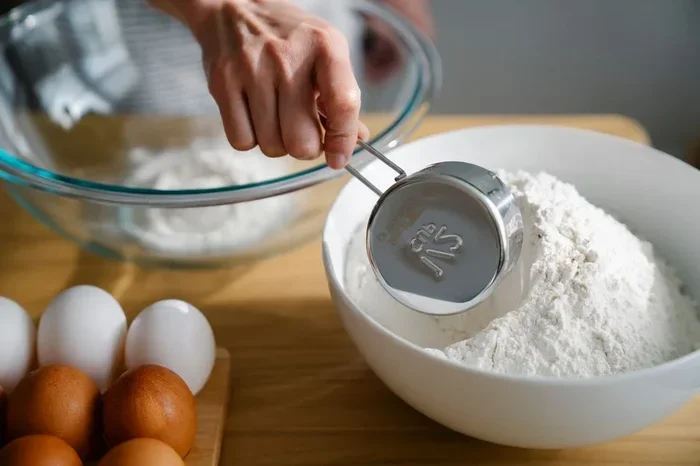
If you have ever wondered why your cookies turn out differently than the recipe promises, measurement accuracy is the first thing to check. A dry measuring cup used properly can make all the difference. Spoon the flour into the cup and level it off with a straight edge. Do not scoop it directly from the bag with the measuring cup, because that packs in too much flour.
Impact on Cooking
Cooking is a bit more forgiving than baking. If you add a little extra oil to a stir-fry, it probably will not ruin the dish. But when you are making a sauce, a marinade, or a marinade where a quarter cup of vinegar or oil is specified, getting the amount right still matters.
Even something as simple as measuring coffee in a coffee maker requires accuracy. Too much coffee and your brew will be bitter. Too little and it will taste weak. The ratio of coffee to water is one of the most important kitchen conversions to get right for a great morning cup.
Common Quarter Cup Conversions
Sometimes you do not have a quarter cup measuring cup on hand. Maybe you only have a half cup and a tablespoon set. Or maybe you are working with a metric system recipe and need to convert. Here are the most useful quarter cup conversions to keep in mind.
Quarter Cup to Tablespoons
One quarter cup equals four tablespoons. This is one of the most useful cooking tips you can memorize. If a recipe calls for a quarter cup of something and you only have a tablespoon measure, simply scoop four level tablespoons.
This works for both liquids and dry ingredients. Four tablespoons of oil, four tablespoons of flour, four tablespoons of honey — the volume is the same. This simple tablespoon conversion can rescue you in a pinch when you are missing the right size measuring cup.
Quarter Cup to Teaspoons
If you need to go even smaller, one quarter cup equals twelve teaspoons. That is because there are three teaspoons in one tablespoon, and four tablespoons in a quarter cup. Multiply three by four and you get twelve.
You will rarely need this level of precision for a quarter cup amount. But if you are working with potent ingredients like vanilla extract, salt, or hot sauce, knowing this kitchen conversions fact can help you adjust flavors with confidence.
Quarter Cup to Milliliters
For those who use metric measurements, a quarter cup equals approximately 59 milliliters. This is useful when you are following international recipes or when your measuring tools are metric. Keep this number in mind if you ever find yourself converting between systems.
Tips for Measuring a Quarter Cup Accurately
Getting a quarter cup right is easier when you use the right technique. Here are some practical cooking tips that will improve your measurement accuracy starting today.
Using Liquid Measuring Cups
For liquids like water, milk, broth, or oil, use a clear liquid measuring cup. Place it on a flat surface and pour the liquid in slowly. Get down to eye level and check that the liquid reaches the two-ounce or quarter-cup mark. Reading from above or below will give you an inaccurate measurement.
Liquid measuring cups usually have markings for cups, fluid ounces, and milliliters. Use the quarter cup line or the two fluid ounce line. Both will give you the same result for any liquid you are measuring.
Using Dry Measuring Cups
For dry ingredients like flour, sugar, or oats, use a dry measuring cup. Here is the proper technique:
- Fluff up the ingredient in its container with a spoon or fork first.
- Scoop the ingredient into the measuring cup gently.
- Do not pack it down or tap the cup on the counter.
- Use a straight edge like a knife or spatula to level off the top.
- Never push the ingredient down to make it fit.
This method gives you the most accurate dry ounce measurement possible with a cup. If you want even better accuracy, invest in a small kitchen scale. Weighing ingredients eliminates the guesswork entirely and takes your recipe measurements to the next level.
When to Use Measuring Spoons Instead
For very small amounts, measuring spoons are your best friend. If a recipe calls for a quarter teaspoon or a quarter tablespoon, use the appropriate spoon. Do not try to estimate a quarter cup amount when the recipe actually means a quarter teaspoon. This is a common mistake that can throw off your dish significantly.
Keep a set of measuring spoons near your workspace at all times. They are inexpensive and they make a real difference in measurement accuracy. Also, if you ever need to measure coffee in a coffee maker using scoops, remember that the standard coffee scoop holds two tablespoons, which is one-sixth of a cup.
Quick Reference Conversion Chart
Here is a handy reference you can keep in mind whenever you are in the kitchen. Print it out or save it to your phone for quick access during meal prep.
- 1 quarter cup = 2 fluid ounces (liquids)
- 1 quarter cup = 4 tablespoons
- 1 quarter cup = 12 teaspoons
- 1 quarter cup = approximately 59 milliliters
- 1 quarter cup of flour = approximately 1 dry ounce
- 1 quarter cup of sugar = approximately 2 dry ounces
- 1 quarter cup of butter = 2 ounces (half a stick)
Keep this chart somewhere visible in your kitchen. Over time, these conversions will become second nature, and you will never need to stop and calculate mid-recipe again.
Remember that when you are working with ingredients like rice, knowing proper cooking measurements helps too. For example, understanding how much liquid your rice needs and how long it stays good in the cooker is just as important as getting the cup measurements right. If you ever need to reheat leftovers, a rice cooker can handle that beautifully, and getting the initial measurements right ensures the best results from the start.
Conclusion
So, how many ounces in a quarter cup? For liquids, the answer is always two fluid ounces. For dry ingredients, the weight varies, but it typically ranges from half an ounce to two ounces depending on the ingredient. Understanding this quarter cup measurement is one of the simplest yet most valuable skills you can build in the kitchen.
Accurate cooking measurements lead to better food, fewer mistakes, and more confidence when you try new recipes. Whether you are baking a cake, brewing a perfect pot of coffee, or preparing a weeknight dinner, knowing your conversions makes everything easier. Keep these tips in mind, use the right tools, and never underestimate the power of a well-measured quarter cup.
The next time you are in the kitchen and a recipe calls for a quarter cup, you will know exactly what to do. Measure with care, use the right tools, and enjoy the results. Happy cooking!
Frequently Asked Questions
Is a quarter cup the same as 2 ounces?
Yes, but only for liquids. A quarter cup equals two fluid ounces for any liquid ingredient like water, milk, oil, or broth. For dry ingredients, the weight in ounces varies because different ingredients have different densities and weights.
How many tablespoons are in a quarter cup?
There are four tablespoons in a quarter cup. This is one of the easiest kitchen conversions to remember and works for both liquids and dry ingredients. Just scoop four level tablespoons if you do not have a quarter cup measure.
Can I use a liquid measuring cup for dry ingredients?
It is not recommended. Liquid measuring cups are designed to be read from the top and are not as accurate for dry ingredients. Use a dry measuring cup for flour, sugar, and other dry items. Spoon the ingredient in and level it off for the best measurement accuracy.
Why do dry ounces differ from fluid ounces?
Fluid ounces measure volume, which is how much space something takes up. Dry ounces measure weight, which is how heavy something is. A quarter cup of flour weighs much less than a quarter cup of sugar because the two ingredients have different densities. This is the volume vs weight distinction that confuses many home cooks.
What is the best way to measure flour accurately?
The best way is to fluff the flour first, then spoon it into a dry measuring cup and level it off with a straight edge. Never scoop flour directly from the bag with the measuring cup, as this packs in too much flour and throws off your baking conversions and recipe results.
Does a quarter cup of butter equal 2 ounces?
Yes, a quarter cup of butter equals 2 ounces, which is also half a standard stick of butter. This makes it easy to measure butter when a recipe calls for a quarter cup. Simply use half a stick and you are all set.