
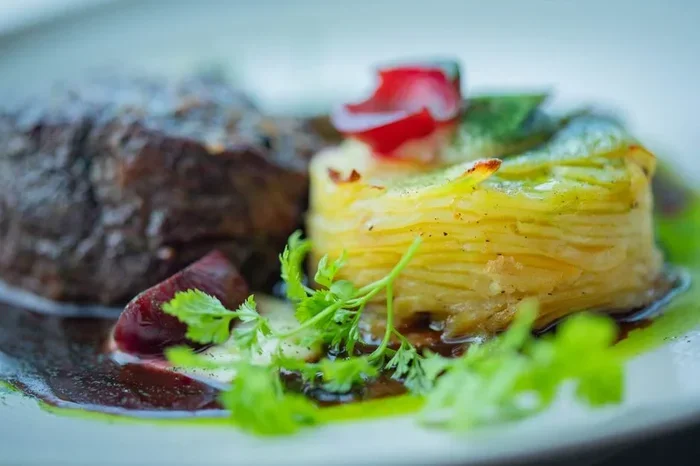
The best temperature for filet mignon depends on your preferred doneness, but most chefs recommend cooking to an internal temperature of 130°F for medium rare. This guide covers everything from the ideal sear temperature to resting times and common mistakes. Whether you are pan-searing, grilling, or using the sous vide method, knowing the right filet mignon temperature is the single most important factor in creating a restaurant-quality steak at home.
There is nothing quite like a perfectly cooked filet mignon. It is tender, juicy, and melts in your mouth with every bite. But getting it just right? That takes a little know-how. The best temperature for filet mignon is the difference between a steak worth bragging about and one that ends up in the trash. In this guide, we will walk you through everything you need to know about cooking temperatures, doneness levels, and the simple tricks that turn a good steak into a great one.
Whether you are a beginner in the kitchen or a seasoned home cook looking to refine your technique, this article covers it all. We will talk about internal temperatures, sear temps, resting times, and the mistakes that ruin even the best cut of beef. By the end, you will feel confident enough to cook filet mignon that rivals any fine dining restaurant.
Key Takeaways
- Target 130°F internal temperature for medium rare, which is the gold standard for filet mignon.
- Use a meat thermometer to check accuracy — guessing leads to overcooked steak.
- Rest your steak for 5 to 10 minutes after cooking to lock in juices.
- Sear at high heat (450°F to 500°F) for a perfect crust without burning.
- Thickness matters — thicker cuts need lower cooking temps and longer sear times.
- Avoid common mistakes like skipping the rest or cooking from frozen.
📑 Table of Contents
- Why Temperature Control Is Everything for Filet Mignon
- The Best Temperature for Filet Mignon by Doneness Level
- How to Measure the Internal Temperature
- Cooking Methods and Their Ideal Temperatures
- Common Mistakes That Ruin Your Filet Mignon
- Serving and Storing Your Perfectly Cooked Filet Mignon
- Final Thoughts on the Best Temperature for Filet Mignon
Why Temperature Control Is Everything for Filet Mignon
The Delicate Nature of Filet Mignon
Filet mignon comes from the beef tenderloin, which is one of the most tender cuts of meat you can buy. Because it has less intramuscular fat than ribeye or strip steak, it is leaner and more delicate. This means it reacts quickly to heat. A few extra minutes on the pan or grill can turn a perfect medium rare into a dry, overcooked disappointment.
This is exactly why understanding the best temperature for filet mignon matters so much. Lean cuts like filet mignon do not have the fat marbling to forgive you if you cook them too long. Precision is your best friend here.
When you cook at the right temperature, the proteins in the meat stay tender and the juices stay locked inside. Too much heat for too long, and the muscle fibers tighten up, squeezing out all the moisture. That is how you end up with a steak that tastes like cardboard no matter how good your seasoning is.
How Heat Affects Texture and Flavor
Heat transforms steak in two important ways. First, it creates the Maillard reaction, which is that beautiful brown crust on the outside. Second, it changes the internal structure of the meat. At lower temperatures, the proteins stay soft and the meat remains pink and juicy. At higher temperatures, the proteins tighten and the moisture escapes.
This is why a medium rare filet mignon at 130°F feels so different from a well-done steak at 160°F. The same cut of beef, two completely different experiences. Controlling temperature gives you control over the final product.
The Best Temperature for Filet Mignon by Doneness Level
Medium Rare: The Gold Standard
Most chefs and steak lovers agree that the best temperature for filet mignon is 130°F internal, which gives you a medium rare steak. At this temperature, the center is warm and red with a soft, buttery texture. The edges are cooked through but the core retains that beautiful juiciness that makes filet mignon so special.
Here is a quick breakdown of the standard doneness temperatures for filet mignon:
- Rare: 120°F internal temperature — very red and cool in the center
- Medium Rare: 130°F — warm red center, the most popular choice
- Medium: 140°F — pink center, slightly firmer texture
- Medium Well: 150°F — small pink band, mostly gray
- Well Done: 160°F and above — no pink, significantly drier
For filet mignon specifically, we strongly recommend staying between rare and medium. The leaner nature of this cut means anything past medium starts to lose its signature tenderness. If you are new to cooking steak, aim for 130°F and use a meat thermometer to confirm.
Other Doneness Levels Explained
Some people prefer their steak more done, and that is perfectly fine. However, if you are cooking filet mignon, we encourage you to try medium rare at least once. The difference in texture and flavor is dramatic. If you do prefer a more well-done steak, consider adding a little extra fat through butter basting during the sear to help keep the meat moist.
How to Measure the Internal Temperature
Choosing the Right Meat Thermometer
A good meat thermometer is the single most important tool for cooking steak. You do not need an expensive one, but you do need an accurate one. Instant-read thermometers are the best choice for most home cooks. They give you a reading in about 10 seconds, which is fast enough to check the temperature without losing too much heat from the steak.
Insert the thermometer into the thickest part of the steak, away from the bone or any fat pockets. The reading should be steady and clear. If you see the temperature climbing past your target, pull the steak off the heat immediately. The temperature will continue to rise during resting, a phenomenon known as carryover cooking.
Where to Insert the Thermometer
Placement matters more than you might think. Stick the thermometer into the center of the steak horizontally, not from the top or bottom. This gives you the most accurate reading of the true internal temperature. Avoid touching the pan or grill surface with the probe, as that will give you a false reading.
For thicker cuts of filet mignon, you may want to check the temperature in multiple spots. The center is usually the coolest part, but edges can vary depending on how evenly your heat source distributes warmth.
Cooking Methods and Their Ideal Temperatures
Pan Searing for a Perfect Crust
Pan searing is one of the most popular ways to cook filet mignon, and for good reason. A hot cast iron skillet gives you that deep, caramelized crust that makes steak look and taste incredible. Preheat your pan over high heat until it is smoking hot — around 450°F to 500°F at the surface.
Add a high smoke point oil like avocado oil or clarified butter. Place the filet mignon in the pan and do not touch it for 2 to 3 minutes. Let the crust form. Then flip and cook for another 2 to 3 minutes, depending on the thickness of your steak. Finish with a knob of butter, fresh thyme, and a crushed garlic clove for extra flavor.
The best temperature for filet mignon when pan searing is to start with a ripping hot pan and cook quickly. This minimizes the time the inside is exposed to heat, helping you hit that perfect 130°F target without overcooking the exterior.
Grilling Filet Mignon
Grilling filet mignon over direct high heat works beautifully. Preheat your grill to high — around 450°F to 500°F. Sear each side for 2 to 3 minutes, then move to a cooler part of the grill if your steak is thicker than 1.5 inches. Close the lid and let it finish cooking gently until it reaches 130°F internally.
Grilling adds a smoky flavor that complements the mild taste of filet mignon wonderfully. Just be careful not to flare up the fat — filet mignon is lean, so there is less risk of grease flames compared to fattier cuts, but a little flare-up can char the surface quickly.
Sous Vide Precision
If you want absolute control over the best temperature for filet mignon, sous vide is the way to go. Set your water bath to 130°F for medium rare and let the steak cook for 1 to 2 hours. Because the water temperature is exact, the steak cooks evenly edge to edge with no gray band.
After the sous vide cook, pat the steak dry and sear it in a blazing hot skillet for about 30 seconds per side. This gives you the crust without raising the internal temperature much. The result is a filet mignon that is uniformly pink and perfectly tender from edge to center.
You can also store cooked sous vide steak in high temperature plastic wrap for meal prep or storing leftovers safely. This keeps the meat fresh while maintaining its quality.
Common Mistakes That Ruin Your Filet Mignon
Skipping the Rest
One of the biggest mistakes home cooks make is cutting into a steak the second it comes off the heat. Resting is not optional. When you pull your filet mignon off the heat, the juices inside are under high pressure. If you cut immediately, those juices flood out onto the plate instead of staying in the meat.
Let your steak rest for at least 5 to 10 minutes on a warm plate or a keep food warm container to maintain the serving temperature. The internal temperature will drop slightly — usually 5 to 10 degrees — which is exactly why you should pull the steak off the heat a few degrees before your target temp.
Overcooking from Impatience
It is tempting to leave the steak on the heat “just a little longer” to be safe. But with filet mignon, that extra time makes a huge difference. The lean meat dries out fast. Trust your thermometer, pull the steak early, and let carryover cooking do the rest.
Cooking From Frozen
Never cook a frozen filet mignon straight from the freezer. The outside will burn before the inside ever reaches the right temperature. Always let your steak come to room temperature for about 30 minutes before cooking. This ensures more even cooking throughout the steak.
Serving and Storing Your Perfectly Cooked Filet Mignon
Once your filet mignon hits the right temperature and has rested properly, it is time to serve. Slice against the grain for maximum tenderness. Pair it with a simple side like roasted vegetables or a fresh salad to let the steak shine.
If you have leftovers, store them in an airtight container in the refrigerator within two hours of cooking. Reheat gently in a warm pan or oven — avoid the microwave, which can toughen the meat. For longer storage, you can wrap individual slices in food-safe plastic wrap and freeze for up to three months.
When serving a crowd, keep slices warm on a serving platter lined with a heat resistant mat to protect your countertops from hot dishes. This small detail keeps your kitchen safe and your presentation clean.
If you are prepping ingredients ahead of time for a steak dinner, consider using a stainless steel Dutch oven to prep sides like roasted potatoes or braised vegetables. Dutch ovens distribute heat evenly and keep food warm, making them a versatile addition to any steak night setup.
Final Thoughts on the Best Temperature for Filet Mignon
The best temperature for filet mignon comes down to one simple truth: precision wins. Whether you prefer medium rare at 130°F or are experimenting with other doneness levels, the key is to use a meat thermometer, rest your steak properly, and avoid the common pitfalls that lead to overcooking. Filet mignon is a luxurious cut that rewards careful attention. Treat it well, and it will reward you with a meal that is truly unforgettable.
Start with a quality cut, bring it to room temperature, sear it hot, check the temp often, and let it rest. Follow these steps every time and you will never have a bad filet mignon again. Happy cooking.
Frequently Asked Questions
What is the best internal temperature for filet mignon?
The best internal temperature for filet mignon is 130°F for medium rare, which is the recommended doneness level for this lean cut. This temperature gives you a warm, red center with a tender and juicy texture. If you prefer your steak more cooked, aim for 140°F for medium, but know that filet mignon is best enjoyed closer to the rare end of the spectrum.
How long should I rest my filet mignon after cooking?
Rest your filet mignon for at least 5 to 10 minutes after cooking. This allows the juices to redistribute throughout the meat instead of running out onto the cutting board. During resting, the internal temperature will also drop by about 5 to 10 degrees, which is why you should pull the steak off the heat slightly before it reaches your target temp.
Can I use a regular thermometer instead of a meat thermometer?
It is not recommended. Regular thermometers are not designed for meat and may not be accurate enough for the precision that filet mignon requires. An instant-read meat thermometer is affordable, easy to use, and takes the guesswork out of cooking steak. Investing in one will immediately improve your results.
What is carryover cooking and why does it matter?
Carryover cooking is the phenomenon where the internal temperature of a steak continues to rise after it is removed from the heat source. This happens because the hot outer layers transfer heat to the cooler center. For filet mignon, this means the temperature can rise 5 to 10 degrees during resting. Pulling the steak off the heat at 125°F will result in a final temperature of about 130°F after resting, which is perfect for medium rare.
Should I bring my filet mignon to room temperature before cooking?
Yes, absolutely. Take your filet mignon out of the refrigerator about 30 minutes before cooking. This allows the meat to cook more evenly from edge to center. If you cook a cold steak straight from the fridge, the outside will overcook while the inside is still too cold, leading to uneven doneness and a less enjoyable eating experience.
Can I cook filet mignon in an air fryer?
Yes, an air fryer can work well for filet mignon. Set the temperature to 400°F and cook for about 6 to 8 minutes, flipping halfway through. However, an air fryer may not give you the same deep crust as a cast iron skillet or grill. For the best results, sear the steak in a hot pan first, then finish in the air fryer if needed. Always check the internal temperature with a meat thermometer to hit your target doneness.



