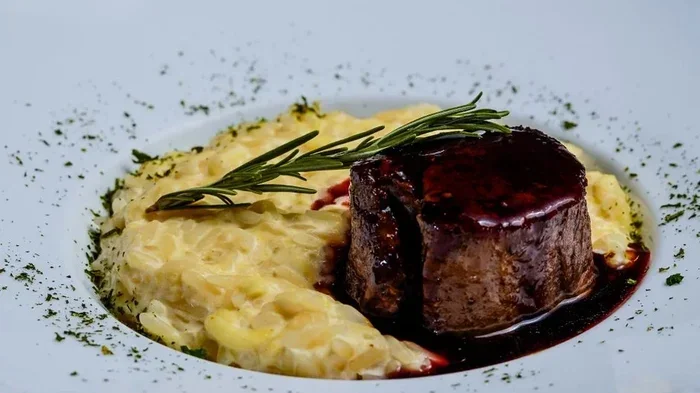
Cooking filet mignon in a pan is easier than you think. With the right pan, temperature, and timing, you can achieve a perfect crust and a juicy, tender center every single time. This guide covers everything from choosing the cut to resting your steak for maximum flavor.
There is something truly special about a pan-seared filet mignon. It is one of the most elegant cuts of beef you can prepare at home. Yet many people think it requires a fancy restaurant or a professional chef. The truth is, with a few simple steps, you can cook restaurant-quality steak right in your own kitchen.
The key to a great filet mignon lies in the details. From selecting the right cut to mastering the sear, every step matters. This guide walks you through the entire process. You will learn how to season, sear, and finish your steak like a pro. Whether you are a beginner or a seasoned home cook, these tips will help you achieve perfect results every time.
Now, let us get into the meat of the matter. Pun intended.
Key Takeaways
- Use a cast iron skillet: It retains heat best for an even, beautiful sear on your steak.
- Bring steak to room temperature: This ensures even cooking throughout the filet mignon.
- Sear for 2-3 minutes per side: This creates a golden crust without overcooking the inside.
- Add butter and aromatics: Basting adds rich flavor and helps finish cooking the steak gently.
- Rest your steak for 5-10 minutes: This keeps juices locked in for a tender, juicy bite every time.
- Use a meat thermometer: Internal temperature determines doneness perfectly every single time.
📑 Table of Contents
- Why Cook Filet Mignon in a Pan?
- Choosing the Right Filet Mignon
- Preparing Your Filet Mignon for the Pan
- How to Cook Filet Mignon in a Pan
- Making a Simple Pan Sauce
- Alternative Cooking Methods for Beef Steak
- Common Mistakes to Avoid When Cooking Filet Mignon
- Quick Tips for the Perfect Pan-Seared Filet Mignon
- Serving Suggestions for Your Filet Mignon
- Conclusion
Why Cook Filet Mignon in a Pan?
Pan-searing is one of the best methods for cooking filet mignon. It creates a golden-brown crust while keeping the inside tender and juicy. Unlike oven cooking or grilling, a pan gives you direct control over heat and timing. You can watch the steak closely and make adjustments in real time.
Here are a few reasons why pan-searing works so well for this cut:
- Quick cooking time: Filet mignon is tender and does not need long cooking. A hot pan sears it fast and efficiently.
- Even heat distribution: A good pan spreads heat evenly across the steak surface.
- Flavor development: The Maillard reaction creates complex flavors on the surface of the meat.
- Butter basting: You can baste the steak in the pan for extra richness and depth.
- Easy to monitor: You can check the steak closely without opening an oven door.
When you cook beef tenderloin in a pan, you get a beautiful crust called the fond. This is the caramelized layer that forms when protein meets high heat. It also makes a delicious base for a pan sauce if you want to take your steak to the next level.
Choosing the Right Filet Mignon
Not all filet mignon steaks are created equal. Before you start cooking, you need to pick the right cut. This sets the foundation for everything that follows.
Thickness Matters
Look for steaks that are at least 1 to 1.5 inches thick. Thicker cuts are easier to sear without overcooking the inside. Thin filet mignon can dry out quickly, leaving you with a tough bite.
A good thickness gives you room to work with. You get a nice sear on the outside while keeping the inside at the perfect medium rare temperature. If you buy thin steaks, you will have less control over doneness. Aim for consistency in size when buying multiple steaks.
Grade and Marbling
Choose beef with good marbling. Those thin white streaks of fat melt during cooking and add incredible flavor. USDA Prime or Choice grades work best for pan-searing your steak.
Avoid cuts that look dry or have little fat. Lean beef can become tough when cooked at high heat. The fat keeps the meat moist and adds that rich, beefy taste you are looking for in every bite.
Fresh vs. Frozen
Fresh filet mignon is always ideal. But if you buy frozen, thaw it properly before cooking. Place it in the fridge for 24 hours or use the cold water method. Never thaw steak at room temperature. This can lead to uneven cooking and potential food safety issues.
Preparing Your Filet Mignon for the Pan
Preparation is where many people go wrong. Taking a few extra minutes here makes a huge difference in the final result. Proper prep is the secret behind every great steak.
Bring the Steak to Room Temperature
Take your steak out of the fridge 30 to 45 minutes before cooking. This lets it come to room temperature. A cold steak cooks unevenly, with a cold center and an overcooked edge on the outside.
Pat the steak dry with paper towels. Moisture is the enemy of a good sear. A dry surface means better browning and a crispier crust. Do not skip this step, even if you are in a hurry.
Seasoning Your Steak
Keep it simple. Salt and pepper are all you need for a great filet mignon. Apply coarse salt generously on both sides. Add freshly ground black pepper on top. Some cooks like to add garlic powder or onion powder for extra depth.
Others use a store-bought steak seasoning blend. Whatever you choose, keep the seasoning light. You want the natural flavor of the beef to shine through. Heavy seasoning can mask the delicate taste of this premium cut.
Quick Tip: Season your steak just before it hits the pan. Salt too early can draw out moisture and prevent a good sear from forming on the surface.
Preheating the Pan
A hot pan is essential for a perfect sear. Place your skillet on the burner over medium-high heat. Let it get ripping hot before adding any oil or steak.
Use a cast iron skillet if you have one. Cast iron holds heat incredibly well and creates an even sear across the entire surface. A stainless steel pan also works great for this purpose. Avoid non-stick pans for steak, as they do not get hot enough for a proper crust.
Add a high-smoke-point oil like avocado oil or grapeseed oil. Olive oil can burn at the high temperatures needed for searing beef. Wait until the oil just starts to shimmer before adding the steak.
How to Cook Filet Mignon in a Pan
This is the part you have been waiting for. The actual cooking process. Follow these steps closely for the best results. Patience and attention to detail are your best friends here.
Step 1: Sear the First Side
Place the steak in the hot pan. You should hear a loud sizzle right away. If you do not, your pan is not hot enough. Let the steak cook without moving it for 2 to 3 minutes. Resist the urge to peek or flip too early.
Letting it sit allows the crust to form properly. You will see the edges turn brown and the steak releases naturally from the pan when it is ready to flip. If it sticks, it is not done searing on that side yet. Give it more time.
Step 2: Flip and Sear the Other Side
Using tongs, flip the steak to the other side. Sear for another 2 to 3 minutes. You should see a beautiful golden-brown crust forming on both sides. This is the sign of a perfectly seared steak.
For extra flavor, add a tablespoon of butter, crushed garlic cloves, and fresh thyme to the pan. Tilt the pan slightly and use a spoon to baste the melted butter over the steak. This butter basting technique adds richness and helps cook the top of the steak gently without burning it.
Step 3: Check the Temperature
This is the most important step. Use a meat thermometer to check the internal temperature. Insert it into the thickest part of the steak. Do not touch bone or fat. You want the reading from the center of the meat.
Here is a quick guide for steak doneness:
- Rare: 120-125 degrees Fahrenheit
- Medium Rare: 130-135 degrees Fahrenheit
- Medium: 135-145 degrees Fahrenheit
- Medium Well: 145-155 degrees Fahrenheit
- Well Done: 155 degrees Fahrenheit and above
Remember that the temperature will rise about 5 degrees while resting. So pull the steak off the heat a few degrees below your target. This carryover heat effect is important to understand for perfect results every time.
Expert Insight: Most chefs recommend pulling filet mignon at 125 degrees Fahrenheit for medium rare. The carryover heat will bring it up to the perfect 130-135 degrees Fahrenheit while the steak rests on the plate.
Step 4: Rest the Steak
Once your steak reaches the right temperature, take it off the heat. Place it on a warm plate and let it rest for 5 to 10 minutes. This step is non-negotiable. Do not skip it no matter how eager you are to eat.
During resting, the juices redistribute throughout the meat. If you cut into it right away, all those flavorful juices will run out onto the plate. Your steak will be dry and far less flavorful than it could be.
Some people worry that resting makes the steak cold. Do not worry. A thick steak stays warm for 10 minutes easily. If you want to keep it warm, you can tent it loosely with foil. This traps heat without trapping steam, which would soften your crust.
Common Mistake: Skipping the resting step is the number one error home cooks make. Do not cut into your steak immediately after cooking. Patience pays off with a juicier, more flavorful bite every single time.
Making a Simple Pan Sauce
You have a beautiful steak and a pan with all those browned bits stuck to the bottom. Do not throw that away. Those bits, called fond, are pure flavor gold. A quick pan sauce takes your meal from great to extraordinary with minimal effort.
Here is how to make a simple pan sauce in under five minutes:
- Remove the steak and set it aside on a warm plate.
- Place the pan back on medium heat.
- Add a splash of beef broth or red wine.
- Scrape the bottom of the pan to lift the fond.
- Stir in a tablespoon of butter and a minced shallot.
- Let it reduce for 2 to 3 minutes until slightly thickened.
- Pour the sauce over your steak and serve immediately.
This simple technique transforms a good steak into a great meal. The sauce adds depth and richness that complements the beef beautifully. You can also add a splash of Worcestershire sauce or a squeeze of lemon juice for extra brightness.
Alternative Cooking Methods for Beef Steak
While pan-searing is our focus, it helps to know other ways to cook beef steak. Sometimes you might want to switch things up or cook a larger cut that does not fit in a pan. Understanding different methods makes you a more versatile cook.
For example, you can broil a hamburger patty in the oven if you do not want to use the stovetop. The same high-heat principle applies. You get a nice sear from the top broiler element without heating up your kitchen.
For thicker cuts of beef, some cooks prefer to braise beef ribs in the oven for a low-and-slow approach. This method works well for tougher cuts but is quite different from the quick sear you use for tender filet mignon. Braising uses moist heat over a longer period to break down tough fibers.
And if you are cooking multiple steaks and need to keep them warm while finishing the rest, you can keep cooked ribs warm in the oven at a low temperature. The same technique works perfectly for steak. Place them in a 200 degree Fahrenheit oven on a wire rack to keep them warm without overcooking the meat.
Common Mistakes to Avoid When Cooking Filet Mignon
Even experienced home cooks make mistakes. Here are the most common ones and how to avoid them. Learning from others errors saves you time and wasted ingredients.
Using a Cold Pan
A cold pan means no sear. Your steak will steam instead of brown. Always preheat your pan for at least 2 to 3 minutes before adding the steak. You can test if it is ready by flicking a drop of water onto the surface. If it sizzles and evaporates immediately, you are good to go.
Overcrowding the Pan
Do not cook more than two steaks at a time in a standard skillet. Overcrowding drops the pan temperature and creates steam. You will end up with gray, soggy steak instead of a beautiful golden-brown crust. Give each piece of meat enough space to sear properly.
Not Drying the Steak
Moisture is the enemy of a good crust. Always pat your filet mignon dry with paper towels before seasoning. Any surface moisture will prevent browning and extend the time needed to sear. This single step can make or break your entire dish.
Moving the Steak Too Much
Let the steak sit undisturbed while it sears. Moving it around breaks the crust and prevents even browning. Trust the process. Let the heat do the work for you. You will know when it is ready to flip because it will release naturally from the pan.
Skipping the Rest
We mentioned this earlier, but it bears repeating one more time. Cutting into your steak immediately after cooking releases all the juices. Give it time to rest. Your patience will be rewarded with a much better eating experience and a more tender result.
Quick Tips for the Perfect Pan-Seared Filet Mignon
- Use a timer: Set it for 2 minutes per side. Do not guess at cooking times.
- Let the pan heat up fully: A hot pan is the secret to a great crust on your steak.
- Dry the steak thoroughly: Pat it with paper towels before you season it.
- Use tongs to flip: A fork pierces the meat and lets juices escape during cooking.
- Add aromatics during the last minute: Garlic, thyme, and rosemary add incredible flavor to the butter.
- Let the steak rest on a warm plate: This keeps it from cooling too fast while resting.
- Slice against the grain: This makes the steak more tender and easier to chew after cooking.
Serving Suggestions for Your Filet Mignon
Now that you have a perfectly cooked steak, it is time to think about sides. A great filet mignon deserves a great meal around it. The right sides complement the rich flavor of the beef without overwhelming it.
Classic pairings include roasted potatoes, grilled asparagus, or a simple garden salad. Creamed spinach is another popular choice that pairs beautifully with beef. For something lighter, try a fresh side of roasted seasonal vegetables.
If you made a pan sauce, drizzle it over the steak just before serving. A sprinkle of flaky sea salt on top adds a nice finishing touch. A glass of red wine completes the experience perfectly. Pinot Noir or Cabernet Sauvignon are excellent choices.
Remember, the best steak meal is one you enjoy. Do not stress about perfection. Even a slightly imperfect filet mignon cooked at home tastes better than most restaurant meals. The effort you put in shows in every bite.
Conclusion
Cooking filet mignon in a pan is a skill anyone can learn. With the right cut, the right pan, and the right technique, you can create a restaurant-quality meal at home. The process is simple but rewarding. Once you nail it a few times, it becomes second nature.
Start with a room temperature steak. Sear it in a hot cast iron skillet. Baste with butter for extra flavor. Use a meat thermometer to get the perfect doneness. And always let it rest before cutting. These steps might seem small, but they make all the difference in the world.
Practice them a few times, and you will never go back to overcooked, dry steak again. Your filet mignon will be juicy, tender, and full of flavor every single time you cook it. Now go ahead and fire up your stove. You have everything you need to make the perfect pan-seared filet mignon tonight.
Frequently Asked Questions
What is the best pan for cooking filet mignon?
A cast iron skillet is the best pan for cooking filet mignon. It retains heat incredibly well and creates an even, beautiful sear. Stainless steel pans also work great. Avoid non-stick pans because they do not get hot enough to form a proper crust on the steak.
How long should I cook filet mignon in a pan?
Sear each side for 2 to 3 minutes over medium-high heat. The total cooking time depends on the thickness of the steak and your desired level of doneness. Use a meat thermometer to check the internal temperature for the most accurate results every time.
Do I need to oil the steak or the pan?
Oil the pan, not the steak. Apply a thin layer of high-smoke-point oil like avocado oil to the preheated pan. Oil the steak directly can cause it to splatter and may prevent the seasoning from adhering properly to the surface.
Can I cook filet mignon from frozen?
It is not recommended. Cooking from frozen leads to uneven cooking, with a cold center and an overcooked exterior. Always thaw your filet mignon in the fridge for 24 hours before cooking for the best results and food safety.
What temperature should filet mignon be cooked to?
For medium rare, aim for an internal temperature of 130 to 135 degrees Fahrenheit. This is the sweet spot for filet mignon, where the steak is warm, juicy, and tender. Remember that the temperature will rise about 5 degrees while resting on the plate.
Why did my filet mignon turn out tough?
Tough filet mignon usually results from overcooking or cutting into the steak too soon. Overcooking dries out the lean meat, and skipping the resting step lets all the juices escape. Make sure to use a meat thermometer and let the steak rest for at least 5 minutes before slicing against the grain.