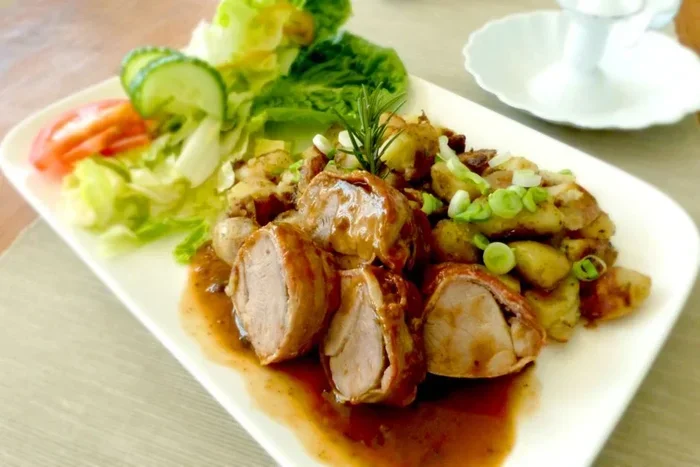
A pork tenderloin cooking time chart helps you roast, sear, or bake pork to juicy perfection every single time. Knowing the right time and temperature is the key to tender, flavorful pork that your whole family will love. This guide breaks down cooking times by method, weight, and oven temperature so you never have to guess again. Whether you are a beginner or a seasoned cook, this chart and tips will transform your pork dishes.
A perfectly cooked pork tenderloin is one of the most satisfying meals you can prepare at home. It is juicy, tender, and full of flavor when you get the time and temperature just right. But here is the truth many cookbooks do not tell you. Cooking pork tenderloin is all about precision. Even a few extra minutes can turn a moist, delicious cut into something dry and disappointing.
This is exactly why a pork tenderloin cooking time chart is one of the most useful tools in your kitchen. It gives you clear, reliable times based on the size of your cut, the cooking method, and the oven or stove temperature. No more guessing. No more checking every five minutes. You simply follow the chart, pull the pork at the right moment, and enjoy a flawless result.
In this guide, we walk you through everything you need to know. From the best cooking methods to the exact internal temperature you should target, we have you covered. You will also find practical tips, common mistakes to avoid, and answers to the most frequently asked questions about cooking pork tenderloin. Whether you are cooking for a quick weeknight dinner or a weekend family meal, this chart will become your go-to reference.
Key Takeaways
- Exact cooking times: A pork tenderloin cooking time chart removes all the guesswork from your meal prep.
- Multiple methods covered: Oven roasting, pan-searing, and slow cooking all have specific time and temperature guidelines.
- Internal temperature matters most: Always aim for 145°F for safe and juicy pork.
- Resting time is essential: Letting pork rest after cooking keeps it moist and flavorful.
- Size affects timing: Thicker cuts need more time, so always adjust based on the weight of your tenderloin.
- Common mistakes are easy to avoid: Overcooking and skipping the rest period are the top errors home cooks make.
📑 Table of Contents
- Pork Tenderloin Cooking Time Chart Overview
- How Long to Cook Pork Tenderloin by Method
- Pork Tenderloin Temperature Guide
- Tips for Perfect Pork Tenderloin Every Time
- Common Mistakes to Avoid When Cooking Pork Tenderloin
- Pork Tenderloin Size and Cooking Time Relationship
- Storing and Reusing Cooked Pork Tenderloin
- Conclusion
Pork Tenderloin Cooking Time Chart Overview
A pork tenderloin cooking time chart is a simple reference tool that tells you how long to cook your pork based on the method and size of the cut. Pork tenderloins typically weigh between one and two pounds. A smaller tenderloin will cook faster, while a larger one needs more time. The chart below gives you a general idea of what to expect.
The most important thing to remember is that the chart is a starting point. Every oven, every stovetop, and every piece of meat is slightly different. Use the times as a guide, but always rely on a meat thermometer to confirm doneness. That small tool is the difference between good pork and great pork.
Cooking Times by Method
Different cooking methods require different amounts of time. Here is a quick breakdown of the most popular ways to prepare pork tenderloin:
- Oven Roasting: At 400°F, a one-pound tenderloin takes about 20 to 25 minutes. At 350°F, it may need 25 to 30 minutes.
- Pan-Searing and Finishing in the Oven: Sear for 2 to 3 minutes per side, then roast at 400°F for 15 to 20 minutes.
- Grilling: Over medium-high heat, plan for 12 to 18 minutes, turning occasionally.
- Slow Cooking: On low heat, cook for 4 to 6 hours. On high heat, 2 to 3 hours works well.
- Sous Vide: Cook at 140°F for 1.5 to 2 hours for ultra-tender results.
These times are based on a standard pork tenderloin that is about one to one and a half pounds. If your cut is larger or smaller, adjust accordingly. A pork cooking chart like this one takes the stress out of dinner planning.
How Long to Cook Pork Tenderloin by Method
Now let us dive deeper into each cooking method. Understanding how each one works helps you choose the best approach for your schedule and your taste preferences. Some methods give you a beautiful crispy crust, while others keep the meat incredibly moist and tender.
Oven Roasting Pork Tenderloin
Oven roasting is the most popular way to cook pork tenderloin. It is simple, hands-off, and produces consistently great results. Preheat your oven to 400°F for a hot roast that seals in juices. For a slightly lower and slower cook, 350°F works well too.
Place the tenderloin in a non-stick pan or a roasting dish. A light coat of olive oil and your favorite seasoning is all you need. Roast until the internal temperature reaches 145°F. Then let it rest for at least 5 minutes before slicing. If you are using an induction cooktop to preheat a pan for searing first, the combination of a hot sear and oven finish creates a wonderful crust.
One thing that surprises many people is that a mini pot or small oven-safe dish works perfectly for a single tenderloin. You do not need a huge roasting pan. This keeps the meat snug and helps it cook evenly.
Pan-Searing and Oven Finishing
Pan-searing gives your pork a gorgeous golden-brown exterior while keeping the inside juicy. Start by heating a heavy skillet over medium-high heat. Add a small amount of oil. Once the oil is shimmering, place the tenderloin in the pan. Sear for 2 to 3 minutes on each side until you get a deep brown crust.
Then transfer the entire pan to a preheated oven at 400°F. Roast for about 15 to 20 minutes, or until the internal temperature hits 145°F. This two-step method is fantastic for weeknight dinners because it is fast and delivers restaurant-quality results.
If you have ever worried about handling a hot skillet, consider wearing heat-resistant arm sleeves. They protect your arms from splashes and burns while you move the pan from stovetop to oven safely.
Grilling Pork Tenderloin
Grilling pork tenderloin is a wonderful option when the weather is nice. Preheat your grill to medium-high heat. Make sure the grates are clean and lightly oiled to prevent sticking. Place the tenderloin directly over the heat and cook for about 12 to 18 minutes.
Turn the meat every 3 to 4 minutes to ensure even cooking. The goal is a nice char on the outside and a safe internal temperature on the inside. Grilling adds a smoky flavor that pairs beautifully with pork. You can also use a wooden spoon to gently turn the meat without scratching the grill grates.
Slow Cooking Pork Tenderloin
Slow cooking is perfect for busy days when you want dinner ready when you walk through the door. Place the seasoned tenderloin in a slow cooker. Add some broth, garlic, herbs, or your favorite sauce. Cook on low for 4 to 6 hours or on high for 2 to 3 hours.
The low and slow approach breaks down the connective tissue in the meat, making it incredibly tender. This method is ideal if you are preparing leftover pork for meals later in the week. You can store the cooked pork in a grease container for reuse, or slice it up for sandwiches and salads throughout the week.
Pork Tenderloin Temperature Guide
Temperature is the single most important factor in cooking pork tenderloin. The United States Department of Agriculture recommends cooking pork to an internal temperature of 145°F, followed by a three-minute rest. This might seem lower than what many people remember from older cooking guidelines, but modern pork is safe and much more tender at this temperature.
Here is a simple temperature breakdown:
- 145°F: The USDA safe temperature. Pork is slightly pink in the center but perfectly juicy.
- 150°F to 155°F: Pork is more cooked through but still moist if you do not overcook it.
- 160°F and above: Pork becomes increasingly dry. Avoid going past this range.
The best way to check temperature is with a digital meat thermometer inserted into the thickest part of the tenderloin. Do not touch the bone or the pan, as this gives false readings. Pull the pork off the heat when it is 5 degrees below your target temperature. The carryover heat will bring it up to the perfect 145°F during the resting period.
Tips for Perfect Pork Tenderloin Every Time
Getting great pork tenderloin is not just about following a chart. Small details make a big difference. Here are the tips that separate good results from amazing results.
Brine or Marinate for Extra Juiciness
Brining your pork tenderloin for 30 minutes to 2 hours before cooking adds moisture and flavor. A simple brine of water, salt, sugar, and a few spices works wonders. If you prefer, a marinade with olive oil, garlic, and herbs also adds tremendous flavor. Just make sure to pat the meat dry before cooking for the best sear.
Bring the Meat to Room Temperature
Take your pork tenderloin out of the refrigerator about 20 to 30 minutes before cooking. This lets the meat cook more evenly from edge to center. Cold meat placed directly in a hot oven or pan cooks unevenly, with the outside overcooking before the inside is done.
Do Not Skip the Rest
Resting the pork after cooking is non-negotiable. When you cut into hot pork right away, the juices run out onto the cutting board instead of staying in the meat. Let it rest for at least 5 minutes, tented loosely with foil. This simple step keeps your pork tender and full of flavor.
Use the Right Cookware
The right pan makes a real difference. A heavy, oven-safe skillet works best for searing and finishing. A non-stick pot or pan is great for oven roasting because it prevents sticking without much oil. For induction cooktops, make sure your cookware is compatible. Not all pans work on induction, and using the wrong one leads to uneven heating and poor results.
Common Mistakes to Avoid When Cooking Pork Tenderloin
Even experienced cooks sometimes make mistakes with pork tenderloin. Knowing what to avoid saves you from dry, tough meat and wasted ingredients.
Overcooking the Pork
This is the number one mistake. Pork tenderloin is a lean cut with very little fat. Once the moisture is gone, it cannot be brought back. Overcooking by just 5 to 10 minutes can turn a tenderloin into something dry and chalky. Always use a thermometer and pull the meat early. Carryover cooking will finish the job for you.
Skipping the Sear
Many people go straight to the oven without searing first. While the pork will still cook, you lose that beautiful golden crust and the deep flavor that comes from the Maillard reaction. A quick sear adds texture and richness that makes a noticeable difference in the final dish.
Not Seasoning Enough
Pork tenderloin has a mild flavor that benefits from bold seasoning. Salt, pepper, garlic, rosemary, and thyme all work beautifully. Do not be shy with your seasoning. A well-seasoned tenderloin is far more exciting than a bland one.
Cutting Too Soon
We mentioned this in the tips, but it deserves its own spotlight. Cutting into the pork immediately after cooking releases all those precious juices. Be patient. Wait the full 5 minutes, and you will notice the difference in every bite.
Pork Tenderloin Size and Cooking Time Relationship
The size of your pork tenderloin directly affects how long it takes to cook. A thinner, smaller tenderloin will cook much faster than a thick, large one. Understanding this relationship helps you plan your cooking time more accurately.
A one-pound tenderloin is usually about 8 to 10 inches long. It will roast in the oven at 400°F for roughly 20 to 25 minutes. A two-pound tenderloin may need 30 to 35 minutes at the same temperature. If you are working with a particularly thick cut, add a few extra minutes and check the temperature frequently.
For unevenly shaped tenderloins, try to position the thicker end toward the back of the oven where the heat is often more intense. This helps balance the cooking. You can also fold a small piece of foil under the thin end to raise it slightly and promote even cooking.
If you are preparing multiple tenderloins for a larger group, consider using a big pot or large roasting pan to give each piece enough space. Crowding the pan traps steam and prevents a good sear. Give each tenderloin room to breathe, and you will get a much better result.
Storing and Reusing Cooked Pork Tenderloin
One of the great things about pork tenderloin is that it makes excellent leftovers. Cooked pork stores well in the refrigerator for up to four days. Store it in an airtight container or a dedicated grease container to keep it fresh and prevent odors in your fridge.
Reheated pork can be just as delicious as freshly cooked if you do it right. Use a low oven temperature or a skillet with a splash of broth to reheat gently. Avoid microwaving, which tends to dry out the meat quickly. Leftover pork also makes fantastic sandwiches, salads, and stir-fries for the next day.
If you are looking for creative ways to use your leftover pork, there are plenty of delicious recipes that transform last night’s dinner into something entirely new. The versatility of cooked pork tenderloin makes it a smart choice for meal prep and batch cooking.
Conclusion
A pork tenderloin cooking time chart is one of the simplest yet most powerful tools you can have in your kitchen. It takes the mystery out of cooking times and temperatures, so you can focus on what really matters. Enjoying a perfectly cooked meal with family and friends.
Remember the key points. Use the chart as your starting guide. Always check the internal temperature with a reliable thermometer. Let the meat rest before slicing. And choose the cooking method that fits your schedule and your taste. With these steps, you will cook pork tenderloin that is juicy, flavorful, and consistently delicious.
Start using the chart today, and you will wonder how you ever cooked pork without it. Once you experience the difference that precision makes, you will never go back to guessing again.
Frequently Asked Questions
How long does it take to cook pork tenderloin at 375°F?
At 375°F, a one-pound pork tenderloin typically takes about 25 to 30 minutes to cook. The exact time depends on the thickness of the cut. Always use a meat thermometer to confirm the internal temperature reaches 145°F before removing it from the oven.
Can you cook pork tenderloin in a non-stick pan on the stovetop?
Yes, you can sear pork tenderloin in a non-stick pan on the stovetop. Heat the pan over medium-high heat, add a small amount of oil, and sear for 2 to 3 minutes on each side. Then transfer the pan to a preheated oven to finish cooking through evenly.
What is the best way to check if pork tenderloin is done?
The best way is to use a digital meat thermometer inserted into the thickest part of the tenderloin. The internal temperature should read 145°F for safe and juicy pork. Avoid relying on color alone, as pork can be slightly pink even when fully cooked.
How long should pork tenderloin rest after cooking?
Let the pork tenderloin rest for at least 5 minutes after cooking. Tent it loosely with aluminum foil to keep it warm while the juices redistribute throughout the meat. This simple step makes a noticeable difference in tenderness and flavor.
Is it safe to eat pork that is slightly pink in the middle?
Yes, it is safe. The USDA updated its guidelines to allow pork to be cooked to 145°F, which often results in a slightly pink center. This temperature is safe to eat and produces juicier, more flavorful pork compared to older recommendations of cooking to 160°F.
Can you freeze cooked pork tenderloin?
Yes, cooked pork tenderloin freezes well for up to three months. Store it in an airtight container or a freezer-safe bag. When ready to eat, thaw it in the refrigerator overnight and reheat gently in a skillet or oven with a little broth to keep it moist.