Learning how is almond milk made is simpler than you think — it only requires two basic ingredients and a few minutes of your time. This complete step-by-step guide walks you through the entire process, from soaking raw almonds to blending and straining them into a smooth, creamy plant-based milk. Whether you are a health-conscious consumer or a DIY food enthusiast, you will discover how easy it is to make fresh almond milk at home with no additives or preservatives.
Key Takeaways
- Soak almonds 8-12 hours: This creates a smooth, creamy base for your milk.
- Blend with fresh water: High-speed blending breaks down almonds for a consistent liquid.
- Strain through a nut milk bag: Removes pulp to achieve a silky, drinkable texture.
- Customize naturally: Add dates, vanilla, or salt to enhance flavor without preservatives.
- Store properly: Keep homemade almond milk in the fridge for up to five days.
- Mastering how is almond milk made: Empowers you to control every ingredient and avoid additives.
📑 Table of Contents
- What Is Almond Milk and Why Is It So Popular
- The Ingredients and Tools You Will Need
- Step-by-Step Process of Making Almond Milk
- Homemade Almond Milk vs Store-Bought Almond Milk
- Tips for Perfect Almond Milk Every Time
- How to Store and Use Your Almond Milk
- Common Mistakes to Avoid When Making Almond Milk
- Final Thoughts on Making Almond Milk at Home
What Is Almond Milk and Why Is It So Popular
Almond milk has taken the dairy aisle by storm, and for good reason. This creamy, nutty plant-based drink is one of the most popular milk alternatives on the market today. Whether you are lactose intolerant, vegan, or just curious about trying something new, almond milk offers a delicious and versatile option for everyday use.
Making almond milk at home is surprisingly simple. You only need a few ingredients and basic kitchen tools. In this guide, we walk you through every step of the process. By the end, you will know exactly how to make fresh almond milk right in your own kitchen.
People love homemade almond milk because it contains no added preservatives or thickeners. You control every ingredient that goes into your glass. Plus, it tastes fresher and creamier than most store-bought versions. Let us dive into the details of how this popular dairy-free milk is made.
The Ingredients and Tools You Will Need
Before you start, gather everything you need. Having your ingredients and tools ready makes the whole process smooth and enjoyable. Here is what you will need for a basic batch of almond milk.
Ingredients
- 1 cup raw blanched almonds
- 3 to 4 cups filtered water (plus extra for soaking)
- A pinch of sea salt (optional)
- Sweetener of your choice, such as dates or honey (optional)
- A teaspoon of vanilla extract (optional)
Tools
- A large bowl for soaking
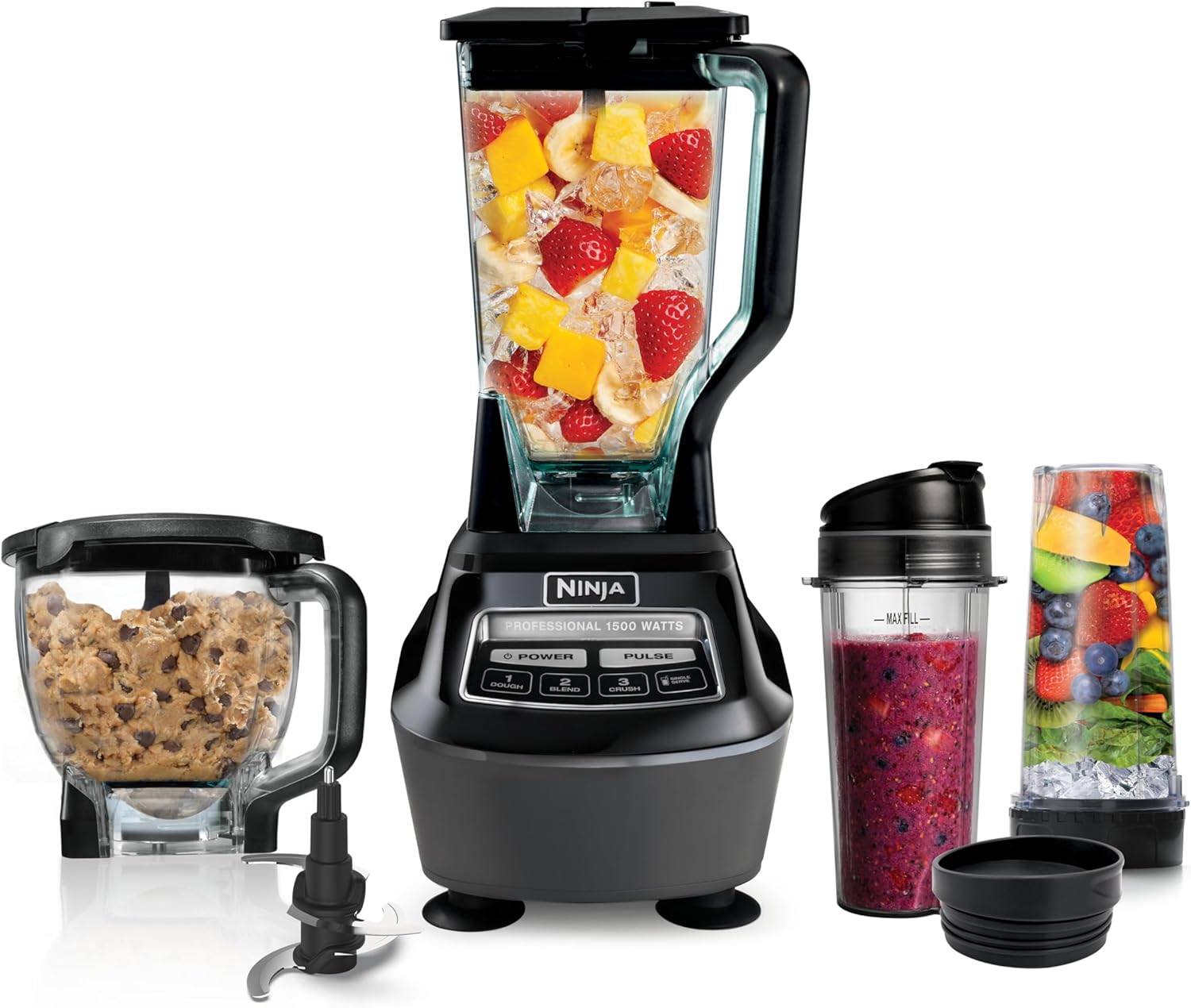
- A high-speed blender
- A nut milk bag or fine mesh strainer
- A large mixing bowl or pitcher
- A funnel (optional, but very helpful)
Using blanched almonds gives your milk a smooth, creamy texture without the skins. If you prefer a nuttier flavor, you can use unblanched almonds instead. The key to great homemade almond milk is using quality almonds and clean filtered water.
Step-by-Step Process of Making Almond Milk
Now for the fun part. Making almond milk at home follows a straightforward process. Each step plays an important role in getting the best flavor and texture. Let us break it down.
Step One: Soak the Almonds
Place your almonds in a large bowl and cover them with about 2 inches of filtered water. Let them soak for at least 8 to 12 hours, or overnight. Soaking softens the almonds and makes them easier to blend. It also helps remove phytic acid, which can interfere with nutrient absorption.
After soaking, drain the water and rinse the almonds thoroughly under cool running water. You will notice the almonds have doubled in size. This is a good sign that they are ready for the next step.
Step Two: Blend the Almonds
Add the soaked almonds to your blender along with 3 to 4 cups of fresh filtered water. If you like sweet almond milk, add a few pitted dates or a tablespoon of honey at this stage. Toss in a pinch of salt and a splash of vanilla if you want extra flavor.
Blend on high speed for about 1 to 2 minutes. The mixture should look smooth and creamy. A good nut milk blend is silky with no visible chunks of almond. If your blender struggles, add a little more water to help it along.
Step Three: Strain the Mixture
Set a nut milk bag or fine mesh strainer over a large bowl or pitcher. Pour the blended mixture into the strainer slowly. Gather the edges of the nut milk bag and gently squeeze to extract all the liquid. This is your fresh almond milk.
Do not throw away the leftover almond pulp. You can use it in smoothies, baked goods, or even as a face scrub. Making the most of every part of the almond is a great way to reduce food waste.
Step Four: Strain Again for Extra Smoothness
For an ultra-smooth finish, strain the almond milk a second time through a clean nut milk bag. This removes any remaining tiny bits of almond skin. The result is a beautifully smooth dairy-free milk that rivals anything you buy at the store.
Step Five: Store and Enjoy
Pour your fresh almond milk into a clean glass jar or bottle. Seal it tightly and store it in the refrigerator. Homemade almond milk typically lasts 3 to 5 days. Shake well before each use, as natural separation is completely normal.
Homemade Almond Milk vs Store-Bought Almond Milk
Both homemade and store-bought almond milk have their advantages. Let us compare them so you can decide which option works best for you.
| Feature | Homemade Almond Milk | Store-Bought Almond Milk |
|---|---|---|
| Ingredients | Only almonds and water | Often contains additives and preservatives |
| Freshness | Extremely fresh, made to order | Shelf-stable for weeks |
| Cost | More affordable per serving | More expensive per serving |
| Customization | Fully customizable sweetness and flavor | Limited flavor options |
| Shelf Life | 3 to 5 days refrigerated | Up to several months unopened |
| Texture | Creamy and natural | Often thickened with gums or stabilizers |
Many people prefer homemade almond milk because they know exactly what is in it. Store-bought options are convenient, but they often contain added sugars, thickeners like carrageenan, and preservatives. If you have time on your side, making your own plant-based milk at home is the healthier and more economical choice.
Tips for Perfect Almond Milk Every Time
Getting the perfect batch of almond milk is easy once you know a few pro tips. These simple tricks will elevate your homemade nut milk game.
- Use blanched almonds for the smoothest texture. The skins can make your milk slightly grainy.
- Do not over-soak your almonds. More than 12 hours can make them slimy and affect the flavor.
- Use filtered water throughout the process. It makes a noticeable difference in taste.
- Blend on high for at least 60 seconds to fully break down the almonds.
- Squeeze the nut milk bag firmly but gently to get every last drop of liquid.
- Add a tablespoon of coconut oil for extra creaminess if you like a richer drink.
- Save the almond pulp and spread it on a baking sheet to dry. You can use it in recipes later.
One of the best things about making almond milk at home is experimenting. Try adding cocoa powder for chocolate almond milk, or blend in frozen strawberries for a fruity twist. The possibilities are endless with this versatile dairy-free milk.
How to Store and Use Your Almond Milk
Proper storage keeps your fresh almond milk tasting its best. Pour it into a clean glass jar with a tight-fitting lid and place it in the refrigerator right away. Glass jars work better than plastic because they do not absorb flavors or odors.
Your homemade almond milk will stay fresh for 3 to 5 days. You will likely notice natural separation after a day or two. This is completely normal and not a sign of spoilage. Just give the jar a good shake before pouring.
If you find yourself with extra almond milk, you can freeze it for up to 3 months. Pour it into an ice cube tray for easy portioning. Frozen cubes work great in smoothies and cooking. Just remember that the texture may change slightly after thawing, so it is best used in recipes rather than drinking straight.
Use your fresh almond milk in cereal, coffee, smoothies, baking recipes, and soups. It is a wonderful healthy milk substitute that works in almost any recipe that calls for regular dairy milk. Once you start making your own, you will never go back to the store-bought version.
Common Mistakes to Avoid When Making Almond Milk
Even though making almond milk is simple, a few common mistakes can affect the final result. Here is what to watch out for.
- Skipping the soaking step. Unsoaked almonds do not blend as smoothly and can leave a gritty texture.
- Using too much water. More water makes thinner milk. Stick to a 1:3 or 1:4 ratio of almonds to water for the best consistency.
- Not straining thoroughly. Incomplete straining leaves a pulpy texture. Take your time and squeeze the bag well.
- Storing in the wrong container. Plastic containers can leach chemicals and absorb the nutty flavor. Glass is always the better choice.
- Forgetting to refrigerate promptly. Fresh almond milk is perishable. Get it into the fridge within an hour of making it.
By avoiding these simple mistakes, you will enjoy smooth, creamy, and delicious almond milk every single time. Once you get into the rhythm, making a fresh batch takes less than 15 minutes of active prep time.
Final Thoughts on Making Almond Milk at Home
Making almond milk at home is one of the easiest and most rewarding things you can do in the kitchen. It costs less than store-bought versions, tastes fresher, and gives you full control over what goes into your glass. Whether you are new to plant-based milk or a seasoned pro, this simple process is well worth your time.
Start with a basic recipe and experiment from there. Add different sweeteners, flavors, or even mix almonds with other nuts for a custom nut milk blend. The beauty of homemade almond milk is that it is entirely yours to perfect. Once you taste the difference, you will wonder why you ever bought it from a store.
So grab a bag of almonds, grab your blender, and give it a try. Your taste buds and your health will thank you. Fresh almond milk is a simple upgrade that makes a real difference in your daily routine.
Frequently Asked Questions
How Is Almond Milk Made at Home?
Making almond milk at home is simple and requires just two ingredients: almonds and water. You soak raw almonds overnight, blend them with fresh water, and then strain the mixture through a cheesecloth or nut milk bag. The result is a creamy, dairy-free milk that you can customize with sweeteners or flavors.
How Is Almond Milk Made in Commercial Production?
In commercial settings, almond milk production starts with large-scale soaking and blending of almonds with purified water. The mixture goes through industrial straining to remove pulp, and then manufacturers add vitamins, minerals, and stabilizers to enhance nutrition and shelf life. The final product is pasteurized and sealed in aseptic packaging for distribution.
Do You Need to Soak Almonds Before Making Almond Milk?
Yes, soaking almonds is a crucial step because it softens them and makes blending much easier. Soaking also helps remove the skin, which can give the milk a slightly bitter taste. Most recipes recommend soaking almonds for at least 8 to 12 hours before blending.
What Is the Ratio of Almonds to Water When Making Almond Milk?
A standard ratio is one cup of soaked almonds to three to four cups of water, depending on how thick you want your milk. Using more water creates a thinner, lighter consistency, while less water produces a creamier result. You can always adjust the ratio to match your personal taste preferences.
Can You Reuse Almond Pulp After Making Almond Milk?
Absolutely, the leftover almond pulp is full of fiber and nutrients and can be used in many ways. You can add it to smoothies, bake it into muffins or cookies, or mix it into oatmeal for extra texture. Some people also dry the pulp in the oven and use it as almond flour for cooking.
How Long Does Homemade Almond Milk Last?
Homemade almond milk typically stays fresh for three to five days when stored in a sealed container in the refrigerator. Because it lacks preservatives and stabilizers, it spoils faster than store-bought versions. Always give it a quick smell and taste check before drinking to make sure it has not gone bad.