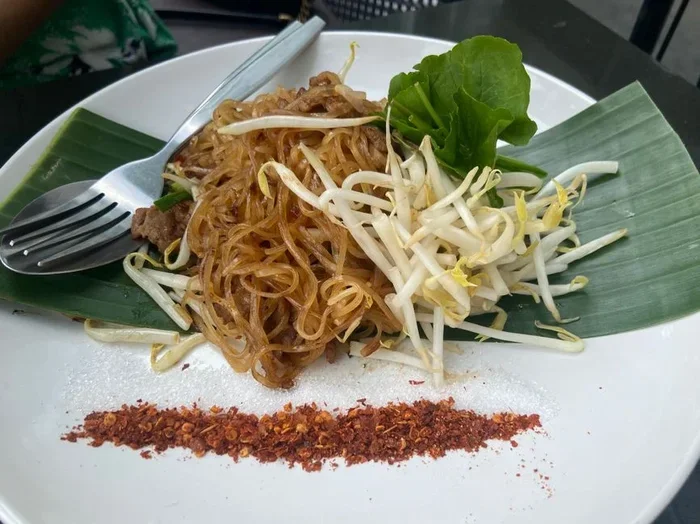
The primary noodle in pad thai is rice noodles, specifically flat rice noodles known as sen lek. These thin, chewy noodles absorb the bold pad thai sauce and deliver the authentic taste and texture that makes this Thai street food beloved worldwide. Understanding the right noodle type is the first step to a great pad thai at home.
Pad thai is one of the most popular Thai dishes on the planet. You can find it on street corners in Bangkok and on restaurant menus in New York. But what really makes pad thai what it is? The answer comes down to one thing: the noodle. Not all noodles are created equal, and the specific type used in pad thai plays a huge role in the dish’s flavor, texture, and authenticity. Let’s dig into exactly which noodle belongs in this iconic Thai stir-fry.
If you’ve ever wondered why your homemade pad thai doesn’t taste quite right, the noodle might be to blame. Many people grab any old noodle from the grocery store without thinking twice. But pad thai noodles are a specific type, and using the wrong one can completely change the dish. In this guide, we’ll walk you through everything you need to know about the noodle that makes pad thai special.
Key Takeaways
- Rice noodles are the star: Flat rice noodles (sen lek) are the authentic base for pad thai.
- Width matters: The ideal noodle is about 1/4 inch wide for the perfect pad thai texture.
- Soaking beats boiling: Rice noodles should be soaked in warm water, not boiled directly.
- Fresh vs dried: Both fresh and dried rice noodles work, but dried is more common in recipes.
- Don’t overcook: Rice noodles turn mushy fast, so timing is everything.
- The sauce makes the dish: Pad thai sauce combines tamarind, fish sauce, and sugar for balance.
- Substitutes exist: If you can’t find rice noodles, there are a few workable alternatives.
📑 Table of Contents
What Is the Primary Noodle in Pad Thai?
The primary ingredient noodle in pad thai is the rice noodle. More specifically, it is the flat, thin rice noodle called sen lek in Thai. These noodles are made from rice flour and water, giving them a light, slightly chewy texture that soaks up the rich pad thai sauce beautifully. They are the backbone of the dish, and without them, you simply do not have pad thai.
Rice noodles come in many shapes and sizes. Some are round like vermicelli. Others are wide and flat like linguine. For pad thai, the thin, flat variety is the standard. This shape allows the noodles to absorb the sauce evenly while maintaining a satisfying bite. The pad thai ingredients list always starts with these rice noodles as the foundation.
Why Rice Noodles and Not Wheat Noodles?
You might be tempted to use egg noodles or wheat noodles because they are easier to find. But traditional pad thai uses rice noodles for a reason. Rice noodles have a neutral flavor that lets the sauce shine. They also have a softer, more tender bite compared to wheat-based noodles. The Thai cuisine tradition relies on rice noodles for many dishes, and pad thai is one of the most famous examples.
Wheat noodles tend to be chewier and can overpower the delicate balance of the pad thai sauce. The sauce is a carefully balanced mix of tamarind paste, fish sauce, sugar, and chili. Rice noodles absorb this sauce without competing with it. That is why rice stick noodles remain the go-to choice for authentic pad thai.
Understanding Rice Noodle Varieties
Not all rice noodles are the same. There are a few different types, and knowing the differences helps you pick the right one for your pad thai recipe. Let’s break down the most common options you will find at the store.
Dried Rice Noodles
Dried rice noodles are the most widely available type. You can find them in most Asian grocery stores and even some regular supermarkets. They come in flat, round, and wide varieties. For pad thai, look for the flat, thin ones labeled as “pad thai noodles” or “rice sticks.” These are usually sold in dried bundles and need to be soaked before cooking.
Dried noodles have a long shelf life, which makes them convenient for home cooks. They also hold up well during stir-frying because they do not fall apart as easily as some fresh varieties. If you are new to making pad thai, dried rice noodles are the best place to start.
Fresh Rice Noodles
Fresh rice noodles are found in the refrigerated section of Asian markets. They are softer and more delicate than dried noodles. Fresh noodles have a slightly different texture that some people prefer. They cook faster and have a more authentic mouthfeel. However, they can be harder to find and do not last as long in the fridge.
Fresh noodles are great if you want to try your hand at restaurant-quality pad thai at home. They work beautifully in the wok because they are already hydrated and just need a quick toss with the sauce and fillings.
Rice Vermicelli
Rice vermicelli are thin, round rice noodles. You often see them in Vietnamese pho and spring rolls. While they are made from rice, they are not the standard choice for pad thai. Vermicelli is too thin and does not have the same chewiness that flat rice noodles provide. If you use vermicelli, your pad thai will have a very different texture and feel.
How to Choose the Right Pad Thai Noodles
Picking the right noodles at the store can be confusing. There are so many options on the shelf. Here is what to look for to make sure you get the right ones for your stir-fry noodles dish.
Check the Width
The ideal pad thai noodle is about 1/4 inch wide. This is the classic width that balances sauce absorption with a satisfying chew. Noodles that are too thin will not hold up well in the wok. Noodles that are too wide will not absorb the sauce properly and can feel doughy in the middle.
When shopping, look for packages that specifically say “pad thai” or “flat rice noodles.” These are pre-selected for the right width. If you are unsure, check the package description or ask the staff at your Asian grocery store.
Look for Quality Ingredients
Good rice noodles should contain just two ingredients: rice flour and water. Avoid noodles with added starches or preservatives if possible. The simpler the ingredient list, the more authentic the texture and flavor will be. High-quality dried rice noodles will rehydrate evenly and give you the best results in your pad thai sauce dish.
Soak Before You Cook
One of the most important steps is soaking the noodles correctly. You should never boil rice noodles directly in water the way you would with wheat noodles. Instead, soak them in warm water for about 30 minutes until they are pliable but still firm. They will finish cooking in the wok with the sauce and other pad thai ingredients like shrimp, egg, and bean sprouts.
Soaking is the key to getting the perfect noodle texture. If you skip this step or soak too long, the noodles will either be too hard or too soft. It is a small step that makes a huge difference in the final dish.
Cooking Pad Thai Noodles Like a Pro
Once you have the right noodles, the next step is cooking them properly. The technique matters just as much as the noodle itself. Here is how to get restaurant-quality results at home.
Step-by-Step Cooking Process
Follow these steps to cook your rice noodles like a Thai street vendor:
- Soak the noodles in warm water for 30 minutes until bendable but firm.
- Drain the noodles thoroughly and set them aside.
- Heat your wok on high heat with a little oil.
- Add your protein first, such as shrimp or tofu, and cook until done.
- Push the protein aside and crack an egg into the wok, scrambling it quickly.
- Add the noodles and pour the pad thai sauce over them.
- Toss everything together on high heat for 1 to 2 minutes.
- Add fresh toppings like bean sprouts, crushed peanuts, and lime wedges.
Following this process ensures the noodles absorb the sauce without becoming soggy. The high heat of the wok also gives the noodles a slight char that adds depth of flavor. This charred, slightly smoky taste is what makes street-style pad thai so irresistible.
Tips for the Perfect Noodle Texture
Getting the right texture is all about balance. You want noodles that are soft but still have a slight bite. Here are a few tips to help you nail it every time:
- Do not over-soak. The noodles should still be firm when you take them out of the water. They will soften more in the wok.
- Use high heat. A hot wok cooks the noodles quickly and prevents them from turning mushy.
- Do not overcrowd the wok. Cook the noodles in batches if needed. Too many noodles at once lowers the temperature and causes steaming instead of stir-frying.
- Toss constantly. Keep the noodles moving in the wok so they cook evenly and do not stick together.
Common Mistakes People Make with Pad Thai Noodles
Even experienced home cooks make mistakes when preparing pad thai noodles. Here are the most common errors and how to avoid them.
Using the Wrong Noodle Type
The biggest mistake is using the wrong noodle entirely. Some people reach for spaghetti or linguine as a substitute. While this can work in a pinch, it changes the dish completely. Wheat noodles have a different flavor and texture that does not pair well with the pad thai sauce. Stick with rice noodles for the authentic taste.
Overcooking the Noodles
Rice noodles go from perfectly cooked to mushy very quickly. If you leave them in the wok too long, they lose their structure and become a sticky, clumpy mess. The noodles should be tender but still have a slight firmness when you bite into them. This is called al dente in Italian cooking, and the same principle applies here.
Skipping the Soaking Step
Some recipes tell you to boil the noodles directly. This almost always leads to overcooked, broken noodles. Soaking is the correct method because it gives you control over the noodle’s final texture. If you boil them, you risk losing the chewy bite that makes pad thai so satisfying.
Not Prep the Vegetables Ahead of Time
Pad thai comes together fast in the wok. If you are not ready with your vegetables and sauce, the noodles will overcook while you chop. Prep all your pad thai ingredients before you start cooking. This includes the sauce, the protein, the vegetables, and the garnishes. Having everything ready is called “mise en place,” and it is a pro tip that makes a big difference.
When you are prepping vegetables, you might want to dehydrate vegetables in the oven ahead of time for meal prep or to create crispy toppings for your pad thai. This is a great way to add extra texture and flavor to your dish.
What If You Cannot Find Rice Noodles?
Sometimes you are ready to cook pad thai and you cannot find rice noodles at your local store. It happens. Here are a few alternatives, ranked from best to worst.
Best Substitute: Flat Rice Noodles from a Different Brand
Try a different brand or a different store. Asian grocery stores almost always carry them. Online retailers are another great option. The key is to find flat rice noodles, not round ones.
Acceptable Substitute: Rice Stick Noodles
Rice stick noodles are very similar to pad thai noodles. They are flat and made from rice flour. The width might be slightly different, but the flavor and texture are close enough that most people would not notice a big difference.
Last Resort: Thin Wheat Noodles
If you absolutely must use wheat noodles, choose a thin, flat variety. The flavor will not be authentic, but the dish can still be tasty. Just know that it will not be true pad thai.
Some cooks also experiment with drying mushrooms in the oven to add a savory, umami-rich topping to their pad thai. This is a creative way to boost the flavor profile of your dish when you are working with the right rice noodles as your base.
Frequently Asked Questions
Can I use egg noodles instead of rice noodles for pad thai?
You can, but it will not taste the same. Egg noodles have a different flavor and a chewier texture that does not pair well with the pad thai sauce. Traditional pad thai always uses rice noodles. If you want the authentic taste, stick with rice noodles every time.
How long should I soak rice noodles for pad thai?
Soak the noodles in warm water for about 30 minutes. They should be flexible enough to bend but still firm in the center. They will finish cooking in the hot wok, so do not soak them until they are fully soft.
Are pad thai noodles gluten-free?
Yes, traditional rice noodles are naturally gluten-free. They are made from rice flour and water. However, always check the package label to make sure there are no added ingredients that contain gluten. Some brands may add wheat starch or other additives.
Can I use fresh rice noodles instead of dried?
Absolutely. Fresh rice noodles work well for pad thai and can give you a slightly more authentic texture. They cook faster than dried noodles and do not need as much soaking. Just be careful not to overcook them in the wok since they are already hydrated.
What is the best way to store leftover pad thai noodles?
Store leftover pad thai in an airtight container in the refrigerator for up to 3 days. The noodles will absorb the sauce over time, so the flavor often improves on the second day. Reheat in a hot wok or skillet to restore the texture. Avoid microwaving, which can make the noodles soggy.
Why are my pad thai noodles sticking together?
Sticky noodles usually mean they were overcooked or not rinsed properly after soaking. Drain the noodles well and toss them with a small amount of oil before adding them to the wok. This prevents clumping and helps each noodle cook evenly. High heat and constant tossing also help keep them separate.
Pad thai is more than just a stir-fry. It is a carefully balanced dish where every ingredient plays a role. But the noodle is the foundation. Rice noodles are the primary ingredient that makes pad thai what it is. From the first soak to the final toss in the wok, these noodles carry the flavor and texture of the entire dish.
Next time you make pad thai at home, take a moment to choose the right noodle. Pick the flat, thin rice stick noodles, soak them properly, and cook them with care. The difference in the final dish will be incredible. Once you taste the authentic texture and flavor of well-made rice noodles in pad thai, you will never go back to substitutes again.
The beauty of pad thai lies in its simplicity. A few key ingredients, a hot wok, and the right noodle come together to create something extraordinary. Rice noodles are the thread that ties it all together. Master them, and you are well on your way to making pad thai that rivals your favorite Thai restaurant.