One cup equals half a pint, and two cups make one full pint. This simple conversion is essential for cooking, baking, and everyday kitchen tasks. Understanding this relationship helps you scale recipes, substitute ingredients, and measure liquids accurately without confusion.
Have you ever stared at a recipe and wondered about the exact relationship between pints and cups? Maybe you were trying to halve a soup recipe or double a batch of pancakes. Whatever the reason, understanding how many pints in a cup is one of those kitchen basics that saves time and prevents costly mistakes. This guide breaks it all down in simple terms you can use right away.
The answer is straightforward: one cup equals half a pint, and two cups make a full pint. But there is more to volume measurement than just this simple ratio. In this article, we will walk you through everything you need to know about converting between pints and cups, why it matters, and how to avoid common measurement pitfalls in the kitchen.
Key Takeaways
- One cup equals half a pint: This is the foundational conversion every cook should know.
- Two cups make one pint: Remembering this simple ratio makes volume conversions easy.
- Pints and cups are US customary units: They are part of the imperial measurement system used in American kitchens.
- Fluid ounces bridge the gap: One cup equals 8 fluid ounces, and one pint equals 16 fluid ounces.
- Metric equivalents exist: One cup is approximately 237 milliliters, and one pint is about 473 milliliters.
- Dry and liquid measuring cups differ: Use the right tool for accurate pint and cup measurements.
- Scaling recipes becomes effortless: Knowing this conversion helps you double or halve any recipe with confidence.
📑 Table of Contents
- What Is a Cup in Kitchen Measurements
- What Is a Pint and Why Does It Matter
- How Many Pints in a Cup: The Full Conversion Guide
- Practical Examples: Using Pints and Cups in Real Recipes
- Common Mistakes People Make with Volume Measurements
- Pro Tips for Accurate Kitchen Measurements
- How Pints and Cups Fit Into the Bigger Measurement Picture
- Conclusion
What Is a Cup in Kitchen Measurements
A cup is a unit of volume measurement widely used in American cooking and baking. When a recipe calls for one cup, it means 8 fluid ounces or approximately 237 milliliters. Cup measurements appear in both liquid and dry ingredient lists, but the way you measure them can differ.
Liquid vs Dry Measuring Cups
Not all cups are created equal in the kitchen. Liquid measuring cups are typically glass or plastic with a pour spout and markings on the side. You fill them to the line at eye level for accuracy. Dry measuring cups, on the other hand, are scooped and leveled off with a flat edge. Using the wrong type can throw off your measurements by a significant margin.
Here is a quick look at common cup measurements and their equivalents:
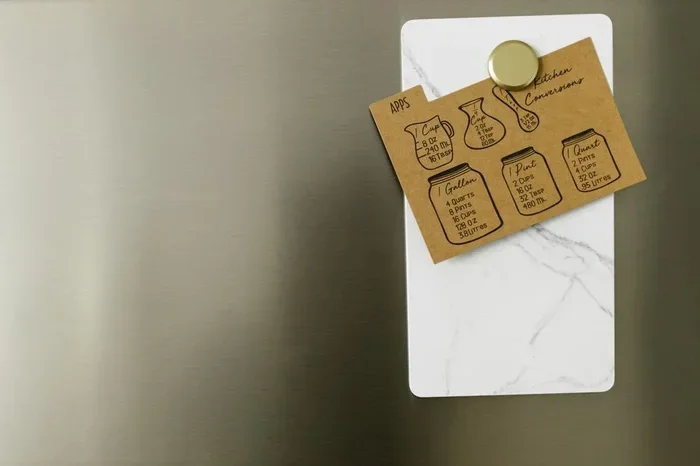
- 1 cup = 8 fluid ounces = 16 tablespoons = 48 teaspoons
- 1/2 cup = 4 fluid ounces = 8 tablespoons
- 1/3 cup = 2.7 fluid ounces = 5 tablespoons + 1 teaspoon
- 1/4 cup = 2 fluid ounces = 4 tablespoons
These conversions become especially handy when you do not have the right measuring cup on hand. Many home cooks rely on measuring spoons or even kitchen scales for precision baking.
What Is a Pint and Why Does It Matter
A pint is a larger unit of volume in the US customary system. One US liquid pint equals 16 fluid ounces or approximately 473 milliliters. You will often see pints used for dairy products like milk and cream, as well as for liquids in many recipes. The pint is a convenient size for both shopping and cooking.
Understanding pint conversion matters because recipes sometimes list ingredients in pints while your measuring tools show cups. If you know that one pint equals two cups, you can quickly adjust without guessing. This knowledge also helps when you are shopping and need to buy the right amount of a liquid ingredient.
The History of the Pint
The pint has roots going back centuries. It originated from the French word “pinte” and was standardized over time in different countries. The US pint and the imperial pint used in the UK are not the same size. The US pint is about 473 milliliters, while the imperial pint is roughly 568 milliliters. For American home cooks, we use the US pint in all our kitchen measurements.
How Many Pints in a Cup: The Full Conversion Guide
This is the heart of the article. The conversion between pints and cups is simple but worth memorizing. One pint equals two cups, which means one cup equals half a pint. Let us look at this from multiple angles so it sticks.
The Basic Conversion
Here is the core relationship you need to remember:
- 1 pint = 2 cups
- 1 cup = 0.5 pints
- 2 pints = 4 cups
- 1 quart = 2 pints = 4 cups
Notice how these units connect? The pint sits right between the cup and the quart in the volume hierarchy. Once you know this chain, you can convert between any of these units quickly.
Quick Reference Chart
Keep this chart handy when you are cooking or baking:
- 1/4 pint = 1/2 cup
- 1/2 pint = 1 cup
- 3/4 pint = 1.5 cups
- 1 pint = 2 cups
- 1.5 pints = 3 cups
- 2 pints (1 quart) = 4 cups
Many cooks tape a version of this chart inside a kitchen cabinet. It is a small effort that pays off every time you prepare a meal. You can also find similar information in our article on how to measure coffee in a coffee maker, where precise volume measurements make all the difference in the final cup.
Converting Between Metric and Imperial
If you follow international recipes, you may encounter metric measurements. One US cup equals roughly 237 milliliters, and one US pint equals about 473 milliliters. These numbers are not round, which is why many American cooks round to 240 milliliters per cup for simplicity. When precision matters, such as in bread baking or candy making, use the exact figures.
For those who frequently cook with both systems, a kitchen scale is your best friend. Weight measurements in grams and ounces are more accurate than volume measurements for many dry ingredients. This is especially true for flour, where the way you scoop can change the amount by 20 percent or more.
Practical Examples: Using Pints and Cups in Real Recipes
Theory is great, but seeing this conversion in action makes it stick. Let us look at a few common cooking scenarios where knowing how many pints in a cup comes in handy.
Scaling a Soup Recipe
Imagine you have a soup recipe that serves 6 and calls for 2 pints of broth. You want to make enough for 12 people. You need to double everything, which means 4 pints of broth. Since 4 pints equals 8 cups, you know exactly how much to measure out. Without this knowledge, you would be guessing and possibly ending up with too little liquid.
Baking Adjustments
Baking is a science, and volume measurements matter. If a cake recipe calls for 1 pint of milk and you only have a liquid measuring cup marked in cups, you know to measure exactly 2 cups. Using the wrong amount can change the texture and rise of your baked goods significantly.
Similarly, if you are making a large batch of iced tea and the recipe says 4 pints of water, you need 8 cups. This is much easier to measure with standard kitchen tools.
Shopping and Substituting
Sometimes you are at the store and a recipe calls for 1 pint of heavy cream, but the container sizes available are 1 cup or 2 cups. Knowing that 1 pint equals 2 cups helps you buy the right size. This also applies when substituting ingredients. If a recipe calls for 1 pint of buttermilk and you only have a measuring cup, you now know you need exactly 2 cups.
Measuring for Meal Prep
Meal preppers often work with large batches. If you are portioning soup into containers and each serving is 1 cup, a batch made with 6 pints of liquid yields 12 servings. This kind of quick mental math works because you know the pint-to-cup relationship cold.
Common Mistakes People Make with Volume Measurements
Even experienced cooks make measurement errors. Here are the most common mistakes and how to avoid them.
Confusing Fluid Ounces with Net Weight Ounces
This is the number one source of confusion in the kitchen. Fluid ounces measure volume, while weight ounces measure mass. One cup of water weighs about 8 weight ounces, but one cup of flour weighs only about 4.5 weight ounces. Always check whether a recipe is asking for volume or weight.
Not Measuring at Eye Level
When using a liquid measuring cup, always place it on a flat surface and bend down to read the meniscus at eye level. Looking from above or below gives you an inaccurate reading. This small habit makes a big difference in baking.
Using Dry Cups for Liquids
Dry measuring cups are designed to be filled and leveled. They are not meant for pouring liquids. The shape makes it hard to get an accurate fill level. Always use a liquid measuring cup for any liquid ingredient, whether it is water, milk, oil, or broth.
Forgetting Temperature Effects
Liquids expand when heated and contract when cooled. A cup of hot water takes up slightly more space than a cup of cold water. For precision baking, always measure liquids at room temperature unless the recipe specifies otherwise.
Assuming All Cups Are the Same Size Worldwide
The US cup, the metric cup, and the imperial cup are all slightly different sizes. A US cup is 237 milliliters, a metric cup is 250 milliliters, and an imperial cup is about 284 milliliters. If you are following a recipe from another country, check which cup size it uses.
Pro Tips for Accurate Kitchen Measurements
Want to level up your cooking and baking accuracy? Here are some expert tips that make a real difference.
Invest in a Good Set of Measuring Cups
Spend a little extra on a durable set of both liquid and dry measuring cups. Look for ones with clear markings that do not fade over time. Stainless steel and glass options tend to last longer than plastic.
Use a Kitchen Scale for Precision
A kitchen scale removes the guesswork from measuring. Many professional bakers prefer weighing ingredients over volume measurements. If you bake regularly, a scale is one of the best investments you can make.
Memorize the Key Conversions
You do not need to memorize every possible conversion. Just remember these three: 1 cup = 8 fluid ounces, 1 pint = 2 cups, and 1 quart = 4 cups. Everything else flows from these basic facts.
Keep a Conversion Chart in Your Kitchen
Print out a simple conversion chart and stick it on your fridge or inside a cabinet door. When you are in the middle of cooking and cannot remember whether a pint is 1 or 2 cups, the chart has your back.
Practice the Math During Everyday Cooking
The more you practice converting between pints and cups, the more natural it becomes. Next time you are pouring a glass of milk, think about how many cups that is. Small moments of practice build lasting knowledge.
How Pints and Cups Fit Into the Bigger Measurement Picture
Understanding how pints and cups relate to other units gives you a complete picture of volume measurement. Here is how the full hierarchy looks:
- Teaspoon = 1/6 fluid ounce
- Tablespoon = 1/2 fluid ounce = 3 teaspoons
- Fluid Ounce = 1/8 cup
- Cup = 8 fluid ounces
- Pint = 2 cups = 16 fluid ounces
- Quart = 2 pints = 4 cups = 32 fluid ounces
- Gallon = 4 quarts = 8 pints = 16 cups
This hierarchy is like a ladder. Each step up doubles the volume. Once you see the pattern, converting between any of these units becomes second nature. This is the same logic used in volume conversion for everything from cooking to science experiments.
If you are interested in other kitchen conversions, check out our guide on how to boil in Instant Pot, where understanding measurements helps you set the right water levels for perfect results every time.
Conclusion
The simple answer to “how many pints in a cup” is that one cup equals half a pint, and two cups make a full pint. This basic conversion is the foundation of accurate volume measurement in the kitchen. Once you internalize this relationship, along with the broader measurement hierarchy, you can tackle any recipe with confidence.
Remember the common mistakes to avoid, use the pro tips for better accuracy, and keep a conversion chart nearby. With a little practice, converting between pints, cups, quarts, and gallons will feel like second nature. Your cooking and baking will improve, and you will waste less food and fewer ingredients along the way.
Start applying these conversions in your very next meal prep session. You will be surprised at how much smoother everything goes when you are not second-guessing your measurements. Happy cooking!
Frequently Asked Questions
How many cups are in a pint?
There are exactly 2 cups in one US pint. This is a standard conversion that applies to all liquid measurements in the American kitchen. Whether you are measuring milk, water, broth, or any other liquid, 1 pint always equals 2 cups.
Is a pint bigger than a cup?
Yes, a pint is twice the size of a cup. One pint contains 16 fluid ounces, while one cup contains 8 fluid ounces. This makes the pint a more convenient unit for measuring larger quantities of liquid in recipes and shopping.
How many fluid ounces are in a pint and a cup?
A pint contains 16 fluid ounces, and a cup contains 8 fluid ounces. This relationship makes conversions simple. If a recipe calls for 1 pint of an ingredient, you can measure out 16 fluid ounces or simply use 2 cups instead.
Does the pint-to-cup ratio differ in the UK?
The ratio of 2 cups per pint stays the same, but the actual volume differs. The UK uses the imperial pint, which is about 20 percent larger than the US pint. If you are following a British recipe, keep in mind that their pint is roughly 568 milliliters compared to our 473 milliliters.
Can I use a dry measuring cup for liquids when converting pints to cups?
It is best not to. Dry measuring cups are designed to be filled and leveled, which works well for solids like flour and sugar. For liquids, always use a liquid measuring cup with a pour spout and clear side markings. This ensures you get an accurate measurement at eye level.
What is the easiest way to remember that 1 pint equals 2 cups?
Think of it as a simple doubling rule. One pint doubles into two cups, two pints make four cups, and so on. You can also remember that “pint” sounds like “point” and a point on a number line between 1 and 2 lands at 2 cups. Another trick is that a pint is the size of two standard drinking glasses, which is roughly one cup each.