
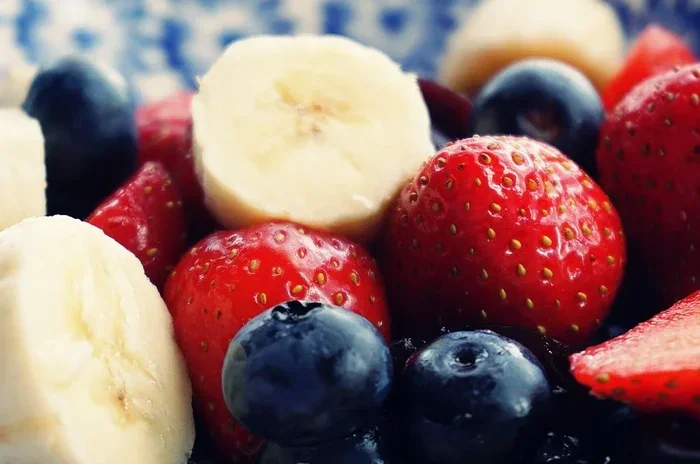
Yes, bananas are technically berries. In botanical terms, a banana fits the scientific definition of a berry perfectly. Many fruits we eat every day, like bananas, grapes, and tomatoes, are classified as berries, while strawberries and raspberries are not. Understanding this distinction changes how you think about fruit forever.
You probably never thought twice about whether a banana is a berry. But here is the thing. The answer might surprise you. Are bananas berries? The short answer is yes. The longer answer is even more interesting.
When we talk about fruits, most of us rely on how things look and taste. A berry is small, round, and juicy, right? Well, not exactly. Botanists use a completely different set of rules. And under those rules, the humble banana checks every single box.
This article breaks down the science behind fruit classification. You will learn what makes a berry a berry, why bananas qualify, and which common fruits do not belong in the berry family. By the end, you will never look at your breakfast fruit the same way again.
Key Takeaways
- Bananas are botanically berries: They develop from a single ovary and contain seeds embedded in the flesh.
- The botanical definition of a berry is specific: It requires a fleshy exocarp, mesocarp, and endocarp all derived from one ovary.
- Strawberries are not berries: They are “accessory fruits” because the fleshy part comes from a different plant structure.
- Many common fruits are berries: Tomatoes, grapes, kiwis, and avocados all fall into the berry category.
- Understanding fruit classification helps in cooking: Knowing berry types can improve your meal planning and recipe choices.
- Bananas belong to the genus Musa: They are part of a unique plant family with interesting botanical traits.
- Berry classification affects nutrition: Different fruit categories offer different health benefits and nutrient profiles.
📑 Table of Contents
The Botanical Answer to “Are Bananas Berries”
Botany, the science of plants, has very clear rules for classifying fruits. These rules are based on how a fruit develops from a flower, not how it looks or tastes. When we ask “are bananas berries,” we need to think like a plant scientist.
A true botanical berry forms from a single ovary in a flower. The entire ovary wall becomes fleshy. Seeds are embedded inside the flesh. That is it. Simple and specific. Let us look at what this means for bananas.
How Botanists Define a Berry
In botany, a berry must meet three key criteria. First, it develops from a single ovary. Second, the ovary wall becomes three distinct layers. Third, the seeds are enclosed within the flesh. These layers are called the exocarp, mesocarp, and endocarp.
- Exocarp: The outer skin or rind.
- Mesocarp: The thick, fleshy middle layer.
- Endocarp: The inner layer surrounding the seeds.
Bananas have all three layers. The peel is the exocarp. The soft, edible part is the mesocarp and endocarp combined. The tiny seeds you barely notice inside a banana are the proof. This makes bananas a textbook example of a botanical berry.
Why the Confusion Exists
Most people think of a berry as a small, round fruit with seeds on the outside. Strawberries fit that image. Blueberries fit that image. But nature does not care about our assumptions. Botanical classification follows the science of plant development, not common perception.
This is why many fruits surprise people. Tomatoes are berries. Bananas are berries. Even chili peppers count as berries. The everyday language we use for fruit is very different from the scientific language. And that gap is where the confusion lives.
What Exactly Is a Berry?
Now that we know bananas qualify, let us explore what a berry really is in the plant world. The botanical berry definition is strict and specific. It is not about color, size, or taste. It is about the structure of the fruit and how it grows.
The Parts of a Berry
A true berry has a very particular anatomy. The flower of the plant contains the ovary. As the fruit develops, the ovary wall thickens and becomes fleshy. The seeds sit inside this fleshy matrix. No separate layers form outside the ovary wall.
Think of it this way. A berry is like a sealed package. Everything comes from one structure. The skin, the flesh, and the seed covering all originate from the same part of the flower. This is what sets true berries apart from other fruit types.
Berry Types in the Plant Kingdom
There are many different fruit types in the plant kingdom. Berries are just one category. Other types include drupes, pomes, aggregate fruits, and accessory fruits. Each type has its own botanical definition.
Here are some common fruit types and how they compare to berries:
- Drupes: Fruits with a hard stone or pit inside. Peaches, cherries, and plums are drupes.
- Pomes: Fruits where the fleshy part comes from tissue outside the ovary. Apples and pears are pomes.
- Aggregate fruits: Fruits that form from multiple ovaries in a single flower. Raspberries and blackberries fall here.
- Multiple fruits: Fruits that form from the ovaries of many flowers. Pineapples and figs are multiple fruits.
Understanding these categories helps you see why the question “are bananas berries” has such a clear answer. Bananas match the berry definition perfectly. They do not fit any of these other categories.
How Bananas Fit the Berry Definition
Let us get into the details of why bananas are berries. The banana plant is actually a giant herb, not a tree. This is already surprising to many people. The banana “trunk” is made of tightly wrapped leaf sheaths. It is not wood at all.
Bananas develop from a flower that contains a single ovary. As the fruit matures, the ovary wall becomes the edible portion. The peel develops from the outer layer. The soft, sweet interior is the thickened mesocarp and endocarp.
The Banana’s Seed Story
Wild bananas have large, hard seeds. You would never want to bite into one of those. But the bananas we buy at the grocery store are cultivated varieties. They have been bred to be seedless, or nearly so.
The tiny black specks you see inside a banana are vestigial seeds. They are remnants of what seeds used to be. They are still there, even if they are not functional. And their presence inside the flesh is exactly what botanists look for when classifying a fruit as a berry.
Banana Varieties and Berry Classification
There are over 1,000 varieties of bananas worldwide. Some are sweet and dessert-sized. Others are starchy and cooked like vegetables. All of them are botanically berries. The classification does not change based on variety.
Whether you eat a Cavendish banana or a red banana, you are eating a berry. The same applies to plantains, which are often cooked and used in savory dishes. Even though plantains taste very different from dessert bananas, they share the same botanical classification.
Common Fruits That Are Also Berries
Bananas are not alone. Many fruits we eat every day are technically berries. Once you know the definition, you start to see it everywhere. The berry family is much larger than most people realize.
Fruits You Probably Did Not Know Were Berries
Here are some surprising fruits that are classified as berries:
- Grapes: A classic berry with a thin skin and fleshy interior.
- Tomatoes: Yes, your favorite salad ingredient is a berry.
- Kiwis: The fuzzy exterior and seeded interior make it a perfect berry.
- Avocados: A single large seed surrounded by fleshy tissue. A berry.
- Blueberries: The name says it all, but many people do not realize they are true berries.
- Cranberries: Another well-known berry that fits the botanical definition.
- Eggplants: Also called aubergines, these are berries too.
- Bananas: Of course, the star of this article.
This list shows how broad the berry category really is. It includes fruits of all shapes, sizes, and flavors. From the tiny blueberry to the large eggplant, the botanical definition covers them all.
Cooking with Berries: Healthy and Delicious
Knowing which fruits are berries can actually help you in the kitchen. Berry fruits are versatile and nutritious. You can use them in smoothies, baked goods, and savory dishes. Many berry fruits are rich in antioxidants and vitamins.
If you love cooking with healthy fruits, try using air fryer dinner recipes that incorporate fresh produce. Air fryer dinner recipes often include zucchini, tomatoes, and other berry-family fruits. These meals are quick, healthy, and full of flavor.
You can also explore zucchini dinner recipes for more ideas on preparing fruits and vegetables in simple, delicious ways. Zucchini is another botanical berry, and it works beautifully in a wide range of dishes.
Fruits People Think Are Berries But Aren’t
The berry question goes both ways. Some fruits have “berry” in their name but are not true berries. Others look like berries but belong to a completely different category. This is where fruit classification gets really interesting.
Strawberries and Raspberries
Strawberries and raspberries are the most famous examples of fruits that are not berries. Despite their names, they do not meet the botanical criteria. Strawberries are “accessory fruits.” The fleshy part we eat develops from tissue outside the ovary.
Raspberries are “aggregate fruits.” Each raspberry is made up of many tiny drupelets. Each drupelet is a small individual fruit with its own seed. So a raspberry is really a cluster of mini-fruits, not a single berry.
Blackberries and Mulberries
Blackberries are also aggregate fruits, just like raspberries. Mulberries have a similar structure. They form from multiple ovaries in a single flower. Neither one qualifies as a true botanical berry.
These fruits are still delicious and nutritious. The fact that they are not technically berries does not change their value in the kitchen or on your plate. But it is fun to know the real science behind what you are eating.
Why the Names Can Be Misleading
Common names for fruits often have nothing to do with botanical classification. The word “berry” in everyday language means something different from the botanical definition. This is true for many words in science. Common names and scientific names often diverge.
When you hear the word “berry,” your brain probably thinks of small, round, colorful fruits. Botanists think about ovary structure and fruit development. Both perspectives are valid. They just serve different purposes.
Why This Matters for Your Kitchen and Health
You might be wondering why any of this matters. You are not a botanist. You just want to eat well. But understanding fruit classification can actually improve how you cook and plan your meals.
Nutritional Benefits of Berry Fruits
Berry fruits are packed with nutrients. They are rich in antioxidants, fiber, and vitamins. Many berry fruits are low in calories and high in water content. This makes them excellent choices for healthy eating.
Bananas, for example, are a great source of potassium and vitamin B6. They provide quick energy and help with digestion. Blueberries are famous for their antioxidant content. Tomatoes offer lycopene, a powerful plant compound.
Using Berry Knowledge in Everyday Cooking
When you understand which fruits are berries, you can make better choices in the kitchen. Berry fruits tend to cook well and pair nicely with a variety of flavors. They work in both sweet and savory dishes.
If you enjoy slow-cooked meals, try incorporating fruits into your dinner. Dutch oven dinner recipes are perfect for this. You can add tomatoes, peppers, and other botanical berries to create rich, flavorful dishes that the whole family will love.
For lighter meals, lemon chicken dinner recipes are a great match. Lemon is a botanical berry, and it adds bright, fresh flavor to any dish. Pairing lemon with chicken creates a balanced and nutritious meal.
The Bigger Picture of Fruit Science
Fruit classification is part of a larger scientific field called plant taxonomy. This field helps us understand how plants are related to each other. It also helps farmers, chefs, and nutritionists make informed decisions.
When you know that bananas are berries, you start to see the natural world differently. You notice patterns. You understand why certain fruits grow the way they do. And you appreciate the complexity of something as simple as a piece of fruit.
The next time you peel a banana, take a moment to think about what you are holding. It is a berry. It is a botanical marvel. And it is one of the most popular fruits on the planet.
Final Thoughts on Bananas and Berries
The question “are bananas berries” opens the door to a fascinating world of botanical science. The answer is yes. Bananas are berries according to every scientific definition. They develop from a single ovary, have three fleshy layers, and contain seeds embedded in the fruit.
This knowledge changes how you see the fruit bowl. Tomatoes, grapes, kiwis, and avocados are all berries too. Meanwhile, strawberries and raspberries are not. The common names we use every day do not always match the science.
Understanding fruit classification is not just trivia. It helps you make better choices in the kitchen. It deepens your appreciation for the food you eat. And it gives you a great conversation starter at your next dinner party.
So the next time someone asks you about bananas and berries, you will know the answer. And you will know why it matters. That is the power of a little botanical knowledge.
Frequently Asked Questions
Why is a banana considered a berry?
A banana is considered a berry because it develops from a single ovary and has three fleshy layers: the exocarp, mesocarp, and endocarp. The seeds are embedded inside the flesh, which is exactly what botanists look for when classifying a true berry.
Are strawberries berries?
No, strawberries are not true berries. They are classified as “accessory fruits” because the fleshy part we eat develops from tissue outside the ovary. The actual fruits of a strawberry are the tiny seeds on the outside.
What other common fruits are actually berries?
Many common fruits are botanically berries, including grapes, tomatoes, kiwis, avocados, blueberries, cranberries, eggplants, and bananas. All of these develop from a single ovary with seeds enclosed in the flesh.
Why do some fruits with “berry” in their name not qualify?
Common names are based on how fruits look and taste, not on their botanical structure. Strawberries, raspberries, and blackberries all have “berry” in their name, but they do not meet the scientific criteria for a true berry.
Can the way a fruit is cooked change its classification?
No. Cooking does not change the botanical classification of a fruit. A banana is a berry whether it is raw, baked, or fried. The classification is based on how the fruit develops from the plant, not how it is prepared.
Are all seedless fruits considered berries?
Not necessarily. Seedless fruits can be berries if they meet the other criteria, but seedlessness alone does not make a fruit a berry. The key factors are the ovary structure and the three-layered fleshy wall. Some seedless fruits are bred from non-berry plant structures.



