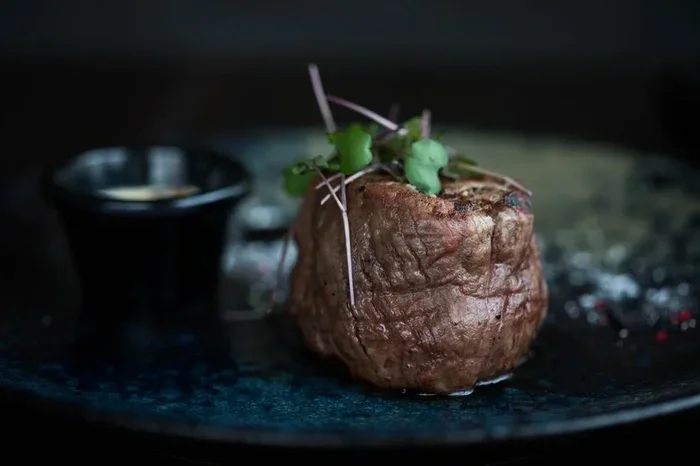
The best filet mignon cooking time oven method depends on thickness, desired doneness, and whether you sear first. Oven temperatures between 400°F and 425°F deliver perfectly tender results in 10 to 20 minutes. This guide covers exact times, temperatures, and pro tips so you can cook filet mignon in the oven like a steakhouse chef.
There is something truly special about a perfectly cooked filet mignon. It is tender, juicy, and elegant. Yet many home cooks hesitate to make it in the oven. They worry about overcooking or drying out this premium cut. The truth is, mastering filet mignon cooking time oven technique is easier than you think. Once you understand the basics, you can produce steakhouse-quality results right in your own kitchen. This guide walks you through everything you need to know.
## Why Oven-Baked Filet Mignon Is Worth Trying
Oven-baked filet mignon offers several advantages over stovetop-only cooking. The oven surrounds the steak with gentle, even heat. This reduces the risk of hot spots that can burn the outside while leaving the inside raw.
Oven-baked filet mignon also gives you more control. You can sear the outside on the stove first, then finish in the oven. This two-step approach is what many professional chefs prefer. It creates a caramelized crust while keeping the center perfectly pink.
Another benefit is convenience. When you cook multiple steaks, the oven handles them all at once. You do not need to work in batches on a crowded stovetop. This makes oven-baked filet mignon ideal for dinner parties or family meals.
### The Cut Matters
Not all filet mignon is created equal. The beef tenderloin is naturally lean and tender. But thickness varies from steak to steak. A thicker cut needs more time in the oven. A thinner cut cooks faster and can dry out quickly.
Always look for filet mignon that is at least 1 to 1.5 inches thick. This thickness gives you a forgiving window for perfect doneness. Thinner cuts work better with a quick sear and short oven time.
## The Perfect Oven Temperature for Filet Mignon
Temperature is the single most important factor in oven-baked steak. Too low, and the steak takes too long. Too high, and the outside burns before the inside is done.
Most experts recommend 400°F to 425°F for cooking filet mignon in the oven. Here is a quick breakdown of common temperature choices:
- 400°F: Great for 1-inch thick steaks. Cooks evenly with a nice crust.
- 425°F: Best for thicker cuts. Reduces overall cooking time.
- 375°F: Use for the reverse sear method. Slow cooking from the outside in.
### Preheating Is Essential
Never put your steak into a cold oven. Always preheat first. A hot oven starts the cooking process immediately. This helps form that delicious crust when you sear beforehand.
Give your oven at least 15 to 20 minutes to reach the target temperature. Use an oven thermometer if you are unsure. Many home ovens run hotter or cooler than the dial shows.
## Step-by-Step Filet Mignon Cooking Time Oven Method
Here is the most reliable method for cooking filet mignon in the oven. Follow these steps and you will get consistent, delicious results every time.
### Step 1: Prep the Steak
Remove your filet mignon from the refrigerator 30 to 45 minutes before cooking. Let it come to room temperature. Cold steak cooks unevenly. The outside can burn while the center stays cold.
Pat the steak dry with paper towels. Moisture on the surface creates steam instead of a sear. Season generously with salt and pepper. You can also add garlic powder or fresh herbs like rosemary.
### Step 2: Sear on the Stovetop
Heat a cast iron skillet or oven-safe pan over high heat. Add a high-smoke-point oil like avocado or grapeseed oil. Once the oil shimmers, place the steak in the pan.
Sear each side for 1 to 2 minutes. You want a deep brown crust. Do not move the steak around during searing. Let it sit and develop that beautiful color.
### Step 3: Transfer to the Oven
After searing, move the skillet directly into the preheated oven. This works because cast iron retains heat perfectly. If you use a different pan, transfer the steak to an oven-safe dish.
Now comes the critical part: filet mignon cooking time oven. The time depends on thickness and desired doneness. Use the guide below as your starting point.
### Step 4: Check Internal Temperature
Start checking the temperature a few minutes before the expected finish time. Insert a meat thermometer into the thickest part of the steak. Avoid touching bone or fat.
Here is a temperature guide for oven-baked filet mignon:
- Rare: 120°F to 125°F
- Medium-Rare: 130°F to 135°F
- Medium: 140°F to 145°F
- Medium-Well: 150°F to 155°F
- Well-Done: 160°F and above
### Step 5: Rest the Steak
Once the steak reaches your target temperature, remove it from the oven. Place it on a cutting board or a stainless steel baking rack for oven set. Let it rest for 5 to 10 minutes.
Resting allows the juices to redistribute throughout the meat. If you cut too soon, the juice runs out and the steak dries out. This step makes a huge difference in the final result.
### Step 6: Slice and Serve
Slice against the grain for maximum tenderness. Serve immediately with your favorite sides. A dollop of herb butter or a drizzle of balsamic reduction elevates the dish beautifully.
## Searing vs. Oven-Only: Which Method Wins?
Many home cooks debate whether to sear filet mignon before putting it in the oven. Both methods have merit. Let us compare them.
### The Sear-Then-Oven Method
This is the most popular approach. You sear the steak on the stovetop first, then finish in the oven. The benefit is a flavorful crust on the outside. The oven gently cooks the center without burning the crust.
This method works best for steaks that are at least 1 inch thick. It gives you the best of both worlds: texture and even cooking.
### The Oven-Only Method
Some cooks prefer to skip the sear and cook the steak entirely in the oven. This produces a more uniform texture throughout. There is no crust, but the meat stays very tender.
This approach works well for thinner cuts. It also suits people who prefer a more subtle flavor profile. You can always add a sear after removing the steak from the oven if you change your mind.
### The Reverse Sear Method
The reverse sear is a favorite among steak enthusiasts. You cook the steak low and slow in the oven first, then sear it at the end. Start at 250°F to 275°F and cook until the internal temperature is about 10°F below your target. Then sear on a hot skillet for 1 to 2 minutes per side.
The reverse sear gives you the most even doneness from edge to edge. It is harder to overcook with this method. For a detailed look at oven broiling techniques, check out our guide on how to broil a hamburger in the oven, which covers similar high-heat oven techniques.
## How to Know When Filet Mignon Is Done
Timing is helpful, but temperature is king. A meat thermometer is the single best tool for perfect steak. Relying on time alone can lead to overcooked or undercooked results.
Touch testing is another method, but it takes practice. Press the center of the steak with your finger. A rare steak feels soft and squishy. Medium-rare has a slight give. Medium feels firm with a little spring.
However, the thermometer removes all guesswork. Get an instant-read thermometer if you do not already have one. It is a small investment that transforms your cooking.
### Common Doneness Mistakes
Many people pull their steak too late. The temperature rises 5 to 10 degrees during resting. This is called carryover cooking. If you want medium-rare at 135°F, pull the steak at 125°F to 130°F.
Another mistake is cutting into the steak to check color. Every time you cut, juice escapes. Trust your thermometer and resist the urge to peek.
## Pro Tips for Restaurant-Quality Oven Filet Mignon
A few extra tips can take your oven-baked filet mignon from good to outstanding.
- Use a pizza stone: Placing a pizza stone for grill and oven in the oven helps retain and distribute heat evenly. It creates a better environment for cooking steak.
- Season in advance: Salt your steak up to 24 hours before cooking. This draws out moisture, which gets reabsorbed and seasons the meat deeply.
- Add butter and herbs: After searing, add butter, garlic, and fresh thyme to the pan. Baste the steak with the melted butter during oven cooking.
- Do not overcrowd the pan: Leave space between steaks if cooking multiple. Overcrowding creates steam and prevents a good sear.
- Let the pan heat up fully: A properly heated skillet is essential for a great crust. Wait until the oil just starts to smoke before adding the steak.
### Pairing Suggestions
Filet mignon pairs beautifully with many sides. Roasted asparagus, garlic mashed potatoes, and a simple green salad all work well. A bold red wine like Cabernet Sauvignon or Malbec complements the rich flavor of the beef.
For a complete meal, serve with roasted vegetables and a glass of red. The mild flavor of filet mignon lets the sides shine alongside it.
## Frequently Asked Questions
How long should I cook filet mignon in the oven at 400°F?
At 400°F, a 1-inch thick filet mignon takes about 10 to 12 minutes for medium-rare. Thicker cuts need 15 to 20 minutes. Always use a meat thermometer to check the internal temperature rather than relying solely on time.
What is the best oven temperature for filet mignon?
The best oven temperature for filet mignon is between 400°F and 425°F. This range cooks the steak evenly without drying it out. For the reverse sear method, start at 250°F to 275°F and finish with a hot skillet sear.
Should I cover filet mignon with foil when cooking in the oven?
No, do not cover filet mignon with foil in the oven. Covering traps steam and prevents a good crust from forming. Let the steak cook uncovered for the best texture and flavor.
Can I cook frozen filet mignon in the oven?
It is best to thaw filet mignon before cooking. Cooking from frozen leads to uneven results. The outside overcooks while the center thaws. If you must cook from frozen, add extra time and use a lower oven temperature.
How do I know when my oven filet mignon is done?
The most reliable way is to use a meat thermometer. Pull the steak at 120°F to 130°F for medium-rare. Remember that the temperature will rise 5 to 10 degrees during resting. This carryover cooking brings the steak to its final doneness.
Is it better to sear filet mignon before putting it in the oven?
Yes, searing first creates a flavorful crust that enhances the overall taste and texture. The sear adds Maillard reaction flavors that oven-only cooking cannot replicate. However, oven-only cooking works well if you prefer a more uniform texture without a crust.
Key Takeaways
- Sear First, Then Oven: Searing your filet mignon in a cast iron skillet before transferring it to the oven locks in flavor and creates a beautiful crust.
- Ideal Oven Temperature: 400°F to 425°F is the sweet spot for even cooking without drying out the tenderloin.
- Cook Time Varies by Thickness: A 1-inch filet needs about 10 to 12 minutes, while a 2-inch cut may take 15 to 20 minutes.
- Use a Meat Thermometer: Internal temperature is the most reliable way to check doneness. Pull the steak at 120°F for medium-rare.
- Rest Your Steak: Letting filet mignon rest for 5 to 10 minutes after cooking keeps the juices locked inside.
- Reverse Sear Option: Cooking low and slow in the oven first, then searing, gives you edge-to-edge perfect doneness.
Frequently Asked Questions
What is filet mignon cooking time oven?
filet mignon cooking time oven is an important topic with many practical applications.