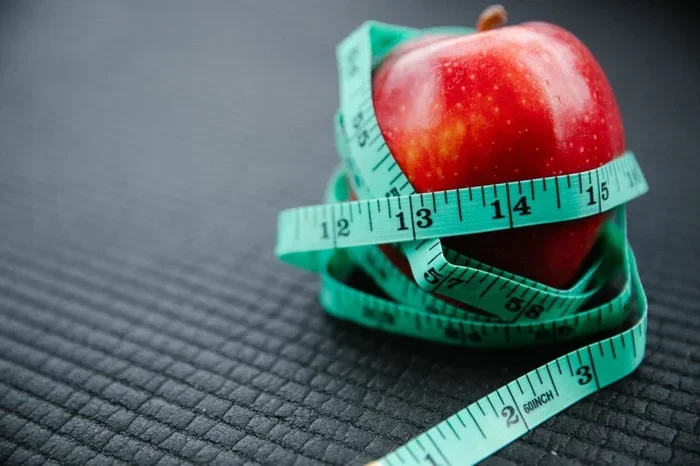
A medium apple contains about 95 calories, making it one of the best low-calorie snacks for weight loss. Apples are packed with fiber, water, and essential nutrients that keep you full and support healthy digestion. Whether you prefer red, green, or yellow varieties, the calorie count in an apple stays consistently low, which makes it easy to include in any diet plan.
Have you ever wondered how many calories are hiding inside that crisp, juicy apple sitting on your kitchen counter? If you are trying to lose weight or simply eat healthier, knowing the calorie content of an apple is one of the simplest yet most useful things you can do.
Apples are one of the most popular fruits in the world. They are affordable, easy to find, and incredibly convenient to eat on the go. But beyond their taste and convenience, apples are a nutritional powerhouse. They deliver fiber, vitamins, and hydration with very few calories. This makes them a top choice for anyone who wants to snack smart without derailing their health goals.
In this article, we will break down the exact calorie count in different apple sizes and varieties. We will also explore how apples support weight loss, what nutrients they provide, and how to include them in your daily diet. By the end, you will know exactly why an apple makes one of the best low-calorie snacks you can choose.
Key Takeaways
- A medium apple has roughly 95 calories: This makes it a perfect snack for anyone watching their calorie intake.
- Apples are high in fiber: The fiber content helps you feel full longer and supports healthy digestion.
- Different apple types have similar calories: Red, green, and yellow apples all fall within the same calorie range.
- Apple skin adds nutrition: Most of the fiber and antioxidants are found in the skin, so eat it when possible.
- Apples support weight loss: Their low calorie density and high water content make them a diet-friendly fruit.
- Portion size matters: Larger apples will have more calories, so knowing your serving size helps with tracking.
📑 Table of Contents
How Many Calories Are in One Apple?
The short answer is that a medium-sized apple contains about 95 calories. But the number can vary depending on the size of the apple and the specific variety you choose. Let us look at this more closely so you can understand what to expect.
Calories by Apple Size
Not all apples are the same size. Here is a simple breakdown of how many calories you can expect based on the size of the apple:
- Small apple (150g): About 77 calories
- Medium apple (180g): About 95 calories
- Large apple (220g): About 116 calories
- Extra-large apple (250g): About 130 calories
As you can see, the calorie count in an apple scales up with size. A small apple is a great option if you want to keep your snack very light. A large apple still stays under 120 calories, which is impressive for a whole piece of fruit.
Calories by Apple Variety
You might wonder if the type of apple changes the calorie count. The answer is not much. Here is a quick look at popular varieties:
- Red Delicious: Around 95 calories for a medium apple
- Granny Smith: Around 80 calories for a medium apple, slightly lower due to less sugar
- Fuji: Around 95 calories for a medium apple
- Gala: Around 80 calories for a medium apple
- Honeycrisp: Around 95 calories for a medium apple
Most apple varieties fall within the same calorie range. The small differences come from sugar content and water levels. Granny Smith apples tend to be slightly lower in calories because they have less natural sugar compared to sweeter varieties like Fuji or Honeycrisp.
Why Apples Are Great for Weight Loss
If you are trying to lose weight, adding apples to your diet is a smart move. They are naturally low in calories and high in nutrients. Here is why they work so well for weight management.
Low Calorie Density
Calorie density means how many calories are packed into a given amount of food. Apples have a low calorie density because they are made up of about 85% water. This means you can eat a satisfying portion without consuming too many calories. You get volume, hydration, and nutrition for very little energy cost.
Compare this to processed snacks like chips or cookies, which are calorie-dense and leave you wanting more. An apple fills you up with fewer calories, which helps you stay within your daily calorie goals.
High Fiber Content Keeps You Full
A medium apple contains about 4.4 grams of fiber. Fiber is your best friend when you are trying to lose weight. It slows down digestion, which helps you feel full for longer periods. This reduces the urge to snack on unhealthy foods between meals.
The fiber in apples also feeds the good bacteria in your gut. A healthy gut microbiome is linked to better metabolism and weight management. So eating an apple is not just about the calories you avoid. It is also about supporting your body from the inside out.
Natural Sweetness Satisfies Cravings
When you are trying to cut back on sugar, cravings can be tough. Apples offer natural sweetness that can satisfy your desire for something sugary without the extra calories from processed sweets. The fiber and water in the fruit help slow the release of sugar into your bloodstream, which prevents energy crashes.
Next time you feel a sweet craving coming on, reach for an apple instead of a candy bar. Your waistline will thank you.
Apple Nutrition Facts You Should Know
Beyond calories, apples bring a lot of nutrition to the table. Understanding what is inside an apple helps you appreciate why it is such a healthy food choice.
Key Nutrients in a Medium Apple
- Calories: 95
- Carbohydrates: 25 grams
- Fiber: 4.4 grams
- Sugar: 19 grams (natural sugars)
- Protein: 0.5 grams
- Fat: 0.3 grams
- Vitamin C: 8.4 mg (about 14% of daily value)
- Potassium: 195 mg
As you can see, the apple nutrition profile is impressive for such a simple fruit. It is low in fat and protein but rich in carbohydrates and fiber. The natural sugars give you quick energy, while the fiber keeps things balanced.
The Importance of Apple Skin
Many people peel their apples before eating them. But doing so removes a lot of the nutritional value. The skin contains a large portion of the fiber and many of the antioxidants found in apples. In fact, studies show that apple skin contains compounds like quercetin, which have anti-inflammatory and immune-boosting properties.
To get the most health benefits, eat the apple with the skin on. Just make sure to wash it well to remove any pesticide residue. Choosing organic apples is another good option if you are concerned about chemicals.
How to Include Apples in a Weight Loss Diet
Eating a raw apple is great, but there are many other ways to enjoy this fruit while staying on track with your weight loss goals. Here are some practical ideas.
1. Apple Slices with Nut Butter
Spread a thin layer of almond or peanut butter on apple slices for a satisfying snack. The nut butter adds healthy fats and protein, which complements the fiber in the apple. This combination keeps you full and gives you steady energy.
2. Add Apples to Your Morning Oatmeal
Dice an apple and mix it into your morning oatmeal. The natural sweetness means you do not need to add sugar. The fiber from both the apple and the oats creates a filling breakfast that can carry you through to lunch.
3. Apple Chips for a Crunchy Snack
If you love the crunch of potato chips, try making apple chips at home. Slice apples thin, bake them in the oven, and enjoy a crispy, low-calorie snack. You can also dehydrate apple slices in the oven for a chewy, dried snack that lasts longer. This is a great alternative to store-bought dried fruit, which often has added sugar.
If you are interested in drying other fruits at home, check out our guide on how to dehydrate pears in the oven for a similar process that works with pears.
4. Apple and Salad Combo
Add sliced apple to your green salad for a sweet and crunchy twist. Pair it with spinach, walnuts, and a light vinaigrette. This makes a filling lunch or light dinner that is packed with nutrients and low in calories.
5. Store Apples Properly to Keep Them Fresh
One of the best ways to make sure you eat apples regularly is to store them properly. A cool, dark place like a pantry or a fruit drawer in the fridge works well. Proper storage keeps apples crisp and delicious for up to two weeks.
If you want to extend the shelf life of fresh produce even further, storing food in mylar bags is an excellent long-term option that keeps fruits and vegetables fresh. For more tips on storing fresh produce, you might find our article on how to store baby carrots in the fridge helpful for general produce storage techniques.
Common Mistakes People Make with Apples and Calories
Even though apples are healthy, some common mistakes can add extra calories without you realizing it. Here is what to watch out for.
1. Adding Too Much Topping
Dipping apple slices in caramel, chocolate, or sweet yogurt can quickly turn a low-calorie snack into a calorie bomb. A tablespoon of caramel sauce adds about 50 calories. Stick to natural nut butter or eat the apple plain for the best results.
2. Drinking Apple Juice Instead of Eating Whole Apples
Apple juice may taste healthy, but it is very different from a whole apple. A cup of apple juice can have over 110 calories and almost no fiber. The juicing process removes the pulp and skin, which strips away the fiber that makes whole apples so filling. Always choose a whole apple over juice when possible.
3. Overeating Large Apples
A large apple can have over 115 calories. If you eat two or three in one sitting without thinking, those calories add up fast. Be mindful of portion sizes, especially with larger varieties. A medium apple is the sweet spot for most people.
4. Pairing Apples with High-Calorie Foods
Eating an apple alongside a cheese plate or a baked good can undermine your calorie goals. While the apple itself is healthy, the total calorie count of the meal or snack matters most. Pair apples with lighter foods like yogurt, nuts, or salads for the best balance.
Expert Tips for Maximizing the Benefits of Apples
Want to get the most out of your apple habit? Here are some expert-backed tips that make a real difference.
- Eat the apple before a meal: Having an apple about 30 minutes before a main meal can help reduce the total amount you eat. The fiber and water create a sense of fullness that prevents overeating.
- Choose organic when possible: Apples are on the Environmental Working Group’s “Dirty Dozen” list for pesticide residue. Organic apples reduce your exposure to chemicals.
- Rotate apple varieties: Different colored apples offer different antioxidants. Red apples have anthocyanins, green apples have more tartaric acid, and yellow apples are gentler on the stomach. Variety is key to getting a full range of nutrients.
- Pair with protein for balanced energy: Adding a small handful of nuts or a slice of cheese to your apple creates a balanced snack with protein, healthy fat, and fiber. This combination stabilizes blood sugar and keeps hunger away for hours.
Frequently Asked Questions
How many calories are in a small apple?
A small apple, which weighs about 150 grams, contains approximately 77 calories. This makes it an excellent choice for a light snack or a starter before a meal. Small apples are perfect for portion control and satisfying a sweet craving without adding many calories to your day.
Does eating the apple skin change the calorie count?
No, the skin does not add or remove significant calories. The calorie count stays the same whether you eat the skin or peel it. However, eating the skin gives you more fiber and antioxidants, which are important for digestion and overall health. Always wash the apple thoroughly before eating the skin.
Are green apples lower in calories than red apples?
Green apples like Granny Smith are slightly lower in calories, around 80 calories for a medium apple, compared to about 95 calories for red varieties. The difference comes from a lower sugar content in green apples. Both types are excellent choices for a low-calorie diet.
Can I eat apples every day and still lose weight?
Yes, absolutely. Apples are low in calories and high in fiber, making them a perfect daily snack for weight loss. One to two apples per day fits well within most calorie budgets. Just be mindful of your total daily calorie intake and balance your apple consumption with other nutritious foods.
Is it better to eat a whole apple or drink apple juice?
Always choose a whole apple over apple juice. A whole apple has fiber, which slows digestion and keeps you full. Apple juice removes the fiber and concentrates the sugar, leading to more calories and less satisfaction. Whole fruit is always the better choice for weight management and overall health.
How do apples compare to other low-calorie fruits?
Apples are among the lowest-calorie fruits available, similar to pears and berries. A medium apple has about 95 calories, while a cup of strawberries has about 50 calories. The advantage of apples is their portability, shelf life, and satisfying crunch, which makes them easier to stick with as a regular snack compared to more delicate fruits.
Final Thoughts
The answer to how many calories are in one apple is simple: about 95 calories for a medium-sized fruit. But the benefits go far beyond just the number on a nutrition label. Apples are filling, nutritious, and incredibly easy to include in your daily diet. They support weight loss by keeping you full, providing steady energy, and satisfying sweet cravings in a healthy way.
Whether you eat them raw, slice them into salads, bake them with cinnamon, or dehydrate them for a chewy snack, apples are one of the most versatile and diet-friendly fruits you can enjoy. The next time you reach for a snack, grab an apple. Your body will thank you for choosing something so simple, yet so good for you.
Start today. Keep a few apples in your kitchen, at your desk, or in your bag. Once you make them a regular part of your routine, you will wonder how you ever snacked without them. The low calorie count in an apple is just the beginning of what this amazing fruit can do for your health and your weight loss journey.