
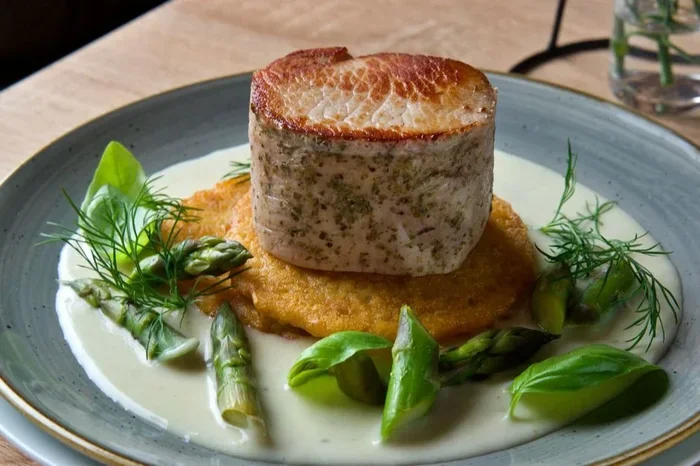
Roast pork loin typically needs about 25 to 30 minutes per pound at 350°F. The exact roast pork loin cooking time depends on your oven, the cut size, and whether you prefer a slow cooker or oven method. Always aim for an internal temperature of 145°F for safe, tender results.
Cooking a roast pork loin can feel tricky. You want it juicy. You want it tender. And you want the timing just right. The question everyone asks is simple: how many minutes per pound should you cook it? The answer is not always the same. It depends on your oven, your cut, and your chosen method. This guide breaks it all down so you never have to guess again.
Whether you are a beginner cook or someone who just wants to nail the timing, you are in the right place. We will walk you through pork loin cooking time step by step. You will learn the standard oven method, the slow cooker approach, and the internal temperature you must hit. By the end, you will feel confident enough to roast pork loin like a pro.
Key Takeaways
- 25 to 30 minutes per pound is the standard roasting time for pork loin at 350°F.
- Internal temperature of 145°F is the safe doneness point for pork loin.
- Resting the meat for 10 minutes after cooking keeps juices locked in.
- Slow cooker and oven methods both work well for different schedules.
- Overcooking is the #1 mistake that dries out pork loin.
- Tenderizing beforehand can improve texture and flavor absorption.
- Boneless vs bone-in affects cooking time by a few minutes.
📑 Table of Contents
Understanding Roast Pork Loin Cooking Times
The roast pork loin how many minutes per pound rule is a great starting point. But there is more to it than just a number. Let us look at why timing varies and what factors play a role.
What Does Minutes Per Pound Mean?
When a recipe says minutes per pound, it means the total cooking time divided by the weight of your roast. For example, a 3-pound pork loin at 28 minutes per pound would take about 84 minutes, or roughly 1 hour and 24 minutes. This is a general guideline. Your actual time may shift up or down.
The pork loin per pound rule works because larger roasts need more time to heat through evenly. A small 1-pound loin will cook faster than a 5-pound bone-in roast. Think of it like heating a small pot of water versus a big pot. More mass means more time.
Why Weight and Cut Matter
Not all pork loins are the same. The weight of your roast changes everything. Here are the main types you will encounter:
- Boneless pork loin: Cooks evenly and is the most common cut found in stores.
- Bone-in pork loin: Takes a bit longer because the bone slows heat transfer.
- Thick-cut vs thin-cut: Thicker pieces need more time per pound.
- Tied or untied roast: Tied roasts cook more evenly because they hold a consistent shape.
Knowing your cut helps you set expectations. A boneless pork loin usually follows the standard timing closely. A bone-in version may need an extra 10 to 15 minutes. Always use a meat thermometer to be sure.
How Many Minutes Per Pound for Roast Pork Loin
This is the heart of the question. The answer depends on your cooking method. Let us break it down by method so you can pick the one that fits your schedule.
Standard Oven Roasting Time
The most popular method is oven roasting. The general rule is 25 to 30 minutes per pound at 350°F. Here is a quick reference table:
1 pound: About 25 to 30 minutes
2 pounds: About 50 to 60 minutes
3 pounds: About 75 to 90 minutes
4 pounds: About 100 to 120 minutes
5 pounds: About 125 to 150 minutes
These numbers assume you start with a roast at room temperature. If your pork loin comes straight from the fridge, add about 10 minutes per pound. Cold meat takes longer to reach the safe internal temperature.
Slow Cooker Timing
A slow cooker is a great hands-off option. If you use the slow cooker method, timing changes. On low heat, plan for about 35 to 40 minutes per pound. On high heat, it drops to about 25 to 30 minutes per pound.
Using a slow cooker liner makes cleanup much easier. Just line the insert before adding your roast and seasoning. The liner catches drips and lets you lift the whole mess out in one piece. It is a small trick that saves a lot of scrubbing time.
Pressure Cooker Timing
A pressure cooker speeds things up significantly. For a pressure cooker pork loin, expect about 15 to 20 minutes per pound on high pressure. Plus you need to factor in the natural release time, which adds about 10 to 15 minutes.
Pressure cooking works best for smaller cuts under 3 pounds. Larger roasts may not fit or may not cook evenly. Always check your roast with a thermometer before serving.
The Right Temperature for Roast Pork Loin
Time matters, but temperature is king. Even if you follow the minutes per pound rule perfectly, the wrong temperature means dry or unsafe pork. Let us get this right.
Internal Temperature Guide
The USDA recommends cooking pork to an internal temperature of 145°F. This is the safe minimum. At this temperature, the pork is juicy and slightly pink in the center. Many chefs let the roast rest until it reaches 150 to 155°F for a slightly more done texture.
Here is a simple doneness guide:
- 145°F: Safe, juicy, slightly pink center. This is the USDA-recommended temperature.
- 150 to 155°F: More done, still moist but less pink.
- 160°F and above: Overcooked. The meat starts to dry out and lose flavor.
The carryover effect matters too. Your roast will continue to rise about 5 to 10 degrees after you pull it from the oven. So if you want 145°F final, pull it at 140°F.
Oven Temperature Settings
Most roast pork loin recipes call for 350°F. Some cooks start at a higher temperature, like 425°F, for the first 15 minutes to get a crispy outer crust. Then they drop it down to 325°F or 350°F for the rest of the cook.
This two-stage method works well for larger roasts. The initial blast of heat sears the outside, locking in juices. The lower temperature then cooks the inside gently and evenly.
Tips for the Perfect Roast Pork Loin
Getting the time and temperature right is only half the battle. A few extra steps make a huge difference in flavor and texture.
Preparing the Loin Before Cooking
Start by preparing your pork loin the night before if possible. Pat it dry with paper towels. Dry meat browns better and crisps up more nicely. Then season it generously with salt, pepper, garlic powder, and any herbs you like.
Some cooks like to tenderize meat naturally before roasting. A light dry brine with salt helps the meat hold onto moisture during cooking. Just rub salt all over the loin and let it sit uncovered in the fridge overnight. The salt draws out moisture, then gets reabsorbed, seasoning the meat deeply.
Resting the Meat After Cooking
Never skip the resting step. Resting pork loin for 10 to 15 minutes after cooking lets the juices redistribute. If you cut into it right away, the juices run out and your roast turns dry.
Tent the roast loosely with aluminum foil during resting. This keeps it warm without trapping too much steam, which would make the crust soggy.
Slicing Against the Grain
When you are ready to serve, slice against the grain. Look at the muscle fibers and cut perpendicular to them. This shortens the fibers and makes each slice much more tender. It is a simple trick that elevates the whole eating experience.
Common Mistakes to Avoid
Even experienced cooks make these errors. Avoid them and your roast pork loin will turn out better every time.
Overcooking the Roast
The most common mistake is leaving the pork loin in the oven too long. Pork loin is a lean cut. It has very little fat to keep it moist. Once you pass the safe temperature by even a few degrees, the meat dries out fast.
Set a timer. Check the temperature early. And trust your thermometer over the clock. The minutes per pound rule is a guide, not a guarantee.
Skipping the Rest
Cutting too early lets all those juices escape onto the cutting board instead of staying in the meat. Be patient. Ten minutes of resting makes a big difference.
Not Bringing Meat to Room Temperature
Starting with cold meat from the fridge creates uneven cooking. The outside overcooks while the inside is still cold. Take your roast out about 30 minutes before cooking. This small step leads to much more even results.
How to Store Leftover Roast Pork Loin
Got leftovers? That is a good problem to have. Store cooked pork loin in an airtight container in the fridge within 2 hours of cooking. It keeps well for 3 to 4 days in the refrigerator.
For longer storage, freeze sliced pork loin in freezer bags. It stays good for 2 to 3 months. Reheat gently in the oven or microwave. Low and slow is the best approach to avoid drying out the slices.
If you are looking for more ways to make the most of your leftovers, check out our guide on how to store beef for similar storage tips that apply to pork as well.
Conclusion
So, roast pork loin how many minutes per pound? The answer is 25 to 30 minutes per pound at 350°F for oven roasting. But the real secret is the internal temperature. Hit 145°F, let it rest, and slice against the grain. You will have a tender, juicy roast that impresses everyone at the table.
Remember that cooking times vary. Your oven may run hot or cold. Your roast may be thicker or thinner than average. Use the minutes per pound rule as a starting point and always rely on a meat thermometer for accuracy. With these tips, you are set to make perfect roast pork loin every single time.
Now go ahead and fire up your oven. You have got the knowledge to make it happen. Happy cooking!
Frequently Asked Questions
Can I cook roast pork loin at a lower temperature?
Yes, you can cook at 325°F instead of 350°F. It will add a few minutes per pound. The lower temperature cooks the meat more gently and can result in a juicier roast. Just add about 5 extra minutes per pound to your timing.
How do I know if my pork loin is done without a thermometer?
The best way is to use a meat thermometer. But if you do not have one, check by inserting a knife into the thickest part. The juices should run clear, not pink. The meat should feel firm but springy when you press it. However, a thermometer is much more reliable.
Should I cover my pork loin with foil while roasting?
Some cooks cover the roast with foil for the first half of cooking. This keeps moisture in and prevents the outside from browning too fast. Then they remove the foil for the second half to let the crust develop. It is a great technique for larger roasts.
Can I use a pork loin roast that has been frozen?
Yes, but you need to thaw it first for best results. Thaw it in the fridge overnight. Cooking a frozen roast leads to uneven cooking. The outside overcooks while the inside is still thawing. Always thaw completely before roasting.
What is the best herb seasoning for roast pork loin?
Garlic, rosemary, thyme, and sage are classic choices for pork loin. You can also add smoked paprika or cumin for a deeper flavor. Rub the seasoning under the skin and over the surface for maximum flavor penetration. A simple mix of salt, pepper, and garlic powder works great too.
How long can I keep cooked roast pork loin in the fridge?
Cooked pork loin keeps well in the fridge for 3 to 4 days. Store it in an airtight container or wrap it tightly in plastic wrap. If you need to keep it longer, freeze it for up to 3 months. Always reheat to at least 165°F before serving.



