Learning how to hold chopsticks correctly is the first step toward enjoying meals with confidence and grace. With the right grip, you can pick up food effortlessly, eat more comfortably, and even elevate your dining experience at any Japanese or Chinese restaurant. This guide breaks down the proper technique step by step, so you can master chopstick use quickly and start eating with style and perfect form.
Key Takeaways
- Master the top grip: Rest the upper chopstick on your ring finger for control.
- Keep the lower stick still: Let your thumb guide the bottom chopstick’s movement.
- Create a stable pivot: Position your thumb on the lower stick firmly.
- Practice the pincer motion daily: Build muscle memory and precision with repetition.
- Avoid gripping too tightly: Tension causes fatigue and clumsy handling at the table.
- Align the tips evenly: This ensures clean, confident picks every single time.
📑 Table of Contents
- Why Learning to Hold Chopsticks Right Matters
- The Basic Grip: How to Hold Chopsticks the Right Way
- Common Mistakes People Make When Holding Chopsticks
- How to Practice and Build Your Chopstick Skills
- Choosing the Right Chopsticks for Your Hands
- Advanced Tips for Holding Chopsticks With Style
- Key Takeaways for Perfect Chopstick Holding
Why Learning to Hold Chopsticks Right Matters
Knowing how to hold chopsticks properly is more than just a party trick. It changes the way you eat, the way you enjoy food, and even the way people see you at the dinner table. Whether you are sitting at a sushi bar or enjoying a home-cooked noodle bowl, the right grip makes everything feel smoother and more natural.
Most people pick up chopsticks and just hope for the best. They hold them too tight, cross them, or use only one hand like a tiny shovel. These habits feel okay at first, but they slow you down. They also make picking up small foods like rice grains or slippery vegetables really frustrating.
Learning the proper grip gives you chopstick technique that feels effortless. You gain better control, eat faster, and look more confident. Plus, once you get the basics down, you can explore different styles and even chopstick etiquette that shows respect in many Asian cultures.
This guide walks you through everything you need to know. From the basic grip to advanced tips, you will learn how to hold chopsticks with style and perfect technique. Let us get started.
The Basic Grip: How to Hold Chopsticks the Right Way
The foundation of great chopstick grip starts with understanding which hand to use. Most people are right-handed, so they naturally hold chopsticks in their dominant hand. But left-handed chopstick users can also do great with a bit of practice. The key is finding a grip that feels stable and relaxed.
Step-by-Step Guide to the Standard Grip
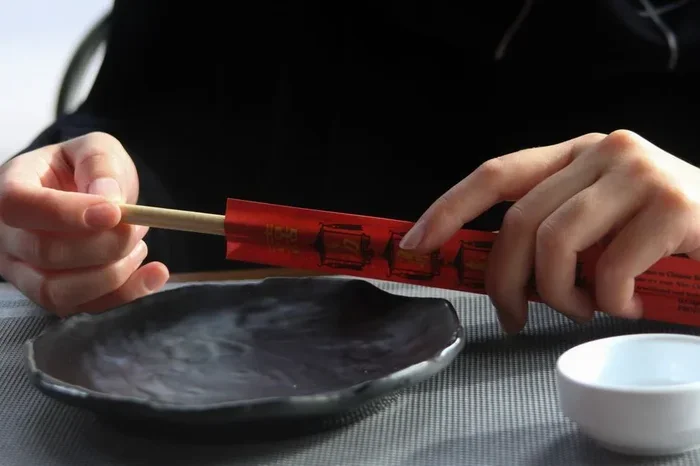
Follow these simple steps to get the basic hold:
- Pick up one chopstick and hold it between your thumb and index finger. Rest it on the side of your thumb. This chopstick stays still.
- Place the second chopstick between your middle and ring fingers. It should rest on your ring finger and move freely.
- Use your index finger to press down on the top chopstick. This opens and closes the grip.
- Keep your ring finger relaxed. It just supports the bottom chopstick.
- Your thumb should gently press forward to keep the top chopstick steady.
Think of it like holding a pencil. You are not squeezing hard. You are letting the top stick do the work while the bottom one stays put. This proper chopstick grip gives you the most control and precision.
Finding the Sweet Spot on the Chopsticks
Where you hold the chopsticks matters a lot. Most beginners grip too far down near the tips. This makes the sticks wobbly and hard to control. Instead, hold them around the upper third of the chopstick length.
That spot gives you better leverage. You can open and close the tips with small movements. It also keeps your hand from getting tired quickly. If you use wooden chopsticks or bamboo chopsticks, you will notice they have a slightly different feel than plastic or disposable chopsticks. The natural material might be a bit slippery, so a relaxed but firm grip works best.
Common Mistakes People Make When Holding Chopsticks
Almost everyone makes mistakes when learning how to hold chopsticks. The good news is these are easy to fix once you know what to look for. Here are the most common problems and how to solve them.
Gripping Too Tightly
This is the number one issue. New users squeeze the chopsticks like they are holding a stress ball. A tight grip causes your hand to cramp fast. It also makes the tips jitter, so food slips out more often.
Try this instead: imagine holding a small bird. You want it secure but not squeezed. Keep your hand loose and let the movement come from your fingers, not your fist.
Using the Wrong Finger Placement
Some people rest the bottom chopstick on their pinky finger. That is not wrong, but it limits movement. The standard method uses the ring finger as the resting point. This gives the middle finger more freedom to guide the top stick.
Another mistake is crossing the two chopsticks inside the hand. They should never touch each other except at the very tips when grabbing food. If they cross, you lose all control.
Not Letting the Bottom Chopstick Stay Still
The bottom chopstick acts as an anchor. Many beginners move both sticks, which makes picking up food feel chaotic. Focus on keeping the lower stick still. Only the top stick should move up and down. This simple change makes a huge difference in your chopstick skills.
Holding Chopsticks Too Far Apart
If you spread the sticks too wide, you cannot pinch food properly. The tips should stay close together when not in use. A good rule is to keep them about the width of a pencil held between your fingers. This narrow opening makes it easy to grab anything from noodles to cherry tomatoes.
How to Practice and Build Your Chopstick Skills
Like any skill, eating with chopsticks takes practice. You do not need fancy tools or special training. Just a little patience and some fun exercises will get you there fast.
Start With Paper Practice
Grab a few sheets of paper and cut them into small strips. Try picking them up with your chopsticks. Paper is light and tricky, so it forces you to use a gentle grip. Once you can pick up five strips in a row, you are on the right track.
Try the Marble or Bean Exercise
Fill a small bowl with marbles, beans, or small pieces of candy. Move them from one bowl to another using chopsticks. This builds finger strength and precision. It is also a fun challenge you can do while watching TV.
Practice With Real Food
Move on to easy foods first. Soft tofu cubes, small pieces of fruit, or cooked noodles work well. Avoid slippery foods like steamed eggs until you feel more confident. As your chopstick training improves, try harder items like sticky rice or bite-sized pieces of meat.
Set a Daily Practice Timer
Spend just five to ten minutes a day practicing. Consistency beats long sessions. You will notice real improvement within a week or two. Set a goal, like eating an entire meal with chopsticks, to push yourself a little more each day.
Quick Tip: If you are right-handed, practice holding chopsticks in your right hand even when doing other tasks. This builds muscle memory faster. Left-handed users should do the same with their dominant hand.
Choosing the Right Chopsticks for Your Hands
Not all chopsticks are created equal. The type you use affects how easy it is to learn how to hold chopsticks with proper technique. Here is a quick look at the most popular types and which ones work best for beginners.
Material Matters
The material you choose changes the grip feel. Here is a simple comparison:
| Material | Best For | Grip Feel |
|---|---|---|
| Wooden Chopsticks | Everyday use | Natural, slightly textured |
| Bamboo Chopsticks | Eco-friendly dining | Smooth, lightweight |
| Disposable Chopsticks | Travel and takeout | Light, sometimes slippery |
| Plastic Chopsticks | Kids and beginners | Smooth, easy to clean |
For beginners, wooden chopsticks or bamboo chopsticks offer the best grip. They have a natural texture that keeps food from sliding. Disposable chopsticks work in a pinch but can be uneven in shape. If you are still building chopstick skills, plain round chopsticks without ridges are easier to handle than carved ones.
Length and Thickness
Chopsticks come in different lengths. Longer ones give you more reach for big plates. Shorter ones fit better in smaller hands. Pick a pair that feels balanced when you hold them. If the tips feel too heavy, go for lighter material. If they feel flimsy, try a thicker pair.
Advanced Tips for Holding Chopsticks With Style
Once you have the basics down, you can take your chopstick technique to the next level. These tips help you look and feel more confident at any meal.
Master the Pinch for Noodles and Slippery Foods
Noodles need a different approach than solid foods. Instead of pinching, use a sweeping motion. Slide the chopsticks underneath the noodles and lift. This works great for dishes like ramen or stir-fried noodles. You can also wrap noodles around the sticks by rotating your wrist. It looks stylish and keeps everything on the fork end.
Use Both Chopsticks as One Tool for Rice
Eating rice with chopsticks can be tricky. The grains are small and tend to fall apart. Bring both chopstick tips together and scoop gently. Think of them as one spoon. You can also tilt the rice bowl toward you and use chopsticks to push a little rice onto them. This is common practice in many countries and shows good chopstick etiquette.
Hold Chopsticks at the Right Angle
The angle of your chopsticks affects control. Keep them at about a 30 to 45-degree angle from the table. Too flat and food slides off. Too vertical and you lose leverage. Find that sweet spot where the tips meet just above the food surface. Adjust as needed based on what you are picking up.
Rest Chopsticks Properly When Not Eating
When you take a break, never stick chopsticks upright in your food. This resembles incense at a funeral and is considered very unlucky in many cultures. Instead, lay them across your bowl or on the chopstick rest. This small detail shows respect and awareness of Asian dining customs.
Expert Insight: Professional chefs who train in Asian dining recommend practicing your grip for at least 15 minutes before each meal. Warm up your fingers by stretching them and doing a few opening and closing motions. This simple routine improves blood flow and makes your hold more natural. As one sushi chef from Tokyo once said, “Chopsticks are an extension of your fingers. Treat them gently, and they will respond beautifully.”
Taking Care of Your Chopsticks
Good chopsticks deserve proper care. If you use wooden chopsticks or bamboo chopsticks, wash them by hand after every meal. Do not leave them soaking in water for hours. Dry them completely before storing them to prevent mold. If you use disposable chopsticks, check for splinters before using them. Taking care of your tools keeps them performing well and extends their life.
For those who also care about food storage, knowing how to keep meals fresh matters too. You can learn more about how to store food without fridge to keep leftovers in great shape between meals. And if you ever cook meat dishes that pair well with chopsticks, check out this guide on how to tenderize meat naturally for some helpful tips that make your meals even better.
Key Takeaways for Perfect Chopstick Holding
Mastering how to hold chopsticks does not happen overnight. But with the right approach, anyone can get there. Here is a quick recap of the most important points:
- Use a relaxed grip. Squeezing too tight causes fatigue and poor control.
- Keep the bottom chopstick still. Only the top one should move.
- Practice daily for short sessions. Consistency builds muscle memory fast.
- Choose the right material. Wooden and bamboo chopsticks offer the best grip for beginners.
- Pay attention to angle and finger placement. Small adjustments make a big difference.
- Respect dining etiquette. Rest chopsticks properly and avoid sticking them in food.
Learning how to hold chopsticks with style and perfect technique is a rewarding journey. It connects you to a rich dining tradition and gives you a useful skill for life. Start with the basic grip, work through the common mistakes, and practice regularly. Before you know it, you will be picking up food with ease and confidence. So grab a pair of chopsticks, sit down, and start practicing. Your future self will thank you for it.
Frequently Asked Questions
What Is the Correct Way to Hold Chopsticks?
Hold the lower chopstick steady between your thumb and ring finger, resting it against your palm. Place the upper chopstick between your thumb and index finger, using your middle finger as a guide. Your grip should be relaxed, not tight, allowing the sticks to move freely.
How to Hold Chopsticks Properly for Beginners?
Start by resting the lower chopstick on the webbing between your thumb and index finger. Let the upper chopstick sit on your middle finger, pinched gently by your thumb and index finger. Practice opening and closing the tips without moving your wrist for the best control.
Why Does It Matter How You Hold Chopsticks?
Holding chopsticks correctly gives you precision and control when picking up food. A proper grip reduces hand fatigue and makes eating more comfortable over long meals. It also shows respect for dining etiquette in many Asian cultures.
What Are the Most Common Mistakes When Learning How to Hold Chopsticks?
Many beginners grip the sticks too tightly, which causes hand cramps and poor movement. Another common mistake is letting the upper chopstick do all the work instead of using both sticks together. Some people also rest the chopsticks too far back on their fingers, losing leverage and accuracy.
How Do You Hold Chopsticks When Using a Rest?
Place the chopsticks on the rest when you pause, with the tips pointing to the left if you are right-handed. Never leave your chopsticks sticking straight up in a bowl of rice, as this resembles a funeral ritual. When you resume eating, pick them up using the same grip you started with.
Can You Still Learn How to Hold Chopsticks If You Have Arthritis or Weak Grip?
Yes, you can adapt your grip to be gentler and more comfortable. Use lighter pressure and focus on letting the chopsticks do the work rather than squeezing them. Ergonomic training chopsticks with wider grips can also make the process much easier for people with joint pain.