Start by using cool, dry, and dark storage spaces—think root cellars, basements, or even well-insulated storage containers—to keep perishables safe without a fridge. Combine this with smart techniques like vacuum sealing, brining, and fermentation to extend shelf life, and always monitor temperature and humidity to prevent spoilage. With these strategies, you can keep a wide variety of foods fresh and delicious, even in the absence of refrigeration.
Key Takeaways
- Use cool, dark spaces: Store perishables in basements, cellars, or insulated boxes.
- Leverage fermentation: Make sauerkraut, kimchi, or pickles to preserve vegetables long‑term.
- Apply dehydration: Dry fruits, herbs, and meats to prevent spoilage without refrigeration.
- Utilize salt and sugar: Cure meats and preserve fruits by creating an inhospitable environment for microbes.
- Rotate stock regularly: Use older items first to avoid waste and maintain freshness.
- Invest in proper containers: Airtight jars, ceramic crocks, and waxed paper extend shelf life.
- Monitor temperature: Keep storage areas below 70°F (21°C) for optimal non‑fridge preservation.
📑 Table of Contents
- How to Store Food Without Fridge
- 1. Harness the Power of Coolers and Ice Packs
- 2. Create a DIY Root Cellar or Cool Storage Area
- 3. Preserve Food Through Drying, Smoking, and Canning
- 4. Store Foods in Airtight Containers and Vacuum‑Seal Them
- 5. Leverage Your Pantry and Kitchen for Long‑Term Storage
- 6. Use Fermentation and Pickling to Keep Foods Fresh
- Practical Examples and Tips for Everyday Use
- Data Table: Comparing Storage Methods
- Conclusion
How to Store Food Without Fridge
Have you ever found yourself in a situation where the fridge failed, the power went out, or you’re living in a tiny apartment that just doesn’t have a place for a full‑size fridge? Maybe you’re traveling, camping, or simply looking for ways to reduce electricity usage. Whatever the reason, the ability to keep food safe and tasty without a fridge is a skill worth mastering.
In this guide, I’ll share practical, tried‑and‑true methods to store food without a fridge. From coolers and root cellars to simple pantry tricks, you’ll learn how to keep vegetables crisp, preserve meats, and even enjoy fresh fruit for days on end. Let’s dive in and discover how you can store food without fridge and still enjoy delicious, fresh meals.
1. Harness the Power of Coolers and Ice Packs
Why Coolers Work
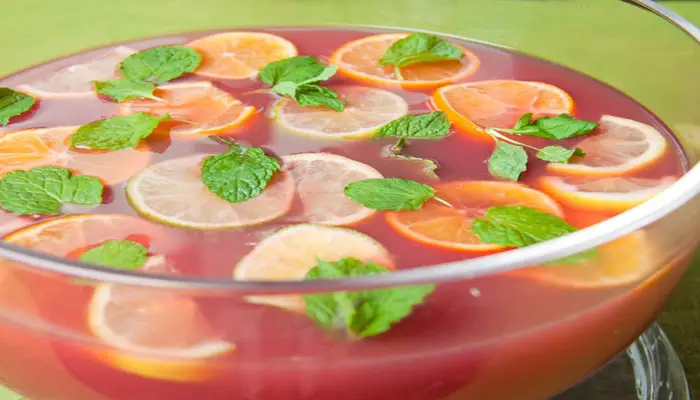
Coolers are the classic solution for short‑term storage. They keep food cold by trapping a layer of air around the contents and using ice or ice packs to absorb heat. The key is to keep the cooler closed as much as possible and to use high‑quality insulation.

Visual guide about food storage without fridge
Image source: publicdomainpictures.net
Choosing the Right Cooler
- Size matters: Pick a cooler that fits the volume of food you’ll need to store.
- Insulation type: Foam‑filled coolers hold ice longer than those with thinner insulation.
- Sealing: Coolers with airtight seals reduce heat transfer.
Practical Tips for Long‑Lasting Coolers
- Pre‑cool the cooler by placing a bag of ice inside for a few hours before loading food.
- Use dry ice for items that need to stay below 0 °C, such as frozen desserts.
- Group items by temperature needs: keep meat and dairy in the lowest compartment.
- Replace ice every 12–24 hours depending on ambient temperature.
Cooler Storage for Specific Foods
- Fresh fruit: Store apples and pears in a separate drawer to prevent ethylene gas from ripening other produce.
- Vegetables: Root veggies like carrots and potatoes thrive in a cool, dark cooler.
- Meat and fish: Keep in the lowest section; wrap tightly in foil or vacuum bags.
2. Create a DIY Root Cellar or Cool Storage Area
What is a Root Cellar?
A root cellar is a cool, dark, and humid space that naturally preserves root crops and other perishables. In modern homes, a small cellar can be built under a basement or in an attic using simple materials.
Visual guide about food storage without fridge
Image source: publicdomainpictures.net
Building a Small Root Cellar
- Location: Choose a spot that stays below 50 °F year‑round.
- Insulation: Use foam boards or insulated panels on the walls.
- Ventilation: Add a small vent to prevent mold.
- Humidity control: Line the floor with a damp towel or use a humidity pack.
Ideal Foods for Root Cellars
- Carrots, beets, turnips, and parsnips stay crisp.
- Potatoes, sweet potatoes, and onions keep their flavor.
- Apples and pears can be stored for weeks.
3. Preserve Food Through Drying, Smoking, and Canning
Drying as a Classic Preservation Method
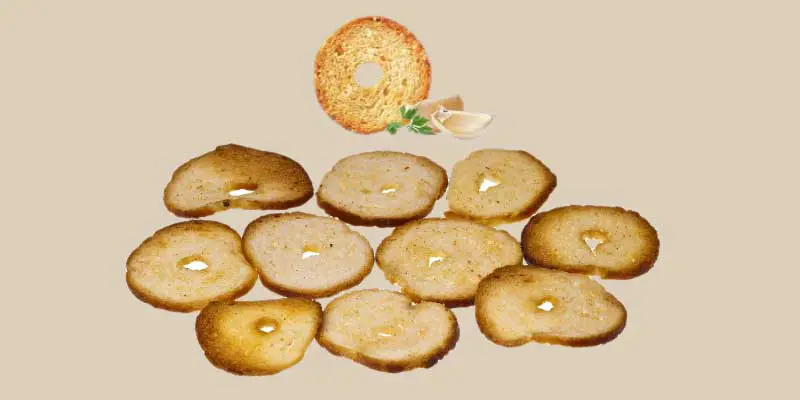
Drying removes moisture, preventing bacterial growth. Use a dehydrator, oven, or sun exposure in dry climates.
Visual guide about food storage without fridge
Image source: i0.hippopx.com
Smoking for Flavor and Preservation
Smoking adds an antimicrobial layer thanks to the compounds released from wood smoke. It’s perfect for fish, poultry, and even some vegetables.
How to Can Without a Pressure Cooker
If you don’t have a pressure cooker, you can still can foods safely using a pot canner. For example, how to can fresh peas without a pressure cooker is a great starting point. The process involves boiling jars, filling them, and then purging the air to create a vacuum seal.
Key Steps for Home Canning
- Use sterilized jars and lids.
- Follow tested recipes for low‑acid foods.
- Process in a pot canner for the recommended time.
- Check seals after cooling; any unsealed jars should be refrigerated.
4. Store Foods in Airtight Containers and Vacuum‑Seal Them
Why Airtight Matters
Airtight containers prevent oxygen from reaching food, which slows spoilage. Vacuum sealing takes this a step further by removing air entirely.
Choosing Containers
- Glass jars with silicone lids for long‑term storage.
- Plastic containers with airtight seals for short‑term use.
- Vacuum sealers for meats, fish, and even leafy greens.
Practical Uses
- Dry goods: Store grains, beans, and nuts in airtight containers to keep them fresh.
- Leftovers: Vacuum seal portions to extend their life.
- Spices: Keep herbs and spices aromatic by sealing them in airtight jars.
5. Leverage Your Pantry and Kitchen for Long‑Term Storage
Organizing a Small Kitchen Without a Pantry
Even if you lack a dedicated pantry, you can create a makeshift storage area. Use stackable bins, hanging racks, and under‑counter shelves.
Temperature‑Sensitive Foods
- Keep salt, sugar, and flour in sealed containers away from heat.
- Store spices in a cool, dark spot to preserve flavor.
- Use a cool drawer or a ceramic cooler for items that need a cooler environment.
Maximizing Shelf Life
- Rotate stock: use older items first.
- Check for moisture: dry grains and beans regularly.
- Label everything with purchase dates.
6. Use Fermentation and Pickling to Keep Foods Fresh
Fermentation Basics
Fermentation uses beneficial bacteria to preserve foods while adding unique flavors. Sauerkraut, kimchi, and fermented pickles are popular examples.
Pickling for Long‑Term Storage
Pickling immerses foods in brine and acidic solutions, creating an environment hostile to spoilage organisms.
How to Pickle Vegetables Without a Fridge
- Use sterilized jars and airtight lids.
- Prepare a vinegar or brine solution with salt.
- Boil jars for 10 minutes to sterilize.
- Fill jars with vegetables, pour brine, seal, and let sit in a cool, dark place.
Benefits of Fermented Foods
- Long shelf life without refrigeration.
- Improved digestion and gut health.
- Rich, complex flavors that enhance any meal.
Practical Examples and Tips for Everyday Use
- Fresh fruit on a weekend trip: Pack apples, oranges, and bananas in a cooler with ice packs to keep them crisp for several days.
- Camping meals: Use a small cooler for meats, and dry herbs and spices to flavor your dishes.
- Home canning project: Try how to can chicken soup without a pressure cooker for a hearty, shelf‑stable meal.
- Root cellar storage: Keep a stash of carrots and potatoes in a cool basement to last through winter.
Data Table: Comparing Storage Methods
| Method | Ideal Foods | Storage Duration | Energy Use |
|---|---|---|---|
| Cooler with ice packs | Meat, dairy, fresh produce | 1–3 days | Low (manual chill) |
| Root cellar | Root vegetables, potatoes, onions | Weeks to months | None (natural) |
| Canning (pot canner) | Low‑acid foods, soups, sauces | Years | Medium (boiling water) |
| Drying / dehydrating | Fruits, herbs, meats | Months | Low (solar or oven) |
| Vacuum sealing | Meat, fish, leftovers | 1–4 weeks | Low (manual or electric sealer) |
| Fermentation / pickling | Vegetables, fruits, eggs | Months | None (ambient) |
Conclusion
Storing food without a fridge may sound daunting, but with the right techniques, it’s entirely doable. From coolers and root cellars to canning and fermentation, there are plenty of ways to keep your food safe, tasty, and sustainable. Remember to keep your storage areas clean, monitor temperatures, and use airtight containers to maximize shelf life.
Whether you’re a camper, a small‑apartment dweller, or just looking to reduce your energy bill, these strategies will help you store food without fridge and enjoy fresh meals all year round. Happy storing!
Frequently Asked Questions
What are the best methods to store food without a fridge?
Traditional techniques like root cellaring, fermentation, drying, and canning are excellent for keeping food fresh without refrigeration. Each method suits different food types, so choose the one that matches the produce you have.
How long can fresh vegetables last when stored without a fridge?
Depending on the vegetable, storage times vary: root veggies like carrots and potatoes can last several weeks in a cool, dark place, while leafy greens may only stay fresh for a few days. Keeping them in breathable containers and away from moisture helps extend their shelf life.
Can I keep dairy products safely without a fridge?
Some dairy items, such as hard cheeses and cultured butter, can be stored at room temperature for short periods if kept in a cool, dry spot and wrapped tightly. For longer storage, consider fermenting milk into yogurt or cheese, which naturally preserves it.
How to store food without fridge during a power outage?
Use ice packs or blocks in insulated coolers to maintain low temperatures, and prioritize perishable items first. Additionally, move foods to a cooler part of the house, like a basement, and consume them within 24‑48 hours.
What are safe ways to preserve fruits without refrigeration?
Drying, making fruit leathers, or turning fruit into jams and preserves are reliable methods. Storing dried fruit in airtight containers with a desiccant packet can keep it fresh for months.
How to store food without fridge while camping or traveling?
Invest in a high-quality cooler or insulated bag, pack foods in vacuum‑sealed bags, and use ice substitutes like frozen water bottles. Pair these with non‑perishable items such as nuts, jerky, and dried grains for a balanced, safe diet.