This guide covers everything you need to know about cooking the perfect medium rare steak. You will learn the ideal internal temperature, the best cooking methods, and common mistakes to avoid. Whether you use a cast iron skillet or a grill, these tips will help you achieve a juicy steak with a beautiful pink center every single time.
There is something magical about a perfectly cooked medium rare steak. The moment you cut into it, the juices flow, the outside is crispy, and the inside is that perfect pink color. It is the kind of meal that makes any dinner feel special.
Whether you are a beginner in the kitchen or a seasoned home cook, mastering the medium rare steak is a skill worth developing. This guide will walk you through everything you need to know. From choosing the right cut to hitting the perfect steak temperature, you will find all the details here.
A great medium rare steak comes down to a few key factors. The right temperature, proper seasoning, and enough rest time make all the difference. In this article, we will cover each step in simple, easy-to-follow terms. By the end, you will feel confident cooking a juicy steak that rivals any restaurant.
Key Takeaways
- Target 130°F internal temperature: This is the sweet spot for a perfect medium rare steak with a juicy, pink center.
- Always use a meat thermometer: Visual cues can be misleading. A thermometer takes the guesswork out of cooking steak.
- Rest your steak for 5-7 minutes: Letting the steak rest redistributes the juices for a more flavorful bite.
- Pat the steak dry before seasoning: A dry surface creates a better crust and more flavorful sear.
- Choose the right cut: Ribeye, filet mignon, and New York strip all excel at medium rare doneness.
- Avoid pressing the steak with a spatula: Pressing squeezes out the juices and dries out your steak.
📑 Table of Contents
What Is a Medium Rare Steak?
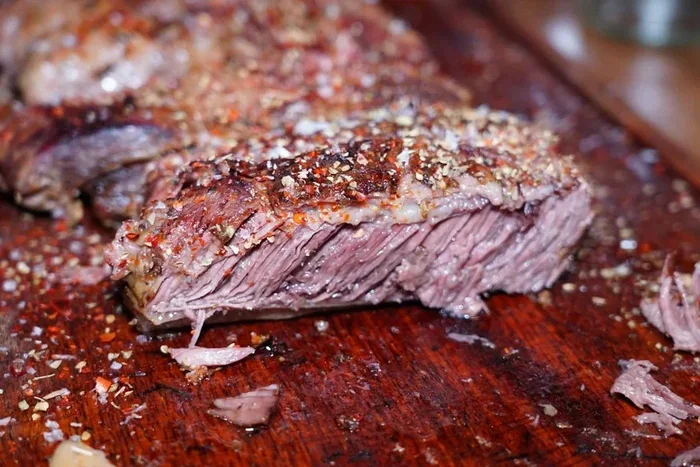
A medium rare steak is a steak cooked to an internal temperature of 130 to 135 degrees Fahrenheit. At this steak doneness level, the center is warm and pink with a slight red tint. The outside has a beautiful brown crust, while the inside remains tender and juicy.
The Internal Temperature
The internal temperature is the most important factor when cooking a medium rare steak. Use a meat thermometer inserted into the thickest part of the steak. This gives you the most accurate reading. The target range is 130 to 135 degrees Fahrenheit before resting. After resting, the temperature will rise about 5 degrees. This is called carryover cooking.
Here is a quick reference for steak doneness levels:
- Rare: 120 to 125°F — very red and cool in the center
- Medium Rare: 130 to 135°F — warm pink center
- Medium: 135 to 145°F — pink and slightly firm
- Medium Well: 145 to 155°F — slightly pink
- Well Done: 155°F and above — no pink at all
What Does Medium Rare Look Like?
A properly cooked medium rare steak has a distinct look. The outside should have a deep brown steak crust from searing. When you cut into it, the center should be pink and slightly firm. The edges will be a lighter pink, fading into the brown crust. The juicy steak should have visible moisture but not be bleeding or raw. The texture should feel like the fleshy part of your palm when you touch your thumb to your middle finger.
Why Medium Rare Is the Perfect Doneness
Many steak lovers agree that medium rare steak is the gold standard. It strikes the ideal balance between flavor, texture, and juiciness. Cooking a steak to this level brings out the best in the meat without drying it out.
The Flavor and Texture Balance
When you cook a steak to medium rare, the muscle fibers remain tender. The fat has enough heat to render but not melt away completely. This creates a rich, beefy flavor that is hard to beat. The pink center holds natural juices that keep every bite moist and satisfying.
Cooking a steak beyond medium rare starts to tighten the muscle fibers. This pushes out moisture and can make the steak feel dry. On the other hand, a rare steak may feel too soft and cool for some people. Medium rare hits the sweet spot where everything comes together.
Health and Safety Considerations
Some people worry about eating steak with a pink center. The United States Department of Agriculture considers medium rare steak safe when the surface is properly seared. The high heat kills bacteria on the outside. Since steak is a solid cut, bacteria do not penetrate the interior. However, if you are pregnant, elderly, or immunocompromised, you may want to cook your steak to a higher temperature. Always source high-quality meat from trusted butchers or suppliers.
Expert Insight
Chef and steak expert Michael Lomonaco says, “A medium rare steak is where you taste the true character of the beef. The fat is rendered enough to add richness, but the meat still has that beautiful, tender bite.”
How to Cook Medium Rare Steak on the Stovetop
The stovetop method is one of the most reliable ways to cook a medium rare steak at home. It gives you excellent control over heat and produces a fantastic crust. You do not need a fancy grill or outdoor setup. A simple pan and a few basic tools are all you need.
Choosing the Right Pan
A cast iron skillet is the best pan for searing steak. It holds heat incredibly well and distributes it evenly. If you do not have cast iron, a stainless steel pan works too. Avoid non-stick pans for steak. They do not get hot enough to create a proper crust. Make sure your pan is clean and dry before you start.
Step-by-Step Cooking Process
Follow these steps for a perfect medium rare steak on the stovetop:
- Take the steak out of the fridge 30 to 45 minutes before cooking. Let it come to room temperature. This helps it cook more evenly.
- Pat the steak dry with paper towels. A dry surface is essential for a great steak crust.
- Season generously with salt and freshly ground black pepper. You can also add garlic powder or your favorite steak seasoning.
- Heat the pan over high heat until it is very hot. Add a high-smoke-point oil like avocado oil or clarified butter.
- Place the steak in the pan and do not move it. Let it sear for 3 to 4 minutes on each side. This creates a deep brown crust.
- Check the internal temperature with a meat thermometer. Insert it into the thickest part. You want 130 to 135°F for medium rare.
- Let the steak rest on a cutting board for 5 to 7 minutes. This allows the juices to redistribute.
The entire process takes about 15 minutes from start to finish. The result is a restaurant-quality juicy steak right in your own kitchen.
How to Grill Medium Rare Steak
Grilling is a classic way to cook steak, and it adds a wonderful smoky flavor. Whether you use a gas grill or charcoal grill, the principles for achieving medium rare steak are the same. The key is managing heat and timing.
Direct Heat vs. Reverse Sear
The direct heat method works best for steaks that are at least one inch thick. Preheat your grill to high heat. Sear the steak for 3 to 4 minutes on each side. Then move it to a cooler part of the grill if needed to finish cooking. This method gives you a great steak crust and a pink center.
The reverse sear method is perfect for thicker cuts. Start by cooking the steak in a low oven at 250°F until it reaches 115 to 120°F internally. Then sear it on a hot grill or cast iron skillet for 1 to 2 minutes per side. This method gives you an even steak doneness from edge to edge. It is a favorite among steak enthusiasts who want perfect results every time.
Grill Temperature and Timing
For the direct heat method, preheat your grill to 450 to 500°F. For the reverse sear, keep the oven at 250°F. Here is a general timing guide for a one-inch thick steak:
- First side: 3 to 4 minutes on high heat
- Second side: 3 to 4 minutes on high heat
- Final check: Internal temperature of 130 to 135°F
Always remember that timing varies based on steak thickness, grill temperature, and the type of grill you use. The meat thermometer is your best friend here.
Best Steak Cuts for Medium Rare
Not all steaks are created equal when it comes to cooking medium rare. Some cuts shine at this doneness level more than others. The best cuts have a good balance of fat and lean meat. This combination creates flavor, juiciness, and a tender texture.
Ribeye Steak
The ribeye steak is often considered the king of medium rare steak. It has rich marbling throughout the meat. The fat melts during cooking and adds incredible flavor. A ribeye cooked to medium rare is juicy, tender, and full of beefy taste. It is the go-to cut for many steak lovers.
Filet Mignon
The filet mignon is the most tender cut of beef. It comes from the smaller end of the tenderloin. It has less fat than a ribeye, which makes it leaner. When cooked to medium rare, it has a buttery, delicate texture. Filet mignon is perfect for those who prefer a more refined steak experience. It pairs beautifully with sauces like red wine reduction or béarnaise.
New York Strip
The New York strip offers a great balance of flavor and tenderness. It has a moderate amount of marbling and a firm texture. Cooked to medium rare, it has a satisfying chew with a rich beef flavor. It is also known as a strip steak or shell steak. This cut is versatile and works well with simple seasonings or bold rubs.
Common Mistakes and Expert Tips
Even experienced cooks can make mistakes when preparing a medium rare steak. Knowing what to avoid is just as important as knowing the right technique. Here are the most common errors and how to fix them.
Skipping the Rest
One of the biggest mistakes is cutting into your steak right away. When you rest the steak, the juices inside redistribute. If you cut too soon, those juices run out onto the cutting board instead of staying in the meat. Always let your steak rest for at least 5 to 7 minutes after cooking. This simple step makes a huge difference in the final result.
Not Using a Meat Thermometer
Guessing the steak temperature is a recipe for disappointment. The color of the meat can be misleading, and touch tests are not always accurate. A digital meat thermometer is an inexpensive tool that removes all the guesswork. Invest in a good one, and your medium rare steak will be consistent every time you cook.
Starting with a Cold Steak
Cooking a steak straight from the refrigerator leads to uneven results. The outside may overcook while the inside stays cold. Always take your steak out 30 to 45 minutes before cooking. This lets it reach room temperature. The steak cooking process becomes much more even and predictable.
Over-Salting or Under-Salting
Salt is essential for a great steak, but timing matters. Salting too early can draw out moisture and make the surface wet. Salting too late means the seasoning does not penetrate the meat. The best approach is to salt your steak at least 40 minutes before cooking. This gives the salt time to work its magic and enhances the natural beef flavor.
Using the Wrong Oil
Not all oils can handle the high heat needed for searing a medium rare steak. Olive oil has a low smoke point and will burn. Use oils with high smoke points like avocado oil, grapeseed oil, or clarified butter. These oils can withstand the heat without smoking or creating off-flavors.
Pressing the Steak with a Spatula
It can be tempting to press down on the steak with your spatula. Resist this urge. Pressing squeezes out the juices and dries out the meat. Let the steak cook undisturbed. Trust the process and let the heat do the work.
Quick Tips for the Perfect Medium Rare Steak
- Always bring your steak to room temperature before cooking.
- Use a cast iron skillet or a screaming hot grill grate.
- Season with kosher salt and fresh cracked pepper at least 40 minutes before cooking.
- Sear for 3 to 4 minutes per side for a one-inch thick steak.
- Use a meat thermometer — 130 to 135°F is your target.
- Rest the steak for 5 to 7 minutes before cutting.
- Slice against the grain for maximum tenderness.
Final Thoughts on Cooking the Perfect Medium Rare Steak
Cooking a medium rare steak at home is easier than most people think. With the right cut, the right temperature, and a little practice, you can achieve restaurant-quality results in your own kitchen. The key is to be patient, use a meat thermometer, and never skip the rest.
Start with a good ribeye steak or New York strip if you are new to cooking steak. These cuts are forgiving and deliver amazing flavor at medium rare doneness. As you gain confidence, you can experiment with different cuts and methods like the reverse sear or sous vide steak techniques.
Remember that every steak is a little different. Thickness, starting temperature, and your specific equipment all play a role. The more you cook, the better you will get at reading your steak and knowing exactly when it is ready. Trust your senses, use the tools available to you, and most importantly, enjoy the process.
A perfectly cooked medium rare steak is one of life’s simple pleasures. It brings people together, makes any meal feel special, and fills your kitchen with an amazing aroma. So fire up your pan or grill, pick out a great cut, and give it a try. You will not regret it.
Frequently Asked Questions
Can you eat a medium rare steak if you are pregnant?
Most health experts advise pregnant women to avoid steak cooked to medium rare because of the risk of harmful bacteria like E. coli or salmonella on the surface. It is best to cook steak to at least medium or well done during pregnancy. Always consult your doctor if you are unsure about food safety during pregnancy.
How long should I let my steak rest after cooking?
A good rule of thumb is to rest your steak for 5 to 7 minutes for a standard one-inch thick cut. Thicker steaks may need 8 to 10 minutes. During this time, the internal juices redistribute and the steak resting temperature stabilizes. Do not skip this step, as it makes a big difference in the final bite.
What is the difference between medium rare and medium steak?
The main difference is the internal temperature and the color of the center. A medium rare steak has an internal temperature of 130 to 135°F with a warm pink center. A medium steak reaches 135 to 145°F with a mostly pink center that is slightly firmer. The texture and juiciness also differ, with medium rare being the juiciest option.
Can I cook a frozen steak to medium rare?
Yes, but it takes longer and requires more attention. The reverse sear method works well for frozen steaks. Start by cooking the steak in a low oven at 250°F until it reaches 115°F internally. Then sear it on a hot pan or grill. Use a meat thermometer to make sure you hit the right steak temperature. Avoid cooking a frozen steak using only the stovetop method, as it can lead to uneven cooking.
Is medium rare steak safe to eat?
For most healthy adults, a medium rare steak is safe to eat. The high heat used during searing kills bacteria on the surface of the steak. Since steak is a solid cut of meat, bacteria do not typically penetrate the interior. However, people with weakened immune systems, young children, and older adults should cook steak to a higher doneness level for safety.
What is the best seasoning for a medium rare steak?
Simple is often best. Kosher salt and freshly cracked black pepper are all you need for a great medium rare steak. Some cooks like to add garlic powder, onion powder, or a touch of smoked paprika. You can also use a pre-made steak seasoning blend. Just avoid seasoning with too much sugar, as it can burn during the high-heat sear. Apply your seasoning at least 40 minutes before cooking for the best flavor absorption.