
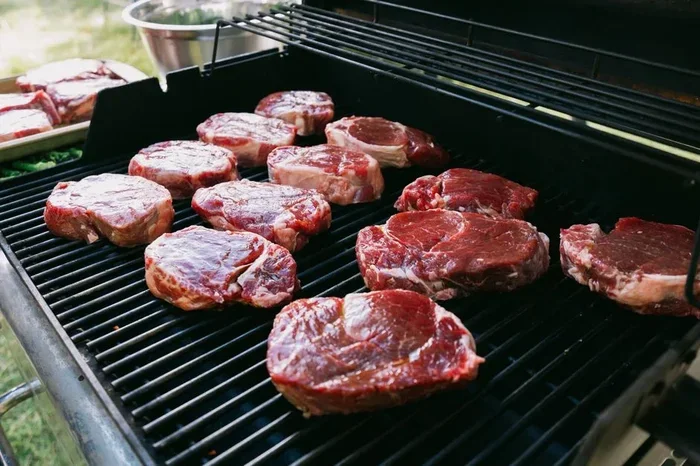
The quickest way to tenderize steak is by using a meat mallet to physically pound the fibers thin, which takes just minutes. You can also use acidic marinades like vinegar or citrus, or enzymatic tenderizers from pineapple and kiwi. Proper slicing against the grain after cooking is equally important for that melt-in-your-mouth texture. These methods work for any beef cut and require no special equipment.
There is nothing more disappointing than biting into a tough, chewy steak when you were expecting a juicy, tender bite. Whether you are grilling for a weekend barbecue or cooking a quick weeknight dinner, tenderizing your steak properly makes all the difference. The good news is that you do not need hours of marinating or fancy kitchen gadgets to get great results.
The quickest way to tenderize steak involves a few simple techniques you can start using right away. From physically pounding the meat to using natural acids and enzymes, each method targets the muscle fibers that make steak tough. In this guide, we will walk you through every fast and effective approach so your steak turns out perfect every single time.
Key Takeaways
- Pounding with a meat mallet is the fastest physical method to break down tough steak fibers in minutes.
- Acidic marinades using citrus, vinegar, or yogurt chemically soften meat quickly and add flavor.
- Enzymatic tenderizers from fruits like pineapple and kiwi offer a natural and effective shortcut.
- Dry salting ahead of cooking draws out moisture and helps create a tender, juicy crust.
- Slicing against the grain after cooking is essential for the perception of tenderness.
- Resting your steak after cooking keeps juices locked in for a better eating experience.
- Choosing the right cut and thickness makes tenderizing much easier and more effective.
📑 Table of Contents
- Why Steak Becomes Tough in the First Place
- The Fastest Method: Pounding With a Meat Mallet
- Using Acidic Marinades for Quick Tenderization
- Enzymatic Tenderizers: Nature’s Secret Weapon
- Dry Salting: The Simple Method That Works Wonders
- Slicing Against the Grain: The Final Step That Makes All the Difference
- Common Mistakes People Make When Tenderizing Steak
- How to Store Leftover Tenderized Steak
- Final Thoughts on Tenderizing Steak the Quick Way
Why Steak Becomes Tough in the First Place
Understanding why steak gets tough helps you pick the right tenderizing method. Muscle fibers in beef run in long, tight bundles. When these fibers are not broken down, they resist your teeth and feel chewy. The connective tissue called collagen also plays a big role. In lean cuts with less fat, collagen holds the muscle together tightly, making the steak harder to chew.
Several factors affect how tough a steak feels. The cut of beef matters a lot. Cuts from hardworking muscles like the shoulder or leg contain more connective tissue than tender cuts from the rib or loin. Cooking temperature and time also matter. High heat without proper rest can tighten the fibers and squeeze out moisture. Steak thickness plays a role too. Thin cuts cook fast and can easily become overdone, while thick cuts need more careful handling.
The good thing is that all of these issues can be addressed with quick tenderizing techniques. You do not need to be a professional chef to get restaurant-quality tenderness at home. The methods below are simple, fast, and backed by cooking science.
The Fastest Method: Pounding With a Meat Mallet
If you want the quickest way to tenderize steak, physical pounding is the answer. This method works by mechanically breaking the long muscle fibers into shorter pieces. The result is a steak that is thinner, more uniform, and much easier to chew. You can pound a steak in under five minutes, making it ideal for busy weeknights.
How to Pound Steak Properly
Start by placing your steak between two sheets of plastic wrap. This prevents the meat from sticking to the mallet and keeps your workspace clean. Using a meat mallet with a textured side, begin tapping from the center of the steak and work your way outward. Apply even pressure and flip the steak over to pound both sides. You want the steak to be about half its original thickness for the best results.
Do not use a regular kitchen hammer or a heavy object. A proper meat mallet has a broad flat side and a textured side. The textured side is great for tougher cuts because it further tears the fibers. If you do not have a meat mallet, a rolling pin or even the bottom of a heavy pan can work in a pinch.
Quick tip: Always pound cold steak straight from the fridge. Cold meat is firmer and easier to control. Warm meat will tear unevenly and can become mushy. This is one of the most underrated steak preparation tips that home cooks overlook.
Best Cuts for Pounding
Not all steaks respond equally to pounding. Flank steak, skirt steak, and hanger steak benefit the most because they come from heavily used muscles with dense fibers. These cuts are naturally flavorful but can be chewy if not tenderized. Pounding them thin transforms their texture completely.
Ribeye and strip steak are already naturally tender and do not need much pounding. If you do pound these cuts, use a light touch. You want to loosen the fibers, not destroy the meat’s natural structure. A gentle few taps on each side is enough.
Using Acidic Marinades for Quick Tenderization
Acids are one of the most effective ways to soften steak fibers quickly. The acid breaks down the proteins on the surface of the meat, creating a more tender texture. Unlike pounding, which changes the structure physically, acidic marinades work on a chemical level. This method is especially useful when you have a bit more time, even just 30 minutes.
Best Acids to Use
Citrus juices like lemon and lime are excellent choices. They contain citric acid that penetrates the meat fast. Vinegar, especially apple cider vinegar and white wine vinegar, also works well. Yogurt and buttermilk contain lactic acid, which is gentler but still effective. These dairy-based acids also add a creamy flavor that pairs beautifully with grilled steak.
Here are some quick marinade ideas you can whip up in minutes:
- Lemon and olive oil: Fresh lemon juice, olive oil, garlic, and salt. Perfect for flank steak.
- Vinegar and soy sauce: Apple cider vinegar, soy sauce, sesame oil, and a touch of honey. Great for skirt steak.
- Yogurt and spices: Plain yogurt, cumin, paprika, and ginger. Excellent for tougher cuts.
How Long to Marinate for Best Results
The beauty of acidic marinades is that they work fast. You do not need to marinate overnight. A 30-minute marinade is often enough to noticeably soften a steak. For thicker cuts, you can go up to two hours. However, do not exceed four hours with strong acids like lemon juice or vinegar. Over-marinating can make the surface of the meat mushy and mealy.
If you are short on time, even a 15-minute dip in a simple acid mixture makes a difference. The key is to coat the entire steak evenly and let it sit at room temperature. This keeps the meat from shocking the cold fibers when it hits the heat of the pan or grill.
Enzymatic Tenderizers: Nature’s Secret Weapon
Enzymes are nature’s way of breaking down proteins, and certain fruits are packed with them. This is one of the most effective quick steak tenderizing methods that home cooks rarely take advantage of. The enzymes in these fruits target the collagen and muscle fibers in beef, softening them without any physical effort.
Fruits That Naturally Tenderize Meat
Papaya contains an enzyme called papain that is so effective it is used in commercial meat tenderizers. Pineapple contains bromelain, which is a powerful protein-digesting enzyme. Kiwi has actinidin, and figs contain ficin. All of these fruits can tenderize steak quickly and naturally.
To use this method, simply mash a small piece of the fruit into a paste. Rub it onto the steak and let it sit for 15 to 30 minutes. The enzymes go to work immediately. After the time is up, rinse the steak thoroughly and pat it dry before cooking. This prevents the fruit from making the surface too soft or discolored.
Expert insight: Canned pineapple works even better than fresh for tenderizing because the canning process activates the bromelain enzyme. If you have canned pineapple juice on hand, brush a thin layer onto your steak for a quick tenderizing boost. This technique is closely related to the principles covered in tenderizing meat naturally, which explores more fruit-based approaches.
Be careful With Enzymatic Marinades
While enzymes are powerful, they can also go too far. Leaving a fruit-based marinade on steak for too long turns the surface into a mushy texture. This is because the enzymes keep breaking down the proteins unchecked. Stick to the 15-to-30-minute window for best results. If you are using a thick cut, you can extend it slightly, but always check the texture after 30 minutes.
Dry Salting: The Simple Method That Works Wonders
Do not underestimate the power of good old salt. Dry salting, also known as dry brining, is one of the simplest and most effective ways to improve steak tenderness. The salt draws moisture out of the meat through osmosis, and then that moisture gets reabsorbed along with the salt. This process breaks down some of the muscle proteins and helps the steak retain juiciness during cooking.
To dry salt your steak, simply sprinkle coarse kosher salt generously on all sides. Place the steak on a wire rack over a plate and let it sit in the fridge for at least 40 minutes. For even better results, leave it uncovered for up to 24 hours. The longer it sits, the more the salt works its magic on the fibers.
This method is especially effective for thicker cuts like ribeye and New York strip. It also creates a beautiful crust when you sear the steak because the salt draws moisture to the surface, which evaporates quickly in high heat. The result is a juicy, flavorful steak with minimal effort.
Slicing Against the Grain: The Final Step That Makes All the Difference
Even after you tenderize your steak perfectly, how you slice it matters just as much. The muscle fibers in steak run in long parallel lines, which is what we call the grain. Cutting across these fibers, rather than parallel to them, shortens each piece and makes the steak feel much more tender in your mouth.
To find the grain, look closely at the cooked steak. You will see lines or streaks running through the meat. Use a sharp kitchen knife to slice perpendicular to these lines. For flank steak and skirt steak, the grain is very visible and easy to spot. For thicker cuts like ribeye, the grain may be less obvious, so take a moment to examine the meat before slicing.
This step is so important that it can make even a modestly tenderized steak feel like a premium cut. Always slice against the grain, and cut the pieces to about a quarter-inch thick for the most tender bite. This is a technique also emphasized in making beef stew meat tender on the stove, where cutting small against the grain is key to a great result.
Common Mistakes People Make When Tenderizing Steak
Even with the best intentions, many home cooks make mistakes that undo their tenderizing efforts. Avoiding these pitfalls will help you get better results every time.
- Over-marinating with acid: Too much acid for too long turns the surface of the steak mushy and gray. Stick to 30 minutes for strong acids.
- Pounding too aggressively: You want to loosen the fibers, not turn the steak into ground meat. Gentle, even taps work best.
- Skipping the rest after cooking: Cutting into a steak immediately causes all the juices to run out. Let it rest for at least five minutes.
- Using a dull knife to slice: A dull knife tears the fibers instead of cutting them cleanly, making the steak feel tougher.
- Not seasoning early enough: Salt needs time to penetrate the meat. Adding it right before cooking gives it no time to work.
By steering clear of these mistakes, you will notice a dramatic improvement in the texture and flavor of your steak. Each tip is simple to follow and does not require any extra time or equipment.
How to Store Leftover Tenderized Steak
If you have leftover steak after your meal, storing it properly keeps it juicy and safe to eat. The best method is to wrap the steak tightly in plastic wrap or place it in an airtight container. Refrigerate it within two hours of cooking. Properly stored cooked steak stays good for three to four days in the fridge.
For longer storage, you can freeze leftover steak. Wrap it in freezer-safe plastic and then in aluminum foil to prevent freezer burn. Frozen cooked steak keeps well for up to three months. When you are ready to eat it, reheat gently in a skillet over low heat or in the microwave at half power to keep the texture as close to fresh as possible.
For more detailed guidance on keeping beef fresh, check out our guide on how to store beef. It covers everything from raw storage to leftover handling so your steak stays delicious longer.
Final Thoughts on Tenderizing Steak the Quick Way
The quickest way to tenderize steak does not have to be complicated. Whether you choose to pound it with a meat mallet, soak it in an acidic marinade, use fruit enzymes, or simply dry salt it ahead of time, each method delivers real results in minutes. The key is to combine your chosen tenderizing method with proper slicing against the grain and letting the steak rest after cooking.
These techniques work for every budget and every skill level. You do not need expensive equipment or hard-to-find ingredients. A simple mallet, some lemon juice, or a handful of salt is all it takes to transform a tough cut into a tender, juicy masterpiece. Start with one method and practice it until it becomes second nature. Soon, you will be able to tenderize any steak in minutes and impress everyone at your table.
Remember, great steak starts before it hits the heat. Take those extra few minutes to prepare your meat properly, and the results will speak for themselves. Your steaks will be juicier, more flavorful, and noticeably more tender than anything you have made before.
Frequently Asked Questions
Can I tenderize steak without a meat mallet?
Yes, you can use a rolling pin, the bottom of a heavy pan, or even a ziplock bag and a heavy object to pound your steak. The goal is to break down the muscle fibers evenly. You can also use acidic marinades or enzymatic fruit pastes as chemical alternatives to physical pounding.
How long should I marinate steak for the best tenderness?
For acidic marinades, 30 minutes to 2 hours is the sweet spot. Longer marinating with strong acids like vinegar or lemon juice can make the meat mushy. Enzymatic marinades from fruits like pineapple work best in 15 to 30 minutes. Dry salting can be done up to 24 hours ahead for deeper penetration.
Does pounding steak make it more juicy?
Pounding itself does not add juiciness, but it does create a thinner, more evenly cooked steak that retains moisture better. Thinner steaks cook more evenly, which means less overcooked, dry edges. Combined with proper resting after cooking, pounded steaks tend to feel juicier overall.
Which steak cuts benefit most from tenderizing?
Flank steak, skirt steak, hanger steak, and chuck steak benefit the most because they come from heavily used muscles with dense fibers. Tender cuts like ribeye and filet mignon are already naturally tender and only need light treatment if any.
Can I use fruit juice instead of fresh fruit for enzymatic tenderizing?
Fresh fruit is more effective because the enzymes are active and concentrated. However, pineapple juice and papaya juice can work in a pinch. Canned pineapple juice is actually a great option because the canning process activates the bromelain enzyme, making it even more potent.
Is it better to tenderize steak before or after cooking?
Tenderizing before cooking is almost always better. Physical methods like pounding and chemical methods like marinating need time to work on the raw meat fibers. Slicing against the grain after cooking is the one exception, as it is the final step that affects how the steak feels in your mouth.
=== CONCLUSION ===
The quickest way to tenderize steak is within your reach with these simple, proven methods. Pounding with a meat mallet gives you instant results in under five minutes. Acidic marinades and fruit enzymes work their magic in 15 to 30 minutes. Dry salting ahead of time adds depth of flavor and tenderness without any extra effort. And always remember to slice against the grain and let your steak rest after cooking.
These techniques are easy to learn and even easier to make a habit. Once you see the difference in your steak, you will never skip the tenderizing step again. Start tonight, pick your favorite method, and enjoy a perfectly juicy steak that rivals your favorite restaurant.



