
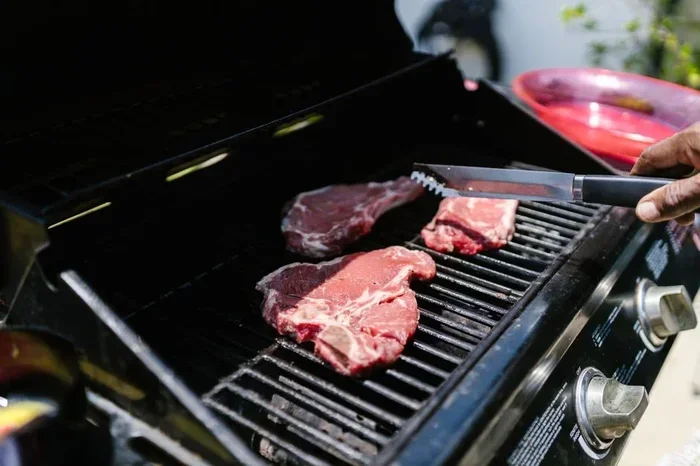
Cooking filet mignon to medium rare temp is the gold standard for a juicy, tender steak. The ideal internal temperature is 130 to 135 degrees Fahrenheit, giving you a pink center with a beautiful sear. This guide covers everything from grilling and pan searing to resting times and common mistakes. Whether you are a beginner or a seasoned home cook, you will master the perfect steak every time.
There is something magical about a perfectly cooked filet mignon. The tender, buttery texture and the pink center make it one of the most beloved cuts of beef. But getting that perfect bite comes down to one thing: temperature. Whether you are grilling for a special dinner or cooking a weeknight meal, knowing your filet mignon medium rare temp is the difference between a great steak and a forgettable one.
Many home cooks struggle with steak temperatures. They guess, they guess again, and end up with a steak that is either too rare or overcooked. This guide solves that problem. We will walk you through the exact temperatures, techniques, and tips you need to cook filet mignon to medium rare perfection every single time.
Key Takeaways
- Target Temp: The ideal filet mignon medium rare temp is 130 to 135 degrees Fahrenheit for a perfectly pink center.
- Use a Thermometer: A digital meat thermometer is the only reliable way to hit the right doneness every time.
- Rest Your Steak: Always rest your filet mignon for 5 to 10 minutes after cooking to lock in the juices.
- Sear First: A hot cast iron skillet or grill gives you a beautiful crust while keeping the inside tender.
- Avoid Common Mistakes: Overcooking, skipping the rest, and not bringing steak to room temp are the top errors to avoid.
- Sharpen Your Knife: A sharp knife makes slicing easier and keeps your steak looking restaurant-quality. Learn how in our guide on sharpening a filet knife.
📑 Table of Contents
- What Is the Ideal Filet Mignon Medium Rare Temp?
- How to Cook Filet Mignon to Medium Rare
- Why Resting Your Steak Matters
- Common Mistakes to Avoid When Cooking Filet Mignon
- Expert Tips for the Perfect Filet Mignon Every Time
- Pairing Suggestions for Your Medium Rare Filet Mignon
- Frequently Asked Questions
- Conclusion
What Is the Ideal Filet Mignon Medium Rare Temp?
The medium rare temperature for filet mignon is 130 to 135 degrees Fahrenheit. At this range, the steak has a warm pink center that is juicy and tender. The outside has a beautiful sear, and the inside feels soft when you press it with your finger.
Why Medium Rare Is the Sweet Spot
Filet mignon is a lean cut from the beef tenderloin. Because it has less fat than other steaks, it cooks faster and can dry out quickly. Medium rare keeps the meat moist and flavorful without crossing into the territory of dryness. Most chefs and steak lovers agree that 130 to 135 degrees is the sweet spot for this cut.
The USDA recommends cooking beef to at least 145 degrees for safety. However, many steak enthusiasts prefer the taste and texture of medium rare. If you are concerned about food safety, make sure to source high-quality beef and follow proper handling practices.
The Steak Temperatures Chart
Here is a quick reference chart for cooking filet mignon to different levels of doneness:
- Rare: 120 to 125 degrees Fahrenheit — cool red center
- Medium Rare: 130 to 135 degrees Fahrenheit — warm pink center
- Medium: 135 to 145 degrees Fahrenheit — pink center with some gray
- Medium Well: 145 to 155 degrees Fahrenheit — slight pink hint
- Well Done: 155 degrees and above — little to no pink
For the best results with filet mignon, aim for medium rare. This temperature preserves the natural tenderness and juiciness of the meat.
How to Cook Filet Mignon to Medium Rare
Cooking filet mignon to the right medium rare temp is easier than you think. You do not need fancy equipment or years of experience. A few simple steps and a reliable thermometer are all you need.
Method 1: Pan Sear on the Stovetop
Pan searing is one of the most popular methods for cooking filet mignon. It gives you a crispy, golden crust while keeping the inside perfectly pink.
Here is how to do it:
- Take your filet mignon out of the fridge 30 to 45 minutes before cooking. Let it reach room temperature for even cooking.
- Pat the steak dry with a paper towel. Dry surfaces sear better.
- Season generously with salt and pepper on both sides.
- Heat a cast iron skillet over high heat until it is smoking hot.
- Add a high smoke point oil like avocado or grapeseed oil.
- Place the steak in the pan and do not touch it for 3 to 4 minutes. Let it develop a deep brown crust.
- Flip the steak and cook for another 2 to 4 minutes depending on thickness.
- Use a digital meat thermometer to check the internal temp. Pull the steak at 125 to 130 degrees for carryover cooking.
For extra flavor, try butter basting. Add a knob of butter, crushed garlic, and fresh thyme to the pan during the last two minutes. Spoon the melted butter over the steak repeatedly. This technique adds richness and a restaurant-quality finish.
Method 2: Grill the Filet Mignon
Grilling filet mignon adds a smoky flavor that is hard to beat. Follow these steps for a perfect grill result:
- Preheat your grill to high heat (about 450 to 500 degrees).
- Oil the grates to prevent sticking.
- Sear the steak over direct heat for 3 to 4 minutes per side.
- Move the steak to a cooler part of the grill if it is cooking too fast.
- Use a meat thermometer to monitor the internal temperature.
- Remove the steak when it reaches 125 to 130 degrees for a perfect medium rare finish.
Grilling works especially well for thicker cuts of filet mignon. The high heat creates a great crust, and the controlled heat zone lets you finish cooking gently.
Method 3: Sous Vide for Precision
If you want absolute precision, sous vide is the way to go. This method cooks the steak in a water bath at a precise temperature, guaranteeing a consistent medium rare result from edge to edge.
- Season the filet mignon and place it in a vacuum-sealed bag.
- Set your sous vide machine to 130 degrees Fahrenheit.
- Cook for 1 to 2 hours for a 1 to 2-inch thick steak.
- Remove the steak and pat it dry.
- Sear in a blazing hot cast iron skillet for 30 to 60 seconds per side.
The sous vide method eliminates guesswork entirely. You get a uniformly pink center every time. It is a game changer for steak lovers who want consistency.
Why Resting Your Steak Matters
One of the most overlooked steps in cooking filet mignon is resting. Many people skip it and wonder why their steak is not as juicy as it should be. Resting is not just a suggestion. It is a critical step.
When you cook a steak, the juices inside get pushed toward the center by the heat. If you cut into it right away, all those juices run out onto the cutting board. The result is a dry, less flavorful steak. Resting allows the juices to redistribute throughout the meat.
Here is what to do:
- Remove your filet mignon from the heat when it is 5 degrees below your target temp.
- Place it on a warm plate or cutting board.
- Tent it loosely with aluminum foil.
- Let it rest for 5 to 10 minutes for a standard steak.
- After resting, the internal temp will rise 5 to 10 degrees from carryover cooking, landing perfectly in the medium rare range.
Think of resting as the final step that ties everything together. It takes only a few minutes but makes a huge difference in the final result.
Common Mistakes to Avoid When Cooking Filet Mignon
Even experienced cooks make mistakes. Knowing what to avoid will save you from a disappointing steak dinner. Here are the most common errors and how to fix them.
Starting with a Cold Steak
Cooking a cold steak straight from the fridge leads to uneven cooking. The outside overcooks while the inside stays too cold. Always take your filet mignon out at least 30 minutes before cooking. This simple step ensures even heat distribution and a better result.
Skipping the Thermometer
guessing the temp by touch or time is risky. Every steak is different in thickness and starting temperature. A digital instant-read thermometer is your best friend in the kitchen. It takes the guesswork out and gives you confidence. You can find reliable thermometers at most kitchen supply stores or online.
Cutting Too Early
We mentioned resting, but it bears repeating. Cutting into your steak too early releases all the hard-earned juices. Be patient. Wait those 5 to 10 minutes and you will be rewarded with a juicier, more flavorful bite.
Over-Searing or Burning
A good sear adds flavor, but burning the crust creates bitter, acrid flavors. Keep your heat high but not so high that the butter or oil smokes excessively. Watch your steak carefully during the final minutes of cooking.
Not Sharpening Your Knife
A dull knife tears the meat instead of slicing it cleanly. This affects both the look and the texture of your steak. Keeping your knives sharp makes a real difference. Check out our guide on how to sharpen a filet knife for tips that will transform your slicing experience.
Choosing the Wrong Cut
Not all filet mignon is created equal. Look for cuts with a uniform thickness and a bright red color. Avoid steaks with excessive gray or brown spots. Quality matters, and choosing the right piece of meat sets you up for success from the start.
Expert Tips for the Perfect Filet Mignon Every Time
Want to take your filet mignon game to the next level? Here are some expert tips that make a noticeable difference.
- Dry brine overnight: Salt your steak the night before and leave it uncovered in the fridge. This draws out moisture, which gets reabsorbed, creating a more seasoned and juicier steak.
- Use a cast iron skillet: Cast iron holds heat incredibly well and provides an even, consistent sear that is hard to replicate with other pans.
- Let the steak speak for itself: Filet mignon has a delicate, beefy flavor. Keep your seasoning simple. Salt, pepper, and a touch of garlic are all you need.
- Baste with compound butter: A mix of softened butter, minced garlic, fresh herbs, and a pinch of salt adds incredible richness. Baste during the last minute of cooking for a restaurant-quality finish.
- Slice against the grain: When serving, cut perpendicular to the muscle fibers. This makes each bite more tender and easier to chew.
Pairing Suggestions for Your Medium Rare Filet Mignon
A great steak deserves great sides. Here are some pairing ideas that complement the rich, buttery flavor of medium rare filet mignon.
Best Side Dishes
- Crispy roasted potatoes: Seasoned with rosemary, garlic, and a drizzle of olive oil.
- Grilled asparagus: A simple squeeze of lemon brings out the fresh flavor.
- Creamy mashed potatoes: The classic pairing that never disappoints.
- Garlic butter mushrooms: Sautéed in the same pan after you remove the steak for extra flavor.
- Simple green salad: A light arugula salad with a tangy vinaigrette balances the richness of the steak.
Wine Pairings
A bold red wine pairs beautifully with filet mignon. Consider a Cabernet Sauvignon, a Malbec, or a smooth Pinot Noir. The tannins in red wine complement the beef and enhance the overall dining experience.
Frequently Asked Questions
What is the best internal temp for filet mignon medium rare?
The best internal temperature for filet mignon medium rare is 130 to 135 degrees Fahrenheit. This range gives you a warm, pink center that is juicy and tender. Always use a digital meat thermometer for the most accurate reading.
How long should I cook a 2-inch filet mignon for medium rare?
For a 2-inch thick filet mignon, cook about 4 to 5 minutes per side in a hot cast iron skillet. The exact time depends on your stove and pan, so always check the internal temp with a thermometer. Pull the steak at 125 degrees and let it rest to reach the perfect medium rare temp.
Can I cook filet mignon from frozen?
You can, but it is not recommended for best results. Cooking from frozen leads to uneven cooking and a higher chance of overcooking the outside before the inside is done. Thaw your steak in the fridge overnight for the most even and juicy result.
How do I know when my steak is medium rare without a thermometer?
The touch test can give you a rough idea. Press the center of your palm with your thumb and index finger. The firmness should feel similar to the fleshy area of your palm when you touch your thumb to your index finger. However, a meat thermometer is always more reliable and takes the guesswork out.
Is medium rare safe to eat?
For most healthy adults, medium rare steak is safe when the meat is fresh and properly handled. The USDA recommends 145 degrees for whole cuts of beef, but many food experts consider 130 to 135 degrees safe for high-quality, fresh beef. Always source your meat from reputable suppliers and store it properly.
What is carryover cooking and how does it affect filet mignon?
Carryover cooking is the rise in internal temperature that continues after you remove the steak from the heat. A thick filet mignon can rise 5 to 10 degrees during resting. This is why you should pull the steak off the heat a few degrees below your target medium rare temp. It ensures the final result lands perfectly in the 130 to 135 degree range.
Conclusion
Mastering the filet mignon medium rare temp is a skill that elevates your home cooking to restaurant quality. The sweet spot of 130 to 135 degrees Fahrenheit delivers a steak that is juicy, tender, and full of flavor. With the right techniques, a reliable thermometer, and a little patience, you can consistently cook the perfect filet mignon every time.
Remember to bring your steak to room temperature, sear it in a hot pan, and always let it rest before serving. Avoid common mistakes like starting with a cold steak or cutting too early. And keep your knives sharp for clean, beautiful slices. With these tips in your kitchen arsenal, you are well on your way to becoming the go-to steak chef at your dinner table.



