
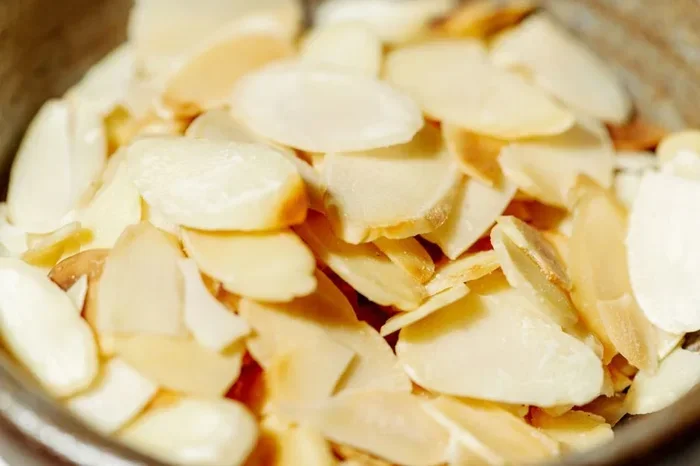
So, are almonds low histamine? The short answer is yes — fresh, raw almonds are generally considered a low histamine food and are well tolerated by most people following a low histamine diet. However, almond histamine levels can change depending on how they are processed, stored, or aged. If you have histamine intolerance or a suspected almond allergy, understanding how almonds interact with your body is essential for managing histamine symptoms and maintaining good gut health.
Are almonds low histamine? This is one of the most common questions people ask when they start exploring a low histamine diet. If you have been dealing with unexplained headaches, digestive issues, or skin flare-ups, you might suspect that certain foods are triggering a histamine reaction in your body. Almonds are a popular snack and a staple in many healthy eating plans. But if you are sensitive to histamine levels, even healthy foods can become a problem.
In this guide, we will break down everything you need to know about almonds and histamine. We will look at the science behind histamine intolerance, explain how almonds affect your body, and give you practical tips for enjoying them safely. Whether you are new to the low histamine diet or you have been managing it for years, this article will help you make informed choices.
Key Takeaways
- Fresh almonds are low in histamine: Raw, unprocessed almonds are generally safe for people following a low histamine diet plan.
- Processing matters a lot: Roasted, salted, or aged almond products may trigger a histamine release in sensitive individuals.
- Almonds support gut health: They contain anti-inflammatory properties that can actually help balance your body’s inflammatory response.
- Histamine threshold varies by person: Some people tolerate almonds well while others experience a histamine reaction even with low histamine foods.
- Watch for hidden histamine sources: Almond butters, flavored almonds, and almond milks may contain additives that raise histamine levels.
- Consult a professional: If you suspect histamine intolerance, work with a healthcare provider to identify your personal histamine threshold.
📑 Table of Contents
Understanding Histamine and How It Affects Your Body
Before we dive into whether almonds are safe, let us first understand what histamine actually is. Histamine is a natural chemical your body produces. It plays a key role in your immune system, digestion, and even your sleep cycle. When your body encounters something harmful, mast cells release histamine to trigger an inflammatory response. This is a normal and healthy defense mechanism.
But sometimes, histamine builds up faster than your body can break it down. This is where histamine intolerance comes in. Your body relies on an enzyme called DAO (diamine oxidase) to break down histamine from food. When DAO enzyme activity is low, histamine accumulates. The result? A range of uncomfortable symptoms that mimic an allergic reaction.
Common Histamine Symptoms to Watch For
Histamine intolerance can show up in many different ways. Here are some of the most common signs:
- Headaches or migraines
- Hives, itching, or skin flushing
- Digestive issues like bloating, gas, or diarrhea
- Runny nose or sinus congestion
- Fatigue or brain fog
- Rapid heartbeat
If you experience any of these symptoms after eating, it is worth looking at your diet more closely. Not all histamine symptoms are obvious either. Some people notice joint pain or mood changes that they never connected to food.
What Are Histamine Liberators?
Here is something many people do not know. Some foods do not contain much histamine on their own, but they can trigger your mast cells to release histamine. These are called histamine liberators. This is an important distinction because a food might test low in histamine content but still cause problems for sensitive individuals.
Foods like strawberries, citrus fruits, and certain nuts can act as histamine liberators. This means the body reacts to them by releasing its own histamine stores, even if the food itself is not high in histamine. Understanding this difference is key when evaluating are almonds low histamine and whether they are truly safe for you.
Are Almonds Low Histamine? The Science Explained
Now let us get to the core question. Are almonds low histamine? According to most low histamine diet resources, fresh raw almonds are classified as a low histamine food. They are not on the typical list of high histamine foods like aged cheese, fermented products, or cured meats. In fact, almonds are often recommended as a safe snack for people following a histamine diet plan.
But here is the catch. The histamine content of almonds can change depending on several factors. Let us break this down.
Fresh vs. Processed Almonds
Fresh, raw, and unprocessed almonds have the lowest histamine content. When almonds sit on a shelf for a long time, or when they are processed into different products, their histamine levels can increase. Bacteria that naturally occur on nuts can produce histamine over time, especially if the nuts are not stored properly.
Here is a quick comparison of different almond forms:
- Fresh raw almonds: Lowest histamine content. Best choice for a low histamine diet.
- Roasted almonds: May have slightly higher histamine levels due to the heating process and potential for bacterial growth during roasting.
- Salted or flavored almonds: Often contain additives and preservatives that can trigger a histamine release in sensitive people.
- Almond butter: Commercial almond butters may contain hidden histamine triggers like added sugars, oils, or preservatives.
- Almond milk: Store-bought almond milk often includes additives and sweeteners that can affect histamine levels.
The takeaway is simple. The less processed the almond, the safer it is for someone managing histamine intolerance. If you want to include almonds in your diet, start with fresh raw almonds and see how your body responds.
Do Almonds Have Anti-Inflammatory Properties?
Interestingly, almonds are known for their anti-inflammatory properties. They are rich in healthy fats, vitamin E, and antioxidants. These nutrients can actually help reduce your body’s overall inflammatory response. So while almonds are generally low in histamine, they also offer benefits that may support your body in managing histamine more effectively.
Many people on a low histamine diet struggle to find snacks that are both nutritious and safe. Almonds can fill that role when chosen carefully. They are portable, satisfying, and packed with nutrients that support overall health.
Who Should Be Cautious About Almonds and Histamine?
Not everyone needs to worry about almonds and histamine. But certain groups of people should be more careful. Let us look at who should pay extra attention.
People with Histamine Intolerance
If you have been diagnosed with histamine intolerance, your histamine threshold is likely lower than most people. This means even foods that are generally considered low histamine could push you over your personal limit. For these individuals, almonds are usually fine in small amounts, but portion control matters.
One handful of fresh raw almonds is typically well tolerated. But eating a large bowl of almonds at once could potentially trigger symptoms in someone who is very sensitive. Pay attention to how your body reacts and adjust accordingly.
People with an Almond Allergy
It is important to distinguish between histamine intolerance and an almond allergy. These are two completely different things. An almond allergy is an immune system response to proteins in the almond itself. It can cause serious reactions including anaphylaxis in severe cases.
A histamine reaction to almonds, on the other hand, is about the chemical histamine and how your body processes it. If you have a true allergy to almonds, you should avoid them entirely regardless of their histamine content. If you are unsure which one you have, an allergist can help you figure it out.
People Taking Histamine Blockers or DAO Supplements
Some people take histamine blockers or DAO enzyme supplements to manage their symptoms. If you are on these medications, almonds are generally safe to eat. However, it is always a good idea to discuss your diet with your healthcare provider. They can help you understand how almonds fit into your overall histamine diet plan.
How to Include Almonds Safely in a Low Histamine Diet
If you want to enjoy almonds without worrying about histamine, follow these practical tips. They will help you get the benefits of almonds while keeping your histamine levels in check.
Choose Fresh, Raw Almonds
Always buy raw, unprocessed almonds from a reputable source. Look for almonds with a recent harvest date. The fresher the almond, the lower its histamine content. Avoid almonds that have been sitting on a shelf for months or that show signs of rancidity.
Store Almonds Properly
Proper storage makes a big difference. Keep almonds in an airtight container in a cool, dark place. You can also store them in the refrigerator to slow down any bacterial activity that could increase histamine levels. If you buy almonds in bulk, consider portioning them out into smaller bags so you are only opening what you will eat quickly.
Start Small and Observe
Everyone’s body is different. What works for one person may not work for another. Start with just a few almonds and wait 24 hours to see how you feel. If you notice no symptoms, you can slowly increase your portion. This method helps you find your personal histamine threshold without guessing.
Make Your Own Almond Butter
Commercial almond butters often contain added oils, sugars, and preservatives that can trigger a histamine release. Making your own almond butter at home is simple. Just blend fresh raw almonds in a food processor until smooth. You control exactly what goes in, which means you control the histamine content.
homemade almond butter pairs well with low histamine fruits like pears or blueberries. It makes a great snack or addition to smoothies. If you are looking for more low carb meal ideas that work well with almonds, check out our guide on 13 Low Carb High Protein Crockpot Meals for recipes that incorporate nuts and other safe ingredients.
Be Cautious with Almond Milk
Store-bought almond milk is convenient, but it often contains additives that can raise histamine levels. If you want to drink almond milk, look for brands with minimal ingredients — ideally just almonds and water. Better yet, make your own at home. It is surprisingly easy and gives you complete control over what goes into your drink.
Pair Almonds with Other Low Histamine Foods
Almonds taste great on their own, but they also pair well with other low histamine foods. Try combining them with fresh vegetables, lean proteins, or seeds like sunflower or pumpkin seeds. This creates balanced snacks and meals that support your overall health while keeping histamine levels manageable.
If you are looking for dinner recipes that pair well with almonds and follow a low carb approach, you might enjoy our article on 15 High Protein Low Carb Dinner Recipes for inspiration.
Common Myths About Almonds and Histamine
There is a lot of misinformation floating around about almonds and histamine. Let us clear up some of the most common myths.
Myth 1: All Nuts Are High in Histamine
This is simply not true. Not all nuts are created equal when it comes to histamine content. While some nuts like peanuts and cashews can be problematic for histamine-sensitive individuals, almonds are generally well tolerated. Fresh raw almonds are considered a low histamine food by most experts in the field.
Myth 2: If a Food Is Low Histamine, It Will Never Cause Problems
This is another misconception. Even low histamine foods can cause problems if you eat too much of them or if they are not fresh. Your histamine threshold is a personal number. Once you exceed it, symptoms can appear regardless of whether the food is technically low in histamine. This is why portion control and freshness matter so much.
Myth 3: Almonds Cause Histamine Release in Everyone
Almonds are not a known histamine liberator for most people. While some individuals may have a sensitivity to tree nuts in general, almonds do not typically trigger widespread histamine release the way that strawberries or citrus fruits do. If you react to almonds, it may be worth investigating whether it is a true allergy or a sensitivity to something else in the product.
Myth 4: You Must Avoid All Nuts on a Low Histamine Diet
A low histamine diet does not mean avoiding all nuts forever. Many nuts, including almonds, walnuts, and macadamias, are considered safe when fresh and unprocessed. The key is to introduce them one at a time, in small amounts, and observe your body’s response. This approach helps you identify your personal triggers without unnecessarily restricting your diet.
Final Thoughts: Are Almonds Low Histamine?
So, are almonds low histamine? Yes, fresh raw almonds are generally a safe and nutritious choice for people following a low histamine diet. They are low in histamine content, packed with anti-inflammatory nutrients, and easy to incorporate into your daily meals. The key is to choose fresh, unprocessed almonds and store them properly to keep their histamine levels low.
Remember that everyone’s body responds differently. Your histamine threshold may be different from someone else’s. Start with small portions, pay attention to how you feel, and adjust as needed. If you are unsure about your tolerance, consult a healthcare provider who specializes in food sensitivities or histamine intolerance.
Almonds can be a valuable part of a healthy, balanced diet. They provide essential fats, protein, and minerals that support your overall well-being. By making smart choices about how you buy, store, and eat them, you can enjoy all the benefits almonds offer without worrying about histamine issues.
For more low carb and high protein meal ideas that work well with nuts like almonds, explore our collection of 18 Low Carb High Protein Clean Eating Recipes to find delicious and safe options for your kitchen.
Frequently Asked Questions
Can eating almonds cause a histamine reaction?
In rare cases, yes. Some individuals may experience a histamine reaction to almonds even though they are generally considered low histamine. This could be due to a sensitivity to tree nuts, additives in processed almond products, or a personal histamine threshold that is very low. If you notice symptoms after eating almonds, try switching to fresh raw almonds and reduce your portion size.
Are roasted almonds higher in histamine than raw almonds?
Roasted almonds can have slightly higher histamine levels than raw almonds. The roasting process involves heat, which can promote bacterial growth and histamine formation if the almonds are not handled properly. For a low histamine diet, fresh raw almonds are always the safer choice.
How many almonds can I eat on a low histamine diet?
There is no set rule, but most people with histamine intolerance can tolerate a small handful of fresh raw almonds without issues. Start with about 10 to 15 almonds and wait 24 hours to see how your body responds. If you feel fine, you can slowly increase your intake while monitoring for any symptoms.
Do almonds contain the DAO enzyme that helps break down histamine?
No, almonds do not contain the DAO enzyme. However, they are rich in nutrients like vitamin E and healthy fats that support overall gut health. Good gut health can indirectly support your body’s ability to manage histamine levels. Always pair a nutrient-rich diet with professional medical advice for managing histamine intolerance.
Is almond milk safe for people with histamine intolerance?
Homemade almond milk with minimal ingredients is generally safe. However, store-bought almond milk often contains additives, sweeteners, and preservatives that can trigger histamine release in sensitive individuals. Always check the ingredient list and opt for products with the fewest additives.
What is the best way to store almonds to keep histamine levels low?
Store almonds in an airtight container in a cool, dark place or in the refrigerator. Avoid buying almonds in bulk unless you plan to use them quickly. Freshness is the most important factor in keeping almond histamine levels low, so purchase smaller quantities and consume them within a few weeks of opening.



