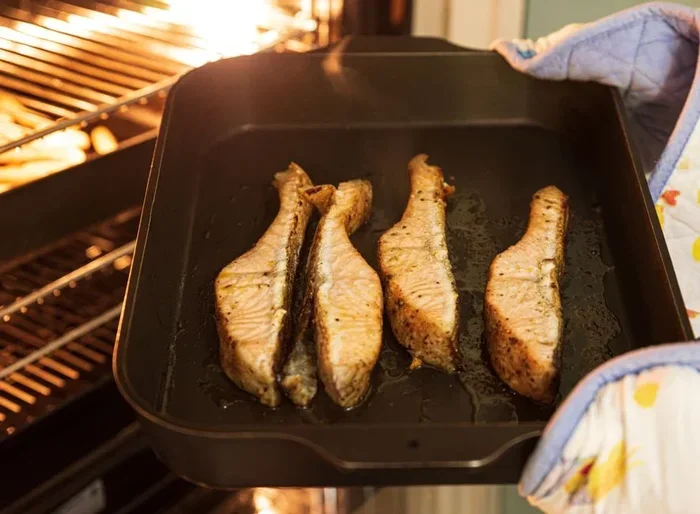
Cooking salmon in the oven is one of the easiest and most delicious ways to prepare this healthy fish. With the right temperature, timing, and seasoning, you can achieve a restaurant-quality baked salmon fillet at home without any special skills or equipment.
Key Takeaways
- Preheat your oven to 400°F for the best results when cooking salmon in the oven.
- Salmon cooking time depends on thickness, but most fillets need 12-15 minutes.
- Seasoning and preparation play a huge role in flavor and moisture retention.
- Use a baking sheet or foil for easy cleanup and even heat distribution.
- Check internal temperature with a thermometer to ensure perfectly cooked salmon at 145°F.
- Pair salmon with vegetables for a complete, healthy dinner in under 30 minutes.
📑 Table of Contents
Why Cooking Salmon in the Oven Is the Best Method
If you have ever wondered how to cook salmon like a pro, the oven is your best friend. Oven-baked salmon is simple, hands-off, and produces incredibly consistent results. Unlike stovetop cooking, which requires constant attention, the oven lets you set it and forget it. You can even prepare a full sheet pan meal alongside it.
There is a reason home cooks and professional chefs alike swear by this method. Baked salmon fillet recipes are forgiving, hard to mess up, and incredibly versatile. You can go simple with just salt and pepper, or get creative with herbs, garlic, and lemon. Whether you are meal prepping for the week or hosting a dinner party, cooking salmon in the oven always delivers.
You might also want to check out how other oven methods compare, like cooking salmon in an air fryer oven for a crispier finish. But for classic, moist, flaky results, the traditional oven remains the gold standard.
Benefits of Using the Oven
- Even cooking: The oven distributes heat uniformly around the fish.
- Minimal effort: No flipping or stirring required.
- Easy cleanup: Line a baking sheet with foil and you are done.
- Versatility: Pair it with veggies, rice, or bread for a full meal.
How to Prepare Salmon for the Oven
Good preparation is the foundation of a great dish. Before you even think about turning on the oven, take a few minutes to get your salmon ready. Proper prep ensures a moist salmon fillet with crispy salmon skin and rich flavor.
Choosing the Right Salmon
Start with a fresh or properly thawed fillet. Look for bright color and a clean, ocean-like smell. Avoid fish that looks dull or smells overly fishy. Skin-on fillets are ideal because the skin protects the flesh from drying out and adds a wonderful crunch when baked.
You can use wild-caught or farmed salmon. Both work well. Wild-caught tends to have a stronger flavor, while farmed salmon is often fattier and more moist. Choose what fits your budget and taste preference.
Prepping the Fillet
Pat the salmon dry with paper towels. This step is crucial. Moisture on the surface prevents that beautiful golden crust from forming. Remove any small bones with tweezers. Then place the fillet skin-side down on a salmon baking sheet lined with parchment paper or foil.
Seasoning Options
A simple seasoning for salmon can transform the flavor completely. Here are some popular combinations:
- Classic: Salt, pepper, and a squeeze of lemon.
- Herb-crusted salmon: Mix fresh dill, parsley, and garlic with olive oil and breadcrumbs.
- Garlic butter salmon: Melt butter with minced garlic and drizzle over the fillet.
- Lemon pepper: Fresh lemon zest with cracked black pepper and a touch of olive oil.
For a rich and creamy twist, you can also explore a Tuscan salmon recipe in a creamy sauce. It adds depth and a restaurant-worthy presentation to your dinner table.
Step-by-Step Guide to Cooking Salmon in the Oven
Now let us get into the actual cooking process. Follow these steps closely, and you will nail how to cook salmon in the oven like an experienced chef. This method works for most standard fillet sizes.
Step 1: Preheat the Oven
Set your oven to 400°F (200°C). This temperature is the sweet spot for salmon. It cooks the fish through without over-drying it. If you have a convection setting, even better. Convection ovens circulate hot air for a more even bake. If you are unsure which oven to use, consider checking reviews for the best convection over-the-range microwave oven for an all-in-one kitchen upgrade.
Step 2: Prepare the Pan
Line a baking sheet with parchment paper, aluminum foil, or lightly grease it. This prevents sticking and makes cleanup a breeze. Place the salmon fillet skin-side down in the center of the pan. Leave space around the edges so air can flow freely.
Step 3: Season and Add Extras
Apply your chosen salmon preparation seasoning generously. Add slices of lemon on top or around the fish. If you want a complete meal, toss some salmon with vegetables like asparagus, cherry tomatoes, or broccoli on the same pan. Everything cooks together, saving you time and effort.
Step 4: Bake
Place the pan in the preheated oven on the middle rack. Bake for 12 to 15 minutes for a standard 1-inch thick fillet. Thicker cuts may need up to 20 minutes. Thinner slices can be done in 8 to 10 minutes. Always check the internal temperature.
Step 5: Check for Doneness
The FDA recommends cooking salmon to an internal temperature of 145°F (63°C). Use an instant-read thermometer inserted into the thickest part of the fillet. The fish should flake easily with a fork but still appear slightly translucent in the very center. This is called medium and is ideal for moist salmon.
Step 6: Rest and Serve
Let the salmon rest for 2 to 3 minutes after removing it from the oven. This allows the juices to redistribute. Serve immediately with your favorite sides.
Tips for Perfectly Cooked Salmon Every Time
Even with a simple recipe, small details make a big difference. These quick tips will help you avoid common pitfalls and achieve perfectly cooked salmon consistently.
Use a Thermometer
Do not rely on time alone. Every fillet is different. A thermometer removes the guesswork entirely and guarantees you never overcook your fish.
Do Not Skip the Parchment Paper
Parchment paper creates a barrier between the fish and the pan. It helps the bottom cook evenly and prevents the skin from sticking. If you run out, lightly grease the pan with oil.
Add Liquid for Extra Moisture
Brushing the salmon with a little olive oil, butter, or citrus juice before baking locks in moisture. This is especially helpful if you are cooking a leaner fillet or using a higher oven temperature.
Cover with Foil for Gentle Cooking
If you find the top browning too fast, loosely cover the pan with aluminum foil halfway through. This traps steam and keeps the fish tender. Remove the foil at the end for a final crisp.
Quick Tips Summary
- Pat dry before seasoning for a better sear.
- Do not overcrowd the pan for proper air circulation.
- Marinate for 15-30 minutes if time allows for deeper flavor.
- Rest the fish after baking for juicier results.
Delicious Salmon Recipes to Try in the Oven
Once you master the basics, it is fun to experiment. Here are a few crowd-pleasing baked salmon recipe ideas that are easy to follow.
Lemon Herb Salmon
Top your fillet with fresh lemon slices, dill, and a drizzle of olive oil. Bake at 400°F for 12 to 14 minutes. The lemon brightens the fish, and the herbs add a fresh, aromatic quality. This is a perfect weeknight dinner that takes under 20 minutes total.
Garlic Butter Salmon with Vegetables
Melt a stick of butter with four cloves of minced garlic. Pour half over the salmon and toss the other half with asparagus or Brussels sprouts on the same pan. The result is a rich, savory salmon dinner idea that the whole family will love.
Herb-Crusted Salmon
Mix fresh breadcrumbs with chopped parsley, garlic, and lemon zest. Press the mixture onto the top of the fillet. Bake until the crust is golden and the fish is just done. This recipe delivers a satisfying crunch with every bite. For more creative ideas, browse a collection of salmon meal prep recipes that work great for batch cooking.
Salmon and Rice Sheet Pan Dinner
Place seasoned salmon on one side of a large baking sheet. On the other side, spread cooked rice mixed with peas, onions, and a splash of soy sauce. Everything bakes together into a complete, balanced meal. Cleanup is just one pan to wash.
Common Mistakes to Avoid When Cooking Salmon
Even experienced home cooks make slip-ups. Here are the most common salmon oven settings mistakes and how to fix them.
Cooking at Too High a Temperature
Some recipes call for 450°F or higher. While this works, it often browns the outside before the inside is cooked. Stick to 400°F for the most reliable results. If you want a slightly longer bake with more caramelization, 375°F works too but adds a few extra minutes.
Using a Cold Pan
Always preheat the oven first. Putting salmon into a cold oven leads to uneven cooking and a longer bake time. The fish spends too long in the danger zone where bacteria can grow.
Overcrowding the Pan
Give each fillet space. Crowding traps steam and prevents proper browning. If you are cooking multiple fillets, use a larger sheet or cook in batches.
Forgetting to Season Generously
Salmon is mild and benefits from bold flavors. Do not be shy with salt, pepper, herbs, or citrus. Season the fish directly and the pan underneath for the best taste.
Ignoring Carryover Cooking
Salmon continues to cook slightly after you remove it from the oven. Pull it out when it is just a few degrees below your target temperature. Letting it rest on the hot pan brings it up to the perfect salmon temperature.
Conclusion
Cooking salmon in the oven is a skill worth having in your kitchen toolkit. It is quick, healthy, and produces consistently delicious results. With the right temperature, proper prep, and a little seasoning creativity, every fillet can taste like it came from a top restaurant. Use the tips and recipes in this guide to elevate your next salmon dinner. Start simple, experiment with flavors, and soon you will have a go-to baked salmon fillet recipe that never fails.
The best part? You do not need fancy equipment or years of experience. A basic oven, a baking sheet, and a few fresh ingredients are all you need. So preheat that oven, grab your favorite fillet, and get cooking. Your next perfect salmon dinner is just 15 minutes away.
Frequently Asked Questions
What is the best temperature to cook salmon in the oven?
The best temperature for cooking salmon in the oven is 400°F (200°C). This setting cooks the fillet evenly while keeping the inside moist and the outside lightly golden. If you prefer a gentler cook, 375°F also works but adds a few extra minutes.
How long do I bake a salmon fillet?
For a standard 1-inch thick fillet, bake at 400°F for 12 to 15 minutes. Thicker fillets may need up to 20 minutes, while thinner pieces can be done in 8 to 10 minutes. Always use a thermometer to check that the internal temperature reaches 145°F.
Should I wrap salmon in foil when baking?
Wrapping salmon loosely in foil helps trap steam and keeps the fish extra moist. However, it also prevents the skin from crisping. For a balance of moisture and crunch, bake without foil and add a splash of liquid or brush with butter before cooking.
Can I cook salmon with the skin on in the oven?
Yes, cooking salmon with the skin on is highly recommended. The skin protects the delicate flesh from drying out and adds a satisfying crunch. Place the fillet skin-side down on a lined baking sheet and bake as usual. The skin will crisp up beautifully at 400°F.
What sides go well with oven-baked salmon?
Popular sides include roasted vegetables like asparagus, broccoli, or Brussels sprouts. Rice, quinoa, and mashed potatoes also pair well. For a light option, serve salmon over a fresh green salad or alongside steamed greens. A salmon with vegetables sheet pan dinner is an easy all-in-one meal.
How do I keep salmon from drying out in the oven?
To prevent dry salmon, pat the fillet dry before seasoning, brush it with oil or butter, and avoid overbaking. Cooking at 400°F for the correct time helps. You can also cover the pan loosely with foil halfway through to retain moisture. Resting the fish for a few minutes after baking lets the juices settle back in.