
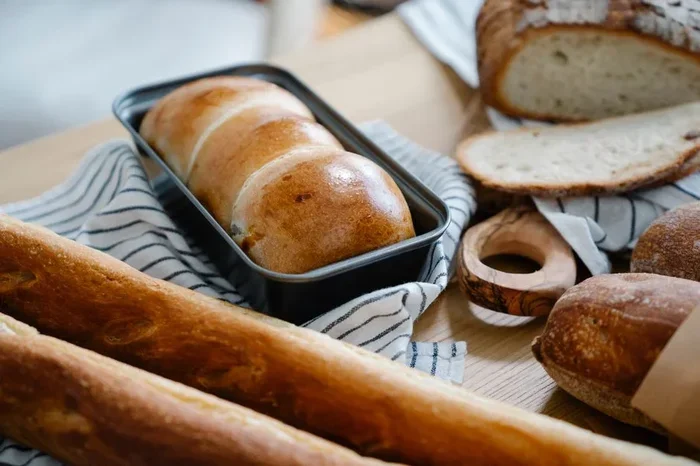
Choosing the right french bread baguette pan makes all the difference between flat, dense loaves and crispy, golden baguettes with a perfect crumb. A dedicated baguette pan shapes your dough evenly, promotes airflow for a crispy crust, and gives you professional results without a brick oven. Whether you are a beginner or a seasoned baker, the right pan simplifies the process and elevates your homemade bread game.
Baking french bread at home feels like a small miracle. The aroma fills your kitchen, the crust crackles when you break it open, and the soft, airy crumb melts on your tongue. But here is the thing most beginners learn the hard way: your pan makes or breaks the loaf.
A dedicated baguette pan does far more than hold dough. It shapes the loaf, controls airflow, and distributes heat evenly so you get that signature crispy crust and tender interior. Without the right pan, even the best baguette recipe can fall flat. In this guide, we walk you through everything you need to know about choosing, using, and caring for the best french bread baguette pan for your kitchen.
Key Takeaways
- Right pan matters: A proper baguette pan ensures even baking, uniform shape, and a professional-quality crust every time.
- Material choice is key: Stainless steel, aluminized steel, and nonstick options each offer unique benefits for different baking styles.
- Size and perforations count: Holes in the pan allow steam to escape, creating that signature crispy baguette crust.
- Maintenance extends life: Proper cleaning and storage keep your baguette pan performing well for years.
- Versatility beyond baguettes: Many baguette pans work great for other artisan breads, rolls, and even savory bakes.
📑 Table of Contents
Why You Need a Baguette Pan
You might wonder whether you really need a special pan. Can you not just shape baguettes on a sheet tray? Technically, yes. But a proper baguette pan transforms your results in several important ways.
Shape and Structure
A baguette pan keeps your dough in the classic long, narrow shape during baking. Without support, the loaf can spread out or collapse, especially with wetter doughs like sourdough or high-hydration french bread recipes. The walls of the pan guide the dough upward and maintain a consistent diameter from end to end.
Crust Quality
Most baguette pans feature perforations or slotted designs. These tiny holes let steam escape during baking, which is exactly what creates that shattering, golden crust. A solid sheet tray traps too much moisture, leading to a pale, soft exterior instead of the crispy shell you want.
Even Baking
Good baguette pans distribute heat uniformly across the entire loaf. This means no hot spots, no burnt ends, and no raw centers. The result is a perfectly baked bread loaf from one end to the other with a consistent crumb structure.
Types of French Bread Baguette Pans
Not all baguette pans are created equal. Different materials and designs suit different baking styles and preferences. Here is a breakdown of the most common types you will encounter.
Stainless Steel Baguette Pans
Stainless steel is the gold standard for serious home bakers. It heats evenly, lasts forever, and develops a natural nonstick surface over time with proper seasoning. Stainless steel pans work beautifully for artisan bread and pair well with baking stones or steel underneath for extra heat retention.
If you also bake other breads, consider pairing your baguette pan with a best stainless steel Dutch oven for bread to cover multiple baking needs with one material ecosystem.
Aluminized Steel Baguette Pans
Aluminized steel combines the durability of steel with the heat conductivity of aluminum. These pans heat up fast and respond well to temperature changes. They are lighter than pure stainless steel and often more affordable, making them a great entry point for beginners.
Nonstick Baguette Pans
Nonstick pans require less flour and greasing, which makes them convenient for quick bakes. However, they may not produce the same level of crust quality as metal pans. The nonstick coating can also degrade over time, especially if you use metal utensils or abrasive scrubbers.
Before purchasing any pan, learn how to verify its coating quality. Check out our guide on how to tell if pan is nonstick to make an informed choice.
Perforated vs. Solid Pans
Perforated pans have small holes or slots that allow steam to escape during baking. This is the preferred design for authentic baguettes because it promotes even browning and a crispy exterior. Solid pans, on the other hand, trap steam and create a softer crust, which can work well for certain bread styles but does not suit traditional French bread.
Top Features to Look For
When shopping for a french bread baguette pan, several key features determine performance and usability.
Material Quality
Thick gauge steel outperforms thin, flimsy alternatives. Heavy-duty pans resist warping and maintain consistent temperatures even in hot ovens. Look for pans made from food-grade, BPA-free materials that can withstand temperatures up to at least 450°F.
Size and Dimensions
Standard baguette pans accommodate loaves around 14 to 18 inches long. Consider your oven size and how many loaves you typically bake at once. If your oven is compact, a smaller pan might be more practical. For larger batches, a pan that holds two or three loaves saves time and energy.
Handle Design
Look for pans with sturdy, heat-resistant handles. You will be moving a hot pan in and out of a hot oven, so comfort and safety matter. Some pans feature rolled edges or silicone-coated handles for a secure grip.
Ease of Cleaning
Baguette pans accumulate flour residue and baked-on oils over time. Pans with smooth, dishwasher-safe surfaces are easier to maintain. However, many bakers prefer hand washing to preserve the pan’s seasoning and longevity.
How to Use a Baguette Pan Like a Pro
Using a baguette pan correctly makes a bigger difference than most people realize. Follow these steps for consistent, bakery-quality results every time.
Step 1: Prepare Your Dough
Start with a well-developed dough that has risen properly. Use a wooden dough bowl for your bulk fermentation to keep the dough at a steady, warm temperature. Wooden bowls naturally regulate moisture and create the ideal environment for yeast activity.
Step 2: Shape the Loaves
Divide your dough into equal portions and shape each into a long cylinder. Place the shaped loaves gently into the baguette pan, leaving enough space between them for expansion. Do not crowd the pan, or the loaves will merge during baking.
Step 3: Let the Dough Rise
Allow the shaped loaves to rise in the pan until they have nearly doubled in size. This second rise, also called proofing, is critical for developing flavor and texture. For tips on achieving the perfect rise, check out our guide on how to rise bread in oven for temperature and timing advice.
Step 4: Score and Bake
Use a sharp blade or lame to score the tops of the loaves before baking. Scoring controls where the bread expands and gives baguettes their classic look. Bake at 450°F to 500°F for 20 to 25 minutes, or until the crust is deeply golden brown.
Step 5: Cool Properly
Remove the loaves from the pan and let them cool on a wire rack. Cutting into a hot baguette releases steam and can make the crumb gummy. Allow at least 20 minutes of cooling before slicing.
Common Mistakes to Avoid
Even experienced bakers sometimes make errors that affect their baguette results. Here are the most common mistakes and how to avoid them.
Skipping the Second Rise
Baking dough straight from the shaping stage without a proper proof leads to dense, flat loaves. Always give your baguettes enough time to rise in the pan before they go into the oven.
Overcrowding the Pan
Stuffing too many loaves into one pan blocks airflow and causes uneven baking. Give each loaf room to expand and breathe for the best results.
Using Too Much Flour
A light dusting of flour prevents sticking, but excess flour creates a dry, dense crust. Use just enough to keep the dough from adhering to the pan.
Neglecting Pan Maintenance
Built-up residue affects baking performance over time. Clean your pan after each use and store it in a dry place to prevent rust and maintain its nonstick properties.
Best Practices for Maintaining Your Baguette Pan
A quality baguette pan lasts for years with proper care. Follow these maintenance tips to keep your pan in top condition.
- Clean gently: Use warm water and a soft brush or cloth. Avoid harsh detergents that strip seasoning from steel pans.
- Dry thoroughly: Moisture causes rust on carbon steel and cast iron pans. Dry your pan completely after washing.
- Store properly: Keep your pan in a dry cabinet. If stacking pans, place a cloth between them to prevent scratching.
- Re-season when needed: For steel pans, apply a thin layer of oil and heat in a 400°F oven for one hour to restore the nonstick surface.
Once your baguettes come out of the oven, you may want to reheat leftovers for that fresh-baked crunch. Learn how to restore that crispy texture in our article on how to crisp bread in oven.
Versatile Uses Beyond Baguettes
Your baguette pan is not limited to French bread. Its long, narrow shape opens up a world of creative baking possibilities.
- Focaccia: Shape a thick, olive oil-rich dough in the pan for an even bake.
- Dinner Rolls: Create individual rolls or small braided loaves for special occasions.
- Savory Breads: Bake cheese-stuffed bread, garlic knots, or herb-infused loaves.
- Cinnamon Swirl Breads: The pan shape works perfectly for pull-apart cinnamon bread recipes.
The versatility of a good baguette pan makes it a worthwhile investment for any home baker who loves working with dough.
Conclusion
A french bread baguette pan is one of the simplest yet most impactful tools you can add to your baking arsenal. It shapes your loaves, improves crust quality, and delivers consistent results batch after batch. Whether you bake once a week or every day, the right pan transforms your homemade baguettes from good to exceptional.
Choose a pan that suits your baking style, maintain it properly, and follow the tips in this guide. You will notice an immediate difference in your bread quality. Happy baking, and enjoy every warm, crispy bite of your perfect baguettes.
Frequently Asked Questions
What is the best material for a french bread baguette pan?
Stainless steel is widely considered the best material for a baguette pan. It conducts heat evenly, resists warping, and develops a natural nonstick surface over time. Aluminized steel is a lighter and more affordable alternative that still performs well for most home bakers.
Can I use a baguette pan in a convection oven?
Yes, baguette pans work great in convection ovens. The circulating hot air enhances browning and promotes an even crispier crust. Just reduce your oven temperature by about 25°F compared to a conventional oven setting to prevent over-browning.
How do I prevent my baguettes from sticking to the pan?
Lightly dust the pan with flour or cornmeal before placing the dough inside. You can also use a thin layer of oil for a nonstick barrier. If you use a nonstick baguette pan, you may not need any additional preparation at all.
How many baguettes can I bake at once in a standard pan?
Most standard baguette pans accommodate two to three loaves at a time. Larger pans can hold four or more. Avoid overcrowding the pan, as this restricts airflow and leads to uneven baking and poor crust development.
How do I store my baguette pan?
Store your baguette pan in a dry cabinet or pantry. For steel pans, you can lightly oil the surface before storing to prevent rust. Avoid stacking heavy items on top of the pan, which can warp the shape over time.
Can I bake sourdough in a baguette pan?
Absolutely. Sourdough baguettes are one of the most popular uses for a baguette pan. The pan helps support the wetter sourdough dough during proofing and baking, giving you beautifully shaped loaves with a crisp crust and open crumb.



