Cooking a boneless pork loin roast is easier than you think. This guide walks you through every step, from prep to plating. You will learn the best seasoning, the right oven temperature, and how to get perfectly juicy pork every single time.
There is nothing quite like a beautifully cooked pork loin roast sitting on the dinner table. It smells amazing, it looks impressive, and it feeds a whole crowd. But many people feel nervous about cooking one at home.
The truth is, a boneless pork loin roast is one of the easiest meats to prepare. You do not need fancy equipment or years of experience. With the right steps, you can make a tender, juicy roast that everyone will love. This guide makes it simple.
We will cover everything you need to know. From choosing the right cut to pulling it out of the oven at just the right moment. By the end, you will feel confident enough to make this dish your go-to for family dinners and special occasions alike.
Key Takeaways
- Perfect Temperature: Cook your pork loin roast to 145°F for safe, juicy results every time.
- Simple Prep: A few basic ingredients and 10 minutes of prep can lead to an amazing roast.
- Resting is Key: Always let your pork roast rest for at least 10 minutes before slicing.
- Seasoning Matters: A well-balanced dry rub or marinade makes a huge difference in flavor.
- Right Tools Help: A meat thermometer and a good roasting pan are your best friends in the kitchen.
📑 Table of Contents
- What Is a Boneless Pork Loin Roast?
- How to Prep Your Pork Loin Roast
- How to Cook a Boneless Pork Loin Roast in the Oven
- How to Know When Your Pork Roast Is Done
- How to Rest and Slice Your Pork Loin Roast
- Serving Ideas and Side Dishes
- Common Mistakes to Avoid
- Expert Tips for the Best Pork Loin Roast
- Final Thoughts
What Is a Boneless Pork Loin Roast?
A boneless pork loin roast comes from the back of the pig. It is a lean cut of meat that cooks evenly and stays tender when you handle it right. Because there is no bone, it is much easier to slice and serve. This makes it a popular choice for weeknight meals and holiday dinners.
The pork loin is naturally mild in flavor. That means it takes on seasonings really well. You can keep it simple with salt and garlic, or go bold with a full spice rub. Either way, the meat stays juicy and satisfying.
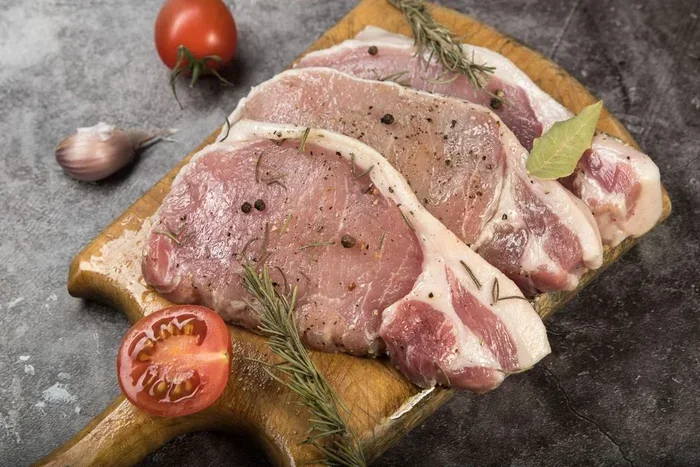
When shopping, look for a roast that has a nice layer of fat on the outside. This fat melts during cooking and keeps the meat moist. Avoid roasts that look dry or have a grayish color. Fresh pink meat with white fat is what you want.
How to Prep Your Pork Loin Roast
Prepping your roast does not take long. In fact, you can have it ready to go in about 10 minutes. The key is to let the flavors soak into the meat before it hits the heat.
Step 1: Pat the Roast Dry
Use paper towels to pat the pork loin dry on all sides. This step helps the seasoning stick better. It also helps create a nice crispy crust on the outside. Moisture on the surface can steam the meat instead of roasting it.
Step 2: Season Generously
Now comes the fun part. You can use a simple pork roast seasoning or make your own blend. A basic mix of salt, black pepper, garlic powder, and paprika works wonders. Rub the seasoning all over the roast, pressing it gently into the meat.
If you have more time, you can marinate the roast overnight. Just place it in a large zip-lock bag with your favorite marinade. Put it in the fridge and let the flavors work their magic. The longer the marinate, the deeper the flavor goes.
Step 3: Let It Come to Room Temperature
Take the roast out of the fridge about 30 minutes before cooking. Letting it sit at room temperature helps it cook more evenly. Cold meat going straight into a hot oven can lead to uneven cooking. This small step makes a big difference.
While the roast rests, preheat your oven to 425°F. A hot start helps seal in the juices and creates a beautiful golden crust.
How to Cook a Boneless Pork Loin Roast in the Oven
This is the part that turns a raw roast into a delicious meal. The oven method is the most common way to cook a boneless pork loin roast. It is simple, hands-off, and gives you great results.
Choose the Right Pan
You want to use a roasting pan or a deep baking dish. If you prefer, you can grease a pan without oil or butter by using a light coat of cooking spray or a small piece of parchment paper. This keeps the roast from sticking and makes cleanup much easier.
Make sure your pan is big enough to hold the roast comfortably. You want some space around the meat so the heat can circulate. A non-stick pan also works well if you have one available.
The Cooking Process
Place the seasoned roast in the pan, fat side up. Put it in the preheated oven on the middle rack. Cook at 425°F for about 20 minutes to get that initial sear. Then reduce the heat to 325°F and continue cooking.
Here is a general guide for cooking times:
- 2 to 3 pounds: About 45 to 60 minutes total
- 3 to 4 pounds: About 60 to 80 minutes total
- 4 to 5 pounds: About 80 to 100 minutes total
The most important thing is to check the internal temperature. Use a meat thermometer inserted into the thickest part of the roast. The pork loin internal temp should reach 145°F for safe eating. This is recommended by the USDA and gives you perfectly pink, juicy meat.
Avoid overcooking at all costs. Pork loin is a lean cut, and it dries out fast if you leave it in too long. A few extra minutes can make the difference between tender and tough.
Basting Tips for Extra Juiciness
Basting is an easy trick that takes your roast to the next level. About halfway through cooking, open the oven and spoon the pan juices over the top of the roast. This adds moisture and flavor to the surface. If you do not have much liquid in the pan, you can add a splash of chicken broth before basting.
Some cooks like to cover the roast with foil halfway through. This traps moisture and prevents the outside from burning. It is a great trick if you are cooking a larger roast or your oven runs hot.
How to Know When Your Pork Roast Is Done
Timing can vary based on the size of your roast and your oven. So never rely on the clock alone. Always use a meat thermometer to check the doneness.
The target temperature for a boneless pork loin roast is 145°F. At this temperature, the meat is safe to eat and still juicy. Let the roast rest after cooking, and the temperature will rise a few more degrees. This is called carryover cooking, and it is completely normal.
If you prefer your pork more well-done, you can cook it to 160°F. Just keep in mind that the meat may be slightly drier. Most experts recommend sticking with 145°F for the best balance of safety and flavor.
Another sign of a done roast is the juices. When you poke the meat with a fork, the juices should run clear, not pink. But the thermometer is still the most reliable way to tell.
How to Rest and Slice Your Pork Loin Roast
Resting your roast is one of the most important steps that people often skip. Do not cut into it right away. Instead, transfer the roast to a cutting board and cover it loosely with foil. Let it rest for at least 10 minutes.
During resting, the juices inside the meat redistribute. This makes every slice moist and flavorful. If you cut too soon, the juices run out onto the board instead of staying in the meat.
When it comes to slicing, use a sharp knife. A dull knife will tear the meat instead of giving you clean slices. If you want to invest in a good tool, you can learn how to choose a meat slicer that makes slicing roasts a breeze. A sharp carving knife works just as well for most home cooks.
Slice against the grain for the most tender results. Look for the lines of muscle fiber and cut perpendicular to them. This shortens the fibers and makes each piece easier to chew.
Serving Ideas and Side Dishes
A pork loin roast pairs well with so many sides. Here are some ideas to build a complete meal around your roast:
- Roasted vegetables: Carrots, potatoes, and Brussels sprouts all roast beautifully alongside pork.
- Applesauce: A classic pairing that adds a sweet and tangy contrast.
- Mashed potatoes: Creamy and comforting, they soak up the pork juices perfectly.
- Green beans almondine: A light and elegant side dish that balances the richness of the meat.
- Salad: A fresh green salad with a simple vinaigrette cuts through the richness of the roast.
If you are serving the roast on a platter, you can keep a charcuterie board cold by placing it over a tray of ice. This keeps the meat fresh and safe to eat during a long dinner or gathering. It is a simple trick that many hosts overlook.
Leftover pork roast makes great sandwiches the next day. Slice it thin, pile it on a bun with some barbecue sauce, and you have a quick and tasty lunch. The meat reheats well in the microwave or on the stovetop too.
Common Mistakes to Avoid
Even experienced cooks can make mistakes when preparing a pork loin roast. Here are a few to watch out for:
- Skipping the thermometer: Guessing the doneness almost always leads to overcooked or undercooked meat. A thermometer takes the guesswork out completely.
- Not letting the roast rest: Cutting too early dries out the meat. Patience pays off here.
- Over-seasoning: A little seasoning goes a long way with pork. Too much salt can overpower the natural flavor of the meat.
- Cooking at too low a temperature: A low oven takes too long and can dry out the roast. Start hot, then reduce the heat for the best results.
- Ignoring the fat cap: That layer of fat on the outside is there for a reason. It bastes the meat as it melts. Do not trim it all off.
Expert Tips for the Best Pork Loin Roast
Want to take your pork roast to the next level? Here are some pro tips that make a real difference:
- Score the fat: Use a sharp knife to make shallow cuts in the fat cap. This helps the seasoning penetrate deeper and renders the fat more evenly.
- Add aromatics: Tuck cloves of garlic, sprigs of rosemary, or slices of onion around the roast in the pan. They infuse the meat with extra flavor as it cooks.
- Use a rack: Cooking the roast on a wire rack inside the pan allows hot air to circulate underneath. This promotes even browning on all sides.
- Make a pan sauce: After removing the roast, pour off excess fat and deglaze the pan with a splash of apple cider vinegar or white wine. Scrape up the browned bits and simmer for a quick, delicious sauce.
The beauty of a boneless pork loin roast is its versatility. You can keep it simple or dress it up with elaborate flavors. No matter how you prepare it, following these basics will get you great results every time.
Final Thoughts
Cooking a boneless pork loin roast does not have to be intimidating. With the right temperature, good seasoning, and a little patience, you can serve a roast that rivals anything from a restaurant. The key is to trust the process and use a meat thermometer to guide you.
Remember to prep your roast well, cook it at the right temperature, and always let it rest before slicing. These simple steps turn a basic cut of meat into a show-stopping centerpiece for any meal. Whether you are cooking for a family dinner or a holiday gathering, this roast will deliver.
Now that you know the steps, it is time to get into the kitchen. Pick up a pork loin roast at your local grocery store, gather your seasonings, and give it a try. You will be surprised at how easy and rewarding it can be. Happy cooking!
Frequently Asked Questions
How long does it take to cook a boneless pork loin roast?
Cooking time depends on the size of the roast. A 2 to 3 pound roast typically takes 45 to 60 minutes at 325°F after the initial sear. Always use a meat thermometer to confirm doneness rather than relying on time alone.
What temperature should a boneless pork loin roast be?
The USDA recommends cooking pork loin to an internal temperature of 145°F. This gives you safe, juicy meat with a slight pink center. Let the roast rest for a few minutes after cooking, and the temperature will rise slightly due to carryover cooking.
Should I cover my pork roast with foil while cooking?
Covering with foil halfway through cooking can help retain moisture, especially for larger roasts. However, leaving it uncovered for the first 20 minutes helps develop a crispy golden crust. Use foil if your oven runs hot or the roast is browning too quickly.
Can I cook a boneless pork loin roast in a slow cooker?
Yes, you absolutely can. A slow cooker is a great alternative to oven roasting. Cook on low for 6 to 8 hours or on high for 3 to 4 hours. The meat will be incredibly tender and juicy, though you will not get the same crispy exterior as oven roasting.
How do I keep my pork loin roast from drying out?
The key is to not overcook it. Use a meat thermometer and pull the roast at 145°F. Also, keep the fat cap intact, baste the roast halfway through cooking, and let it rest for at least 10 minutes before slicing. These steps lock in moisture and keep the meat tender.
What are the best seasonings for a pork loin roast?
Pork loin pairs well with garlic, paprika, rosemary, thyme, and sage. A simple blend of salt, black pepper, garlic powder, and smoked paprika creates a flavorful crust. If you prefer something sweeter, add a touch of brown sugar or cumin to your rub for a rich, savory flavor.