
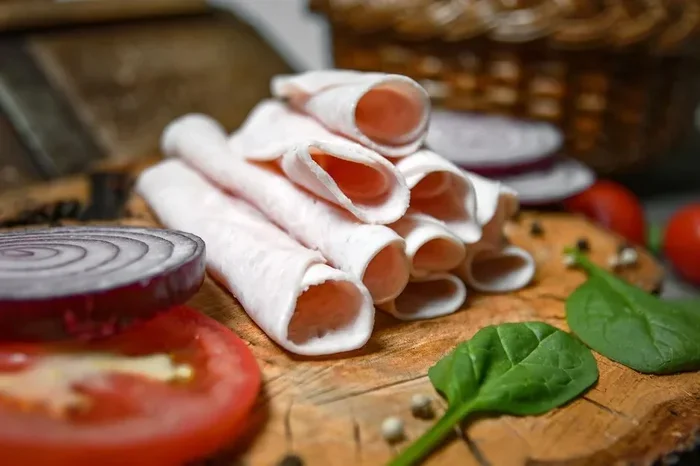
Yes, you can freeze ham and keep it fresh for months ahead. Freezing ham is one of the best ways to preserve its flavor and texture, whether it is raw or already cooked. With the right wrapping methods and storage containers, your ham can stay safe and delicious in the freezer for up to six months.
Freezing ham is one of the smartest moves you can make in the kitchen. Whether you bought too much at the store or want to save leftovers from a holiday meal, freeze ham the right way and it will taste almost as good as the day you bought it. Many people throw away perfectly good ham because they do not know how to store it properly. This guide will walk you through everything you need to know about freezing ham so you can enjoy it for months to come.
Ham is a versatile and delicious protein that works in countless recipes. From sandwiches to casseroles, ham adds flavor and protein to many meals. But ham can be expensive, and letting it go to waste feels terrible. That is where freezing ham comes in. With a few simple steps, you can preserve ham in your freezer and have it ready whenever you need it. Let us dive into the details.
Key Takeaways
- Freeze ham works great for both raw and cooked varieties, extending shelf life by several months without sacrificing taste.
- Proper wrapping is essential to prevent freezer burn and maintain ham quality over time.
- Raw ham lasts 3 to 6 months in the freezer, while cooked ham stays good for about 2 to 3 months.
- Thawing ham in the refrigerator is the safest method, ensuring even defrosting and food safety.
- Using vacuum-sealed bags or freezer-safe containers gives you the best results for long-term ham storage.
- Signs of spoiled frozen ham include freezer burn, off smells, and changes in texture after thawing.
📑 Table of Contents
Why Freeze Ham?
Freezing ham offers many advantages that go beyond just saving money. When you freeze ham properly, you lock in its flavor, moisture, and nutritional value. This means you get to enjoy high-quality ham weeks or even months after your original purchase date.
Save Money And Reduce Waste
Buying ham in bulk often comes with a lower price per pound. But if you cannot eat it all before it spoils, you end up wasting money. Freezing ham solves this problem completely. You can buy larger packages during sales, freeze ham in portions, and pull out only what you need. This approach saves money and cuts down on food waste at the same time.
Always Have Ham Ready For Meals
Imagine pulling a perfectly portioned piece of ham out of your freezer on a busy weeknight. You can make sandwiches, add it to pasta, or toss it into a soup without any hassle. Freezing ham means you always have a versatile ingredient ready to go. It is like having a backup protein that never lets you down.
How To Freeze Ham Properly
The way you prepare ham before freezing makes a huge difference in the final result. Proper preparation prevents freezer burn, keeps bacteria out, and preserves the texture and flavor of the meat. Here is how to do it right for both raw and cooked ham.
Freezing Raw Ham
Raw ham needs extra care because it has a higher moisture content and is more prone to freezer burn. Start by checking the sell-by date on the package. Make sure the ham is still fresh before you put it in the freezer. If the ham is still in its original store packaging, you can freeze it as-is, but double-wrapping always helps.
Remove the ham from its original packaging if it has been opened. Wrap the ham tightly in plastic wrap first. Then add a layer of aluminum foil over the plastic wrap. Finally, place the wrapped ham into a freezer-safe bag or an airtight container. Squeeze out as much air as possible before sealing. Label the bag with the date and type of ham so you can keep track of how long it has been frozen.
For the best results, consider using vacuum-sealed bags. Vacuum sealing removes almost all the air around the ham, which dramatically reduces the risk of freezer burn. If you do not own a vacuum sealer, a straw trick works well too. Seal the bag almost completely, then insert a straw and suck out the remaining air before pulling the straw out and sealing the bag fully.
Freezing Cooked Ham
Cooked ham freezes beautifully and is actually easier to store than raw ham. Let the cooked ham cool completely before you freeze it. Do not put warm ham directly into the freezer, as the heat can raise the temperature inside your freezer and affect other foods. Once the ham has cooled to room temperature, it is ready to be wrapped and frozen.
Slice the cooked ham into portions before freezing if you can. This way, you only thaw what you need for each meal. Wrap each portion individually in plastic wrap or freezer paper, then place them in a freezer-safe bag. Remove the air, seal tightly, and label with the date. Cooked ham stored this way stays fresh and tasty for several months.
Many people wonder about ham leftovers after a big dinner. The good news is that leftover ham freezes just as well as freshly cooked ham. Just make sure it has been stored safely in the refrigerator for no more than two days before you move it to the freezer.
Best Containers And Wrapping Methods
Choosing the right wrapping method is one of the most important steps when you freeze ham. The wrong choice can lead to freezer burn, which dries out the meat and affects its taste and texture. Here are the best options for storing ham in the freezer.
Freezer-Safe Plastic Bags
Heavy-duty freezer bags are a popular choice for ham storage. They are affordable, easy to use, and take up less space than containers. Look for bags that are specifically labeled as freezer-safe, as regular storage bags are thinner and more prone to tearing. Ziploc-style freezer bags work great for this purpose.
When using freezer bags, always press out the air before sealing. Less air means less chance of freezer burn. If you are storing sliced ham, try to lay the slices flat in the bag so they freeze evenly and stack nicely in your freezer.
Aluminum Foil And Plastic Wrap
Wrapping ham in aluminum foil and plastic wrap creates a double barrier against air and moisture. This method works especially well for whole ham cuts. Start with a tight layer of plastic wrap directly touching the ham surface, then wrap aluminum foil over the top. The plastic wrap creates a snug seal, while the foil adds extra protection.
Some people also use freezer paper, which is designed specifically for meat storage. Freezer paper has a waxy coating on one side that helps block air and moisture. It wraps around the ham easily and holds up well in the freezer.
Airtight Containers
Hard-sided airtight containers are another solid option for ham storage. They are reusable, durable, and stackable. Look for containers that are labeled as freezer-safe and have tight-fitting lids. Glass containers with silicone lids work well, but make sure they are tempered glass designed for freezer use to avoid cracking.
The downside of containers is that they take up more space than bags. If your freezer has limited room, bags are usually the better choice. But if you prefer a more organized approach, containers are worth considering.
For long-term food storage in general, using proper freezer-safe packaging makes a big difference. Similar to how you would store other foods for the long haul, the goal is to minimize air exposure and maintain consistent cold temperatures. You can also learn more about proper food storage techniques by exploring guides on storing different foods, such as how to store spring onions or even how to store strawberries in a mason jar, which share similar principles of keeping food fresh longer.
How Long Can You Freeze Ham?
Understanding the shelf life of frozen ham helps you plan meals and avoid keeping ham in the freezer too long. The storage time depends on whether the ham is raw or cooked, and on how well it was wrapped.
Raw Ham Freezer Life
Raw ham can be kept in the freezer for 3 to 6 months when stored properly. If you use vacuum-sealed bags, raw ham can sometimes last even longer, up to 6 months or slightly more. The key factor is how well the ham is protected from air. Even a small amount of exposed surface can lead to freezer burn over time, which degrades the quality of the meat.
Always check the ham for any signs of freezer burn before you cook it. Freezer burn looks like grayish-brown spots on the surface of the meat and feels dry or leathery to the touch. While freezer-burned ham is still safe to eat, the texture and flavor will not be as good.
Cooked Ham Freezer Life
Cooked ham stays good in the freezer for about 2 to 3 months under ideal conditions. After this period, the quality may start to decline. The ham might become drier or develop a slightly different flavor. For the best taste experience, try to use frozen cooked ham within two months.
If you are comparing storage times, raw ham generally lasts longer in the freezer than cooked ham. This is because raw ham has not been exposed to heat, which can break down some of the proteins and affect texture over time.
How To Thaw Ham Safely
Thawing ham the right way is just as important as freezing it correctly. Improper thawing can lead to uneven cooking, texture problems, or even foodborne illness. Here are the safest methods for thawing frozen ham.
Thawing In The Refrigerator
The refrigerator method is the gold standard for thawing ham. Place the frozen ham on a plate or tray on the bottom shelf of your refrigerator and let it thaw slowly overnight. This method keeps the ham at a safe temperature throughout the thawing process and helps maintain its quality.
For a whole ham, you may need to allow 24 to 48 hours of thawing time in the refrigerator. Smaller portions and slices will thaw faster, usually within 8 to 12 hours. Once the ham is fully thawed, you can store it in the refrigerator for an additional 3 to 5 days before cooking.
Thawing In Cold Water
If you need to thaw ham faster, the cold water method works well. Place the ham in a sealed plastic bag and submerge it in cold water. Change the water every 30 minutes to keep it cold. A pound of ham typically thaws in about an hour using this method.
Do not use warm or hot water, as this can bring the surface of the ham into the danger zone where bacteria grow quickly. Always cook the ham immediately after thawing with the cold water method.
Thawing In The Microwave
The microwave is the fastest thawing option, but it requires more attention. Use the defrost setting and check the ham frequently. Some parts may start to cook while other parts are still frozen. If you use the microwave to thaw ham, cook it right away to ensure food safety.
For best results, the refrigerator method is always recommended. It takes a little more planning, but it preserves the quality and texture of the ham better than any other method.
Signs Your Ham Has Gone Bad
Even when you freeze ham correctly, it is important to know the signs of spoilage. Sometimes ham can develop issues during storage, even in the freezer. Here is what to watch for.
- Freezer burn: White or grayish patches on the surface of the ham indicate freezer burn. The meat is still safe to eat, but the taste and texture will be affected. You can cut away freezer-burned areas before cooking.
- Off smell: When you thaw ham, give it a sniff. Fresh ham should smell mildly salty or smoky. If it has a sour, rotten, or ammonia-like odor, throw it away immediately.
- Slimy texture: Ham that feels sticky or slimy after thawing is no longer good. Fresh ham should feel moist but not slippery.
- Discoloration: Significant changes in color, such as greenish or grayish tones, suggest the ham has spoiled and should be discarded.
- Unusual packaging: If the packaging is swollen or has holes, the ham may have been exposed to bacteria. Check the ham carefully before using it.
When in doubt, it is always better to err on the side of caution and throw out ham that you suspect has gone bad. Food safety should always come first.
Quick Tips For Freezing Ham
Here are some extra tips to help you get the best results when you freeze ham:
- Label everything: Always write the date and type of ham on the freezer bag or container. This helps you rotate your stock and use older ham first.
- Portion before freezing: Freeze ham in meal-sized portions so you only thaw what you need. This reduces waste and saves time.
- Remove air from bags: Air is the enemy of frozen meat. Less air means better quality and longer storage life.
- Keep your freezer at 0°F or below: Consistent cold temperatures are essential for maintaining ham quality over time.
- Do not refreeze thawed ham: Once ham has been thawed, cook it or eat it. Refreezing can degrade the texture and increase the risk of bacterial growth.
- Use within recommended time frames: Even frozen ham has a limit. For the best flavor and texture, use raw ham within 6 months and cooked ham within 3 months.
Following these simple tips will help you freeze ham with confidence. You will always have delicious ham ready whenever you need it, and you will waste less food in the process.
Common Mistakes To Avoid
Even experienced home cooks make mistakes when freezing ham. Here are some common errors to avoid:
- Skipping the double wrap: Relying on just one layer of protection leaves the ham vulnerable to freezer burn. Always use at least two layers of wrapping.
- Freezing ham while it is still warm: Warm ham can raise the temperature inside your freezer and affect other foods. Always cool ham completely before freezing.
- Using regular storage bags: Regular storage bags are not designed for freezer use. They are thinner and more likely to tear or let air in over time.
- Forgetting to label: Without a date label, you might end up keeping ham in the freezer too long. Always label your frozen items.
- Overpacking the freezer: A crowded freezer does not circulate cold air properly, which can lead to uneven freezing and temperature fluctuations.
Avoiding these mistakes will help you get the most out of your frozen ham and ensure it stays fresh and delicious until you are ready to use it.
Expert Insights On Ham Freezing
Food safety experts agree that freezing is one of the best methods for long-term ham storage. The freezing process slows down bacterial growth and preserves the quality of the meat. According to the USDA, frozen ham remains safe indefinitely when kept at 0°F or below, though quality is best within the recommended time frames.
Many professional chefs recommend vacuum sealing as the top method for freezing ham. Vacuum sealing removes oxygen from around the meat, which prevents freezer burn and preserves flavor better than any other wrapping method. If you freeze ham regularly, investing in a vacuum sealer is well worth the cost.
Another expert tip is to freeze ham in a flash-freeze method. Lay individual slices or portions on a baking sheet, freeze them until solid, and then transfer them to a freezer bag. This prevents the slices from sticking together and makes it easy to grab just the amount you need.
Similar to how you would properly store other proteins for the long term, the goal with ham is to minimize exposure to air and moisture. Whether you are storing kimbap or other prepared meals, the same principles of airtight packaging apply. You can even explore how different foods are preserved, such as best Mylar bags for freeze-dried food, which shows how proper packaging extends shelf life across many types of food storage.
With the right approach, freeze ham becomes a simple and rewarding part of your meal planning routine. You will save money, reduce waste, and always have a delicious protein ready to use.
Conclusion
Freeze ham the right way, and you can enjoy this versatile protein for months to come. Whether you are freezing raw ham or cooked leftovers, the key is proper wrapping, airtight storage, and consistent freezer temperatures. By following the methods outlined in this guide, you can keep your ham fresh, safe, and full of flavor whenever you need it.
Remember to label your packages with dates, use ham within the recommended time frames, and always thaw frozen ham safely in the refrigerator. These small steps make a big difference in the quality of your frozen ham. With a little planning and the right technique, you will never have to worry about ham going to waste again.
Start freeze ham today and take control of your meal prep. Your future self will thank you for having a delicious and convenient protein always ready in the freezer.
Frequently Asked Questions
Can You Freeze Ham Slices?
Yes, you can freeze ham slices easily. Lay the slices flat on a baking sheet, flash freeze them until solid, and then transfer them to a freezer bag. This prevents the slices from sticking together and lets you grab just one or two at a time. Frozen ham slices stay good for about 2 to 3 months.
Is It Safe To Freeze Ham More Than Once?
No, it is not safe to refreeze ham that has already been thawed. Thawing allows bacteria to grow, and refreezing does not kill those bacteria. Always thaw only the amount of ham you plan to use. If you accidentally thaw too much, cook it first and then you can freeze the cooked ham.
Does Frozen Ham Lose Its Flavor Over Time?
Frozen ham can lose some flavor and texture over very long storage periods. Using raw ham within 6 months and cooked ham within 3 months helps maintain the best quality. Proper wrapping with minimal air exposure is the best way to preserve flavor.
Can You Freeze Ham That Has Been Opened?
Yes, you can freeze opened ham. Just make sure it has been stored properly in the refrigerator and has not been sitting out for too long. Wrap the opened ham tightly in plastic wrap, then add aluminum foil, and place it in a freezer-safe bag. Remove as much air as possible before sealing.
What Is The Best Way To Wrap Ham For Freezing?
The best method is a double wrap. Start with a tight layer of plastic wrap directly on the ham surface, then wrap aluminum foil around the plastic. Finally, place the ham in a freezer-safe bag and remove all the air. This combination creates excellent protection against freezer burn and air exposure.
Can You Freeze Honey Baked Ham?
Yes, you can freeze honey baked ham. Let it cool completely after opening, then slice it into portions. Wrap each portion tightly in plastic wrap and aluminum foil, place them in freezer bags, and remove the air. Honey baked ham stays good in the freezer for about 2 to 3 months when stored properly.



