
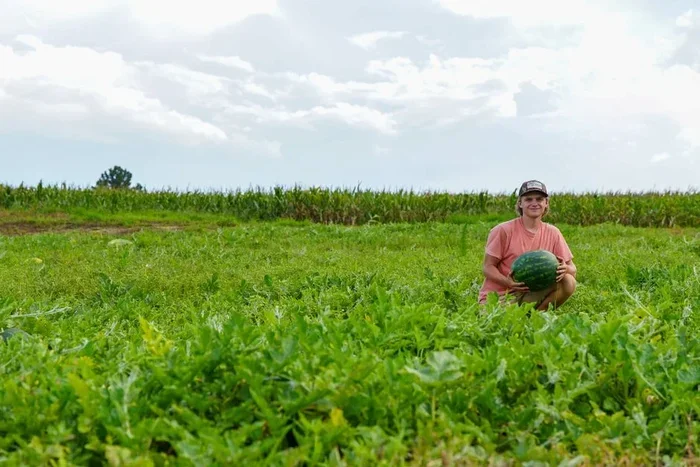
Watermelon season is the best time to enjoy fresh, sweet, and juicy watermelon at its peak flavor. This guide covers everything from the best months and how to pick the perfect melon to nutrition tips and delicious recipes. Whether you are a watermelon enthusiast or just starting to explore summer fruit, you will find practical advice and fun insights inside.
Watermelon season is the most exciting time of year for fruit lovers everywhere. When summer heat peaks, nothing beats the refreshing taste of a sweet, juicy watermelon. This guide covers everything you need to know about watermelon season, from timing and picking tips to health benefits and recipes. Whether you are shopping at a local farmers market or growing your own patch, understanding watermelon season makes all the difference. Read on to become a watermelon pro this summer.
There is something magical about the first bite of a perfectly ripe watermelon on a hot July day. Watermelon season brings joy to backyards, picnics, and family gatherings across the country. But many people do not know when watermelon season actually starts or how to choose the best one. This article breaks it all down in simple, easy-to-follow steps. You will learn the best months, how to pick a sweet melon, and even some fun facts that will surprise you.
Watermelon is more than just a summer treat. It is packed with hydration, vitamins, and antioxidants that support your health. During peak watermelon season, you can find the freshest, most flavorful fruit at your local grocery store or farm stand. Knowing when and how to buy watermelon helps you get the best value and the best taste every single time. Let us dive into the world of watermelon season and make the most of it.
Key Takeaways
- Watermelon Season Timing: Peak months are May through September, with June and July being the absolute best for sweetness and freshness.
- Picking the Right Melon: Check the field spot for a deep yellow color and look for sugar spots and webbing for the sweetest fruit.
- Variety Matters: Seedless, seeded, mini, and yellow watermelons each offer unique flavors and textures during watermelon season.
- Health Benefits Are Real: Watermelon is 92 percent water, rich in vitamins C and A, and packed with lycopene for heart and skin health.
- Storage Tips: Whole watermelons last up to two weeks in the fridge, while cut watermelon should be eaten within three to five days.
- Growing Your Own: Watermelon needs warm soil, full sun, and consistent water. Harvest when the tendril near the fruit is completely dried.
📑 Table of Contents
When Does Watermelon Season Start and End?
Watermelon season is closely tied to warm weather. The fruit needs heat and sunlight to grow properly. Most people associate watermelon with the hottest months of the year. But the exact timing depends on where you live and what type of watermelon you are growing or buying.
The Peak Months for Watermelon Season
The peak of watermelon season typically runs from May through September. In most parts of the United States, June and July are the absolute best months. During these months, watermelons are at their sweetest and most abundant. Farmers are harvesting their crops, and stores are fully stocked with fresh fruit.
If you want the best flavor, shop for watermelon in the heart of summer. Late June through early August is when watermelon season is at its absolute best. The sugar content is highest during this window, which means more sweetness in every bite. Early watermelons from May may be good, but they often lack the deep flavor of midsummer fruit.
Regional Differences in Watermelon Season
Watermelon growing season varies by region. In the southern United States, watermelon season can start as early as April. States like Georgia, Florida, and Texas have long growing seasons with warm temperatures year-round. Their watermelon harvest begins earlier and lasts longer than in northern states.
In the Midwest and Northeast, watermelon season usually starts in June and ends in September. Cooler spring temperatures delay planting, so the fruit takes longer to mature. If you live in a colder climate, your local watermelon season is shorter but still packed with delicious fruit during the peak months.
California and Arizona also produce watermelons early in the season. These desert states benefit from hot, dry climates that are ideal for watermelon farming. Their early harvest helps supply fresh fruit to northern markets before local crops are ready.
Quick Tip: Ask your local farmers when their watermelon harvest begins. Farm stands often have the freshest fruit because it travels a shorter distance from the field to your table.
How to Pick the Perfect Watermelon
Choosing a great watermelon can feel tricky. There is no label that tells you exactly how sweet it will be. But there are simple tricks you can use to pick the best one every time. Learning how to pick watermelon is a skill that pays off big time during watermelon season.
Look at the Field Spot
The field spot is the creamy yellow area where the watermelon rested on the ground while growing. A ripe watermelon will have a large, buttery yellow field spot. If the spot is white or pale, the melon was likely picked too early. A deep golden color is your best sign of sweetness.
This is one of the most reliable watermelon selection tips you will ever learn. The field spot tells you about the ripening process. A dark yellow spot means the melon stayed on the vine long enough to develop full flavor. Next time you are at the market, flip every watermelon over and check this spot.
Check the Sugar Spot and Webbing
Look for a small, dark, sticky spot on the watermelon skin. This is the sugar spot, and it shows where sugar leaked out during ripening. More sugar means a sweeter fruit. The presence of a sugar spot is a strong indicator that your watermelon is ready to eat.
You should also look for web-like brown lines on the rind. These are called tendril scars or webbing. They form when the vine touches the fruit and pollinates it. More webbing often means a sweeter watermelon. However, webbing alone is not a guarantee. Combine this check with the field spot test for the best results.
Common Mistake: Many people tap the watermelon and listen for a hollow sound. While this method has some truth to it, it is not reliable on its own. A hollow sound can come from an overripe or dry melon too. Always use the field spot and sugar spot methods together for the most accurate watermelon ripeness check.
Expert Insight: According to agricultural extension services, the best way to pick a watermelon is to use three checks together: the field spot color, the sugar spot presence, and the overall weight. A ripe watermelon should feel heavy for its size, which means it is full of juice.
Popular Watermelon Varieties You Will Love
Not all watermelons are the same. There are many watermelon varieties available during watermelon season, each with its own flavor, texture, and size. Understanding the differences helps you choose the right one for your needs and preferences.
Seedless vs. Seeded Watermelon
Seedless watermelon has become the most popular choice in American grocery stores. These melons are bred through a special hybridization process. They contain small, white, edible seeds that are not mature enough to sprout. Many people prefer seedless watermelon because it is easier to eat and slice.
Seeded watermelon, on the other hand, has traditional black seeds throughout the flesh. Some people love the classic taste and texture of seeded varieties. Others enjoy spitting seeds as a fun summer activity with kids. Both types are equally nutritious and delicious. The choice comes down to personal preference.
Mini and Yellow Watermelons
Mini watermelons, also called personal-sized melons, are perfect for small households or single servings. These compact fruits weigh between two and five pounds. They are easy to handle and cut, making them a great option for picnics and outdoor gatherings during watermelon season.
Yellow watermelon is another interesting variety that grows during watermelon season. The flesh is yellow instead of red, and it has a slightly sweeter, honey-like flavor. Some people describe the taste as more mellow and less acidic than traditional red watermelon. Yellow watermelon is a fun twist that adds variety to your summer fruit bowl.
| Variety | Size | Flesh Color | Seed Type | Best For |
|---|---|---|---|---|
| Crimson Sweet | Large (15-25 lbs) | Red | Seedless | Family gatherings, slicing |
| Sugar Baby | Small (6-10 lbs) | Red | Seeded | Small households, grilling |
| Yellow Crimson | Medium (10-15 lbs) | Yellow | Seedless | Unique flavor, salads |
| Mini Love | Mini (3-5 lbs) | Red | Seedless | Individual servings, snacks |
Quick Tip: When buying different watermelon varieties, try one of each type during peak watermelon season. This lets you compare flavors and find your personal favorite.
Watermelon Nutrition and Health Benefits
Watermelon is not just refreshing. It is also packed with nutrients that support your overall health. During watermelon season, it is easy to eat plenty of this fruit and enjoy its many benefits. Let us look at why watermelon is so good for you.
Why Watermelon Is Great for Hydration
Watermelon is about 92 percent water. That makes it one of the most hydrating fruits you can eat. On a hot summer day, snacking on juicy watermelon helps replace fluids lost through sweating. It is a natural way to stay hydrated without reaching for sugary sports drinks.
This high water content also makes watermelon low in calories. A two-cup serving of diced watermelon has only about 80 calories. So you can enjoy a large portion without worrying about excess calorie intake. It is a perfect snack for anyone watching their weight or trying to eat more fruit during watermelon season.
Vitamins and Minerals in Watermelon
Watermelon is a good source of several important vitamins and minerals. It is rich in vitamin C, which supports your immune system and skin health. It also contains vitamin A, which is essential for eye health and cell growth. These two vitamins work together to keep your body functioning at its best.
One of the most exciting watermelon health benefits comes from a compound called lycopene. Lycopene gives watermelon its red color and acts as a powerful antioxidant. Studies have linked lycopene to reduced risk of heart disease and certain types of cancer. Watermelon actually contains more lycopene per serving than raw tomatoes in some cases.
Watermelon also provides potassium, which helps regulate blood pressure and muscle function. And it contains citrulline, an amino acid that may improve blood flow and reduce muscle soreness after exercise. These nutrients make watermelon a true superfood during watermelon season and beyond.
Common Mistake: Some people think watermelon is just sugar and water with no nutritional value. This is not true. Watermelon delivers meaningful amounts of vitamins, antioxidants, and beneficial plant compounds. Do not overlook this fruit just because it tastes light and refreshing.
Storing and Enjoying Your Watermelon
Once you bring home a great watermelon, proper storage makes a big difference. Knowing how to store watermelon keeps it fresh and flavorful for as long as possible. Here are some practical tips for making the most of your purchase during watermelon season.
How Long Does Watermelon Last?
A whole, uncut watermelon can last for seven to ten days at room temperature. If you store it in the refrigerator, it can last up to two weeks. The cool temperature slows down the natural breakdown of the fruit and preserves its juicy texture.
Once you cut into a watermelon, the clock starts ticking. Cut watermelon should be stored in an airtight container in the refrigerator. It will stay fresh for three to five days. After that, the texture becomes mushy and the flavor starts to decline. For the best eating experience, cut only what you plan to consume within a day or two.
Easy Watermelon Recipes to Try
Watermelon is incredibly versatile in the kitchen. Beyond eating it fresh, you can use it in many creative watermelon recipes. Here are some ideas to try during watermelon season:
- Watermelon Salad: Combine cubed watermelon with feta cheese, fresh mint, and a drizzle of balsamic vinegar. This savory-sweet combo is a crowd favorite at summer parties.
- Watermelon Smoothie: Blend chunks of watermelon with lime juice, a handful of mint, and a splash of coconut water. It is the perfect refreshing drink for a hot afternoon.
- Grilled Watermelon: Slice watermelon into thick steaks and grill them for two to three minutes per side. The heat caramelizes the natural sugars and creates a smoky, sweet side dish.
- Watermelon Salsa: Dice watermelon with red onion, jalapeno, cilantro, and lime juice. Serve it with tortilla chips for a fresh and flavorful dip.
- Frozen Watermelon Pops: Blend watermelon into a smooth purée, pour it into popsicle molds, and freeze for a healthy homemade treat kids will love.
Quick Tip: Freeze watermelon chunks and blend them into a slushie for a zero-effort summer dessert. You only need one ingredient and a blender. It is the simplest way to enjoy watermelon when you are craving something cold and sweet during watermelon season.
Fun and Surprising Watermelon Facts
Watermelon has a rich history and some fascinating watermelon facts that most people do not know. Learning about this fruit adds a fun layer to your enjoyment during watermelon season.
Watermelon Around the World
Watermelon originated in Africa over 5,000 years ago. Ancient Egyptian tomb paintings show watermelons being placed in burial chambers as a source of nourishment for the afterlife. From Egypt, watermelon spread across the Mediterranean and eventually to every continent on Earth.
Today, China is the world’s largest producer of watermelon. The country grows over 60 percent of the global supply. Turkey, Iran, Brazil, and the United States also rank among the top producers. Watermelon farming is a major agricultural industry that supports thousands of jobs worldwide.
In Japan, watermelon is often shaped into perfect spheres using special growing techniques. These square or pyramid-shaped watermelons are a novelty item and can be quite expensive. They are designed to fit neatly in refrigerators and are easier to cut into uniform slices.
Growing Your Own Watermelon
If you have space in your backyard, growing your own watermelon can be a rewarding experience. Watermelon plants need warm soil, plenty of sunlight, and consistent watering. The watermelon growing season typically lasts between 70 and 90 days from planting to harvest.
Start by planting seeds after the last frost date in your area. The soil temperature should be at least 70 degrees Fahrenheit for germination. Space plants about six feet apart to give them room to spread. Watermelons need one to two inches of water per week, especially during fruit development.
Harvesting at the right time is key to getting the sweetest fruit. Look for the dried, brown tendril closest to the fruit stem. If it is completely dried out, the watermelon is likely ripe. Also check the field spot color and the weight of the fruit. A ripe watermelon feels heavy and solid.
Expert Insight: Many experienced gardeners recommend planting watermelon in hills or mounds of soil. This improves drainage and warms the soil faster in early spring. It also gives the sprawling vines more space to grow and produce fruit during the growing season.
Watermelon season is a time of joy, freshness, and incredible flavor. Whether you are picking the perfect melon at your local market, trying new watermelon varieties, or enjoying a cold slice on the porch, there is so much to love about this summer fruit. Understanding when watermelon season starts, how to choose the best fruit, and how to store and enjoy it makes every bite even better.
The health benefits of watermelon are impressive too. From hydration to vitamins to powerful antioxidants, this fruit does more than just taste good. It supports your body in meaningful ways during the warmest months of the year. Make watermelon a regular part of your summer routine and you will feel the difference.
So go ahead and embrace watermelon season fully. Visit your local farm stand, try a new variety, experiment with a watermelon recipe, and share the fruit with friends and family. The best memories are made around simple, sweet, and refreshing food. Watermelon delivers all of that and more. Enjoy every bite this summer.
Frequently Asked Questions
When does watermelon season start?
Watermelon season typically begins in May and runs through September, with peak months being June and July. The exact start date depends on your region and local climate conditions.
How do you know when a watermelon is ripe?
Check the field spot for a deep yellow color, look for a sugar spot or sticky residue on the skin, and feel for a heavy weight compared to its size. These three signs together are the most reliable way to test watermelon ripeness.
Can you grow watermelon in a container?
Yes, you can grow compact or mini watermelon varieties in large containers. Use a pot that is at least five gallons, provide full sun, and keep the soil consistently moist. Container-grown watermelons work well for small patios and balconies.
Is watermelon good for weight loss?
Watermelon is an excellent choice for weight management because it is 92 percent water and only about 80 calories per two-cup serving. It satisfies sweet cravings while keeping calorie intake low, making it a smart snack option.
How long does a whole watermelon last?
A whole, uncut watermelon lasts seven to ten days at room temperature and up to two weeks in the refrigerator. Once cut, watermelon should be stored in an airtight container and eaten within three to five days for the best flavor and texture.
What is the difference between seedless and seeded watermelon?
Seedless watermelon is bred through hybridization and contains small, white, edible seeds that will not grow. Seeded watermelon has traditional black seeds throughout the flesh. Both types are equally nutritious, and the choice comes down to personal preference and eating convenience.



