
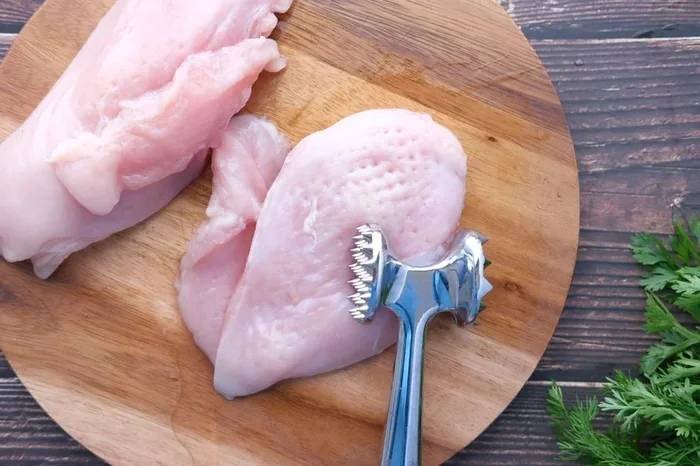
Knowing how to defrost chicken safely is a must for every home cook. You can thaw chicken in the fridge, cold water, or microwave without losing its natural taste. Follow our simple tips to avoid common mistakes and keep your meals delicious.
Key Takeaways
- Refrigerator thawing is the safest and most flavor-friendly method for defrosting chicken.
- Cold water thawing works fast but requires careful monitoring to prevent bacterial growth.
- Microwave defrosting is the quickest option but must be followed by immediate cooking.
- Never thaw chicken at room temperature, as this invites harmful bacteria to multiply.
- Proper storage after thawing is just as important as the thawing process itself.
- Each method has specific timing and temperature guidelines you should follow closely.
📑 Table of Contents
- Why Learning How to Defrost Chicken Safely Matters
- The Safest Way to Defrost Chicken: In the Refrigerator
- Faster Options: Defrosting Chicken in Cold Water
- The Quickest Method: Using the Microwave
- Methods You Should Never Use
- How to Tell When Chicken Is Fully Thawed
- Storing and Cooking Thawed Chicken
- Tips for Keeping Chicken Flavorful After Thawing
- Common Mistakes When Defrosting Chicken
- Expert Insights on Safe Chicken Thawing
- Quick Tips for Safe Chicken Defrosting
- Final Thoughts
Why Learning How to Defrost Chicken Safely Matters
Chicken is one of the most popular proteins in kitchens around the world. But getting it from the freezer to the frying pan isn’t as simple as just taking it out. When you handle thawing the wrong way, you risk spoiling the meat and even putting your health in danger.
That is why understanding how to defrost chicken safely is so important. The method you choose affects more than just speed. It changes the texture, the taste, and the safety of the meal you are about to make. A poor thawing job can leave you with dry, rubbery chicken or a serious case of food poisoning.
In this guide, you will learn every safe way to thaw chicken. You will also discover the mistakes most people make and how to avoid them. By the end, you will feel confident handling frozen chicken like a pro.
The Safest Way to Defrost Chicken: In the Refrigerator
The refrigerator method is widely considered the gold standard. It is slow, yes, but it is also the gentlest and safest option. Cold air circulates around the chicken and thaws it evenly without raising the temperature into the danger zone.
How Long Does It Take?
Plan ahead. A whole chicken or large frozen chicken pieces usually need about 24 hours in the fridge for every five pounds. So a three-pound pack of chicken breasts could take around a day and a half. Smaller cuts like wings or tenders may need just eight to twelve hours.
Steps to Thaw Chicken in the Fridge
- Place the frozen chicken on a plate or shallow dish to catch any drips.
- Keep your refrigerator at 40°F or below for best results.
- Put the chicken on the lowest shelf so juices do not touch other foods.
- Cover the dish loosely with plastic wrap or a lid.
- Check the chicken periodically and cook it as soon as it is fully thawed.
This approach keeps your chicken defrost process under control. It also helps the meat retain its natural juices and flavor. If you have the time, this should always be your first choice.
Faster Options: Defrosting Chicken in Cold Water
Sometimes you forget to take chicken out ahead of time. That is when the cold water method saves the day. It works much faster than the fridge and still keeps things relatively safe.
What You Need
- A leak-proof plastic bag to protect the chicken from water exposure.
- A large bowl or clean sink filled with cold water.
- A weight or plate to keep the chicken fully submerged.
Step-by-Step Instructions
- Seal the frozen chicken tightly in a leak-proof bag. Push out as much air as possible.
- Submerge the sealed chicken in cold water. Make sure it is completely covered.
- Change the water every 30 minutes to keep it cold.
- Small packages usually thaw in about one hour. Larger pieces may take two to three hours.
- Once thawed, cook the chicken immediately.
This method gives you a quick how to defrost chicken solution without sacrificing too much quality. The cold water transfers heat away from the chicken’s surface, which limits bacterial growth. Just remember, cold water only. Warm or hot water invites trouble.
The Quickest Method: Using the Microwave
If you need chicken ready in minutes, the microwave is your best bet. It uses electromagnetic energy to warm the frozen meat from the inside out. This can get the job done in a fraction of the time other methods need.
How to Do It Right
- Remove all packaging from the frozen chicken first.
- Place the chicken on a microwave-safe plate.
- Use the defrost setting or 30 percent power level.
- Check and flip the chicken every two minutes for even thawing.
- Cook it right away once it is thawed. Never store partially defrosted chicken.
Microwaving is a popular way people learn how to defrost chicken in microwave quickly. The downside is that edges can start cooking while the center stays frozen. This uneven warming can affect texture and flavor. That is why immediate cooking is so important after microwaving.
Methods You Should Never Use
Not every thawing approach is safe. Some common habits actually put your health at serious risk. Here are the methods you need to avoid at all costs.
Leaving Chicken on the Counter
This is probably the most common mistake people make. They take frozen chicken out and leave it sitting on the kitchen counter to thaw. The problem is the outer layer reaches temperatures where bacteria multiply rapidly while the inside stays frozen.
The USDA warns against this practice. Once chicken sits between 40°F and 140°F, it enters the danger zone. Bacteria like Salmonella and Campylobacter can double every twenty minutes. You do not want that on your dinner plate.
Using Hot or Warm Water
Some people think running chicken under hot water speeds things up. It does speed things up, but it also starts cooking the outer layers. This creates a perfect environment for bacteria to grow before you even get the chicken into the pan.
Defrosting on the Stove Without Cooking
Putting frozen chicken directly into a hot pan might seem efficient. The outside sears while the inside stays raw. This uneven thawing leads to food safety issues and inconsistent cooking. Always thaw first, then cook evenly.
How to Tell When Chicken Is Fully Thawed
Knowing when your chicken is ready to cook makes a big difference. Under-thawed chicken leads to uneven cooking and disappointing results. Here are reliable ways to check.
- Touch test: Press the thickest part gently. It should feel soft and pliable throughout, with no ice crystals remaining.
- Visual check: Look for any signs of frost or ice inside crevices. Fully thawed chicken looks uniform in color.
- Flexibility: Gently try to bend the piece. Thawed chicken has some give and does not feel rigid.
- Time check: Use the recommended times for your chosen method as a baseline guide.
Being patient during this stage pays off. Rushing leads to poor results. Properly thawed chicken responds better to seasonings and marinades too. It absorbs flavors more evenly when the texture is consistent.
Storing and Cooking Thawed Chicken
Once you have successfully thawed your chicken, the clock starts ticking. You need to handle it with care to maintain safety and quality. Here are some important rules to follow.
How Long Can You Keep Thawed Chicken in the Fridge?
Raw chicken that has been fully thawed in the refrigerator can stay safe for one to two days. After that, bacterial growth becomes a real concern. If you are not ready to cook within that window, consider refreezing it promptly.
Cooking Immediately After Microwave or Water Thawing
Chicken thawed via cold water or microwave should go straight to the heat source. These methods may have partially warmed the surface, creating ideal conditions for bacterial growth. Cooking it right away eliminates that risk entirely.
Refreezing Thawed Chicken
You can refreeze chicken that was thawed in the refrigerator, but quality may decline slightly. Chicken thawed in water or the microwave should be cooked first before refreezing. This ensures the meat stays as flavorful and safe as possible.
Tips for Keeping Chicken Flavorful After Thawing
Defrosting does more than just soften frozen meat. It affects how your chicken tastes and feels when cooked. Here is how to protect that delicious chicken flavor you work hard to achieve.
Pat It Dry Before Cooking
Thawed chicken often carries extra moisture on its surface. Pat it gently with paper towels before seasoning or searing. This helps achieve a beautiful golden crust instead of a soggy, steamed texture.
Season After Thawing
Salt and spices penetrate better when the surface is dry and not icy. Wait to season until after the chicken is fully thawed. This simple step enhances the overall flavor profile significantly.
Marinate for Extra Flavor
Thawed chicken absorbs marinades more effectively. A simple mix of olive oil, garlic, lemon juice, and herbs works wonders. Give it at least 30 minutes in the fridge for the best results.
Avoid Overcrowding the Pan
When you cook too many pieces at once, the temperature drops and the chicken steams. This strips away the appealing roasted exterior. Cook in batches if needed to keep the flavor locked in.
Common Mistakes When Defrosting Chicken
Even experienced cooks sometimes make errors. Here are the most frequent issues and how to fix them.
- Forgetting to plan ahead: Take chicken out the night before if you want to use the fridge method. A little preparation goes a long way.
- Ignoring temperature checks: Always verify your refrigerator stays at 40°F or below with a thermometer.
- Skipping the cooking step: Never thaw chicken and then store it raw for later. Bacteria will already be growing.
- Using the same bag for refreezing: Repackage thawed chicken in fresh, clean bags before putting it back in the freezer.
- Relying on smell alone: Spoiled chicken may not always have an obvious odor. Use time and temperature as your main safety guides.
Expert Insights on Safe Chicken Thawing
Food safety experts consistently recommend the refrigerator method above all others. It maintains a constant, safe temperature throughout the entire chicken defrost process. They also stress the importance of planning meals in advance.
Chefs often point out that properly thawed chicken cooks more evenly and tastes better. The texture stays tender instead of becoming tough or dry. Taking a little extra time upfront saves you from disappointing meals down the line.
Another expert tip is to keep a dedicated plate or tray in your fridge for thawing meat. This prevents cross-contamination and makes cleanup much easier. Small habits like this build a safer, more organized kitchen overall.
Quick Tips for Safe Chicken Defrosting
- Always wash your hands before and after handling raw chicken.
- Clean all surfaces and utensils that come into contact with raw meat.
- Use a meat thermometer to confirm chicken reaches 165°F when cooking.
- Label frozen chicken with the date so you always know how long it has been stored.
- Keep your freezer at 0°F for optimal food preservation and safety.
Final Thoughts
Learning how to defrost chicken safely is a kitchen skill everyone should master. The right method protects your family from foodborne illness and keeps your chicken tasting its best. Whether you choose the fridge, cold water, or microwave, following proper steps is essential.
Avoid the shortcuts that seem tempting but carry real risks. Plan ahead when you can, and use faster methods only when necessary. Always cook thawed chicken promptly and handle it with clean, safe practices.
Now you have the knowledge to make confident choices every time. Put these tips into practice and enjoy safer, more flavorful chicken meals starting today.
Frequently Asked Questions
Can I defrost chicken in hot water?
No, hot water is not safe for thawing chicken. It can start cooking the outer layers while the inside stays frozen. This creates a dangerous environment for bacteria to grow. Always use cold water or safer methods like the refrigerator.
How long can thawed chicken sit in the fridge before cooking?
You should cook thawed chicken within one to two days of placing it in the refrigerator. After that time, harmful bacteria can begin to multiply. If you are not ready to cook, consider refreezing it immediately to stay safe.
Is it safe to cook chicken without fully defrosting it first?
You can cook frozen chicken directly, but it will take much longer and may cook unevenly. The outside can overcook while the center remains undercooked. For the best results and food safety, thaw your chicken properly before cooking.
What is the fastest safe way to defrost chicken?
The cold water method is the fastest safe option. It can thaw smaller chicken packages in about one hour. Just make sure to change the water every 30 minutes and cook the chicken immediately after it is fully thawed.
Can I refreeze chicken that has been thawed in the microwave?
It is best to cook chicken right after thawing it in the microwave. This method may have partially begun cooking the meat, which raises bacteria concerns. If you must refreeze, cook it thoroughly first and then freeze the cooked chicken.
How do I know if my thawed chicken has gone bad?
Look for slimy texture, off-color patches, or a sour or ammonia-like smell. Even if the chicken looks fine, trust your nose when something seems off. When in doubt, throw it out to avoid food poisoning.



