
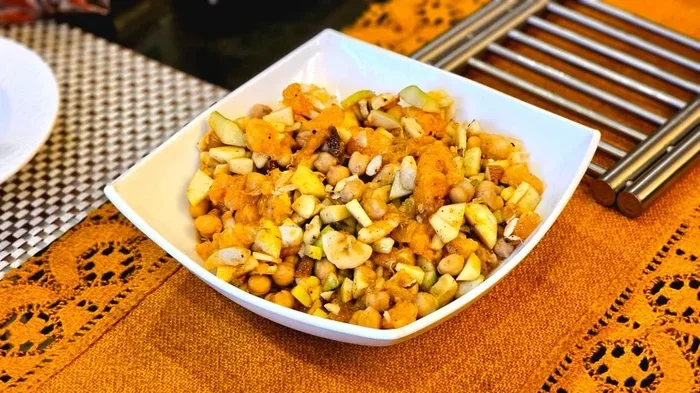
High fiber recipes make healthy cooking simple and satisfying at home. These meals support digestion, boost energy, and keep you full longer with whole grains, vegetables, and legumes. Whether you need breakfast, lunch, dinner, or snacks, this guide covers easy high fiber recipes that anyone can make. You will find practical tips, ingredient ideas, and flavorful combinations that turn everyday meals into nutritious wins.
Eating more fiber does not have to be boring or complicated. With the right high fiber recipes, you can turn simple ingredients into meals that taste great and do wonders for your body. Whether you are new to cooking or a seasoned home chef, fiber-rich meals fit easily into your routine. This guide shares practical tips, easy ingredient swaps, and flavorful ideas that make healthy eating feel natural, not forced.
Fiber plays a huge role in how your body digests food, absorbs nutrients, and stays energized throughout the day. Yet most people do not eat enough of it daily. The good news is that high fiber recipes use ingredients you can find at any grocery store. Lentils, beans, oats, whole wheat pasta, vegetables, and fruits all pack a strong fiber punch. You do not need fancy equipment or hard-to-find ingredients. You just need a little planning and a willingness to try new combinations in your kitchen.
In this article, we will walk through everything you need to know about cooking with fiber. You will learn which ingredients to stock, how to build meals around fiber, and easy recipes for breakfast, lunch, dinner, and snacks. By the end, you will have plenty of ideas to make high fiber recipes a regular part of your weekly meal plan. Let us get started.
Key Takeaways
- Fiber supports gut health: Eating high fiber recipes regularly improves digestion and keeps your gut microbiome balanced.
- Easy ingredients make it simple: You only need whole grains, beans, vegetables, and fruits to create fiber-rich meals at home.
- High fiber recipes work for every meal: From breakfast bowls to dinner mains and snacks, fiber-packed options fit any time of day.
- Meal prep saves time: Batch cooking high fiber ingredients like lentils and quinoa makes weeknight meals faster and easier.
- Fiber helps with weight management: High fiber foods keep you full longer, which supports healthy eating goals.
- Flavor does not get sacrificed: With the right spices and combinations, high fiber meals taste amazing, not bland.
📑 Table of Contents
Why High Fiber Recipes Matter for Your Health
Fiber is one of the most important nutrients people overlook in their daily diet. It helps your body in many ways that go beyond just digestion. When you add more fiber to your meals through simple high fiber recipes, you set yourself up for better health overall.
What Does Fiber Do for Your Body?
Fiber is a type of carbohydrate that your body cannot fully break down. This is actually a good thing. Because it moves through your digestive system mostly intact, it helps regulate how your body processes other nutrients. There are two main types of dietary fiber: soluble and insoluble. Both play important roles in keeping your body functioning well.
Soluble fiber dissolves in water and forms a gel-like substance in your gut. It helps lower cholesterol and keeps blood sugar levels steady. Insoluble fiber adds bulk to your stool and helps food move through your digestive tract more efficiently. Together, these two types of fiber support gut health and help you feel full after eating.
Benefits of Eating More Fiber Every Day
Adding high fiber recipes to your routine brings several real benefits. Here are the key advantages you can expect:
- Better digestion: Fiber keeps things moving smoothly through your digestive system, reducing bloating and discomfort.
- Longer-lasting fullness: High fiber meals take longer to digest, which means you feel satisfied for hours after eating.
- Steadier energy levels: Because fiber slows down sugar absorption, you avoid the energy crashes that come with refined carbs.
- Heart health support: Soluble fiber helps lower bad cholesterol, which supports long-term cardiovascular health.
- Weight management: Feeling full longer naturally helps you eat less without feeling deprived or hungry all the time.
The daily recommended fiber intake for adults is about 25 to 38 grams. Most people only get around 15 grams per day. That gap shows why high fiber recipes are so important. Small changes to what you cook can make a big difference over time.
Best High Fiber Ingredients to Stock Your Kitchen
Building high fiber recipes starts with having the right ingredients on hand. When your pantry and fridge are stocked with fiber-rich staples, putting together a healthy meal becomes fast and effortless. Here is a list of ingredients every home cook should keep available.
Grains and Legumes
Whole grains and legumes are the backbone of most fiber-rich meals. They are affordable, shelf-stable, and incredibly versatile. Try keeping these on your shopping list:
- Lentils: Packed with both soluble and insoluble fiber, lentils cook in about 20 minutes and work in soups, stews, and salads.
- Black beans: One of the most fiber-dense foods available. They add substance to chili, bowls, and wraps.
- Chickpeas: Great for roasting, blending into hummus, or tossing into grain bowls.
- Quinoa: A complete protein that also delivers a solid fiber boost per serving.
- Oats: Perfect for breakfast. Oats contain beta-glucan, a type of soluble fiber that supports heart health.
- Whole wheat pasta: A simple swap that immediately increases the fiber content of your favorite pasta dishes.
Vegetables and Fruits
Vegetables and fruits add fiber along with vitamins, minerals, and natural flavor. Some of the best high fiber options include:
- Broccoli: One cup of cooked broccoli provides about 5 grams of fiber. It works in stir-fries, soups, and roasted side dishes.
- Avocados: Rich in healthy fats and fiber, avocados fit into salads, toast, and smoothies.
- Raspberries: The highest fiber fruit by volume. Add them to oatmeal, yogurt, or eat them as a snack.
- Brussels sprouts: Roasting brings out their natural sweetness while keeping their fiber content intact.
- Sweet potatoes: A filling, fiber-rich base for bowls, mash, or baked fries.
Seeds and Nuts
Seeds and nuts make excellent fiber-boosting additions to any meal. Sprinkle them on top of salads, yogurt, or oatmeal for extra crunch and nutrition. Chia seeds, flaxseeds, almonds, and pumpkin seeds are all easy to keep on hand and work well in high fiber recipes.
Easy High Fiber Breakfast Ideas
Breakfast is the perfect place to start your day with high fiber recipes. A fiber-rich morning meal keeps you full and focused for hours. The best part is that most of these ideas take less than 10 minutes to prepare.
Overnight Oats with Berries
Overnight oats are one of the simplest ways to get a big dose of fiber first thing in the morning. Combine rolled oats with chia seeds, almond milk, and a touch of vanilla. Let the mixture sit in the fridge overnight. In the morning, top it with fresh raspberries and a drizzle of honey. You get a cold, creamy meal that is ready to eat the moment you wake up.
One serving of this breakfast provides around 10 grams of fiber, thanks to the oats, chia seeds, and berries. It is a perfect make-ahead option for busy mornings. You can prepare several jars at once to save even more time during the week.
Savory Oat Bowl with Vegetables
If you prefer something warm and savory for breakfast, try a savory oat bowl. Cook oats in vegetable broth instead of milk. Top with sautéed spinach, mushrooms, and a soft-boiled egg. This approach gives you fiber from the oats and vegetables along with protein from the egg. It is a balanced high fiber recipe that feels more like comfort food than a health food.
Fiber-Rich Smoothie
Smoothies are an easy way to pack in multiple fiber sources at once. Blend together a banana, a handful of spinach, half an avocado, and a tablespoon of ground flaxseed with some almond milk. The result is a thick, creamy drink that delivers fiber, healthy fats, and essential vitamins in one glass. Adding a scoop of oats to the blend makes it even more filling.
High Fiber Lunch and Dinner Recipes
Lunch and dinner are where high fiber recipes really shine. These meals tend to be more filling and allow you to combine many fiber-rich ingredients into one satisfying dish. Here are some ideas that work for everyday cooking.
Lentil and Vegetable Soup
A hearty lentil soup is one of the easiest ways to create a fiber-packed dinner. Sauté onions, carrots, celery, and garlic in a large pot. Add lentils, diced tomatoes, vegetable broth, and your favorite spices like cumin and paprika. Let everything simmer for about 25 minutes until the lentils are tender. Serve with a slice of whole grain bread for an extra fiber boost.
This soup freezes well, making it a great option for meal prep. You can double the batch and store portions for the week ahead. Each bowl delivers around 15 grams of fiber, depending on the vegetables you use.
Quinoa and Black Bean Power Bowl
Power bowls are one of the trendiest ways to enjoy high fiber recipes at home. Start with a base of cooked quinoa. Add black beans, roasted sweet potato cubes, sliced avocado, and a squeeze of lime. Drizzle with a simple dressing made from olive oil and cilantro. This bowl combines soluble and insoluble fiber from multiple sources, making it a well-rounded and satisfying meal.
You can customize this bowl with whatever vegetables you have on hand. Corn, bell peppers, and shredded cabbage all work beautifully. The combination of grains, legumes, and vegetables ensures you get a complete nutritional profile in every bite.
Whole Wheat Pasta with Roasted Vegetables
Swapping regular pasta for whole wheat pasta is an easy way to increase your daily fiber intake. Toss the cooked pasta with roasted broccoli, zucchini, and cherry tomatoes. Add a simple garlic and olive oil sauce, and finish with a sprinkle of parmesan cheese. For extra protein, you can add chickpeas or white beans to the mix.
This dish is quick to prepare and uses minimal ingredients. It is a perfect weeknight dinner when you want something healthy but do not have a lot of time to cook. The roasting process brings out the natural sweetness of the vegetables, which makes this meal genuinely enjoyable to eat.
High Fiber Snacks and Sides
Snacking does not have to mean reaching for processed foods. There are plenty of high fiber recipes that work as quick snacks or simple sides to complement your main meals.
Roasted Chickpeas
Roasted chickpeas are crunchy, satisfying, and full of fiber. Toss canned chickpeas with olive oil, paprika, and a pinch of salt. Spread them on a baking sheet and roast at 400 degrees for about 25 minutes until crispy. These make a great alternative to chips or crackers. A single serving provides around 6 grams of fiber along with a good amount of plant-based protein.
Fiber-Rich Side Salad
A simple side salad can add a meaningful amount of fiber to any meal. Combine mixed greens, sliced cucumber, cherry tomatoes, and a sprinkle of pumpkin seeds. Dress with olive oil and lemon juice. This side dish takes less than five minutes to prepare and adds texture and nutrition to your plate. For a creamier option, try a creamy mayo pasta salad as a fiber-rich side that pairs well with grilled proteins.
Apple Slices with Almond Butter
This classic combination delivers both soluble and insoluble fiber. Apples provide fiber and natural sweetness, while almond butter adds healthy fats and a bit of protein. Slice an apple, spread each piece with almond butter, and enjoy. It is one of the easiest high fiber snacks you can make at home, and it works perfectly for an afternoon energy boost.
Tips for Cooking High Fiber Meals Every Day
Making high fiber recipes a regular habit is easier than most people think. A few smart strategies can help you weave more fiber into your everyday cooking without extra effort or stress.
Start with Small Swaps
You do not need to overhaul your entire diet overnight. Start by making simple swaps that increase fiber gradually. Replace white rice with brown rice or quinoa. Choose whole wheat bread instead of white bread. Swap regular pasta for whole wheat or lentil-based pasta. These small changes add up over time and make a noticeable difference in your daily fiber intake.
Batch Cook Fiber-Rich Staples
Meal prep is one of the best ways to ensure you always have high fiber options available. Spend an hour on Sunday cooking a big batch of lentils, quinoa, and roasted vegetables. Store them in containers in the fridge. When you need a quick meal during the week, you can combine these staples into a bowl, soup, or salad in minutes. For more high protein dinner ideas that pair well with fiber-rich sides, check out these high protein low carb dinner recipes that work great alongside fiber-packed meals.
Add Fiber Where You Least Expect It
Fiber can sneak into meals in creative ways. Add a handful of spinach to your pasta sauce. Mix lentils into your ground meat for tacos or bolognese. Blend white beans into soups for a creamier texture and extra fiber. These small additions boost the nutritional profile of familiar dishes without changing the flavors you already love.
Keep a Variety of Ingredients on Hand
The more fiber-rich ingredients you have available, the easier it is to throw together a nutritious meal. Keep canned beans, frozen vegetables, whole grains, and fresh fruits stocked in your kitchen. When you have these basics ready, creating a balanced and fiber-rich meal becomes second nature. For more inspiration on building complete meals, explore these clean eating recipes that pair well with high fiber ingredients for a balanced plate.
Do Not Forget About Hydration
Fiber works best when you drink enough water. As fiber moves through your digestive system, it absorbs water, which helps it do its job effectively. If you increase your fiber intake suddenly without drinking enough fluids, you may experience bloating or discomfort. Aim to drink at least eight glasses of water per day, especially when you are eating more high fiber meals.
Common Mistakes to Avoid with High Fiber Cooking
While adding more fiber to your diet is a great goal, there are a few common pitfalls to watch out for. Avoiding these mistakes helps you get the most benefit from your high fiber recipes without unwanted side effects.
- Increasing fiber too quickly: Your digestive system needs time to adjust. Add more fiber gradually over a few weeks rather than all at once.
- Not drinking enough water: Fiber needs water to work properly. Without enough fluids, high fiber meals can cause discomfort.
- Relying only on supplements: Whole foods provide fiber along with vitamins, minerals, and other nutrients that supplements cannot match.
- Ignoring variety: Eating the same high fiber foods every day limits your nutrient intake. Rotate different grains, beans, vegetables, and fruits for the best results.
Conclusion
High fiber recipes are one of the simplest and most effective ways to improve your daily nutrition. They do not require expensive ingredients, complicated techniques, or hours in the kitchen. With the right staples on hand and a few basic cooking skills, you can create meals that support your digestion, boost your energy, and keep you feeling satisfied throughout the day.
Start with small changes. Stock your kitchen with lentils, beans, whole grains, and fresh vegetables. Try one new high fiber recipe each week and build from there. Over time, you will notice how these simple meals make you feel better, think more clearly, and stay energized through your busy days. The journey to healthier eating starts with what you cook. Make fiber a priority, and your body will thank you for it.
Frequently Asked Questions
What are the best high fiber recipes for beginners?
Overnight oats, lentil soup, and quinoa power bowls are excellent starting points. They use simple ingredients and require minimal cooking skills. These meals are forgiving and easy to customize based on what you have available at home.
How much fiber should I aim to eat each day?
Most adults should aim for 25 to 38 grams of fiber per day. The exact amount depends on your age, gender, and activity level. Gradually increasing your intake helps your digestive system adjust without discomfort.
Can high fiber recipes help with weight loss?
Yes, high fiber foods help you feel full longer, which can reduce overall calorie intake naturally. When combined with balanced meals and regular eating habits, fiber-rich cooking supports healthy weight management over time.
What is the difference between soluble and insoluble fiber?
Soluble fiber dissolves in water and helps lower cholesterol and blood sugar. Insoluble fiber adds bulk to your digestive system and helps food move through more efficiently. Most high fiber recipes include both types for maximum benefit.
Can I meal prep high fiber recipes for the week?
Absolutely. Lentil soup, quinoa bowls, and roasted vegetable pasta all store well in the fridge for up to five days. Batch cooking fiber-rich staples on the weekend makes weekday meals faster and more convenient.
Are frozen vegetables good for high fiber recipes?
Yes, frozen vegetables are just as nutritious as fresh ones and often more convenient. They are picked at peak ripeness and retain their fiber content well. Frozen broccoli, spinach, and mixed vegetables work perfectly in soups, stir-fries, and bowls.



