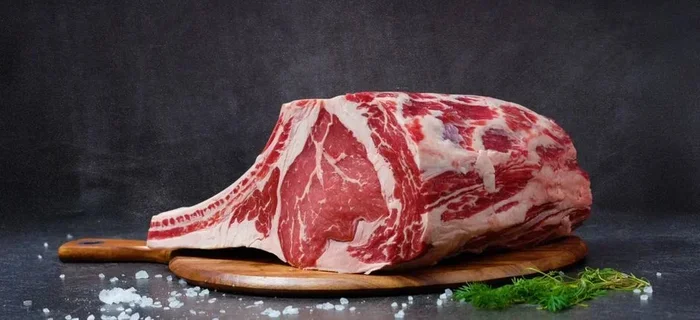
A boneless prime rib cooking chart is your go-to guide for roasting the perfect prime rib every single time. It gives you exact temperatures, timing, and steps so you never overcook or undercook your roast. Whether you are a beginner or a seasoned cook, this chart simplifies the entire process and delivers restaurant-quality results at home.
A boneless prime rib cooking chart is one of the most helpful tools you can have in your kitchen. If you have ever stood in front of an oven wondering how long to cook a prime rib roast, you know the stress. A good chart takes all the guesswork out. It tells you exactly what temperature to aim for, how long to cook, and when to pull your roast from the oven.
Prime rib is one of the most impressive cuts of beef you can serve. It is rich, juicy, and full of flavor. But cooking it perfectly requires attention to detail. A boneless prime rib cooking chart acts as your roadmap. It guides you step by step so you get consistent results every time. Whether you are cooking for a holiday dinner or a weekend gathering, having a reliable chart makes all the difference.
In this article, we walk you through everything you need to know. We cover temperatures, timing, seasoning, and common mistakes. By the end, you will feel confident enough to roast a prime rib like a pro. Let us dive in.
Key Takeaways
- Know your temps: A boneless prime rib cooking chart shows you the exact internal temperatures for rare, medium, and well-done doneness.
- Size matters: The weight of your prime rib roast directly affects cooking time, and the chart helps you plan accordingly.
- Resting is essential: Letting your prime rib rest after cooking keeps it juicy and tender.
- Seasoning early pays off: Dry-brining your boneless rib roast hours ahead deepens flavor and improves texture.
- Use a meat thermometer: Relying on a chart alone is not enough; an accurate thermometer is your best tool.
- Avoid common mistakes: Skipping the resting period and overcooking are the two most frequent errors home cooks make.
📑 Table of Contents
What Is a Boneless Prime Rib Cooking Chart?
A boneless prime rib cooking chart is a reference guide that shows the relationship between roast weight, cooking time, and internal temperature. It helps you plan your prime rib prep from start to finish. Most charts list common roast sizes alongside recommended times and target temperatures for different levels of doneness.
The beauty of a cooking chart is that it removes the uncertainty. You do not need to guess or rely on vague instructions. You simply look up your roast size, set your target temperature, and follow the timeline. It is a straightforward tool that works for beginners and experienced cooks alike.
Most charts also include a resting time recommendation. Resting is just as important as cooking. When you let your roast sit after it comes out of the oven, the juices redistribute throughout the meat. This makes every slice more flavorful and tender. A good beef roast guide always emphasizes this step.
Why Use a Chart Instead of a Recipe?
Recipes give you a fixed set of instructions. But every prime rib roast is different. The size, shape, and starting temperature of your roast all affect how it cooks. A boneless prime rib cooking chart adapts to these variables. It gives you a range of times and temperatures based on the actual weight of your roast.
For example, a 5-pound roast and a 9-pound roast will not cook the same way. A chart accounts for this difference. It shows you that a smaller roast needs less time and that a larger roast requires more careful monitoring. This flexibility is why a chart is more useful than a single recipe for roast beef recipes.
How to Use a Boneless Prime Rib Cooking Chart
Using a boneless prime rib cooking chart is simple, but there are a few steps you should follow for the best results. First, weigh your roast before you start cooking. This gives you the baseline for your time and temperature calculations. A kitchen scale is the best tool for this.
Next, decide on your preferred level of doneness. Do you like your prime rib doneness rare, medium-rare, or well-done? Each level has a specific internal temperature target. A good chart lists these targets clearly so you know exactly what to aim for.
Here is a quick overview of doneness temperatures:
- Rare: 120 to 125 degrees Fahrenheit
- Medium-Rare: 130 to 135 degrees Fahrenheit
- Medium: 140 to 145 degrees Fahrenheit
- Well-Done: 155 to 160 degrees Fahrenheit
Most people prefer medium-rare because it brings out the best flavor and texture in a boneless rib roast. The meat stays juicy and tender with a beautiful pink center. Use these temperatures as your starting point when reading your chart.
Step-by-Step Process
Follow these steps to use your chart effectively. Start by removing your roast from the refrigerator about one hour before cooking. Letting it come to room temperature helps it cook more evenly. Pat the roast dry with paper towels and apply your prime rib seasoning generously.
Preheat your oven to the temperature recommended in your chart, usually around 325 to 450 degrees Fahrenheit depending on the method. Place the roast on a rack in a roasting pan. Insert a meat thermometer into the thickest part of the roast. Now you are ready to cook according to your chart’s time guidelines.
Prime Rib Time and Temperature Guide
The prime rib time and temperature relationship is the core of any good cooking chart. Time and temperature work together to determine how your roast turns out. Cook too hot and the outside burns before the inside is done. Cook too cool and the roast takes forever to reach the right temperature.
A typical low and slow roast approach uses a steady oven temperature of around 325 degrees Fahrenheit. This method gives you even cooking and a beautiful crust. For a faster cook, some cooks start at a higher temperature and then reduce it. Your chart should account for both approaches.
Time Per Pound Guidelines
Most boneless prime rib cooking chart resources show time per pound as a baseline. Here is a general guideline for a 325 degree Fahrenheit oven:
- 3 to 4 pounds: About 25 to 30 minutes per pound
- 5 to 6 pounds: About 22 to 25 minutes per pound
- 7 to 8 pounds: About 20 to 22 minutes per pound
- 9 to 10 pounds: About 18 to 20 minutes per pound
These numbers are starting points. Your actual prime rib cooking time may vary based on your oven, the shape of the roast, and your starting temperature. Always rely on your meat thermometer more than the clock. The chart gives you a timeline, but the thermometer gives you the truth.
For those who prefer a slow roast prime rib approach, you can lower the oven temperature to 275 degrees Fahrenheit. This extends the cooking time but produces incredibly tender results. A boneless prime rib cooking chart that includes both options gives you more flexibility in the kitchen.
Choosing the Right Size Boneless Prime Rib
Prime rib size is one of the most important decisions you will make. The size of your roast affects cooking time, portion planning, and overall results. A boneless prime rib cooking chart helps you choose the right weight for your gathering.
As a general rule, plan for about one pound of boneless prime rib per person. This accounts for bone-free slices and some shrinkage during cooking. If you are cooking for eight people, look for an 8 to 10-pound roast. For a smaller group of four, a 4 to 5-pound roast works perfectly.
Understanding Prime Rib Per Pound
The concept of prime rib per pound is straightforward but important. A larger roast takes longer to cook, but it also holds heat better. This means a bigger roast may be slightly easier to cook evenly. A smaller roast cooks faster but requires more careful monitoring to avoid overcooking.
When you look at a beef roast guide, you will notice that size recommendations are always tied to the number of guests. This is because prime rib is often the centerpiece of a meal. You want enough to go around without running short. A good chart helps you nail the right size every time.
If you are buying from a butcher, ask them to trim and tie the roast for you. A well-prepared boneless rib roast cooks more evenly and is easier to handle. Some butchers also offer pre-seasoned options, which can save you time on prime rib prep day.
Seasoning and Prep Tips for Perfect Prime Rib
Prime rib seasoning can make or break your roast. A simple blend of salt, pepper, garlic powder, and rosemary works beautifully. But the timing of your seasoning matters just as much as the ingredients themselves.
For the best results, dry-brine your roast the night before cooking. Spread a generous layer of kosher salt over the entire surface and place it uncovered in the refrigerator overnight. The salt draws out moisture, which then gets reabsorbed into the meat. This process seasons the roast deeply and creates a firmer surface that browns beautifully.
When you are ready to cook, take the roast out of the refrigerator about one hour before it goes in the oven. This brings it closer to room temperature, which promotes even cooking. Pat the surface dry again with paper towels and apply any additional seasoning.
Tools You Will Need
Having the right tools makes the entire process smoother. A meat thermometer is non-negotiable. You cannot cook a perfect prime rib without one. An extra long wooden spoon can also be handy for checking the roast or basting if you are using a pan with high sides. Make sure your spoon can reach the bottom of your roasting pan comfortably.
You will also need a sturdy roasting pan and a wire rack. The rack allows hot air to circulate around the roast, which promotes even browning. If you are concerned about cleanup, line the pan with a sheet of high temperature plastic wrap before adding the rack and roast. This catches drips and makes scrubbing much easier.
After your roast is done, you will have a pool of flavorful drippings in the pan. Do not throw them away. Strain and store the fat in a quality grease container for reusable cooking oil. Prime rib drippings are incredibly rich and can be used for cooking vegetables, making gravy, or adding depth to other dishes.
Common Mistakes to Avoid
Even with a great boneless prime rib cooking chart, mistakes can happen. The good news is that most common errors are easy to avoid once you know what they are.
The first mistake is skipping the resting period. When you pull your roast from the oven, resist the urge to cut into it right away. Your roast needs at least 15 to 30 minutes to rest. During this time, the internal temperature rises by a few degrees, and the juices settle back into the meat. Cutting too early releases those juices onto the cutting board instead of keeping them in the slice.
The second mistake is relying solely on cooking time instead of temperature. A chart gives you a time estimate, but every oven is different. Hot spots, oven calibration, and roast shape all affect the outcome. Always use a meat thermometer to check the internal temperature. This is the only way to know for sure that your roast is done.
The third mistake is under-seasoning. Prime rib has a lot of natural flavor, but it still needs salt and seasoning to shine. Do not be shy with your prime rib seasoning. The dry-brine method we discussed earlier helps, but a final seasoning right before cooking adds an extra layer of flavor.
Expert Insights
Professional chefs often emphasize one simple rule: trust the thermometer, not the clock. A boneless prime rib cooking chart gives you a framework, but the thermometer gives you the answer. Invest in a reliable instant-read thermometer and check your roast frequently as it approaches the target temperature.
Another expert tip is to let your roast come fully to room temperature before cooking. This might mean taking it out of the refrigerator two hours ahead of time in cooler kitchens. The more evenly tempered the roast starts, the more evenly it cooks. This small step can make a big difference in your final result.
Conclusion
A boneless prime rib cooking chart is an essential tool for anyone who loves roasting prime rib at home. It takes the mystery out of cooking times, temperatures, and doneness levels. With a chart in hand, you can plan your roast with confidence and focus on enjoying the process rather than worrying about the outcome.
Remember to weigh your roast, choose your target doneness, and use a reliable meat thermometer. Season your roast ahead of time, let it rest properly after cooking, and avoid the common mistakes that trip up even experienced cooks. With practice and the right guidance, you will serve prime rib that rivals any steakhouse.
Now that you have all the information you need, it is time to put it into action. Pick up a quality boneless rib roast, pull out your chart, and start roasting. Your family and guests will thank you. Happy cooking.
Frequently Asked Questions
What temperature should boneless prime rib be cooked to?
The ideal internal temperature depends on your preference. For rare, aim for 120 to 125 degrees Fahrenheit. Medium-rare is 130 to 135 degrees, which most people consider the sweet spot. Medium comes in at 140 to 145 degrees, and well-done reaches 155 to 160 degrees. Always let your roast rest for at least 15 minutes after removing it from the oven.
How long does it take to cook a boneless prime rib per pound?
At 325 degrees Fahrenheit, a boneless prime rib typically takes about 18 to 30 minutes per pound depending on the size. Smaller roasts cook faster, around 25 to 30 minutes per pound, while larger roasts take closer to 18 to 22 minutes per pound. Use a meat thermometer to confirm doneness rather than relying solely on time.
Should I cover my prime rib while it rests?
Yes, covering your prime rib loosely with foil during the resting period helps retain heat. However, do not wrap it tightly, as this can trap steam and soften the crust. A loose tent of foil keeps the roast warm without compromising the beautiful sear on the outside.
Can I cook boneless prime rib in a slow cooker?
Yes, you can cook boneless prime rib in a slow cooker, though it will not develop the same crust as oven-roasted prime rib. A slow cooker works well for a low and slow approach. Use your boneless prime rib cooking chart as a reference for time and temperature, but adjust expectations for the different cooking method.
What is the best way to store leftover prime rib?
Store leftover prime rib in an airtight container in the refrigerator for up to 3 to 4 days. Slice the meat before storing for easier reheating. Reheat gently in a low oven or microwave to prevent drying out. Save the drippings for use in sandwiches, soups, or gravies.
How do I know if my prime rib is done without a thermometer?
While a thermometer is the most reliable method, you can also use the finger test. Press the center of the roast with your finger and compare the firmness to the feel of your palm below your thumb. Rare feels soft, medium-rare has slight give, and well-done feels firm. However, this method takes practice and is less accurate than using a thermometer.