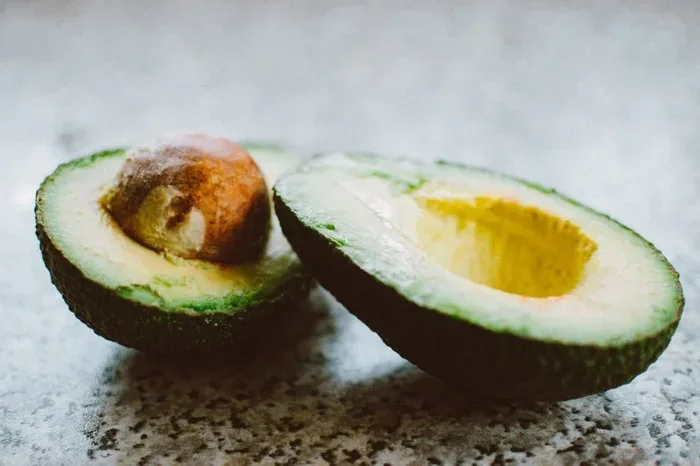
A whole Hass avocado contains about 240 calories, while half an avocado has roughly 120 calories. Avocados are packed with heart-healthy monounsaturated fats, fiber, and essential nutrients like potassium and vitamin E. Understanding avocado calories helps you enjoy this nutritious fruit while managing your daily intake.
Avocados have become a staple in kitchens around the world. You find them in toast, salads, smoothies, and even desserts. But one question keeps coming up: how many calories in an avocado? Whether you are counting macros, trying to lose weight, or just curious about what you eat, understanding the calorie content of this green fruit matters a lot.
The answer is not as simple as a single number. Avocado calories depend on the size of the fruit, the variety, and how you measure it. A small avocado might have around 160 calories, while a large one can push past 400. In this guide, we break down everything you need to know about avocado nutrition, serving sizes, and why this creamy fruit deserves a place in your meals.
Key Takeaways
- A whole avocado has around 240 calories: Most of those calories come from healthy fats, not carbs.
- Half an avocado is a common serving: It provides about 120 calories and a big dose of nutrients.
- Avocados are rich in monounsaturated fats: These fats support heart health and help your body absorb vitamins.
- Calorie density is high: Avocados are calorie-dense, so portion control matters if you are watching your intake.
- Avocado nutrition goes beyond calories: Fiber, potassium, and vitamins make this fruit a nutritional powerhouse.
- Different sizes affect calorie counts: A small avocado has fewer calories than a large one.
- Avocados fit many diets: They work well for keto, vegan, and balanced eating plans.
📑 Table of Contents
- How Many Calories Are in an Avocado?
- What Makes Up the Calories in an Avocado?
- Avocado Calories and Weight Management
- How Avocado Calories Compare to Other Foods
- Best Ways to Enjoy Avocado Without Overdoing Calories
- Health Benefits Beyond Calories
- Common Mistakes People Make With Avocado Calories
- Final Thoughts on Avocado Calories
How Many Calories Are in an Avocado?
The calorie count in an avocado varies based on its size. Let us look at the numbers so you know what to expect.
Calories by Serving Size
- 1 ounce (28g) of avocado: About 24 calories
- One-third of a medium avocado: Around 80 calories
- Half a medium avocado: About 120 calories
- A whole medium Hass avocado: Roughly 240 calories
- A large avocado (entire fruit): Up to 320 calories or more
These numbers are based on raw, fresh avocado with no added ingredients. If you mash it, blend it, or mix it with other foods, the calorie count changes. For example, adding avocado to a sandwich with cheese and mayo will add more calories on top of the avocado calories already there.
Why Size Matters So Much
Not all avocados are created equal. A Hass avocado from the grocery store might weigh anywhere from 150 grams to 300 grams. The bigger the fruit, the more calories it contains. This is why nutrition labels sometimes show a range. When you are tracking your intake, it helps to weigh your avocado on a kitchen scale. That way, you get an accurate picture of what you are eating.
Quick Tip: The pit takes up a lot of space inside the fruit. So when you scoop out the flesh, you are not getting the full weight of the whole avocado. A medium avocado with a pit might yield about 150 grams of edible flesh, which equals roughly 120 calories.
What Makes Up the Calories in an Avocado?
When you ask about how many calories in an avocado, the next logical question is where those calories come from. The answer lies in the macronutrients.
Fat Content: The Big Contributor
About 77% of the calories in an avocado come from fat. But do not let that scare you. The fat in avocados is mostly monounsaturated fat, specifically oleic acid. This is the same healthy fat found in olive oil. Studies have linked monounsaturated fats to reduced inflammation, better heart health, and improved cholesterol levels.
Here is a quick look at the fat breakdown in a whole medium avocado:
- Total fat: About 22 grams
- Saturated fat: Around 3 grams
- Monounsaturated fat: About 14 grams
- Polyunsaturated fat: Around 2.5 grams
Compared to other high-fat foods, avocados are a much healthier choice. They contain zero cholesterol and very little sodium. The fat profile is one of the main reasons avocado nutrition gets so much praise from dietitians and health experts.
Carbs and Fiber
Carbs make up a small portion of avocado calories. A whole medium avocado has about 12 grams of total carbohydrates. But here is the good news: about 9 grams of that is fiber. Fiber does not digest the way other carbs do, so it does not spike your blood sugar. It keeps you full, supports gut health, and helps with digestion.
Net carbs in an avocado are very low, which is why this fruit fits so well into low-carb and keto diets. You get the creaminess and satisfaction of a high-fat food without the carb load.
Protein and Micronutrients
Avocados are not a major source of protein. A whole fruit provides about 3 grams. But what they lack in protein, they make up for in vitamins and minerals. A single avocado delivers significant amounts of:
- Potassium: More than a banana, gram for gram
- Vitamin K: Supports bone health and blood clotting
- Vitamin E: A powerful antioxidant
- Vitamin C: Boosts immune function
- B vitamins: Especially folate, which is vital for cell growth
These micronutrients are a big part of why people ask about avocado calories in the first place. The fruit packs a lot of nutrition into every calorie.
Avocado Calories and Weight Management
One of the biggest concerns people have is whether avocados are good for weight loss. The high calorie and fat content can seem counterintuitive. But the reality is more nuanced.
Why Avocados Can Help With Weight Loss
Healthy fats slow down digestion. This means you feel full longer after eating avocado. When you feel satisfied, you are less likely to snack on unhealthy foods later. The fiber in avocados adds to this effect. Together, fat and fiber make avocado nutrition a powerful tool for appetite control.
Research has shown that people who eat avocados regularly tend to have lower body weight and less belly fat. This does not mean avocados magically burn fat. It means they help you eat less overall by keeping hunger at bay.
Portion Control Is Key
Because avocado calories add up quickly, portion control is important. A whole avocado is calorie-dense. If you are trying to lose weight, sticking to half an avocado per meal is a smart move. You still get all the nutritional benefits without overdoing the calories.
Common Mistake: Many people underestimate how much avocado they eat. A “half” at a restaurant might actually be two-thirds or more. Always be mindful of serving sizes, especially when dining out.
How Avocado Calories Compare to Other Foods
To put avocado calories in perspective, let us compare them to other common foods.
| Food (100g) | Calories | Fat (g) | Carbs (g) | Protein (g) |
|---|---|---|---|---|
| Avocado | 160 | 15 | 9 | 2 |
| Banana | 89 | 0.3 | 23 | 1.1 |
| Butter | 717 | 81 | 0.1 | 0.9 |
| Olive Oil | 884 | 100 | 0 | 0 |
| Almonds | 579 | 50 | 22 | 21 |
As you can see, avocados are calorie-dense, but they are not the most calorie-dense food out there. Butter and olive oil pack far more calories per gram. Compared to nuts, avocados have fewer calories and less fat. And unlike butter, avocados bring fiber, vitamins, and minerals to the table.
When you compare avocado calories to fruits like bananas or apples, avocados are higher. But they also provide a very different nutritional profile. The healthy fats and fiber make them more filling per calorie than most fruits.
Best Ways to Enjoy Avocado Without Overdoing Calories
You do not need to avoid avocados to manage your calorie intake. The key is being mindful of how you use them.
Measuring Your Portions
Using a kitchen scale is the best way to track avocado calories accurately. Weigh the whole fruit before you cut it, then calculate the portion you are eating. A kitchen scale costs just a few dollars and takes the guesswork out of portion control.
Simple Serving Ideas
- Half an avocado on whole-grain toast: A balanced breakfast with healthy fats and complex carbs
- One-quarter avocado in a salad: Adds creaminess without blowing your calorie budget
- Half an avocado in a smoothie: Makes the texture rich and creamy while adding nutrients
- Avocado slices on a sandwich: Replace mayo with avocado for a healthier swap
- Guacamole as a dip: Just watch your portion size, especially with tortilla chips
Storing Avocados and Avocado Products
If you prepare avocado dishes ahead of time, proper storage helps maintain freshness and nutrition. Whole avocados can be stored in the fridge for several days. If you have leftover avocado, sprinkle it with lemon juice and wrap it tightly in plastic wrap to prevent browning.
For longer-term storage, you can dehydrate avocado slices in the oven. Dehydrated avocado makes a great snack, and the process preserves the nutrients while reducing moisture content. If you are interested in food preservation methods, you might also want to learn about how to store food in Mylar bags for dry goods and dehydrated items.
Another great option is making avocado-based products like frozen guacamole or avocado oil. These let you enjoy the health benefits of avocado nutrition over a longer period without worrying about spoilage.
Health Benefits Beyond Calories
Focusing only on avocado calories misses the bigger picture. This fruit offers a wide range of health benefits that make it worth including in your diet.
Heart Health
The monounsaturated fats in avocados help lower LDL (bad) cholesterol while raising HDL (good) cholesterol. Potassium, another nutrient abundant in avocados, supports healthy blood pressure levels. Together, these nutrients contribute to a healthier cardiovascular system.
Nutrient Absorption
Some nutrients are fat-soluble, meaning your body needs fat to absorb them. Vitamins A, D, E, and K all fall into this category. Adding avocado to a salad with vegetables helps your body absorb more of the nutrients from those veggies. This makes avocado a smart addition to any meal with plant-based ingredients.
Skin and Hair Health
Vitamin E and healthy fats nourish your skin from the inside out. Biotin, a B vitamin found in avocados, supports healthy hair and nails. Many people use avocado oil topically for its moisturizing properties, but eating the fruit provides similar benefits.
Eye Health
Avocados contain lutein and zeaxanthin, two antioxidants that protect your eyes from harmful light. Regular consumption of these nutrients is linked to a lower risk of macular degeneration and cataracts as you age.
Common Mistakes People Make With Avocado Calories
Even health-conscious eaters sometimes make mistakes when it comes to tracking avocado calories. Here are a few to watch out for.
Assuming All Avocados Are the Same Size
This is the most common error. A small avocado and a large avocado can differ by over 100 calories. Always check the size and weight of your fruit before logging it in your food tracker.
Forgetting What You Eat It With
An avocado on its own is nutritious. But pair it with chips, cheese, or heavy dressings, and the calorie count skyrockets. Be mindful of what you combine with your avocado.
Overestimating “Healthy” Foods
Just because a food is nutritious does not mean you can eat unlimited amounts. Avocados are healthy, but they are also calorie-dense. Enjoy them in moderation as part of a balanced diet.
Final Thoughts on Avocado Calories
So, how many calories in an avocado? The answer depends on the size, but a whole medium avocado has about 240 calories and half has roughly 120. These calories come mostly from heart-healthy fats, fiber, and a impressive lineup of vitamins and minerals.
Avocados are one of the most nutrient-dense foods you can eat. They support heart health, help with weight management, and add incredible flavor and texture to meals. The key is enjoying them in the right portions so you get all the benefits without overdoing the calories.
Whether you are slicing one onto toast, blending it into a smoothie, or making homemade guacamole, knowing your avocado calories helps you make informed choices. This versatile fruit fits into almost any eating plan, from keto to Mediterranean to simple balanced nutrition. Embrace the green goodness, but keep an eye on your portions, and you will enjoy everything avocado has to offer.
For more tips on food storage and preservation, check out our guide on how to dehydrate vegetables in the oven to learn how to make crispy avocado chips and other healthy snacks at home.
Frequently Asked Questions
How many calories are in a whole avocado?
A whole medium Hass avocado contains approximately 240 calories. However, the exact number depends on the size of the fruit. Small avocados may have around 160 calories, while very large ones can exceed 300 calories. Always check the weight for the most accurate count.
Is an avocado high in calories?
Avocados are calorie-dense compared to most fruits. A half avocado has about 120 calories, which is higher than an apple or banana of the same weight. But the calories come from healthy fats and fiber, which provide lasting energy and satiety. This makes avocados a nutrient-rich choice despite their higher calorie content.
How many calories are in half an avocado?
Half of a medium avocado has roughly 120 calories. This serving provides about 11 grams of healthy fats, 6 grams of fiber, and a good amount of potassium and vitamins. Half an avocado is a common portion size that fits well into most meal plans.
Are avocado calories bad for weight loss?
No, avocado calories are not bad for weight loss. The healthy fats and fiber in avocados help you feel full and satisfied, which can reduce overall calorie intake throughout the day. The key is portion control. Sticking to half an avocado per serving keeps the calories manageable while still delivering great nutrition.
How do avocado calories compare to other fruits?
Avocados have more calories than most fruits because of their high fat content. A banana has about 89 calories per 100 grams, while an avocado has about 160 calories per 100 grams. But unlike bananas, avocados provide healthy fats and fiber that support heart health and sustained energy.
What is the calorie content of avocado oil?
Avocado oil is very calorie-dense, with about 124 calories per tablespoon (14 grams). Most of those calories come from monounsaturated fats. While avocado oil is healthy, it is easy to overdo the calories since oils are concentrated sources of fat. Use it in moderation for cooking or salad dressings.