
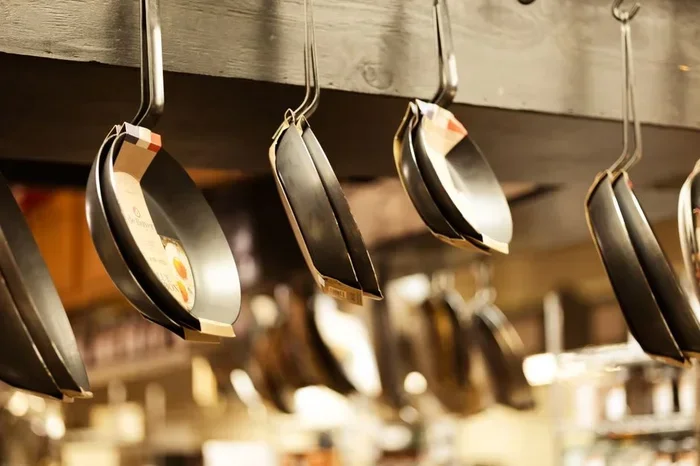
Our non-stick cookware reviews break down the best brands, materials, and performance picks for any kitchen. Whether you want ceramic non-stick or traditional PTFE coatings, this guide covers it all. You will learn how to choose durable non-stick pans, avoid common mistakes, and keep your easy clean cookware lasting for years.
Non-stick cookware has become a kitchen staple for home cooks everywhere. The idea of food sliding right off the pan without sticking is a game changer. But with so many brands and coatings on the market, finding the right one can feel overwhelming.
That is exactly why we put together these non-stick cookware reviews. We tested and researched the top brands to help you make a smart choice. Whether you are a beginner or a seasoned cook, this guide has everything you need. We will cover materials, top brands, performance, and tips for getting the most out of your pans.
Key Takeaways
- Top brands matter: Brands like T-fal, Calphalon, and GreenPan lead the market in non-stick performance and durability.
- Material choice is key: Ceramic, PTFE, and titanium coatings each offer different benefits for healthy cooking and longevity.
- Proper care extends life: Learning how to clean nonstick cookware and avoid high heat keeps your pans working great.
- Safety matters: Choosing non-toxic options ensures your healthy cooking habits stay safe for you and your family.
- Match pan to task: Different non-stick skillets and pots serve different cooking needs, so pick wisely.
📑 Table of Contents
- Why Non-Stick Cookware Is a Kitchen Essential
- How Non-Stick Coatings Work
- Top Non-Stick Cookware Brands Reviewed
- How to Choose the Best Non-Stick Cookware
- Common Mistakes That Damage Non-Stick Pans
- How to Tell If Your Pan Is Still Non-Stick
- Comparison Table: Top Non-Stick Cookware Brands
- Final Thoughts
Why Non-Stick Cookware Is a Kitchen Essential
Non-stick pans make everyday cooking simpler and faster. Food releases easily, which means less oil and easier cleanup. For anyone who loves healthy cooking, this is a big win. You use less fat, and your meals come out just as delicious.
The non-stick coating on these pans creates a smooth surface that prevents food from clinging. This is especially helpful when cooking eggs, pancakes, or delicate fish. Even experienced cooks rely on non-stick frying pans for certain tasks because the results are so consistent.
Another reason non-stick cookware is so popular is its versatility. You can use it on stovetops, in ovens, and even for baking. Many cookware sets include a mix of pans and pots with non-stick surfaces. This makes building a full kitchen collection easy and affordable.
Who Benefits Most from Non-Stick Pans?
- Busy home cooks: Quick meal prep with less cleanup time.
- Health-conscious cooks: Reduced oil and fat usage during cooking.
- Beginners: Forgiving surface that prevents food from burning or sticking.
- Families: Easy to cook multiple meals without constant scrubbing.
How Non-Stick Coatings Work
Understanding the non-stick coating helps you choose the right pan. Different materials create different levels of stick resistance. Let us look at the most common types used in non-stick cookware today.
PTFE (Teflon) Coatings
PTFE is the most traditional non-stick surface. It has been used for decades and offers excellent food release. The coating is smooth and reduces friction between food and the pan surface. PTFE non-stick pans are affordable and widely available.
However, PTFE coatings can degrade over time. Scratches and high heat can damage the surface. Once the coating wears away, food starts to stick. This is why proper care is so important for durable non-stick performance.
Ceramic Coatings
Ceramic coatings have grown in popularity as a non-toxic alternative to PTFE. They are made from silica and other natural minerals. Ceramic non-stick pans do not contain PFOA or PTFE, which appeals to many health-conscious buyers.
The downside is that ceramic coatings may not last as long as PTFE. They tend to lose their non-stick performance faster, especially with frequent use. However, brands like GreenPan have improved ceramic durability significantly. If you want healthy cooking with peace of mind, ceramic is worth considering.
Titanium and Diamond-Reinforced Coatings
Some premium pans use titanium or diamond particles to strengthen the non-stick surface. These coatings are harder and more scratch-resistant. They offer excellent non-stick performance and tend to last longer than standard PTFE.
The trade-off is price. Titanium-reinforced pans cost more upfront. But if you want long-lasting cookware that performs well, the investment pays off over time.
Top Non-Stick Cookware Brands Reviewed
Not all non-stick pans are created equal. Some brands focus on budget-friendly options, while others prioritize premium performance. Here is a closer look at the best non-stick cookware brands on the market.
T-fal
T-fal is one of the most recognized names in non-stick cookware. Their pans offer reliable food release at an affordable price point. The T-fal E93808 Professional Total Nonstick Fry Pan is a popular choice for everyday cooking.
T-fal pans use Thermo-Spot technology, which shows you when the pan is preheated. This small feature makes a big difference in cooking performance. The non-stick coating is durable for the price, though it may not last as long as premium brands.
Calphalon
Calphalon offers a wide range of non-stick cookware sets for different budgets. Their Contemporary Nonstick collection features hard-anodized construction for even heat distribution. This means your food cooks evenly without hot spots.
Calphalon pans are known for their thick, heavy construction. This adds stability and heat retention. The non-stick surface holds up well over time, especially when you follow proper care guidelines. For those wondering how to keep nonstick cookware in top shape, check out our guide on how to clean nonstick cookware for helpful tips.
GreenPan
GreenPan specializes in ceramic non-stick cookware that is free from PTFE and PFOA. Their Thermolon coating is designed to withstand higher temperatures than standard ceramic. This makes GreenPan a strong choice for those who want non-toxic cookware.
If you are curious about how GreenPan performs in real-world cooking, read our detailed review on how good is GreenPan cookware. The brand offers excellent non-stick performance for a premium price. Their pans are also oven-safe up to 450 degrees Fahrenheit, which adds versatility.
Scanpan
Scanpan is a premium brand known for its titanium-reinforced non-stick coating. Their pans are made in Denmark and built to last. The coating is incredibly durable and resistant to scratching.
Scanpan pans use recycled materials and are committed to sustainability. This makes them a great choice for eco-conscious cooks. The non-stick performance is outstanding, and the pans hold up beautifully over years of use. They are not cheap, but the quality speaks for itself.
Farberware
Farberware offers budget-friendly non-stick cookware that performs well for everyday tasks. Their pans are lightweight and easy to handle. The non-stick surface works great for eggs, pancakes, and basic cooking needs.
Farberware pans may not last as long as premium options. But for the price, they deliver solid non-stick performance. They are a great entry point for anyone building a new kitchen without a big budget.
How to Choose the Best Non-Stick Cookware
Choosing the right non-stick cookware depends on several factors. Not every pan works for every cook. Here is what you should consider before buying.
Consider Your Cooktop Type
Not all non-stick pans work well on every cooktop. If you have an induction cooktop, you need pans with a magnetic base. Check out our review of the best non-stick skillet for induction cooktop to find compatible options.
For glass cooktops, choose pans with smooth bottoms that won’t scratch the surface. Standard non-stick cookware usually works fine, but avoid pans with rough or uneven bases.
Think About Your Cooking Style
Do you cook eggs every morning? A quality non-stick skillet is a must. Do you bake? Look for non-stick bakeware that can handle high oven temperatures.
Your cooking habits should guide your choice. Heavy-duty cooking calls for thicker pans with reinforced coatings. Light cooking like eggs and toast works well with thinner, more affordable options.
Check the Warranty
A good warranty shows the manufacturer stands behind their product. Premium brands like Scanpan offer lifetime warranties. Budget brands may only offer one to two years of coverage.
The warranty length often reflects the expected durability of non-stick cookware. Longer warranties usually mean better materials and construction. Always read the fine print to understand what is covered.
Look for Oven Safety
Not all non-stick pans are oven-safe. Check the maximum temperature before putting your pan in the oven. Most PTFE pans handle up to 450 to 500 degrees Fahrenheit.
Ceramic coatings typically have lower oven-safe limits. Always follow the manufacturer’s guidelines. Exceeding the temperature limit can damage the non-stick coating and release harmful fumes.
Common Mistakes That Damage Non-Stick Pans
Even the best non-stick cookware will fail if you mistreat it. Avoiding these common mistakes helps your pans last much longer.
Using Metal Utensils
Metal forks, knives, and spatulas scratch the non-stick surface. Always use wooden, silicone, or nylon utensils instead. Silicone utensils are especially gentle and work well with any coating.
Preheating on High Heat
High heat is the enemy of non-stick coatings. Never preheat an empty non-stick pan on high heat. The coating can degrade and release harmful fumes. Always use medium or low heat for best results.
Using Abrasive Cleaners
Steel wool and harsh scrubbers destroy the non-stick surface. Use soft sponges and mild dish soap instead. If food is stuck, soak the pan in warm water before cleaning. For stubborn residue, check out our guide on how to remove nonstick coating from cookware for safe removal tips.
Stacking Pans Without Protection
Stacking non-stick pans without protective layers causes scratches. Place a paper towel or soft cloth between each pan. This simple habit keeps your non-stick surface intact for years.
How to Tell If Your Pan Is Still Non-Stick
Over time, the non-stick coating wears down. Knowing the signs helps you replace your pan before it becomes a problem. If food starts sticking regularly, the coating is likely worn out.
Visible scratches, peeling, or discoloration are clear warning signs. A warped pan base also affects non-stick performance. For a more detailed guide on checking your pan, see our article on how to know if a pan is non-stick.
Regular inspection keeps your kitchen running smoothly. Replace worn pans to maintain food quality and healthy cooking habits. A damaged non-stick coating can also affect the taste of your food.
Comparison Table: Top Non-Stick Cookware Brands
| Brand | Coating Type | Price Range | Oven Safe Temp | Warranty |
|---|---|---|---|---|
| T-fal | PTFE | Budget | 400°F | 2-3 years |
| Calphalon | PTFE | Mid-Range | 450°F | Limited lifetime |
| GreenPan | Ceramic | Premium | 450°F | Lifetime |
| Scanpan | Titanium | Premium | 500°F | Lifetime |
| Farberware | PTFE | Budget | 350°F | 1-2 years |
This comparison shows that premium brands offer better durability and non-stick performance. But budget options like T-fal and Farberware still deliver solid results for everyday cooking. The best choice depends on your needs and budget.
Final Thoughts
Non-stick cookware reviews help you find the perfect pan for your kitchen. Whether you prefer PTFE, ceramic, or titanium coatings, there is a brand that fits your needs. The key is to match the pan to your cooking style and care for it properly.
Investing in quality non-stick cookware pays off in the long run. You get better cooking results, easier cleanup, and healthy cooking with less oil. Take your time, compare options, and choose the brand that works best for you. Your kitchen will thank you every day.
Frequently Asked Questions
What is the best non-stick cookware brand?
It depends on your budget and needs. T-fal is great for budget-friendly options, while GreenPan and Scanpan lead in premium ceramic and titanium coatings. For a balanced choice, Calphalon offers excellent performance at a mid-range price point.
Is ceramic non-stick cookware safer than PTFE?
Ceramic coatings are free from PTFE and PFOA, making them a popular choice for non-toxic cookware. However, PTFE pans are safe when used at normal cooking temperatures. Avoid overheating any non-stick pan to maintain safety and non-stick performance.
How long does non-stick cookware last?
With proper care, quality non-stick pans last 3 to 5 years. Premium brands with titanium or reinforced coatings can last longer. Regular use and high heat will shorten the lifespan of any non-stick coating.
Can you use metal utensils on non-stick pans?
No, metal utensils scratch the non-stick surface and damage the coating. Always use wooden, silicone, or nylon utensils. Silicone utensils are especially gentle and work well with all types of non-stick cookware.
How do you clean non-stick cookware properly?
Use warm water, mild dish soap, and a soft sponge. Never use steel wool or abrasive cleaners. Soak stuck-on food before cleaning. For detailed instructions, visit our guide on how to clean nonstick cookware.
Is non-stick cookware good for high-heat cooking?
No, non-stick pans work best on medium or low heat. High heat damages the coating and reduces non-stick performance. For high-heat cooking, consider stainless steel or cast iron pans instead.



