Cooking swordfish steaks is easier than you think, and the results are restaurant-quality every time. This guide covers everything from choosing the freshest fish to mastering the perfect internal temperature. You will learn three proven cooking methods, common mistakes to avoid, and simple recipes that bring out the best in every swordfish steak.
Key Takeaways
- Choose thick, fresh swordfish steaks: Look for vibrant color and a mild ocean smell for the best results.
- Bring the steak to room temperature: Letting it sit out for 20 minutes ensures even cooking throughout.
- Use high heat for searing: A hot pan or grill creates a beautiful crust while keeping the inside tender.
- Cook to 145°F internal temperature: This is the safe doneness level recommended by food safety experts.
- Rest the steak before serving: Letting it rest for 3-5 minutes keeps the juices locked in.
- Marinate for flavor: A simple olive oil and herb marinade adds depth without overpowering the fish.
📑 Table of Contents
- What Makes Swordfish Steaks Special
- How to Choose and Prep Swordfish Steaks
- Best Cooking Methods for Swordfish Steaks
- Swordfish Steak Temperature and Timing Guide
- Common Mistakes to Avoid When Cooking Swordfish
- Delicious Serving Ideas and Flavor Combinations
- Storing and Reheating Leftover Swordfish
- Conclusion
What Makes Swordfish Steaks Special
Swordfish steaks are one of the most popular cuts in the seafood world. They come from the thick loin of the swordfish, a large predatory fish found in tropical and temperate oceans. The meat is dense, meaty, and holds up beautifully to high heat. Unlike flaky fish like tilapia or cod, swordfish steaks have a steak-like texture that appeals to people who are not big fish eaters.
The popularity of swordfish steaks comes from their versatility. You can grill them, sear them in a pan, bake them in the oven, or even smoke them. Each method brings out different flavors and textures. A well-cooked swordfish steak has a golden crust on the outside and a moist, flaky interior. It pairs well with almost any side dish, from roasted vegetables to a fresh salad.
When you cook swordfish steaks at home, you control the quality of ingredients and the cooking process. There are no hidden additives or preservatives. You simply start with fresh fish and a few pantry staples. The result is a healthy, protein-rich meal that feels indulgent without being complicated.
How to Choose and Prep Swordfish Steaks
Selecting the Freshest Swordfish
Great cooking starts with great ingredients. When buying swordfish steaks, look for meat that is firm and shiny. The color should be a creamy white or light pink with no dull or gray patches. Fresh swordfish has a mild ocean smell, never a strong fishy odor. If you buy from a fish counter, ask the vendor when the stock arrived. The fresher, the better.
Thickness matters a lot when you are cooking swordfish. Look for steaks that are at least one inch thick. Thin steaks dry out quickly, while thicker steaks give you a wider window for perfect cooking. A one-inch to one-and-a-half-inch thick steak is the sweet spot for most cooking methods.
Tenderizing and Seasoning Your Steak
Swordfish is naturally tender, but you can make it even better with a few simple steps. If the steak feels slightly tough, you can tenderize it naturally by pounding it gently with a meat mallet. Use the flat side and work from the center outward. This breaks down the muscle fibers and creates a more uniform texture.
Seasoning is where you can get creative. A simple blend of salt, black pepper, garlic powder, and smoked paprika works wonders. For a Mediterranean twist, mix olive oil, lemon juice, fresh oregano, and a pinch of red pepper flakes. Let the steak marinate for at least 15 minutes, or up to 30 minutes in the refrigerator. Longer marinating can break down the delicate texture, so keep it brief.
Before cooking, take the steak out of the fridge and let it sit at room temperature for about 20 minutes. This step is crucial because it ensures the steak cooks evenly from edge to center. A cold steak going into a hot pan will cook unevenly, with the outside overcooked and the center still cold.
Best Cooking Methods for Swordfish Steaks
Pan-Searing Swordfish Steaks
Pan-searing is the most popular way to cook swordfish steaks at home. It creates a gorgeous golden crust and keeps the inside moist. Start by heating a cast iron skillet or stainless steel pan over medium-high heat. Add a thin layer of oil with a high smoke point, such as avocado oil or grapeseed oil.
If you prefer to cook without added oil, you can use a quality non-stick pan. Swordfish has enough natural fat to release easily from a good non-stick surface. Place the steak in the pan and resist the urge to move it. Let it sear undisturbed for about 4 to 5 minutes until you see a golden brown crust forming.
Flip the steak carefully using a wide spatula. Cook the other side for another 3 to 4 minutes. The total cook time depends on the thickness of the steak. Use an instant-read thermometer to check the internal temperature. You want it to reach 145°F in the thickest part. Once done, remove the steak and let it rest on a warm plate for a few minutes before serving.
Grilling Swordfish Steaks
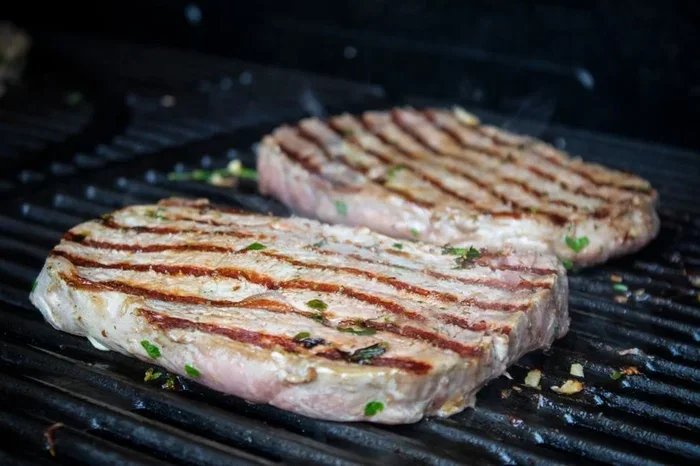
Grilling adds a smoky flavor that pairs beautifully with swordfish. Preheat your grill to high heat, around 400°F to 450°F. Make sure the grates are clean and lightly oiled to prevent sticking. Brush the swordfish steak with olive oil on both sides, then place it on the grill.
Grill each side for about 4 to 5 minutes. You will know the steak is ready to flip when it releases easily from the grate. If it sticks, it is not ready yet. Give it another minute and try again. Swordfish steaks are dense enough that they hold together well on the grill, unlike more delicate fish.
Grilled swordfish steaks look stunning with visible grill marks. They pair perfectly with a squeeze of fresh lemon and a drizzle of herb butter. For a more intense flavor, baste the steak with a garlic butter mixture during the last minute of grilling.
Baking Swordfish Steaks in the Oven
Baking is the easiest and most hands-off method. Preheat your oven to 400°F. This temperature works well for many types of fish, including salmon cooked at 400, and it works just as well for swordfish. Place the steak on a parchment-lined baking sheet or in a lightly greased baking dish.
Bake the swordfish steak for about 12 to 15 minutes, depending on thickness. The fish is done when it flakes easily with a fork and reaches an internal temperature of 145°F. Baking allows you to cook multiple steaks at once, making it ideal for feeding a crowd. You can also add vegetables like cherry tomatoes, asparagus, or sliced bell peppers to the same pan for a complete meal.
Swordfish Steak Temperature and Timing Guide
Getting the temperature right is the single most important factor in cooking perfect swordfish. The target internal temperature for swordfish steaks is 145°F. At this temperature, the fish is fully cooked, safe to eat, and still moist. Overcooking swordfish is the most common mistake home cooks make.
Here is a simple reference guide for cooking times:
- One-inch thick steak: 4 to 5 minutes per side on the stove or grill, or 10 to 12 minutes in the oven at 400°F.
- One-and-a-half-inch thick steak: 5 to 6 minutes per side on the stove or grill, or 14 to 16 minutes in the oven at 400°F.
- Two-inch thick steak: 6 to 7 minutes per side on the stove or grill, or 16 to 18 minutes in the oven at 400°F.
Always use an instant-read thermometer inserted into the thickest part of the steak. Visual cues like flaking can help, but a thermometer removes all guesswork. Remember that the temperature will rise a few degrees after you remove the steak from the heat, a phenomenon known as carryover cooking. Pull the steak off the heat just before it reaches your target temperature.
Common Mistakes to Avoid When Cooking Swordfish
Even experienced home cooks make mistakes with swordfish. The good news is that most of these errors are easy to avoid once you know what they are.
Cooking swordfish straight from the refrigerator is the number one mistake. A cold center leads to an overcooked exterior and an undercooked middle. Always let the steak come to room temperature before it hits the pan or grill.
Using a pan that is not hot enough is another common error. If the pan is not properly heated, the steak will steam instead of sear. You want to hear a satisfying sizzle the moment the steak touches the surface. That sizzle is what creates the flavorful crust.
Overcooking the fish is the biggest flavor killer. Swordfish dries out quickly once it passes the ideal temperature. Keep a close eye on the clock and use a thermometer. It is always better to pull the steak a little early and let carryover cooking finish the job.
Skipping the resting period after cooking is a small mistake with big consequences. When you cut into a hot steak immediately, the juices run out and the fish dries out. Letting it rest for 3 to 5 minutes allows the juices to redistribute, resulting in a moister, more flavorful bite.
Delicious Serving Ideas and Flavor Combinations
Swordfish steaks pair wonderfully with a wide range of flavors. For a bright, fresh taste, top the steak with a salsa made from diced mango, red onion, jalapeño, and lime juice. The sweetness of the mango complements the mild flavor of the swordfish perfectly.
For a Mediterranean-style dish, serve grilled swordfish over a bed of couscous with roasted vegetables and a lemon-tahini drizzle. A simple side of garlic butter green beans or lemon herb rice makes an excellent companion to any preparation method.
If you are looking for something more indulgent, try a creamy lemon caper sauce. Melt butter in a saucepan, add minced garlic, capers, and a splash of lemon juice. Spoon this over the cooked steak just before serving. The sauce adds richness and acidity that balances the dense, meaty texture of the fish.
Swordfish also works beautifully in salads. Slice the cooked steak and toss it over a bed of mixed greens, cherry tomatoes, avocado, and a light vinaigrette. This makes for a light but satisfying lunch or dinner option that is packed with protein.
Storing and Reheating Leftover Swordfish
If you have leftover cooked swordfish, store it properly to enjoy it the next day. Place the steak in an airtight container and refrigerate within two hours of cooking. Properly stored, cooked swordfish keeps well in the fridge for up to three days. The flavor often improves overnight as the seasonings penetrate deeper into the fish.
When reheating, use a gentle method to avoid drying out the steak. Wrap the swordfish loosely in foil and warm it in the oven at 275°F for about 10 minutes. You can also reheat it in a skillet over low heat with a splash of broth or water to keep it moist. Avoid microwaving if possible, as it tends to make the fish rubbery.
Conclusion
Cooking swordfish steaks at home is a rewarding experience that delivers impressive results with minimal effort. The key is to start with fresh, quality fish, bring it to room temperature before cooking, and use the right heat for the right amount of time. Whether you prefer the crust of a pan-seared steak, the smoky flavor of grilled swordfish, or the ease of oven-baked fish, this guide gives you everything you need to succeed.
Remember to use a thermometer, avoid overcooking, and let the steak rest before serving. These small habits make a huge difference in the final result. With practice, you will be able to cook swordfish steaks perfectly every single time, impressing your family and guests with restaurant-quality seafood from your own kitchen.
So grab a fresh swordfish steak, fire up your pan or grill, and enjoy the process. Good cooking is about confidence and technique, and now you have both. Happy cooking!
Frequently Asked Questions
How long does it take to cook swordfish steaks?
Cooking time depends on the thickness of the steak. A one-inch thick steak takes about 4 to 5 minutes per side on the stove or grill. In the oven at 400°F, it takes around 10 to 12 minutes. Always use a thermometer to check for doneness.
What is the best way to cook swordfish steaks?
Pan-searing is the most popular method because it creates a delicious golden crust while keeping the inside moist. Grilling and baking are also excellent options. Choose the method that suits your tools and time.
Can you eat swordfish steak medium rare?
It is best to cook swordfish to an internal temperature of 145°F for food safety. While some people prefer a slightly translucent center, fully cooking the fish ensures it is safe to eat and has the best texture.
How do you know when swordfish is done?
Swordfish is done when it flakes easily with a fork and reaches an internal temperature of 145°F. The meat should be opaque throughout and moist, not dry or chalky.
Should you marinate swordfish steaks?
Marinating adds flavor and a little moisture, but keep it short. 15 to 30 minutes is ideal. Long marinating times can break down the texture of the fish and make it mushy.
What goes well with swordfish steaks?
Swordfish pairs well with lemon, garlic, herbs like oregano and basil, roasted vegetables, couscous, rice, and fresh salads. A light sauce like lemon caper butter or mango salsa adds a wonderful finishing touch.