Corned beef is a flavorful, brined cut of beef that’s perfect for hearty meals and special occasions. This guide covers everything you need to know about corned beef, from selecting the right cut and mastering cooking methods to fixing common problems and storing leftovers. Whether you are a beginner or a seasoned cook, you will find practical tips and clear instructions to elevate your corned beef dishes.
Corned beef holds a special place in kitchens around the world. This brined, cured cut of beef brings bold flavor and comforting warmth to the dinner table. Whether you are planning a St. Patrick’s Day feast or simply craving a hearty meal, corned beef delivers every time.
But cooking the perfect corned beef is not always straightforward. Many home cooks face challenges like tough texture, bland flavor, or drying out during the cooking process. That is exactly why we put together this complete guide. Here, you will learn everything you should know about corned beef cooking, from start to finish. We will walk you through choosing the right cut, preparing it, cooking it, and even fixing common mistakes.
The beauty of corned beef lies in its simplicity. With just a few key techniques and some patience, you can create restaurant-quality results right in your own kitchen. This guide is designed for all skill levels, so whether you have never cooked corned beef before or you are looking to refine your method, you will find something useful here.
Key Takeaways
- Choose the right cut: The best corned beef comes from the brisket, and selecting the right piece makes all the difference.
- Brining matters: The brining process is what gives corned beef its signature salty, tangy flavor and tender texture.
- Low and slow wins: Cooking corned beef on low heat for a longer time produces the juiciest, most tender results.
- Fix tough meat easily: If your corned beef turns out tough, there are simple fixes that can save the dish.
- Storage is key: Properly storing leftover corned beef keeps it fresh and safe to enjoy for days.
- Pair it well: Classic sides like cabbage, potatoes, and mustard elevate any corned beef meal.
📑 Table of Contents
- What Is Corned Beef?
- Choosing the Best Corned Beef
- How to Cook Corned Beef Perfectly
- Common Corned Beef Problems and How to Fix Them
- Best Sides and Serving Ideas for Corned Beef
- Storing and Reheating Corned Beef
- Expert Tips for the Best Corned Beef Every Time
- Nutritional Information and Health Considerations
- Conclusion
What Is Corned Beef?
Corned beef starts as a simple cut of beef, usually from the brisket. The meat gets cured in a brine solution made of salt, water, and spices. This process, called brining, can take several days. During this time, the meat absorbs the salty, savory flavors that make corned beef so distinctive.
The Brining Process
The brine is the secret behind great corned beef. It typically includes large chunks of salt, or “corns” of salt, which is where the name comes from. Additional spices like peppercorns, bay leaves, mustard seed, and juniper berries add depth and complexity. Some recipes also include sugar and nitrate for color and preservation.
Brining does two important things. First, it seasons the meat deeply from the inside out. Second, it breaks down the muscle fibers, which helps the meat stay tender during cooking. This is why corned beef tastes so different from regular boiled or roasted beef.
A Brief History of Corned Beef
Corned beef has roots that stretch back centuries. The method of curing meat with large salt crystals was a practical way to preserve beef before refrigeration. Irish immigrants in the United States popularized corned beef as a staple dish, especially around St. Patrick’s Day. Today, it remains a beloved comfort food enjoyed across cultures and cuisines.
Choosing the Best Corned Beef
Selecting the right piece of meat is the first step to a great dish. Not all corned beef is created equal, and a good choice sets you up for success.
Types of Cuts
The most common cut used for corned beef is the brisket. There are two main parts of the brisket to choose from:
- Flat cut: This is leaner and easier to slice evenly. It works well for those who prefer less fat.
- Point cut: This has more marbling and fat, which makes it juicier and more flavorful after cooking.
For beginners, a flat cut is often easier to handle because it has a more uniform shape. However, if you want maximum tenderness and rich flavor, the point cut is hard to beat.
What to Look For at the Store
When shopping for corned beef, look for a few key qualities. The meat should have a deep pink to red color. It should feel firm but not dry. Check the packaging date to make sure it is fresh. If you buy a pre-packaged corned beef, read the label to see if it includes a seasoning packet or if you need to supply your own spices.
Many butchers also offer custom corned beef preparations. This is a great option if you want more control over the salt level and spice profile of your meat.
How to Cook Corned Beef Perfectly
Cooking corned beef properly is all about method and patience. There are several ways to prepare it, and each brings out slightly different flavors and textures.
Stovetop Method
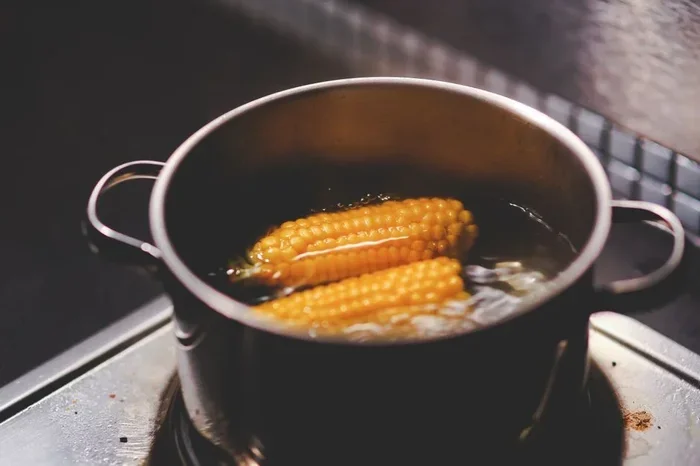
The stovetop method is the most traditional approach. You place the corned beef in a large pot, cover it with water, and bring it to a gentle simmer. Then you let it cook slowly for several hours.
Here is a simple approach:
- Rinse the corned beef under cold water to remove excess surface salt.
- Place it in a large pot and cover it with water by about two inches.
- Add the seasoning packet or your own spices for extra flavor.
- Bring the water to a boil, then reduce the heat to a low simmer.
- Cook for about 3 to 4 hours, or until the meat is fork-tender.
- Remove the meat, let it rest for 10 minutes, then slice against the grain.
The key to success with the stovetop method is keeping the heat low. A rolling boil will make the meat tough and dry. A gentle simmer keeps the texture soft and juicy.
Slow Cooker Method
If you prefer a hands-off approach, the slow cooker works wonderfully. Place the corned beef in the cooker, add water or beer for extra flavor, and pour in the seasoning. Cook on low for 8 to 10 hours. This method produces incredibly tender meat with very little effort.
Many people also love using the slow cooker for corned beef because it frees up stovetop space for preparing side dishes like potatoes and cabbage.
Oven Roasting
Oven roasting is another excellent option. After simmering the corned beef on the stove for about two hours to soften it, transfer it to a baking dish. Add your favorite glaze and bake at 300 degrees Fahrenheit for another 2 to 3 hours. The result is a beautifully caramelized exterior with a moist, tender interior.
Common Corned Beef Problems and How to Fix Them
Even experienced cooks run into trouble with corned beef sometimes. The good news is that most problems have simple solutions.
Tough or Chewy Texture
Tough corned beef usually means it was cooked at too high a temperature or for too short a time. The connective tissue in the brisket needs time to break down. If you find yourself dealing with chewy meat, try returning it to the pot and simmering it for another 30 to 60 minutes. For more detailed troubleshooting, check out our guide on how to fix tough corned beef on the stove for step-by-step solutions.
Too Salty
Corned beef can sometimes turn out overly salty, especially if you use the full seasoning packet. To reduce saltiness, soak the meat in cold water for a few hours before cooking. Change the water once or twice during the soak. During cooking, you can also add a peeled potato to the pot, which helps absorb some of the excess salt.
Dry Meat
Dry corned beef happens when it cooks too long at high heat or when the fat gets trimmed away too early. To keep your meat moist, cook it low and slow, and leave a layer of fat on during the cooking process. You can trim excess fat after cooking, once the meat has had time to stay juicy.
Best Sides and Serving Ideas for Corned Beef
Corned beef pairs beautifully with a variety of sides. The right accompaniments can turn a simple dish into a memorable meal.
Classic Pairings
The most traditional pairing is corned beef and cabbage. Other classic sides include boiled potatoes, carrots, and Irish soda bread. A dollop of mustard or horseradish sauce on the side adds a nice kick that cuts through the richness of the meat.
Creative Leftover Ideas
Leftover corned beef is a gift in the kitchen. You can chop it up and add it to soups, sandwiches, hashes, and casseroles. For inspiration on turning your leftovers into delicious new meals, explore our collection of leftover ground beef dinner ideas, which offers creative ways to repurpose cooked meats in exciting new dishes.
Corned beef also works wonderfully in tacos, quesadillas, and even pasta dishes. Do not be afraid to think outside the box and experiment with your leftovers.
Storing and Reheating Corned Beef
Proper storage is essential for keeping your corned beef safe and delicious. After cooking, let the meat cool to room temperature, then wrap it tightly in plastic wrap or aluminum foil. Place it in an airtight container and refrigerate within two hours of cooking.
Cooked corned beef keeps well in the refrigerator for up to 3 to 4 days. For longer storage, you can freeze it for up to 3 months. When you are ready to reheat, do so gently on the stovetop with a splash of water or broth. This helps retain moisture and keeps the meat from drying out.
For more detailed guidance on keeping your beef fresh and safe, visit our article on how to store beef for comprehensive tips on refrigeration, freezing, and food safety.
Expert Tips for the Best Corned Beef Every Time
Here are some pro tips that will help you achieve outstanding results with every batch of corned beef you cook:
- Always slice against the grain. This makes the meat easier to chew and more tender.
- Do not skip the rinse. Rinsing the meat before cooking removes excess surface salt and improves the final flavor.
- Use a meat thermometer. Internal temperature of 145 degrees Fahrenheit is the safe minimum, but for corned beef, you want it to reach around 200 to 205 degrees for the best tenderness.
- Let it rest after cooking. Giving the meat 10 to 15 minutes to rest allows the juices to redistribute, resulting in a moister slice.
- Experiment with liquids. Replace some of the water with beer, beef broth, or even apple cider for added depth of flavor.
- Glaze in the last 30 minutes. A brown sugar and mustard glaze adds a sweet, tangy crust that elevates the dish.
Nutritional Information and Health Considerations
Corned beef is a good source of protein, vitamin B12, and zinc. However, it is also high in sodium due to the curing process. If you are watching your salt intake, consider soaking the meat before cooking to draw out some of the salt. Portion control is also important, as corned beef is rich in saturated fat and calories.
For a balanced meal, pair your corned beef with plenty of vegetables and whole grains. This helps offset the richness of the meat and adds fiber, vitamins, and minerals to your plate.
Conclusion
Corned beef is a versatile, flavorful, and satisfying dish that deserves a regular spot in your cooking rotation. From choosing the right cut and mastering the brining process to picking the best cooking method and fixing common mistakes, this guide has covered everything you need to know. With a little patience and the right technique, you can serve up tender, juicy, and perfectly seasoned corned beef every single time.
Remember that practice makes perfect. Each time you cook corned beef, you will learn more about what works best in your kitchen. Do not be afraid to try new spices, experiment with different cooking times, and explore creative serving ideas. The more you cook it, the more confident you will become. So grab a brisket, gather your spices, and get ready to enjoy one of the most beloved comfort foods in the world.
Happy cooking, and enjoy every bite of your perfectly prepared corned beef!
Frequently Asked Questions
How long does it take to cook corned beef?
Cooking time depends on the method you use. On the stovetop, plan for 3 to 4 hours of simmering. In a slow cooker, 8 to 10 hours on low works best. In the oven, expect 2 to 3 hours after an initial simmer. The meat is done when it is fork-tender and pulls apart easily.
Should I rinse corned beef before cooking?
Yes, rinsing corned beef under cold water before cooking is recommended. This removes excess surface salt from the brining process and helps you control the final flavor of the dish. It is a simple step that makes a noticeable difference.
Can I use the seasoning packet that comes with corned beef?
Absolutely. Most store-bought corned beef comes with a seasoning packet that is formulated to complement the meat. However, you can also customize your own spice blend if you prefer different flavors. Adding extra bay leaves, peppercorns, or mustard seed can enhance the taste even further.
What is the best way to slice corned beef?
Always slice corned beef against the grain. Look for the direction of the muscle fibers and cut perpendicular to them. This shortens the fibers and makes each slice much more tender and easier to chew. Use a sharp knife for clean, even slices.
Can I freeze cooked corned beef?
Yes, cooked corned beef freezes very well. Wrap it tightly in plastic wrap or aluminum foil, then place it in a freezer-safe container. It will keep for up to 3 months in the freezer. Thaw it in the refrigerator overnight before reheating gently on the stovetop.
Why is my corned beef tough and chewy?
Tough corned beef usually results from cooking at too high a heat or not cooking it long enough. The brisket cut contains a lot of connective tissue that needs time and gentle heat to break down. If your meat turns out tough, return it to the pot and simmer it for another 30 to 60 minutes until it becomes tender.