
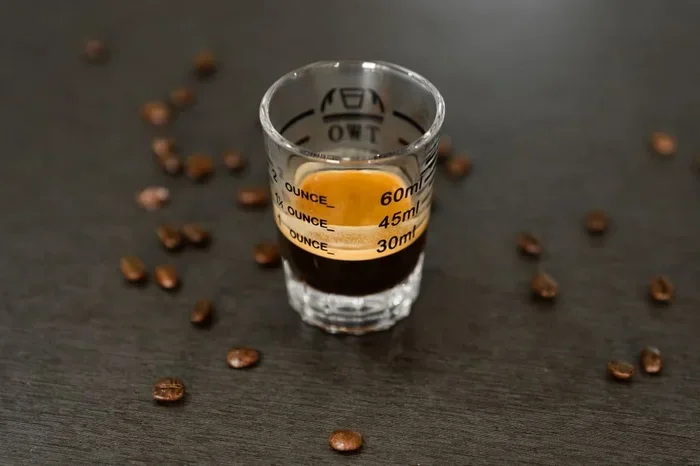
One fluid ounce equals about 29.57 milliliters, and understanding this conversion helps you cook and bake with confidence. Whether you are following a recipe from another country or measuring liquids for your morning coffee, knowing the ml to oz relationship saves time and prevents mistakes. This guide breaks down the conversion in simple terms with practical examples you can use right away.
Have you ever been in the middle of a recipe and stumbled across a measurement that confused you? Maybe the recipe said 8 ounces of liquid, but your measuring cup only shows milliliters. Or perhaps you are trying to convert a liquid measurement from a British cookbook and are not sure what the numbers mean. You are not alone. This is one of the most common kitchen measurements puzzles home cooks face every day.
The good news is that converting milliliters to ounces is simpler than you think. Once you know the basic numbers, you can flip between the two units in seconds. In this article, we walk you through everything you need to know about how many milliliters are in an ounce, why the distinction between fluid and dry ounces matters, and how to use this knowledge to improve your cooking and baking. Let us get started.
Key Takeaways
- 1 fluid ounce equals 29.57 milliliters in the US measurement system.
- 1 imperial fluid ounce equals 28.41 milliliters, which is slightly less than the US version.
- A quick trick for estimating: round 29.57 ml to 30 ml for everyday cooking.
- Liquid ounces and dry ounces are different, and confusing them leads to measurement errors.
- Knowing this conversion helps when following international recipes or using metric measuring tools.
- A conversion chart is one of the handiest tools to keep in your kitchen.
- Precision matters in baking, where small measurement differences change the final result.
📑 Table of Contents
- What Is a Milliliter and What Is an Ounce?
- The Exact Conversion: How Many Milliliters in an Ounce
- Fluid Ounce vs. Dry Ounce: What Is the Difference?
- Quick Conversion Chart for Everyday Use
- Why Knowing This Conversion Matters in the Kitchen
- Common Mistakes When Converting Milliliters and Ounces
- Expert Tips for Precision in the Kitchen
- Frequently Asked Questions
- Conclusion
What Is a Milliliter and What Is an Ounce?
Before we dive into the numbers, it helps to understand what these units actually are. A milliliter, often written as ml, is a unit of volume in the metric system. It is a very small unit. One milliliter is about the size of a single drop of water. People around the world use milliliters to measure liquids, from water and milk to oil and juice.
An ounce, on the other hand, is a unit used mostly in the United States. When we talk about liquid ounces, we are measuring volume. But ounces can also measure weight, which is where things get tricky. The US fluid ounce and the imperial fluid ounce (used in the UK) are not the same size. This is the first thing you need to keep in mind when doing any volume conversion.
The Metric System vs. The Imperial System
The metric system is built on multiples of ten, which makes it easy to work with. You just move the decimal point. The imperial system, which the US still uses for most everyday measurements, relies on older traditions and fractions. This is why converting between the two systems can feel confusing at first. But once you know the key numbers, it becomes second nature.
Most digital scales and measuring tools sold in the US today include both metric and imperial markings. This makes life easier, but you still need to know what those numbers mean. That is exactly what this guide is here for.
The Exact Conversion: How Many Milliliters in an Ounce
Here is the number you have been waiting for. 1 US fluid ounce equals 29.57 milliliters. That is the precise answer. If you are working with the imperial fluid ounce used in the United Kingdom and some other countries, the number is slightly different: 1 imperial fluid ounce equals 28.41 milliliters.
For most everyday cooking and baking, the difference between these two numbers is small enough that it does not matter much. But if you are following a recipe from a British cookbook or baking something very precise, the distinction becomes important.
A Simple Way to Remember the Conversion
Here is a handy tip: round 29.57 ml up to 30 ml for quick estimates. When you are cooking, you rarely need perfect precision for every measurement. If a recipe calls for 2 ounces of broth, you can estimate that as about 60 ml. For 4 ounces, think of it as roughly 120 ml. This quick conversion trick works well for most soups, sauces, and beverages.
However, when baking conversions are involved, you should use the exact numbers. Baking is a science, and even small differences in liquid volume can change the texture and rise of your baked goods. In those cases, reach for a conversion chart or a kitchen calculator.
Fluid Ounce vs. Dry Ounce: What Is the Difference?
This is one of the most important measurement units concepts to understand. A fluid ounce measures volume, which is how much space a liquid takes up. A dry ounce measures weight, which is how heavy something is. They are not the same thing, and confusing them can lead to problems in your cooking.
For example, 1 fluid ounce of water weighs about 1.04 dry ounces. But 1 fluid ounce of honey weighs much more because honey is denser than water. This is why recipes often specify whether they want fluid ounces or dry ounces. When a recipe says 8 ounces of flour, it means weight. When it says 8 ounces of milk, it usually means volume.
Why This Matters for Your Cooking
If you are measuring flour and the recipe says 8 ounces, you should use a kitchen scale, not a liquid measuring cup. Pouring flour into a liquid measuring cup and filling it to the 8-ounce line would give you the wrong amount. The same goes for liquid ounces. If a recipe calls for 4 fluid ounces of oil, you need a measuring cup marked in ml or fluid ounces, not a scale.
Understanding this difference is one of the biggest steps you can take toward becoming a more confident cook. It also helps when you are measuring coffee or any other beverage. For instance, if your coffee maker manual lists water amounts in ounces but your kettle shows milliliters, you now know exactly how to convert.
Quick Conversion Chart for Everyday Use
Keep this simple chart handy. It covers the most common conversions you will need in the kitchen. Whether you are halving a recipe or doubling it, these numbers will save you time and guesswork.
- 1 fluid ounce = 29.57 ml (round to 30 ml for quick estimates)
- 2 fluid ounces = 59.15 ml (about 60 ml)
- 4 fluid ounces = 118.3 ml (about 120 ml)
- 8 fluid ounces = 236.6 ml (about 240 ml, which is also 1 cup)
- 12 fluid ounces = 354.9 ml (about 355 ml, a standard soda can)
- 16 fluid ounces = 473.2 ml (about 475 ml, which is also 2 cups)
Notice how 8 fluid ounces equals about 240 ml, which is also 1 cup. This is a very useful connection to remember. Many cup measurements in American recipes translate easily to milliliters. A cup is about 240 ml, so half a cup is about 120 ml, and a quarter cup is about 60 ml.
Using the Chart in Real Situations
Imagine you are making a soup and the recipe calls for 6 ounces of vegetable broth. Looking at the chart, you know that is about 177 ml. You can use a measuring jug with ml markings and fill it to the 175 ml line, which is close enough for most cooking purposes.
Or suppose you are making a cocktail and the recipe calls for 1.5 fluid ounces of lime juice. That is about 44 ml. A small jigger or measuring spoon set will help you get this right quickly.
Why Knowing This Conversion Matters in the Kitchen
You might wonder why you need to know how many milliliters are in an ounce when most American recipes use cups and ounces. The answer is simple: the world is getting more connected, and recipes travel easily across borders. You might find a amazing recipe for a how to boil soup base from a Japanese blog, or a British baking recipe that uses milliliters and grams exclusively.
When you understand liquid measurement conversions, you can try recipes from any country without worrying about the numbers. This opens up a whole world of cooking possibilities. You are not stuck only using American recipes. You can explore cuisines from Europe, Asia, and beyond with confidence.
Cooking and Baking with International Recipes
Many European and Australian recipes use the metric system. A cake recipe might call for 250 ml of milk and 120 ml of oil. If you are used to thinking in ounces and cups, these numbers might seem strange at first. But once you know that 250 ml is about 8.5 fluid ounces and 120 ml is about 4 fluid ounces, the recipe becomes much easier to follow.
The same goes for recipe conversions when you are scaling a recipe up or down. If a recipe serves 4 and you need to serve 6, you multiply every ingredient by 1.5. Knowing how to convert between ml and oz makes this math much simpler, especially when the original recipe uses a different measurement system than the one you are used to.
Even something as simple as how to boil pasta or grains requires accurate liquid measurements. If you are using a recipe that lists water in milliliters but your pot has ounce markings, you need to know the conversion to get the right amount of water. Too little water and your pasta sticks. Too much and you waste energy boiling it down.
Common Mistakes When Converting Milliliters and Ounces
Even experienced cooks make mistakes with volume conversion. Here are the most common errors and how to avoid them.
- Confusing fluid ounces with dry ounces. Always check whether the recipe is talking about volume or weight. If it is a liquid ingredient, use fluid ounces. If it is a dry ingredient like flour or sugar, use a scale for weight.
- Using the wrong conversion factor. Remember that the US fluid ounce is 29.57 ml, not 30 ml exactly. Rounding is fine for everyday cooking, but precision matters in baking.
- Not accounting for the imperial fluid ounce. If you are using a British recipe, remember that 1 imperial fluid ounce is 28.41 ml, which is slightly less than the US version. Using the wrong one can throw off your measurements.
- Measuring liquids in a dry measuring cup. Always use a liquid measuring cup for fluids. Dry measuring cups are designed for level scoops of dry ingredients and do not work well for liquids.
- Ignoring temperature effects. The volume of a liquid can change slightly with temperature. Most conversion charts assume room temperature, which is fine for most cooking but worth keeping in mind for precision work.
Quick Tips to Avoid Measurement Errors
Here are some simple habits that will help you get accurate measurements every time. First, always use the right tool for the job. Liquid measuring cups are for liquids. Dry measuring cups are for dry ingredients. A kitchen scale is the most accurate tool for weight measurements.
Second, read measurements at eye level. When you look at a liquid measuring cup from above or below, you can get a slightly wrong reading. Place the cup on a flat surface and bend down to read the meniscus, which is the curved surface of the liquid.
Third, keep a conversion chart posted on your fridge or saved on your phone. When you are in the middle of cooking and need a quick conversion, you do not want to be searching for the numbers. Having them right at hand makes the process smoother and more enjoyable.
Fourth, invest in a set of measuring tools that include both metric and imperial markings. Many modern measuring jugs and cups come with dual markings. This one small purchase can save you a lot of frustration and guesswork in the kitchen.
Expert Tips for Precision in the Kitchen
Professional chefs and bakers know that precision is the secret to consistent results. Here are some expert tips to help you measure more accurately.
- Use a digital kitchen scale. Even when a recipe lists ingredients in fluid ounces, a scale can help. You can weigh liquids using the tare function and get very accurate results.
- Double-check your conversion. Before you start cooking, go through the recipe and convert all the measurements. This way, you are not doing math while your sauce is boiling over.
- Keep a conversion notebook. Write down the conversions you use most often. Over time, you will memorize them, and your cooking will become faster and more intuitive.
- When in doubt, measure twice. Especially with expensive or hard-to-find ingredients, taking an extra moment to verify your measurement can save you from a ruined dish.
These habits might seem small, but they add up to a big difference in the quality of your cooking. Precision is not just about following a recipe. It is about understanding your ingredients and respecting the process. When you know exactly how much liquid you are adding, you gain control over the outcome of every dish you make.
Understanding how many milliliters are in an ounce is one of those foundational skills that makes everything else in the kitchen easier. It connects you to recipes from around the world, helps you adapt on the fly, and builds your confidence as a cook. Whether you are a beginner just starting out or an experienced home cook looking to refine your skills, this simple conversion is a tool you will use every single day.
Frequently Asked Questions
How many milliliters are in 1 ounce of water?
1 US fluid ounce of water equals approximately 29.57 milliliters. For quick estimates, you can round this to 30 ml. This conversion applies to water and other thin liquids at room temperature. If you are working with a thicker liquid like syrup or honey, the weight-to-volume ratio will be different because of density.
Is 30 ml the same as 1 ounce?
30 ml is very close to 1 US fluid ounce, which is 29.57 ml. For most everyday cooking, rounding to 30 ml works perfectly fine. However, for precise baking or scientific work, you should use the exact number of 29.57 ml. The difference of 0.43 ml is tiny and usually does not matter in regular recipes.
How do I convert ounces to milliliters for cooking?
To convert fluid ounces to milliliters, multiply the number of ounces by 29.57. For example, 3 fluid ounces multiplied by 29.57 equals about 88.7 ml. For quick mental math, you can multiply by 30 instead, which gives you 90 ml. This slight rounding is perfectly fine for most cooking and baking tasks.
Why does the US use ounces instead of milliliters?
The United States uses the imperial system for most everyday measurements, including fluid ounces. This system dates back to British colonial traditions. Most of the rest of the world uses the metric system, which is based on the milliliter and liter. The metric system is easier to work with because it uses base-10 conversions, but the imperial system remains deeply embedded in American culture and recipes.
Can I use a regular measuring cup to measure milliliters?
Yes, many standard US measuring cups include milliliter markings on the side. A 1-cup measure typically shows 240 ml, which equals 8 fluid ounces. If your measuring cup does not have ml markings, you can use the conversion chart we provided earlier. A kitchen thermometer or digital kitchen scale with volume functions can also help.
How accurate do I need to be when converting ml to oz?
The level of accuracy depends on what you are making. For soups, stews, and everyday cooking, rounding to the nearest 5 ml is perfectly fine. For baking, where chemical reactions depend on precise ratios, use the exact conversion of 29.57 ml per fluid ounce. In both cases, using proper measuring tools and reading them at eye level will give you the best results.
Conclusion
Knowing how many milliliters are in an ounce is one of those small kitchen skills that makes a big difference. Whether you are following a recipe from another country, adjusting a family favorite, or simply trying to be more precise in your cooking, this conversion is an essential tool in your arsenal.
The key numbers to remember are simple. 1 US fluid ounce equals 29.57 ml, and 1 imperial fluid ounce equals 28.41 ml. Round to 30 ml for quick estimates, and use the exact numbers when precision matters. Keep a conversion chart handy, use the right measuring tools, and always pay attention to whether a recipe calls for fluid ounces or dry ounces.
With this knowledge in hand, you can confidently tackle recipes from any corner of the world. You will waste less, cook more accurately, and enjoy the process even more. So the next time you see a measurement in milliliters or ounces, you will know exactly what to do. Happy cooking!



