Molasses has a surprisingly long shelf life, but it can go bad under certain conditions. Knowing the signs of spoiled molasses, such as changes in color, smell, and consistency, helps you avoid wasting money and ruining your recipes. Proper storage in a cool, dark place and using clean utensils are the best ways to extend its freshness significantly.
Does molasses go bad? It is a question many home cooks and bakers ask, especially when they find an old bottle tucked away in the back of their pantry. Molasses is a thick, dark syrup made during the sugar refining process. It has been a staple ingredient in kitchens for centuries. People use it in baking, marinades, and even as a natural sweetener.
The good news is that molasses has an incredibly long shelf life. But like any food product, it is not immune to spoilage. Understanding how molasses works, what affects its quality, and how to store it properly makes all the difference. This guide covers everything you need to know about molasses shelf life, spoilage signs, and storage best practices.
Molasses comes from sugarcane or sugar beets. During the sugar-making process, the juice gets boiled multiple times. Each round of boiling produces a different type of molasses. The first boiling creates light molasses, which is the sweetest. The second boiling produces dark molasses, which has a stronger flavor. The third boiling results in blackstrap molasses, which is the thickest and most nutrient-dense.
Because molasses contains very little water and a high concentration of sugar, bacteria struggle to grow in it. This is why molasses lasts so long. However, several factors can still cause molasses to degrade over time. These include exposure to air, temperature changes, moisture, and contamination from dirty utensils.
Key Takeaways
- Molasses does not spoil easily: When stored correctly, molasses can last for years, even past its best-by date.
- Watch for visual and sensory changes: Darkening, thickening, mold, or off smells are clear signs your molasses has gone bad.
- Storage method matters: Keep molasses in a cool, dark pantry in an airtight container for the best results.
- Refrigeration extends shelf life: Storing opened molasses in the fridge slows down fermentation and crystallization.
- Different types have different lifespans: Light, dark, and blackstrap molasses each have varying shelf life expectations.
- Freezing is an option: You can freeze molasses for long-term storage without losing quality.
- Always use clean utensils: Introducing contaminants is the fastest way to spoil your molasses.
📑 Table of Contents
Does Molasses Go Bad? Understanding Shelf Life
The short answer is yes, molasses can go bad, but it takes a very long time under normal conditions. Most commercially produced molasses carries a best-by date of two to five years from the production date. However, this date is more of a quality guideline than a strict expiration. Many people find that their molasses remains perfectly usable well beyond that date.
Shelf Life by Molasses Type
Different types of molasses behave slightly differently when it comes to longevity. Here is a quick breakdown of what to expect.
- Light molasses: This type is the most delicate. It typically maintains peak quality for about two to three years when unopened. Once opened, it stays good for one to two years if stored properly.
- Dark molasses: Dark molasses has a richer flavor and thicker consistency. Its shelf life is slightly longer than light molasses. Unopened dark molasses can last three to five years. Opened bottles remain good for about two to three years.
- Blackstrap molasses: This is the most robust type. Blackstrap molasses has the lowest sugar content and the highest mineral concentration. It can last five or more years, even after opening, when stored correctly.
- Sulphured vs. unsulphured: Sulphured molasses contains a preservative that extends shelf life. Unsulphured molasses relies on its natural properties for preservation. Both types last a long time, but sulphured molasses may have a slight edge in longevity.
What the Best-By Date Really Means
It is important to understand that a best-by date does not mean the molasses becomes dangerous on that date. Instead, it indicates when the manufacturer believes the product will be at its best quality. After that date, the molasses may lose some of its flavor intensity or change in texture slightly. But it is still safe to consume in most cases.
The real question to ask is not does molasses go bad on a specific date but rather how can you tell if it is still good to use. That is where sensory checks come in.
Signs Your Molasses Has Gone Bad
Knowing the warning signs of spoiled molasses is essential. You do not want to accidentally use bad molasses in a recipe and ruin the flavor. Here are the key indicators that your molasses has gone bad.
Change in Color
Fresh molasses has a deep, rich brown color. Over time, you may notice it darkening even further. A slight darkening is normal and does not mean the molasses is bad. However, if the color changes dramatically or develops an unusual tint, that could signal spoilage. For example, if your molasses turns grayish or develops spots, it is time to discard it.
Unusual Smell
Molasses has a sweet, slightly bitter aroma. It should smell warm and inviting. If you open the jar and notice a sharp, alcoholic, or fermented smell, the molasses has likely started to ferment. Fermentation happens when yeast or bacteria get into the molasses and begin breaking down the sugars. A sour or off-putting odor is a clear sign to throw it out.
Change in Consistency
Molasses naturally thickens over time, especially when stored in cooler environments. Some crystallization at the top is normal and not a sign of spoilage. However, if the molasses becomes extremely hard, rock-like, or develops a slimy texture, something is wrong. A slimy or stringy consistency often indicates bacterial contamination.
Mold Growth
Mold on molasses is rare but not impossible. Mold typically appears when moisture gets into the container or when dirty utensils introduce spores. If you see any fuzzy spots, discoloration, or film on the surface, discard the entire jar immediately. Do not try to scoop out the mold and use the rest. Mold roots can penetrate deep into the syrup.
Off Taste
If the molasses passes all the visual and smell tests but you are still unsure, a tiny taste test can help. A small sip should taste sweet with a rich, complex flavor. If it tastes sour, bitter in an unpleasant way, or just plain wrong, spit it out and do not use it. Trust your taste buds.
Best Storage Practices for Molasses
Proper storage is the single most important factor in extending molasses shelf life. The right storage methods keep your molasses fresh, flavorful, and free from contamination for years.
Storing Unopened Molasses
Unopened molasses is very forgiving. You can store it in a cool, dark pantry or cupboard away from direct sunlight and heat sources. The pantry is the ideal spot. Avoid storing molasses near the stove, oven, or dishwasher. Heat and temperature fluctuations accelerate degradation.
Keep the bottle in its original packaging. The manufacturer designed that container to protect the molasses from light and air. Do not transfer it to a random jar unless you are sure the container is airtight and food-safe.
Storing Opened Molasses
Once you open a jar of molasses, the clock starts ticking a bit faster. Here is how to keep opened molasses at its best.
- Seal the lid tightly: Always screw the lid on firmly after each use. Exposure to air promotes oxidation and fermentation.
- Wipe the rim: Before closing the lid, wipe any residue from the rim. Sticky residue on the rim can harbor bacteria and prevent a proper seal.
- Use clean utensils: Never use a dirty spoon or knife to scoop molasses. This is one of the most common causes of spoilage. Always use a clean, dry utensil.
- Keep it in a cool place: Room temperature works fine for short-term storage. But for long-term freshness, consider refrigeration.
Refrigerator Storage
Storing molasses in the refrigerator is an excellent way to extend its shelf life significantly. The cold temperature slows down fermentation and inhibits microbial growth. Refrigerated molasses will stay fresh for several years after opening.
The only downside is that cold molasses becomes very thick and hard to pour. If you store molasses in the fridge, remove it about 15 to 20 minutes before using it. This allows it to soften slightly and flow more easily. You can also place the jar in warm water for a few minutes to loosen it up.
Freezing Molasses
Yes, you can freeze molasses. Freezing is a great option if you want to store molasses for an extended period. Frozen molasses can last indefinitely without losing quality, though it is best used within two years for optimal flavor.
To freeze molasses, pour it into an airtight, freezer-safe container. Leave some headspace because the liquid expands slightly when frozen. When you are ready to use it, thaw it in the refrigerator overnight. Stir it well before using to restore its smooth consistency.
Container Selection
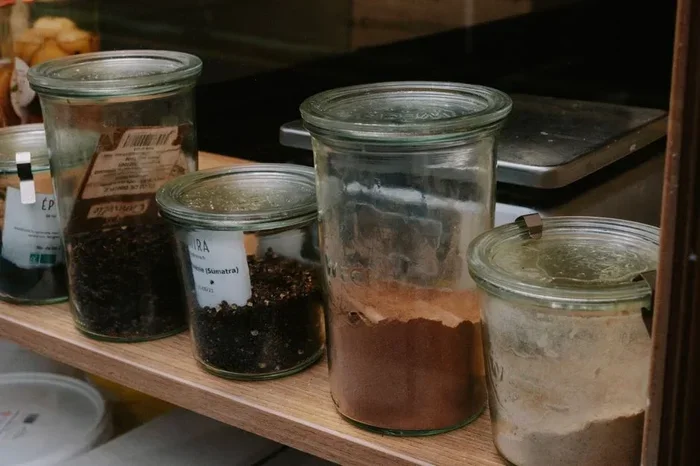
The container you store molasses in matters more than you might think. Glass jars with airtight lids are the gold standard. They do not absorb flavors or chemicals, and they provide an excellent seal. If you prefer plastic, make sure it is food-grade and BPA-free.
Avoid using metal containers for long-term storage. Molasses is acidic and can react with certain metals, causing off-flavors and potential contamination. Stainless steel is an exception and works fine for short-term storage.
Common Mistakes That Cause Molasses to Spoil
Many people accidentally ruin their molasses by making simple mistakes. Avoid these common errors to keep your molasses fresh for as long as possible.
- Using dirty utensils: This is the number one cause of molasses spoilage. Even a small amount of crumbs or bacteria from a used spoon can introduce mold and yeast into the syrup.
- Leaving the lid loose: A loose lid allows air in, which leads to oxidation and fermentation. Always double-check that the lid is sealed tightly.
- Storing near heat sources: Placing molasses near the stove, oven, or dishwasher exposes it to heat and temperature swings. This accelerates quality loss.
- Using non-airtight containers: Transferring molasses to a container without a proper seal exposes it to air and contaminants. Stick to airtight glass jars.
- Ignoring early warning signs: If you notice a slight change in smell or consistency, do not ignore it. Addressing spoilage early prevents it from spreading to other food items in your pantry.
How to Tell if Molasses Is Still Good for Baking
Baking with molasses requires the right flavor and consistency. Spoiled molasses can ruin an entire batch of cookies, gingerbread, or barbecue sauce. Before using molasses in any recipe, do a quick quality check.
Start by looking at the molasses. It should be smooth and free of any floating particles or mold. Next, smell it. The aroma should be sweet and warm, not sour or alcoholic. Finally, taste a tiny amount. It should be rich and flavorful with no bitter or off notes.
If your molasses has thickened or crystallized, do not worry. This does not mean it is bad. You can gently warm the jar in a bowl of warm water to restore its pourable consistency. Stir it well and it will be ready to use.
Many home cooks also use molasses in recipes that involve kitchen appliances. For instance, molasses-glazed roasted vegetables or molasses-infused oatmeal can be prepared in a rice cooker with great results. Just make sure your molasses is fresh before adding it to any recipe.
Can You Use Expired Molasses?
Using molasses past its expiration date is generally safe if the molasses shows no signs of spoilage. The expiration or best-by date is a quality indicator, not a safety deadline. As long as the molasses passes the visual, smell, and taste tests, it is perfectly fine to use.
However, exercise caution. If the molasses has been stored improperly or the container has been open for many years, it is better to be safe than sorry. When in doubt, throw it out. No recipe is worth the risk of foodborne illness.
Some people also wonder about using molasses for beauty and health purposes. Molasses is a popular ingredient in natural skincare remedies. Just like with food, the quality of molasses matters for topical use. If the molasses has gone bad, it should not be applied to the skin. The way our bodies react to spoiled ingredients on the skin can cause irritation or adverse reactions, so freshness matters for both consumption and external use.
Molasses in the Kitchen: Tips and Tricks
Molasses is a versatile ingredient that deserves a spot in every kitchen. Here are some practical tips to get the most out of your molasses.
- Buy in glass jars: Glass preserves flavor better than plastic. Look for molasses sold in glass bottles whenever possible.
- Label the date: When you open a new jar, write the opening date on the lid with a marker. This helps you track freshness.
- Store in the fridge after opening: This simple habit can double or triple the shelf life of your molasses.
- Substitute wisely: If your molasses has expired but still looks and smells fine, it works perfectly in baking, marinades, and glazes.
- Clean spills promptly: Molasses is sticky and can attract pests. Clean up any spills quickly to keep your kitchen hygienic.
Molasses is a wonderful addition to many recipes, from classic gingerbread cookies to tangy barbecue sauces. Taking care of your molasses storage ensures you always have this flavorful ingredient ready when you need it. And just as you would maintain your kitchen appliances like a dishwasher for optimal performance, maintaining your pantry staples properly leads to better cooking outcomes.
Some creative home cooks even use molasses in natural pest control. Molasses-based traps can help manage indoor pests. This is somewhat similar to how coffee grounds are used for pest control, both leveraging natural ingredients for household solutions.
Conclusion
So, does molasses go bad? The answer is yes, but molasses is remarkably resilient. With proper storage and a little attention, your molasses can last for years beyond its printed date. The key is to store it in a cool, dark place, keep the lid tightly sealed, and always use clean utensils when scooping it out.
Watch for the signs of spoilage: off smells, mold, unusual textures, and off tastes. If your molasses passes these checks, it is safe and ready to use. Whether you are baking a batch of warm cookies or glazing a rack of ribs, fresh molasses makes all the difference.
Take a few minutes today to check your molasses stash. Follow the storage tips in this guide, and you will enjoy sweet, flavorful molasses for years to come. A little care goes a long way in keeping your pantry staples at their best.
Frequently Asked Questions
How long does molasses last after opening the jar?
Opened molasses typically lasts one to three years when stored properly in a cool, dark place. Refrigerating opened molasses can extend its shelf life even further. Always check for signs of spoilage before using, regardless of how long the jar has been open.
Can molasses ferment?
Yes, molasses can ferment if yeast or bacteria gets into the jar. Fermentation causes an alcoholic smell and bubbling. This usually happens when dirty utensils are used or the lid is not sealed properly. Fermented molasses should be discarded.
Is it safe to eat molasses past the expiration date?
Yes, it is generally safe to eat molasses past its expiration date as long as it shows no signs of spoilage. The expiration date is a quality indicator, not a safety warning. Perform a visual and smell check before using expired molasses.
What causes molasses to crystallize?
Molasses crystallizes when the sugar content solidifies, often due to temperature changes or prolonged storage. Crystallization is not a sign of spoilage. Gently warming the jar in warm water will dissolve the crystals and restore the molasses to its normal consistency.
Does molasses need to be refrigerated?
Unopened molasses does not need refrigeration. However, refrigerating opened molasses significantly extends its shelf life. The cold temperature slows fermentation and keeps the molasses fresh longer. Just let it warm up slightly before using.
Can you store molasses in a metal container?
It is best to avoid storing molasses in metal containers for long periods. Molasses is acidic and can react with certain metals, causing off-flavors and potential contamination. Glass jars with airtight lids are the safest and best option for molasses storage.